Shrinking Inventories And Growing Risks Reshape The Energy Outlook

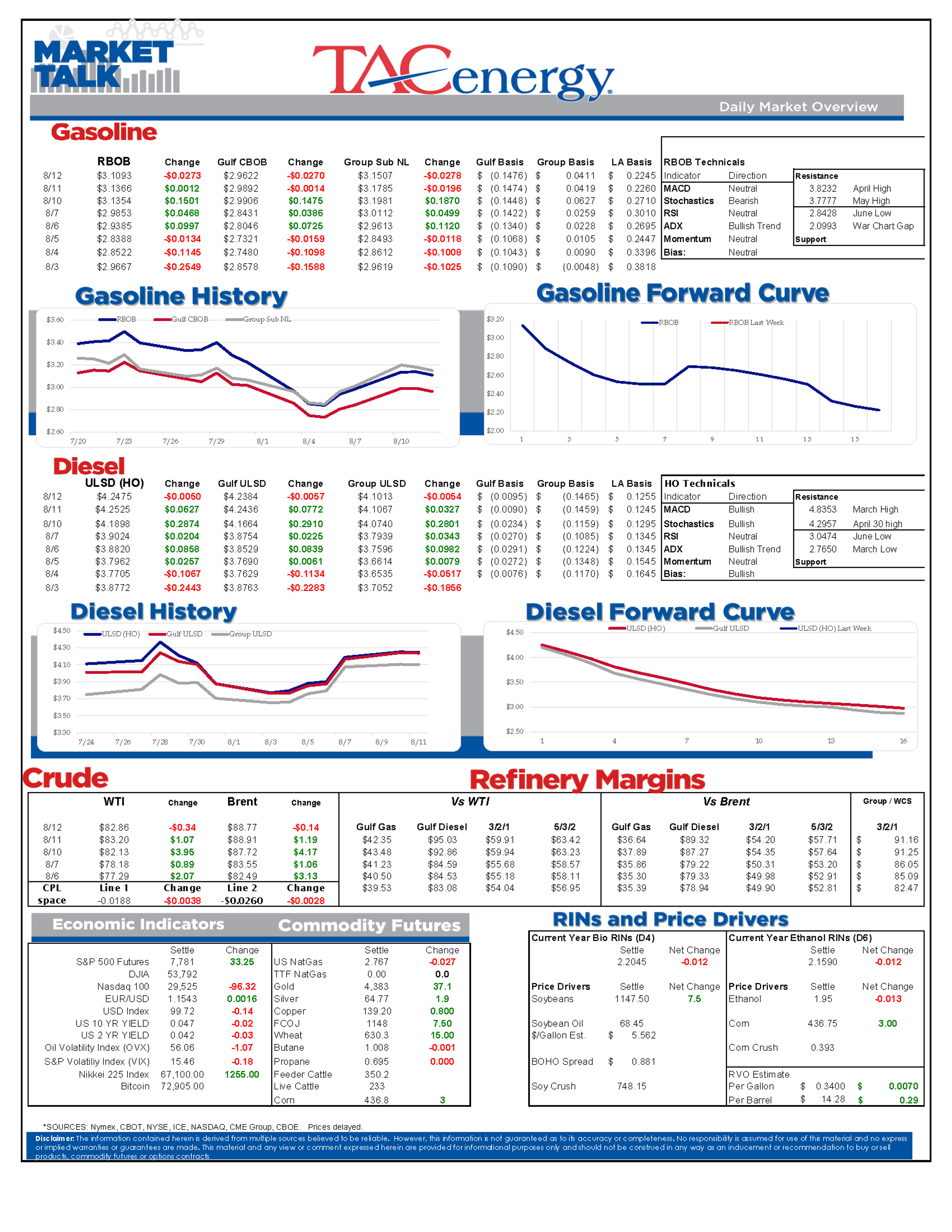
It’s another choppy start for energy markets with most contracts dipping modestly into the red as we approach 8am central, after 2 days of gains to start the week and more buying overnight.
In addition to multiple attacks on refineries around the world yesterday, the “big” news was that the U.S. military had struck a Panama-flagged vessel that was attempting to bypass its blockade of Iranian ports. In addition, Houthi attacks on shipping in the Red Sea reportedly killed 4 crew members Tuesday.
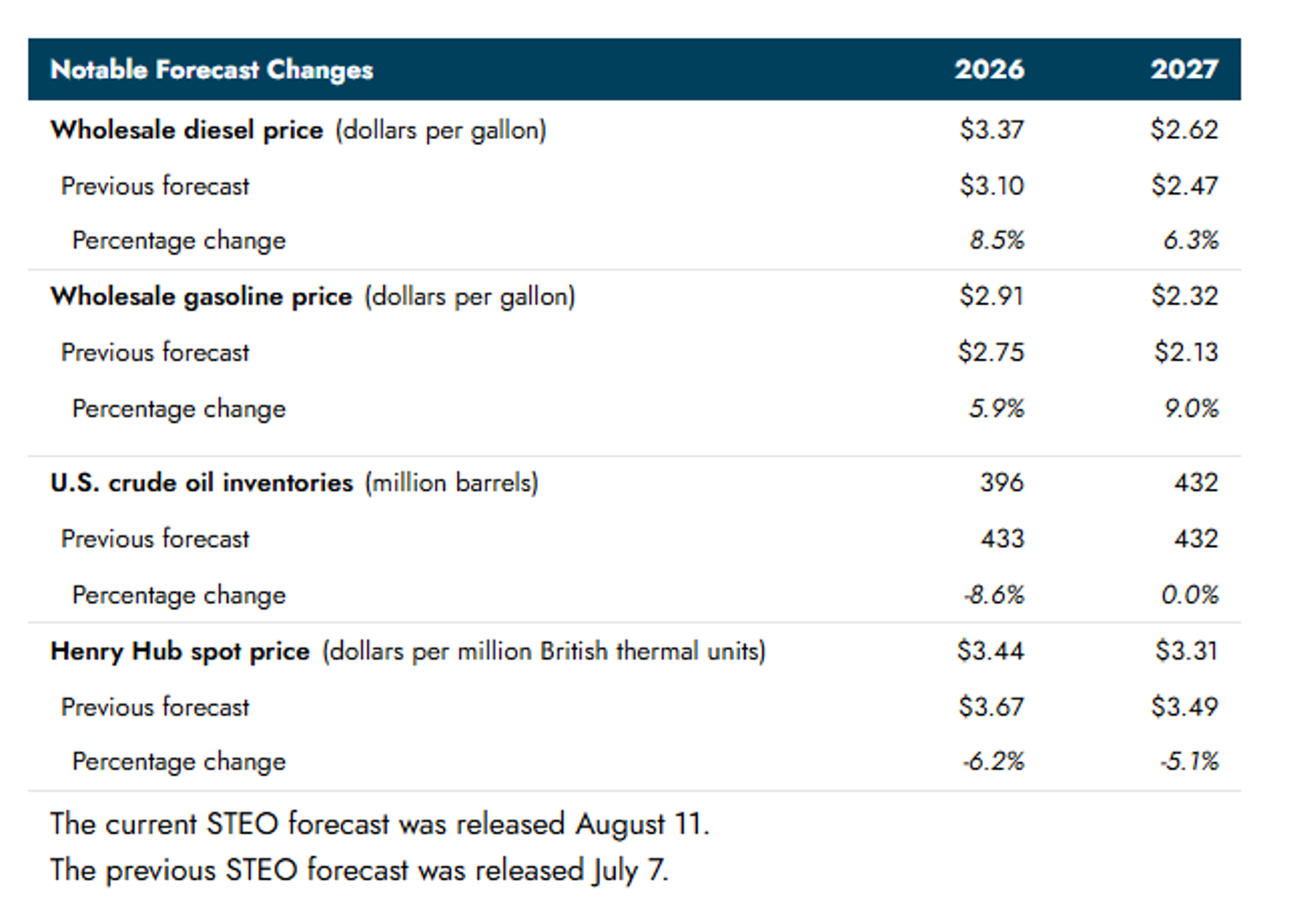
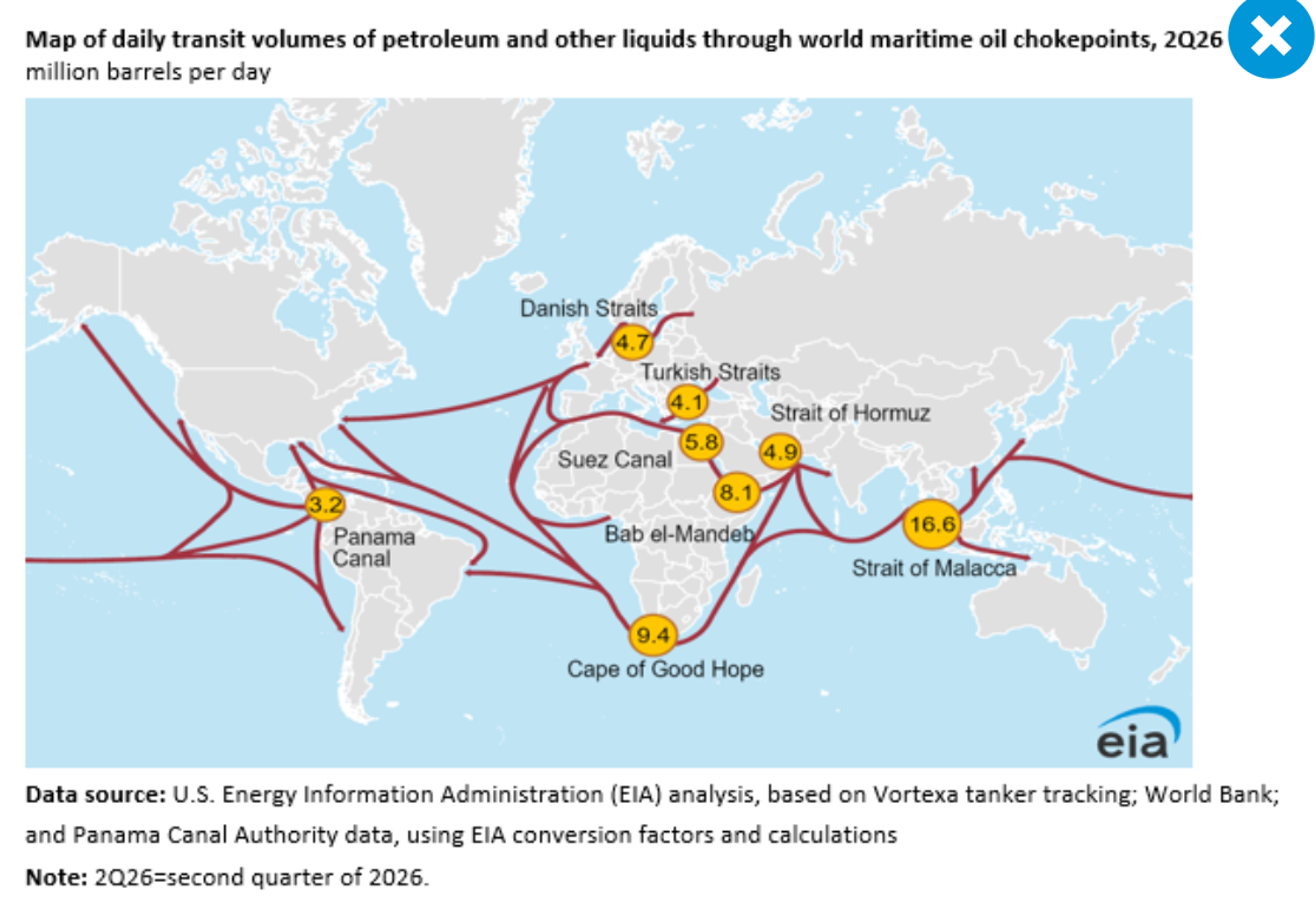
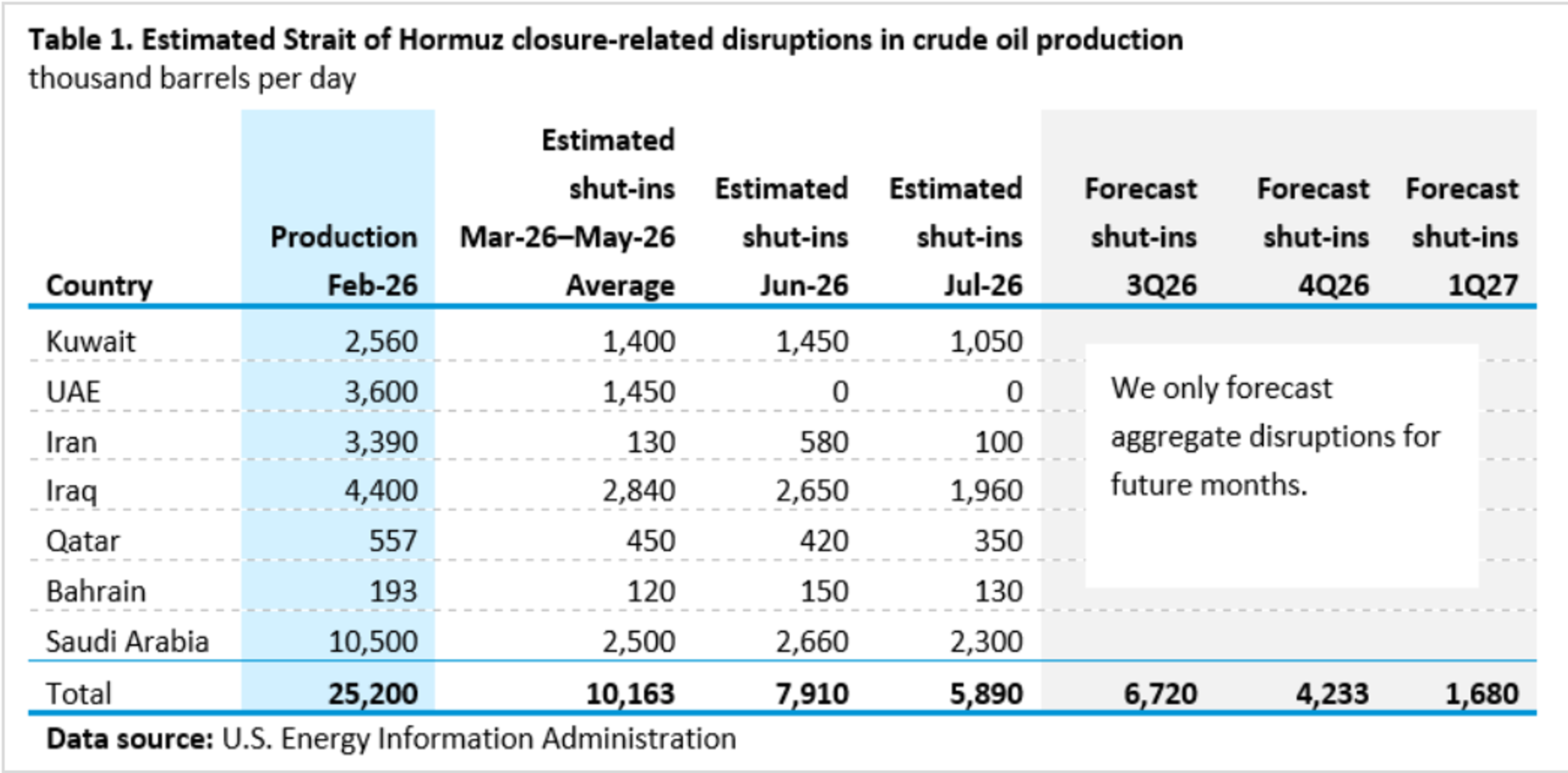
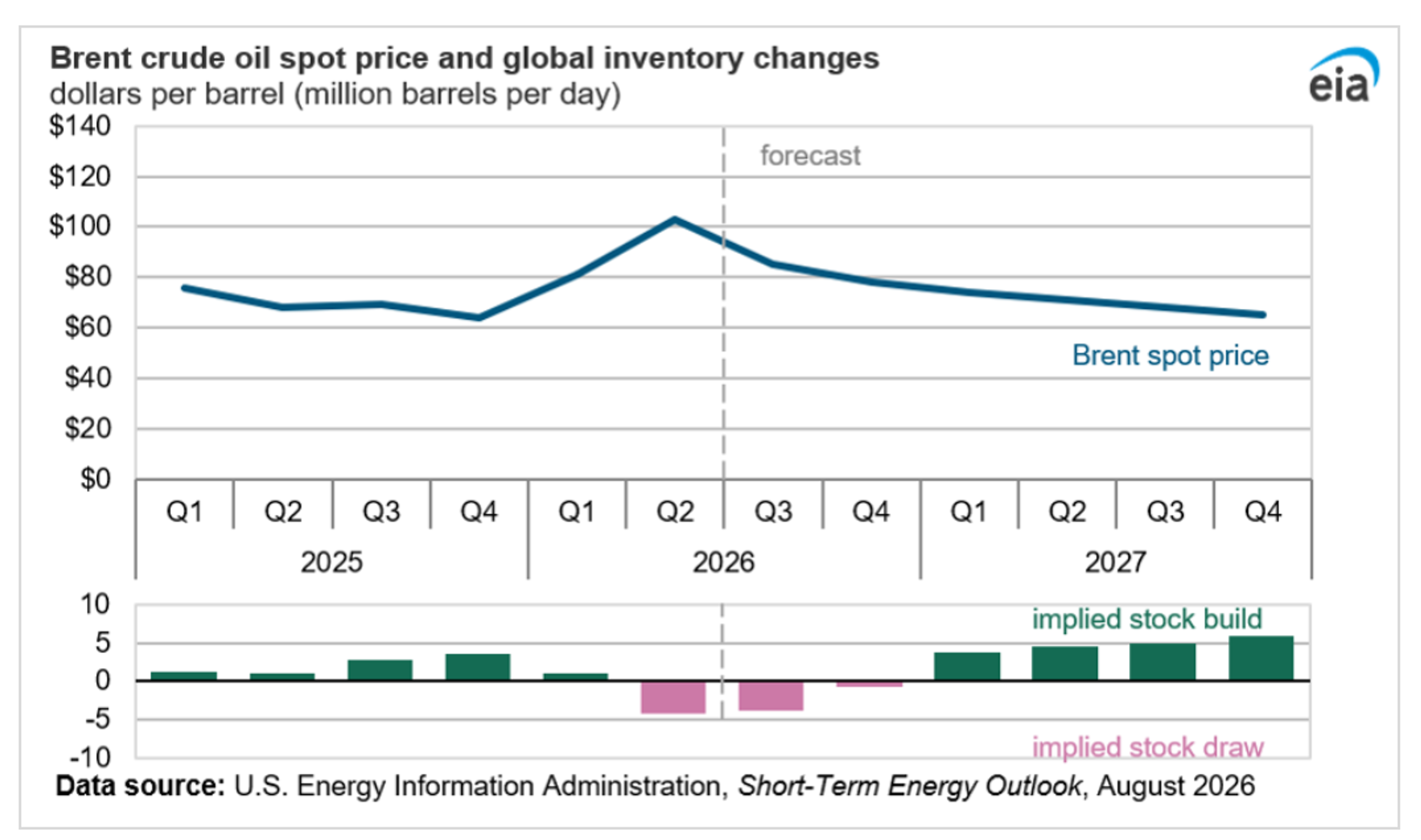
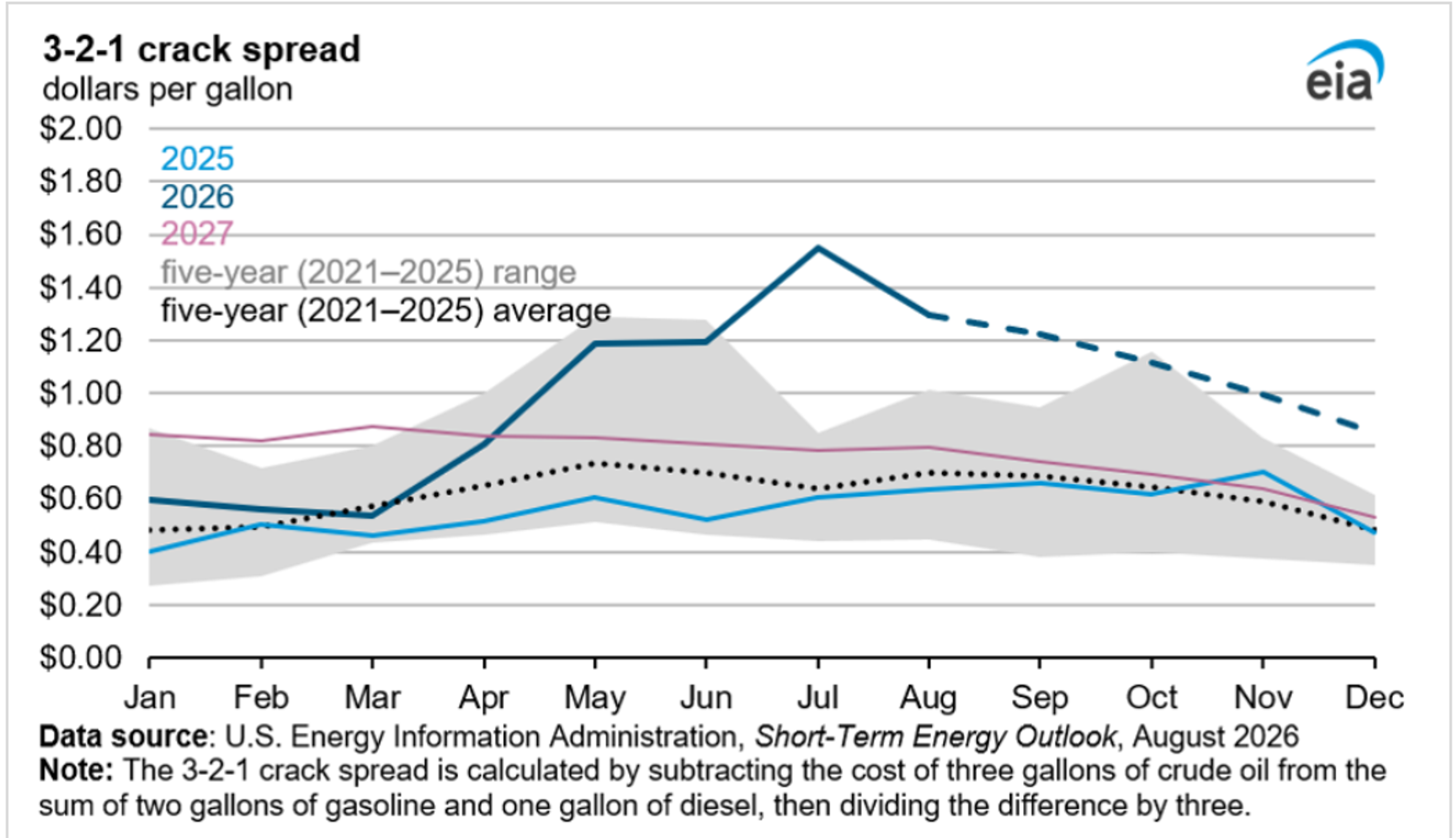
The EIA made big increases to its projected prices for gasoline and diesel in its latest Short Term Energy Outlook, with the forecast increasing between 6 and 9% for 2026 and 2027. U.S. oil inventories are forecast at 8.6% below their July estimates for 2026 as the hopes for easing to the various supply disruptions are vanishing. The report estimates that just 4.9 million barrels/day of oil and refined products transited Hormuz in Q2, compared to 21.6 million barrels/day in Q4 of 2025, with increased flows through the Red Sea only able to make up about 16% of that loss, even prior to the latest threats from the Houthis.
The report also highlighted the loss of refined product exports from Saudi Arabia, Kuwait, Russia and China as the key factors pushing U.S. refining margins towards record highs, and projects that refinery maintenance will cut run rates by more than 1 million barrels/day in the U.S. through October.
It appears we’ve gone a whole 24 hours without a new drone strike against a Russian refinery, although the Orsk plant hit yesterday was reportedly forced to shut down its main crude distillation unit as a result of that attack.
Multiple reports in the past week show that Russia has been forced to buy refined products from India, and South Korea recently to supplement its domestic supplies due to Ukraine’s ongoing attacks, meaning that fuel buyers in California are now bidding against Russia to get extra supply. That phenomenon is less of a challenge while the Jones Act Waivers allow shipments of products from the U.S. Gulf Coast to reach the East and West Coasts at reasonable levels, but could create bigger challenges if those waivers come to an end.
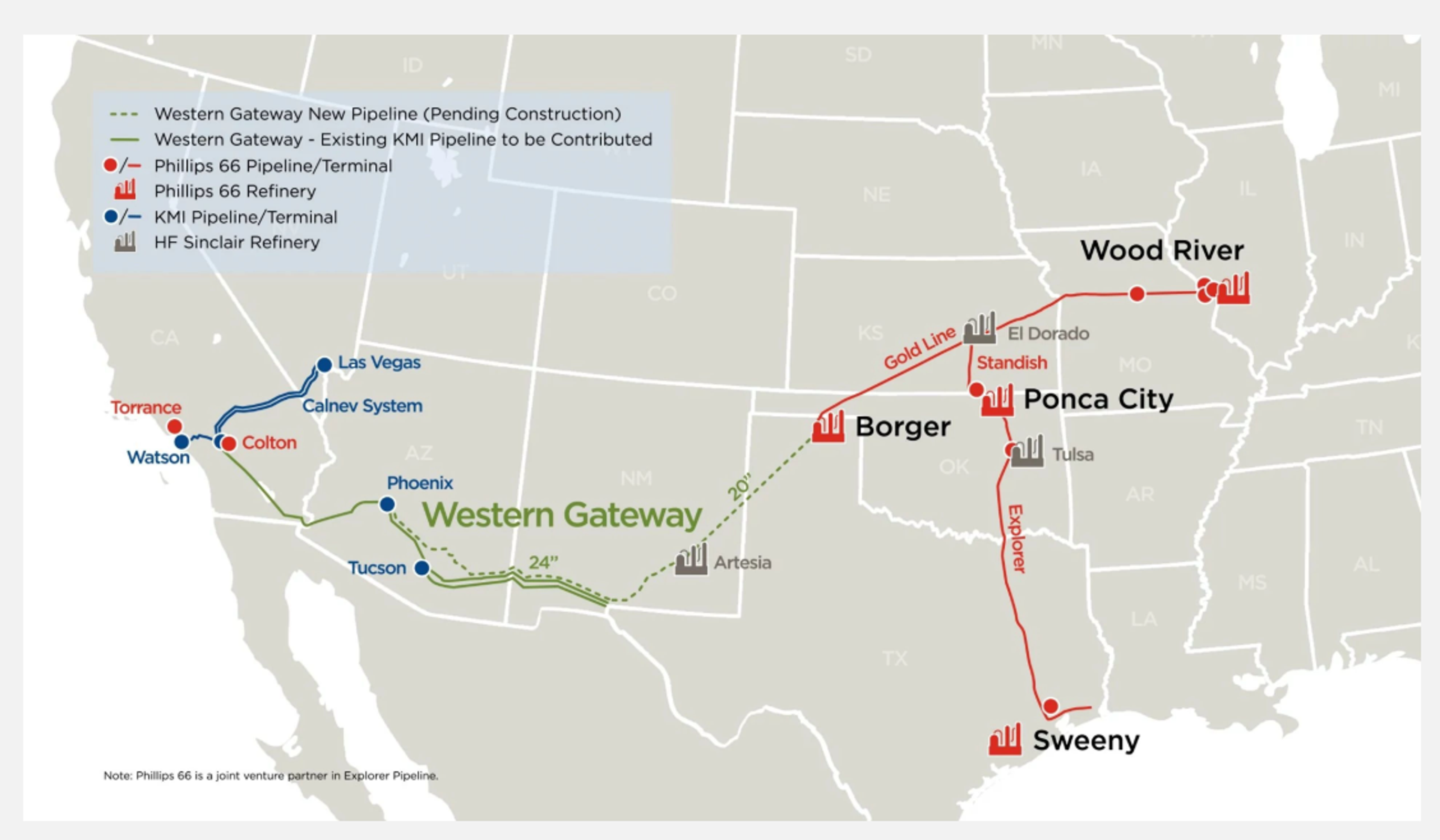
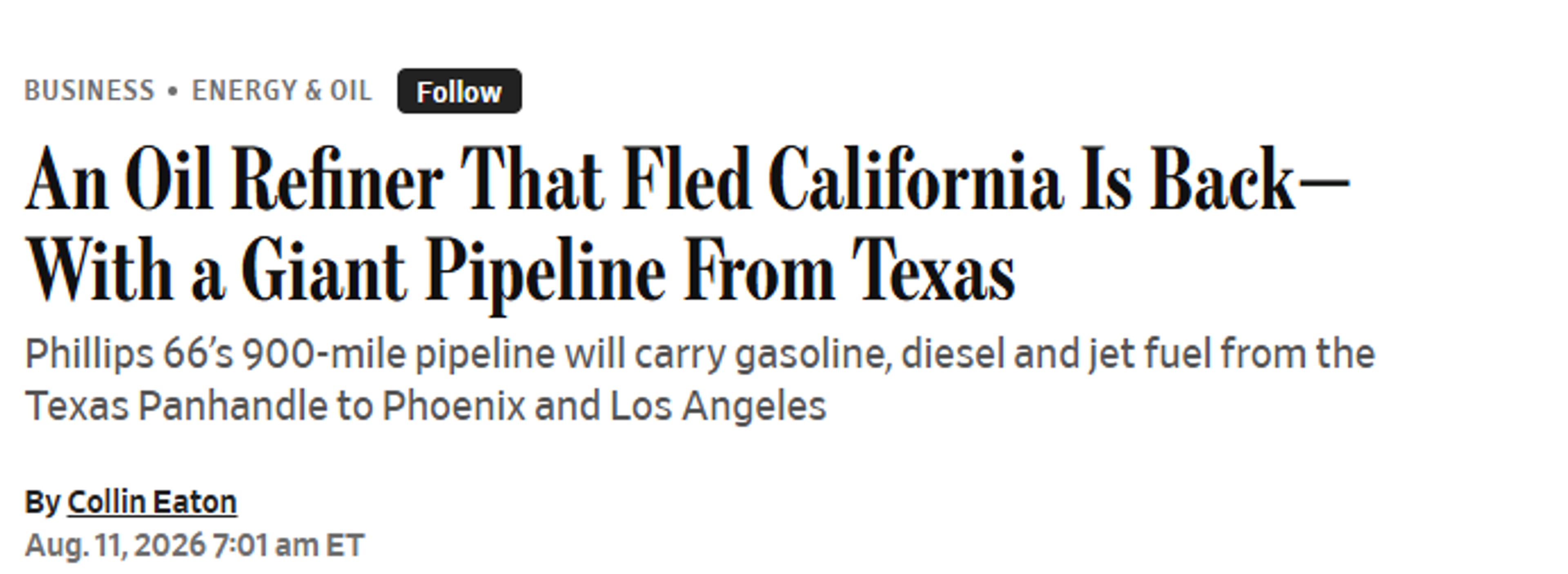
Don’t worry though, help is on the way in the form of a “giant” pipeline from Texas, if you believe the headlines. If you read the details of the Western Gateway pipeline expansion, that received enough commitments to move into the funding phase of the project, you’ll note that most of its origin points actually come from much deeper in the Mid Con, that its max capacity can only replace roughly 1 of the already shuttered California refineries, and it won’t be operating for another 3 years, if all goes well.
The API reported small inventory draws for refined products, with gasoline stocks down by 1.5 million barrels in the industry-group’s estimate while distillates drew by 596,000 barrels. Commercial crude oil stocks had a large estimated build of more than 9 million barrels on the week, while the SPR continued its steady releases, dropping by another 6.1 million barrels last week to a fresh 43 year low. The EIA’s weekly status report is due out at its normal time this morning. The SPR levels are continuing to draw scrutiny as stocks get close to what many believe are the effective minimums to operate, while more releases are still scheduled.
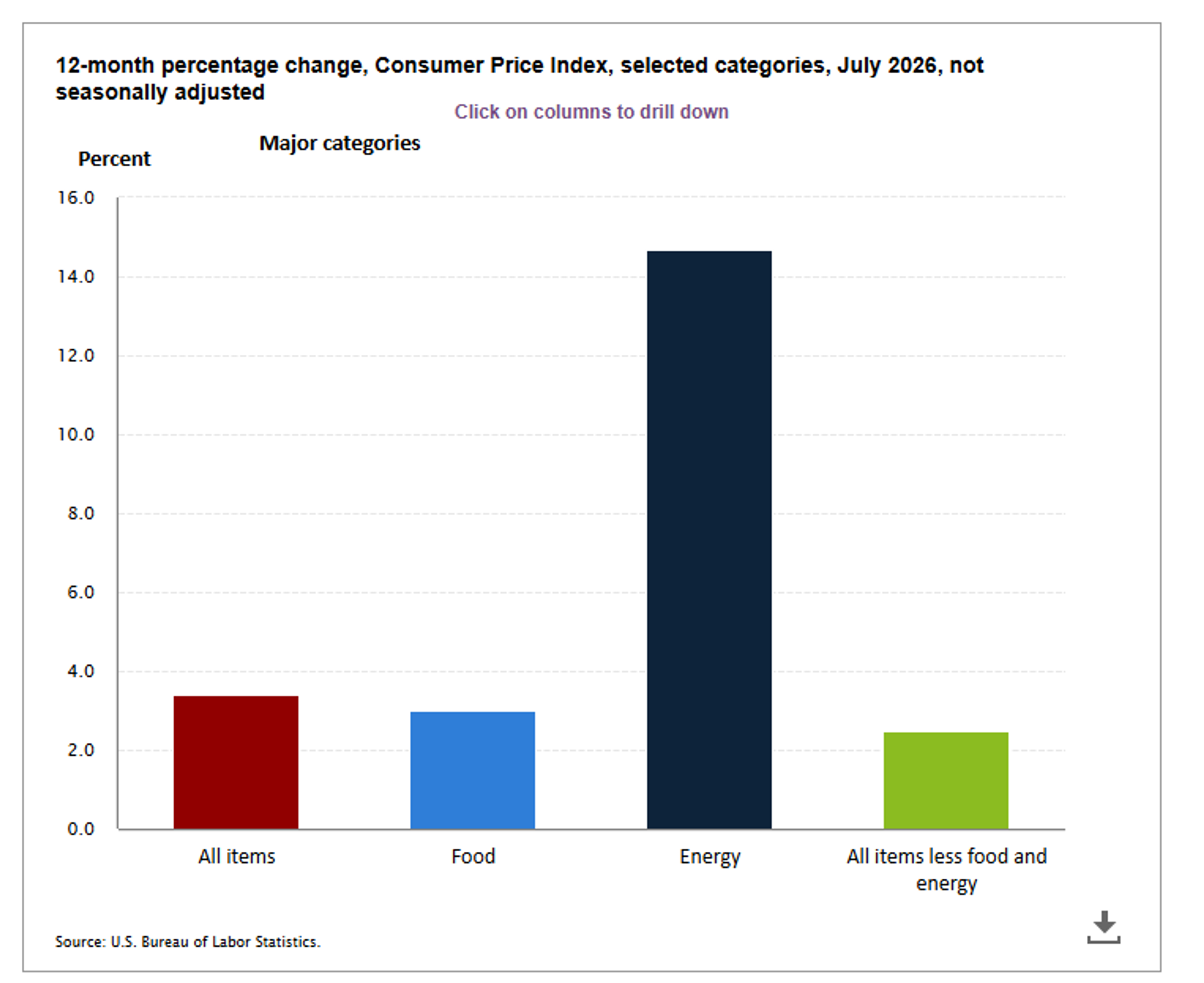
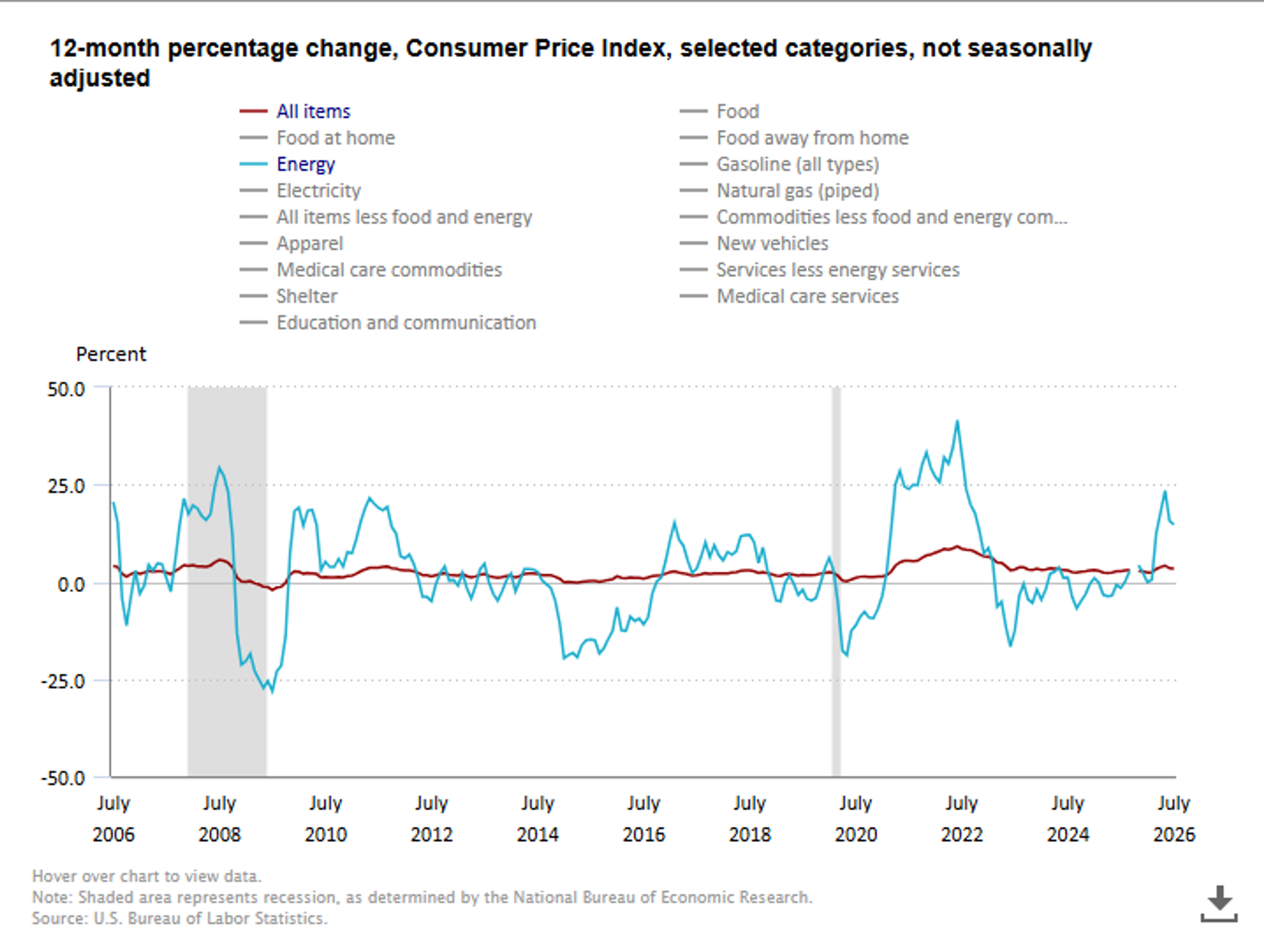
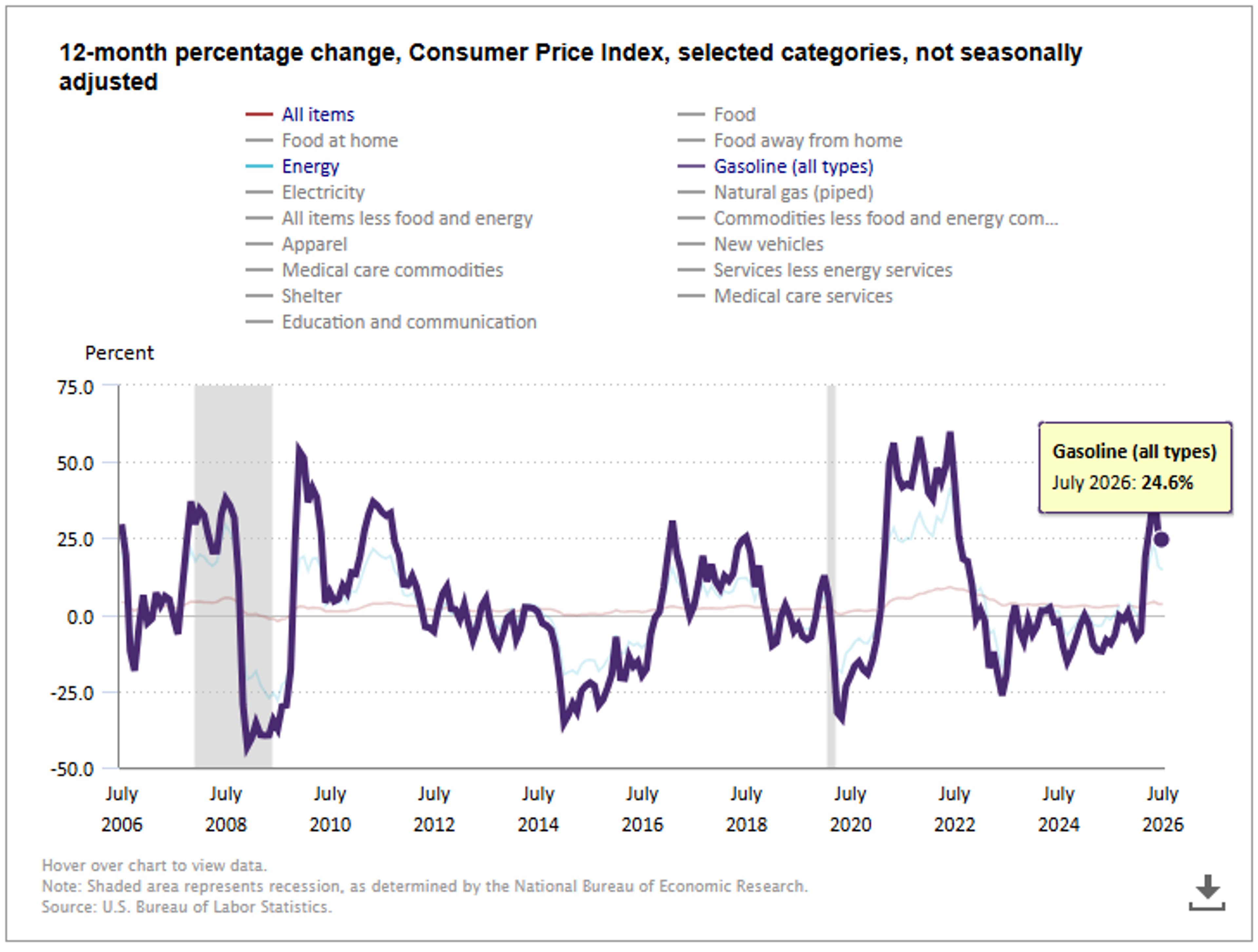
Inflation continues to be a challenge in the U.S. with the July CPI report showing 3.5% annual increases in costs, while the less volatile CPI less Food and Energy remains well above the FOMC’s 2% target, coming in at 2.5% for the past year. While most energy commodities decreased in July as the market enjoyed its brief respite from the war, we know those levels have increased sharply since the middle of the month and that will continue putting upward pressure on inflation near term.
P66 reported an ongoing upset at its Borger TX refinery that started Monday afternoon. The cause and effect of this event are still unknown as of the filing with the TCEQ yesterday afternoon.
P66 also reported an upset at its Sweeny TX refinery caused by a lightning storm Monday afternoon with multiple units impacted.
The NHC is still monitoring 3 storm systems in the Atlantic and there are good odds at least one of them gets named this week, but low odds that any of them will come close to the U.S..
Latest Posts
Storms, Drones And A Walked-Back Export Ban: Why This Week's Selloff Might Not Last
Diesel Rally Resumes Amid Growing Debate Over US Export Limits
Week 38 - US DOE Inventory Recap
Refinery Economics Clash With Calls For A Diesel Export Ban
Diplomacy Knocks Crude Lower, But Diesel Bulls Aren’t Done Yet
Diesel Pullback Tests Market Nerves Amid Supply Risks
Social Media
News & Views
View All
Storms, Drones And A Walked-Back Export Ban: Why This Week's Selloff Might Not Last
Diesel Rally Resumes Amid Growing Debate Over US Export Limits