Storms, Drones And A Walked-Back Export Ban: Why This Week's Selloff Might Not Last

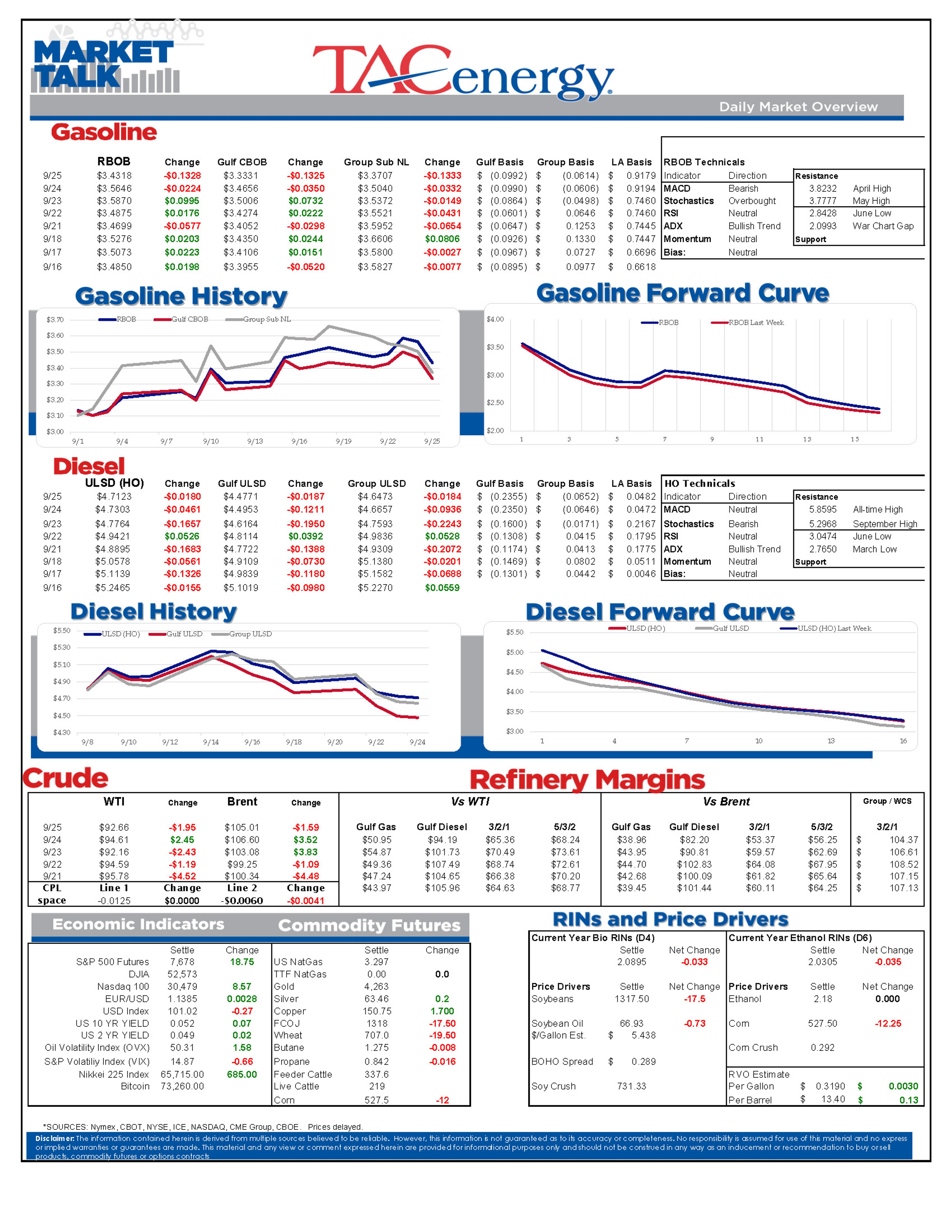
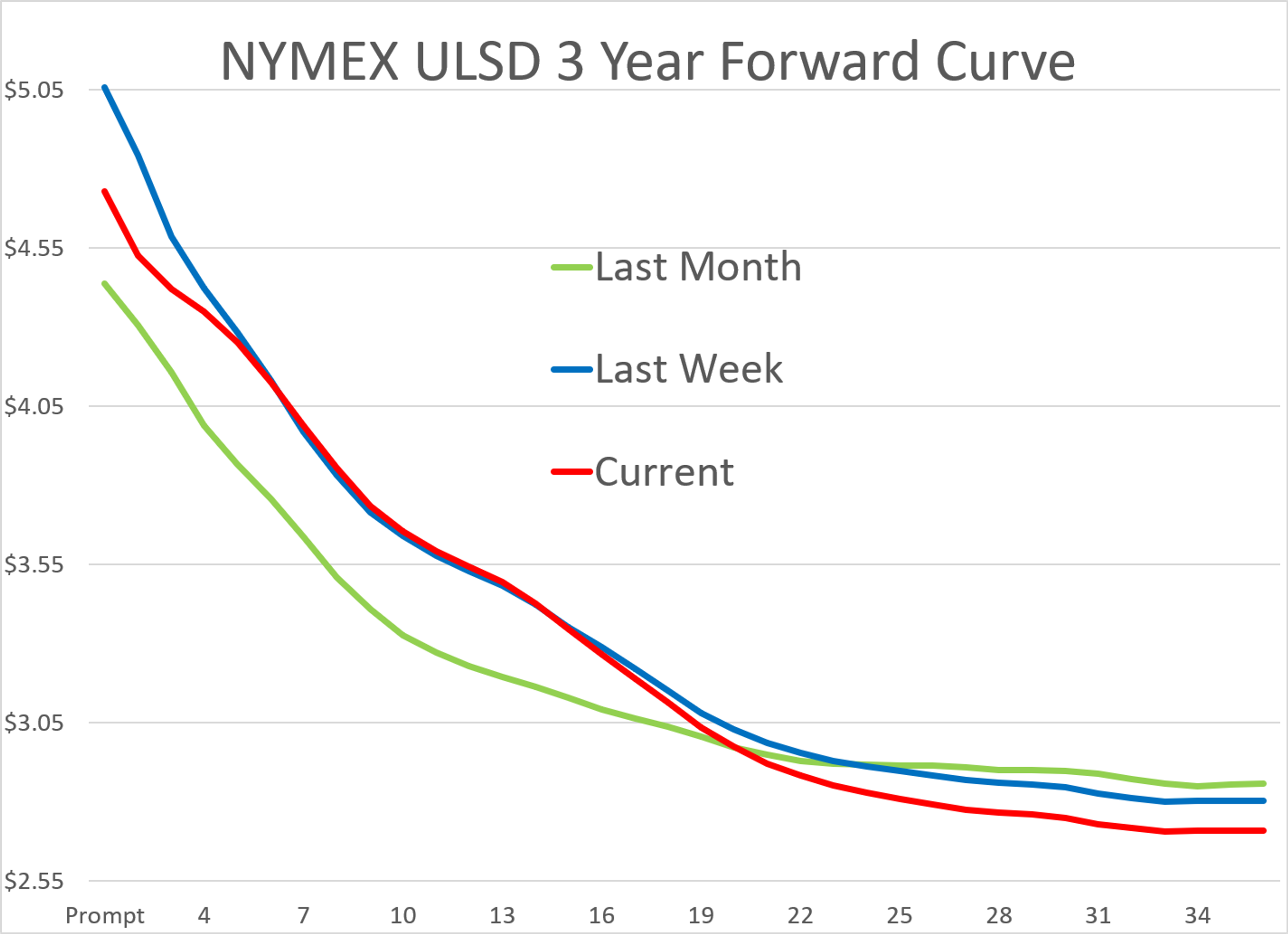
RBOB gasoline futures are leading the energy complex lower Friday, down 13 cents on the day and 21 cents from the 4-month high set Thursday morning. Crude futures are also moving lower on the day, while distillates are more of a mixed bag, with the prompt 2 months seeing modest losses, while forward values are ticking higher.
The White House walked back its plans to issue a diesel export ban Thursday, which contributed to huge price swings this week, with both Wednesday and Thursday’s sessions having 39-cent ranges and highlighting the conundrum of trying to lower fuel prices when 2 wars are restricting somewhere around a third of all global waterborne supply.
Attacks around Hormuz have slowed over the past couple of days, but the fighting between Saudi Arabia and the Houthis continues ramping up. France has confirmed it will be deploying ships and troops to help Saudi Arabia protect the port of Yanbu, which is the critical loading point for the East/West pipeline that is a 7 million barrel/day backdoor option to avoid Hormuz, which has faced multiple Houthi attacks in the past couple of months.
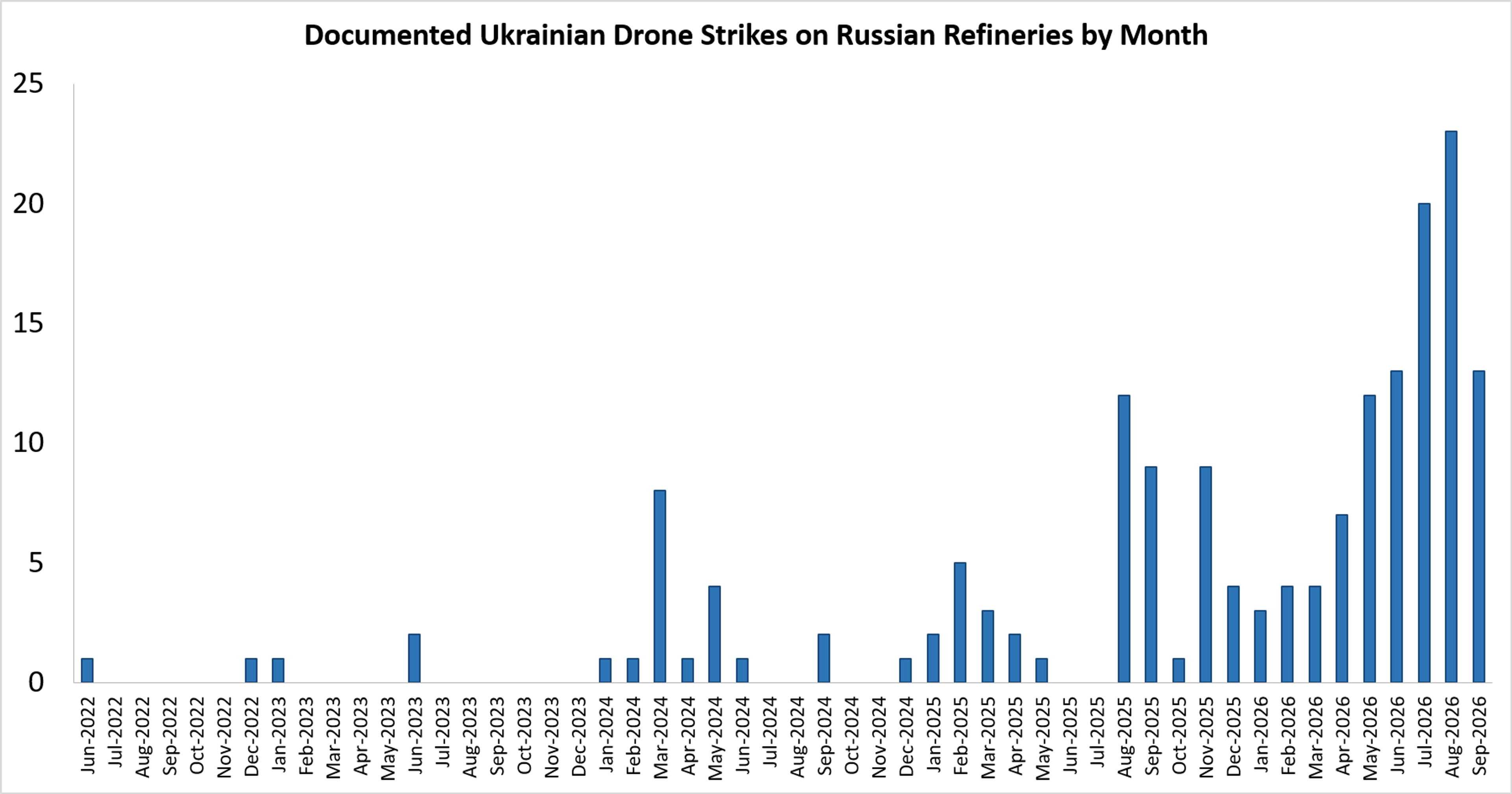
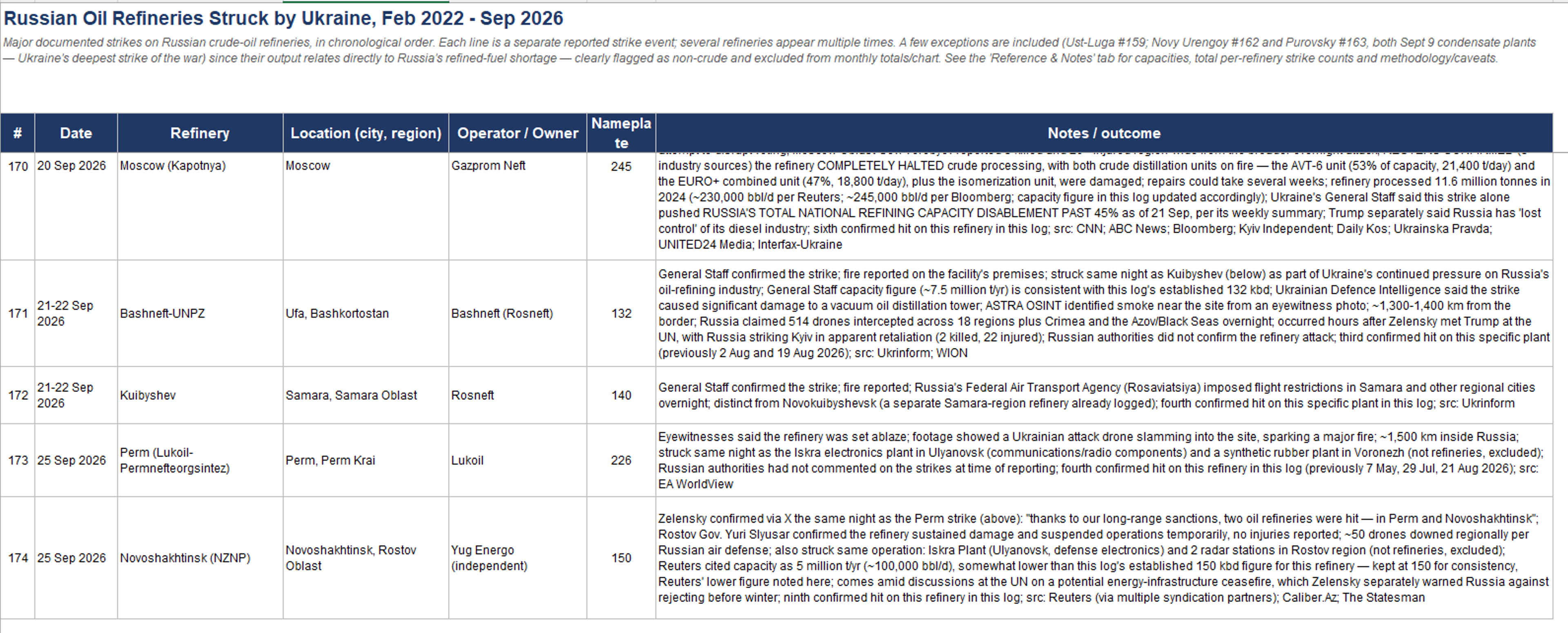
Ukraine’s drones hit 2 more Russian refineries overnight, with the 226mb/day Lukoil Perm and 150mb Novoshakhtinsk (say that 10 times fast) facilities both reportedly dealing with fires following the strikes. While discussions about a potential “energy ceasefire” have been ongoing this week, the attacks have picked up pace, with September now set to be the 3rd busiest month of the war for strikes on these facilities, while the accuracy and impact of each attack show signs of continuous improvement.
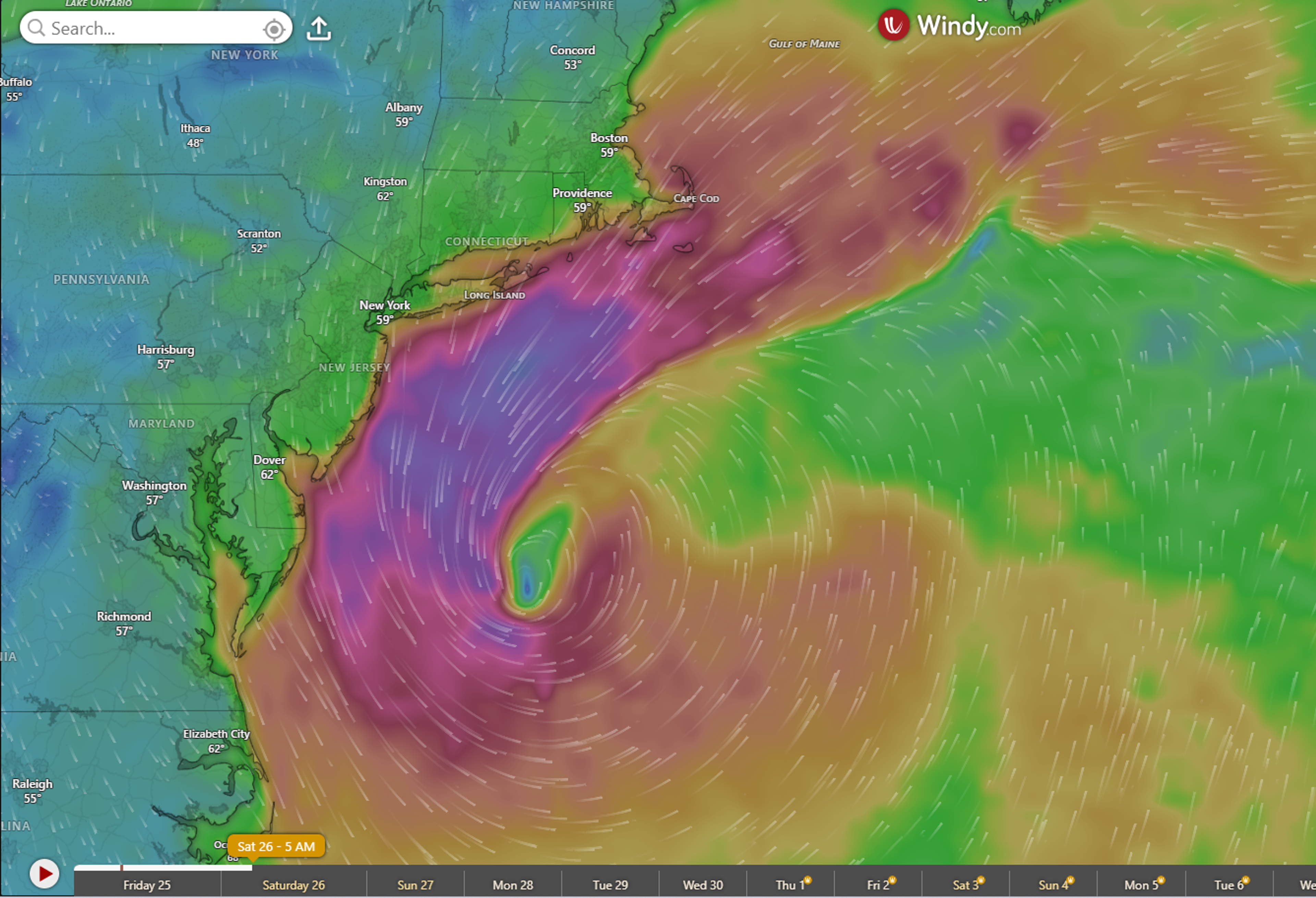
The Nor’easter bearing down on the Atlantic coast is already causing terminal supply disruptions as the Coast Guard issues warnings for ships to stay in port throughout New England and begins to restrict vessel movements in several major harbors. The biggest challenge with this storm is likely to be its duration more than its severity, with the Coast Guard predicting restrictions will remain in place through Monday, meaning waterborne terminals in the area may miss 4-5 days’ worth of shipments.
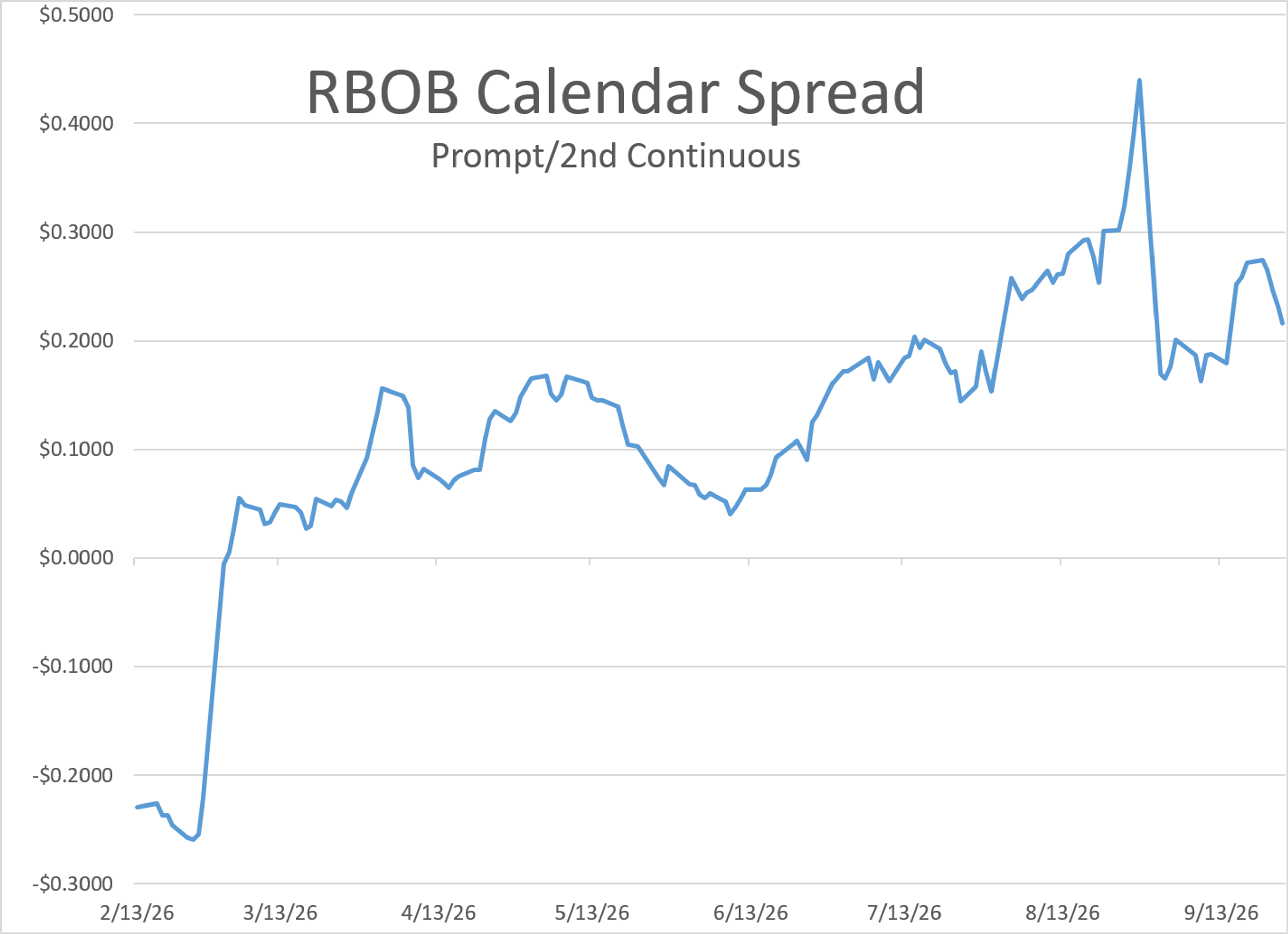
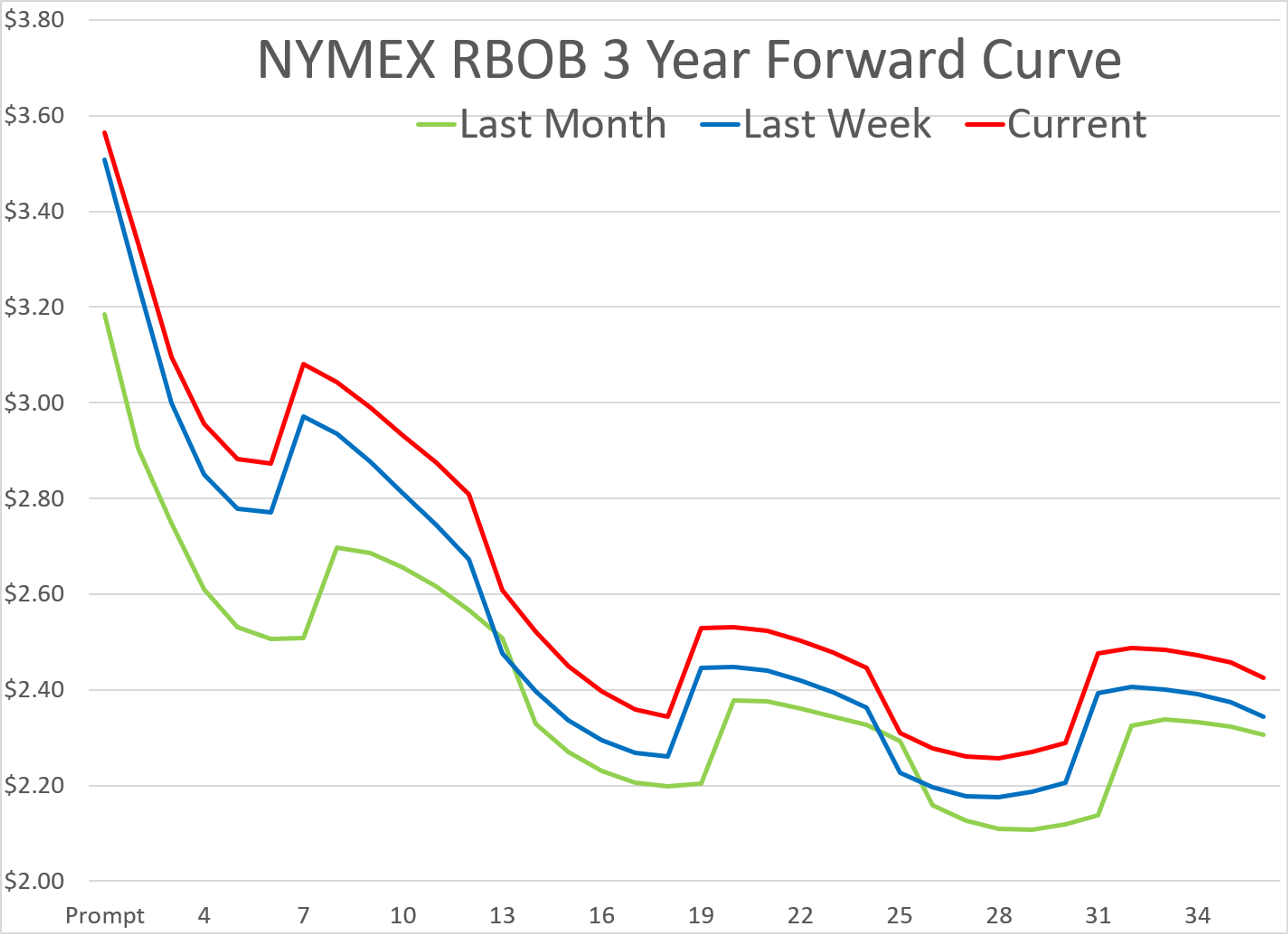
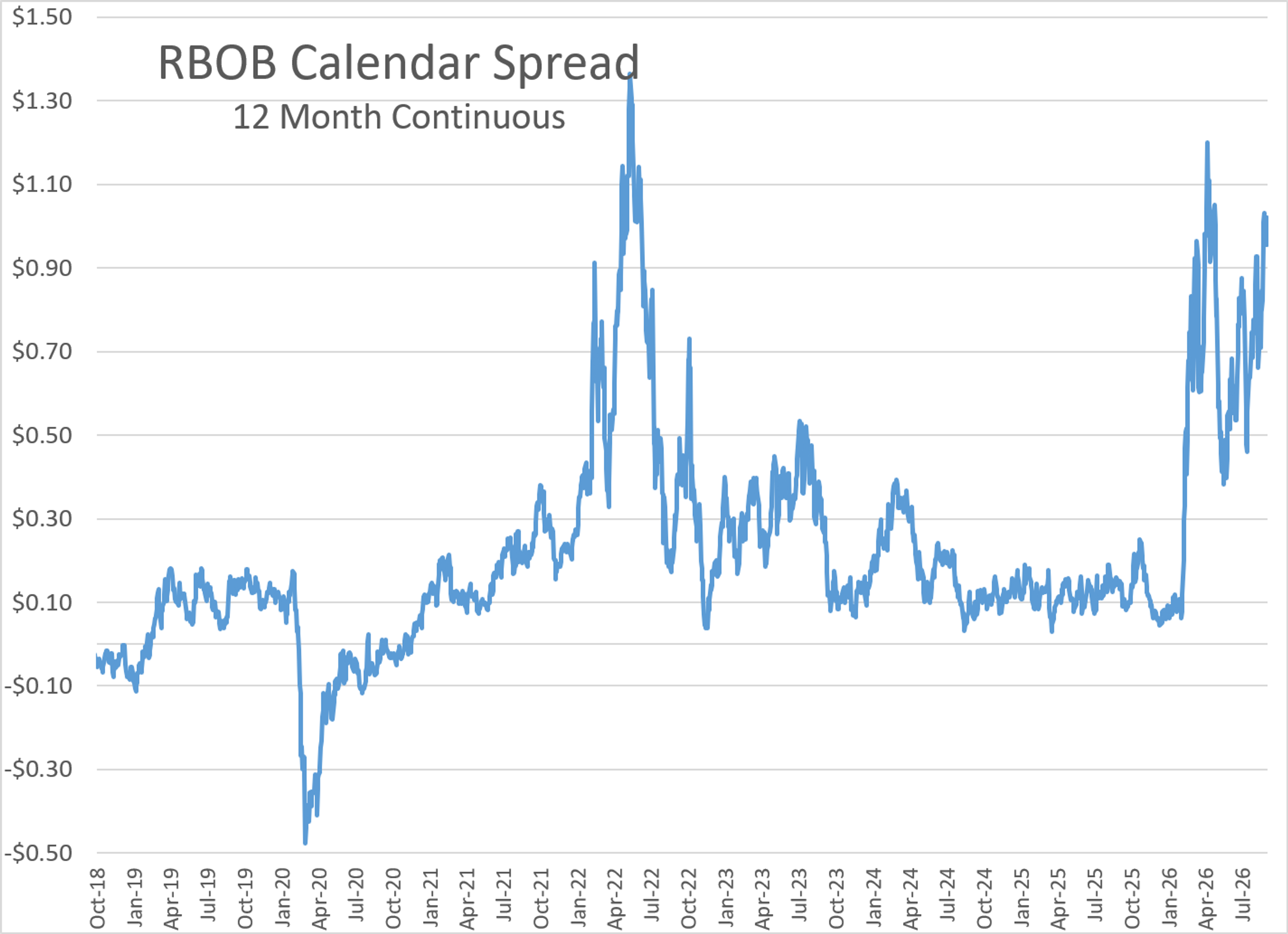
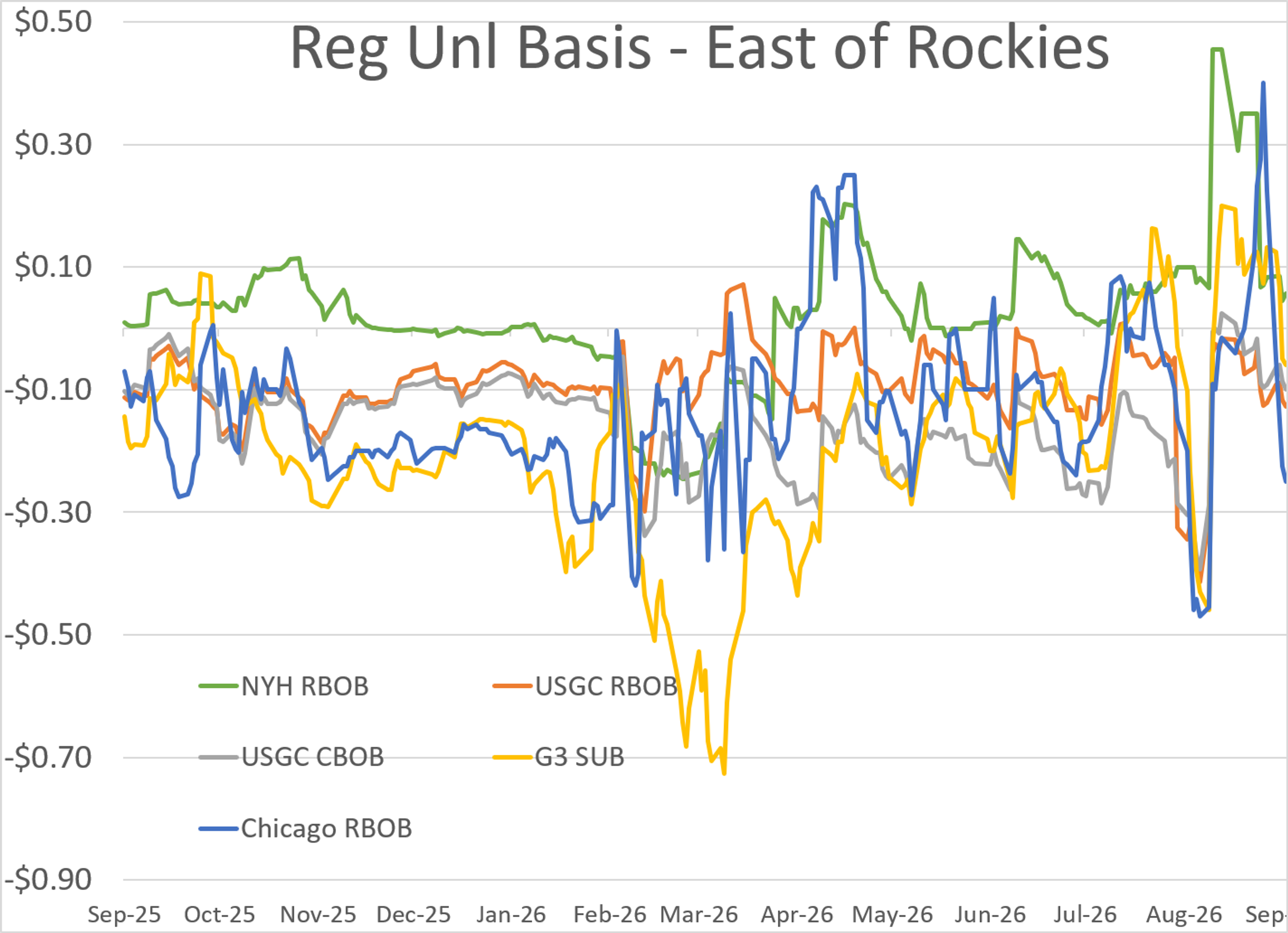
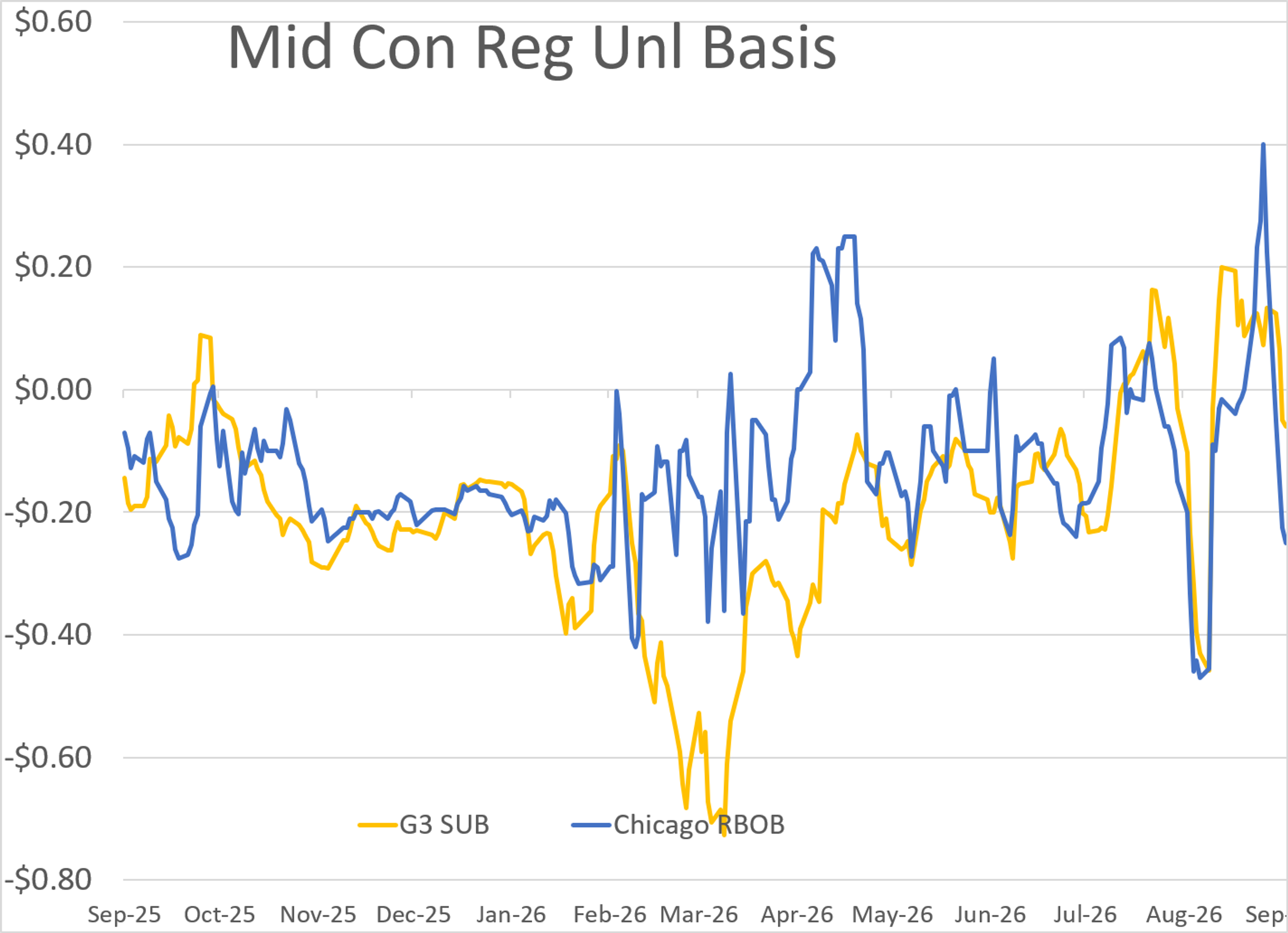
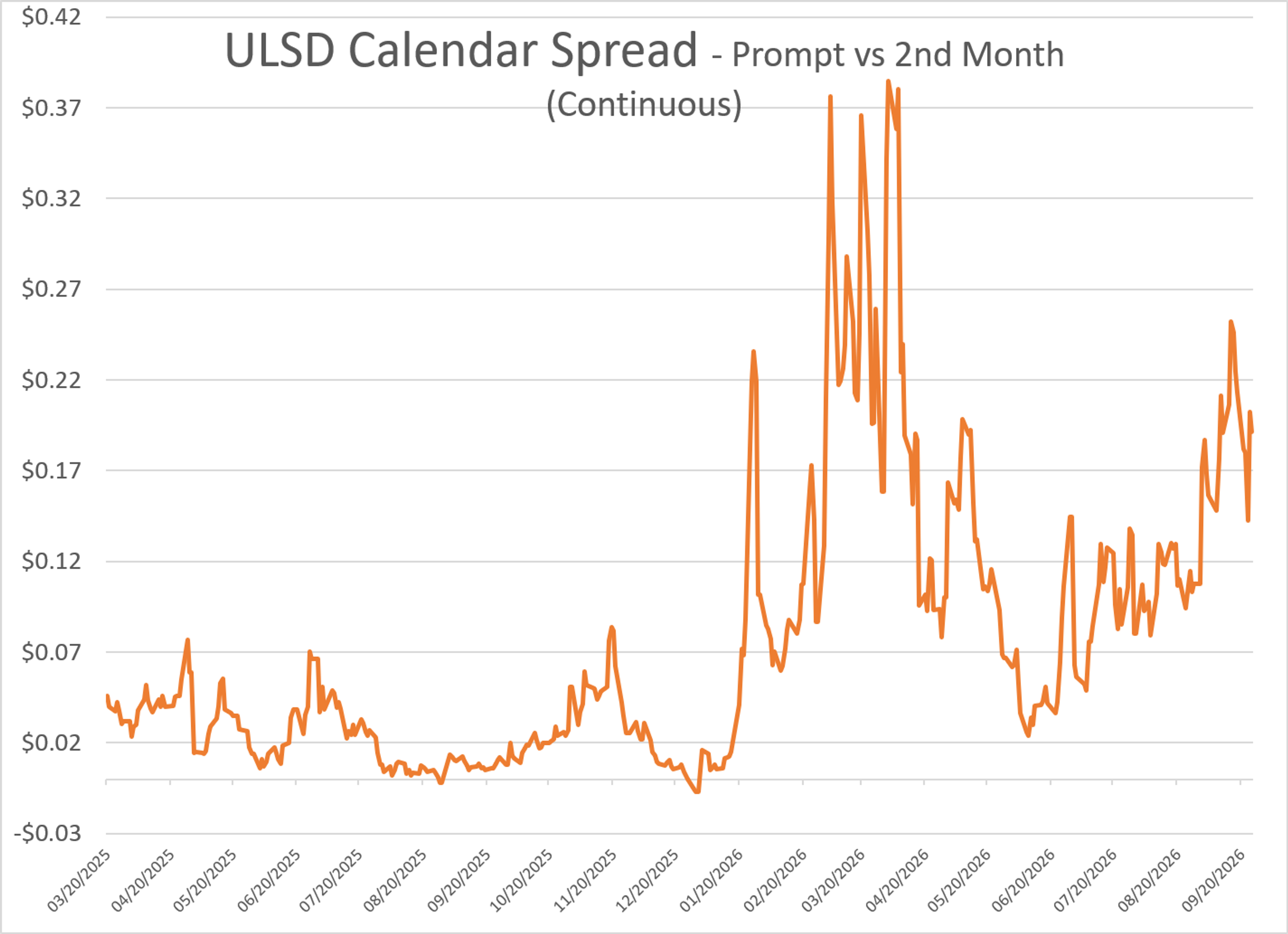
Given that the region (along with most of the country) is already tight on supply, and extreme backwardation has shippers holding minimum stockpiles, there simply isn’t a supply cushion to absorb those resupply delays, so outages in the area are likely to become the rule rather than the exception over the next week. The big unknown is how much the storm will decrease demand as drivers avoid going out, which will limit the impact of the supply delays. That potential drop in demand across the country’s largest population centers, and the barrels stranded in NYH as the storm passes, both may be contributing to the pullback in prompt RBOB values today.
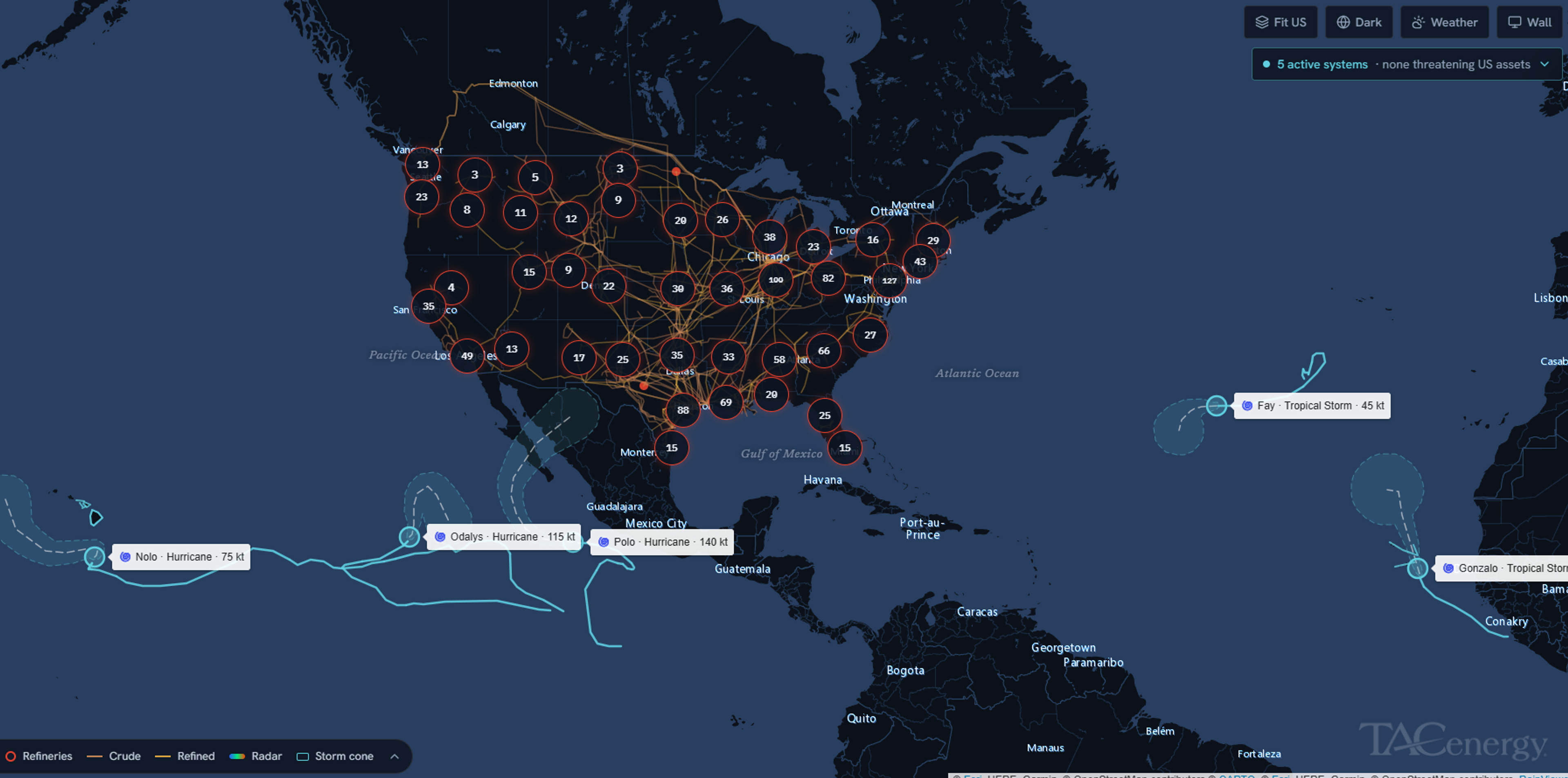
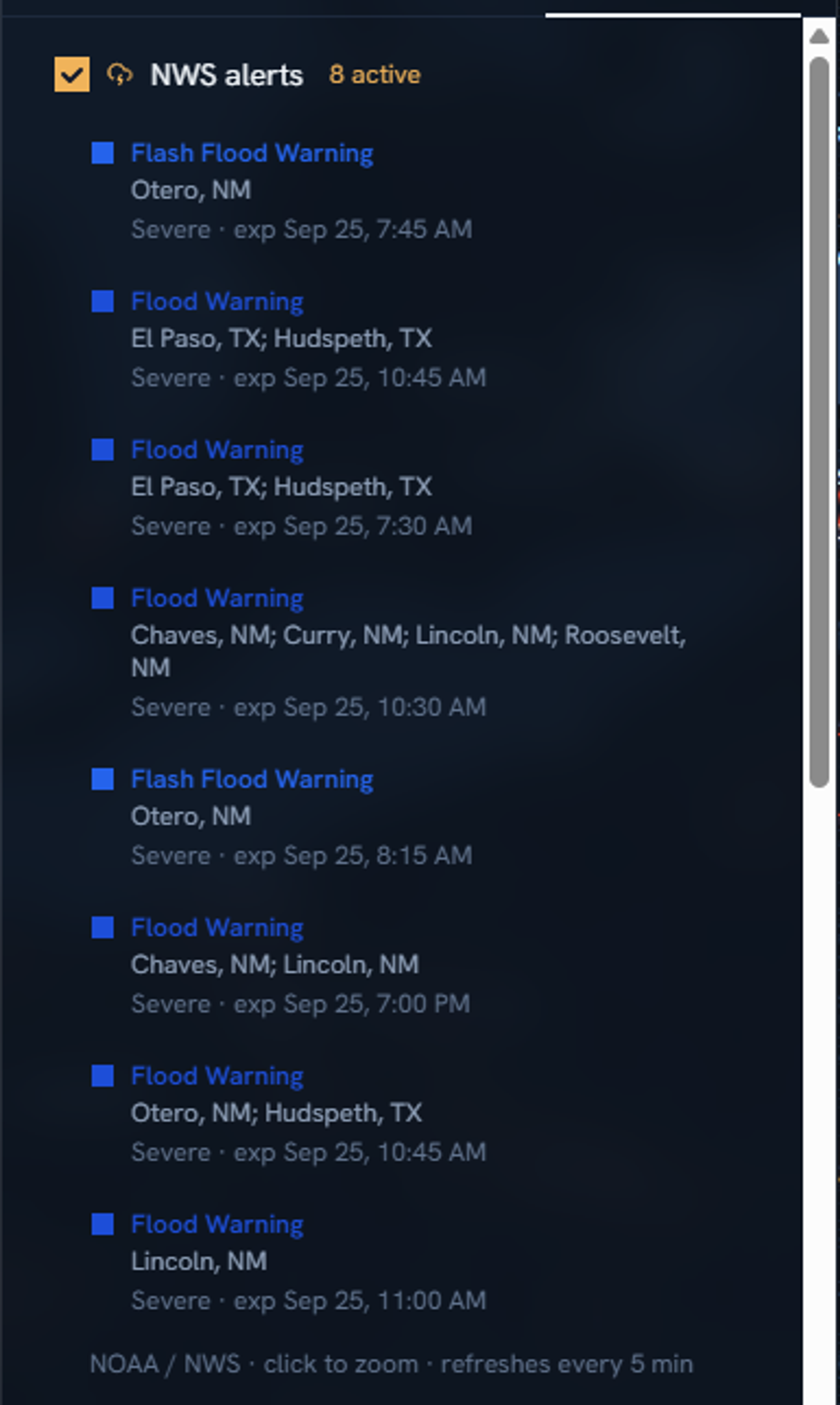
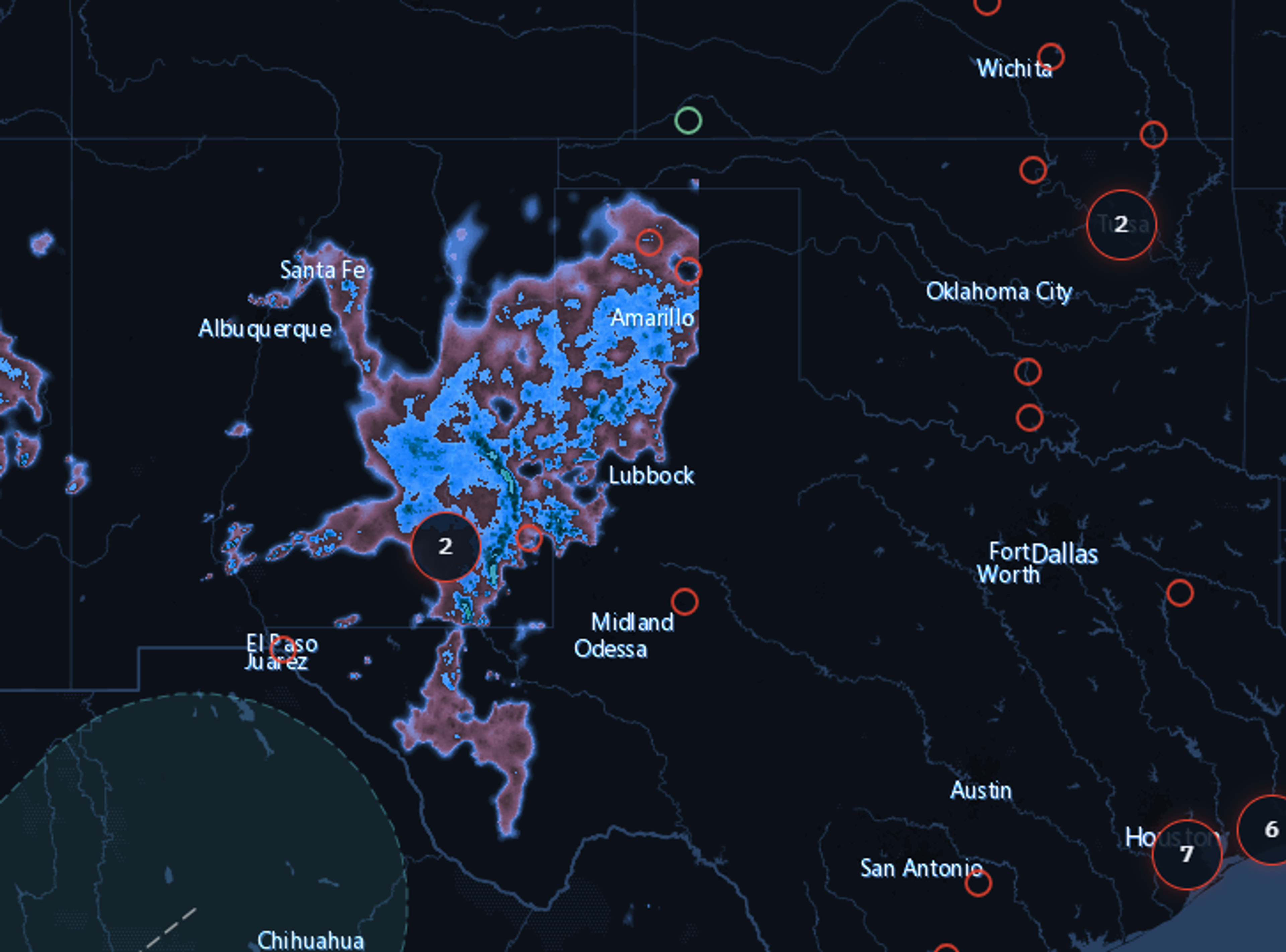
In addition to the Nor’easter, there are a pair of Tropical storms churning in the Atlantic today, but neither Fay nor Gonzalo poses a risk to the U.S. While the strong El Niño pattern has kept Atlantic storm development at a minimum this year, the Pacific continues to rage with 3 hurricanes, including one of the most severe on record, currently moving off the West Coast of Mexico. Hurricane Polo was one of the strongest storms in history, and while it stayed far enough West to avoid Mexico’s only Pacific coast refinery, it’s set to turn inland over the Baja Peninsula and will bring heavy rain to parts of the U.S. Southwest, with NOAA issuing flash flood warnings for several areas of W. Texas and New Mexico, and even parts of Oklahoma, are expected to get rain from that storm’s remnants. See the maps below for more detail.
Latest Posts
Diesel Rally Resumes Amid Growing Debate Over US Export Limits
Week 38 - US DOE Inventory Recap
Refinery Economics Clash With Calls For A Diesel Export Ban
Diplomacy Knocks Crude Lower, But Diesel Bulls Aren’t Done Yet
Diesel Pullback Tests Market Nerves Amid Supply Risks
Diesel Strength Offsets Gasoline Weakness As Supply Concerns Mount
Social Media
News & Views
View All
Diesel Rally Resumes Amid Growing Debate Over US Export Limits
Week 38 - US DOE Inventory Recap