Diesel Rally Resumes Amid Growing Debate Over US Export Limits

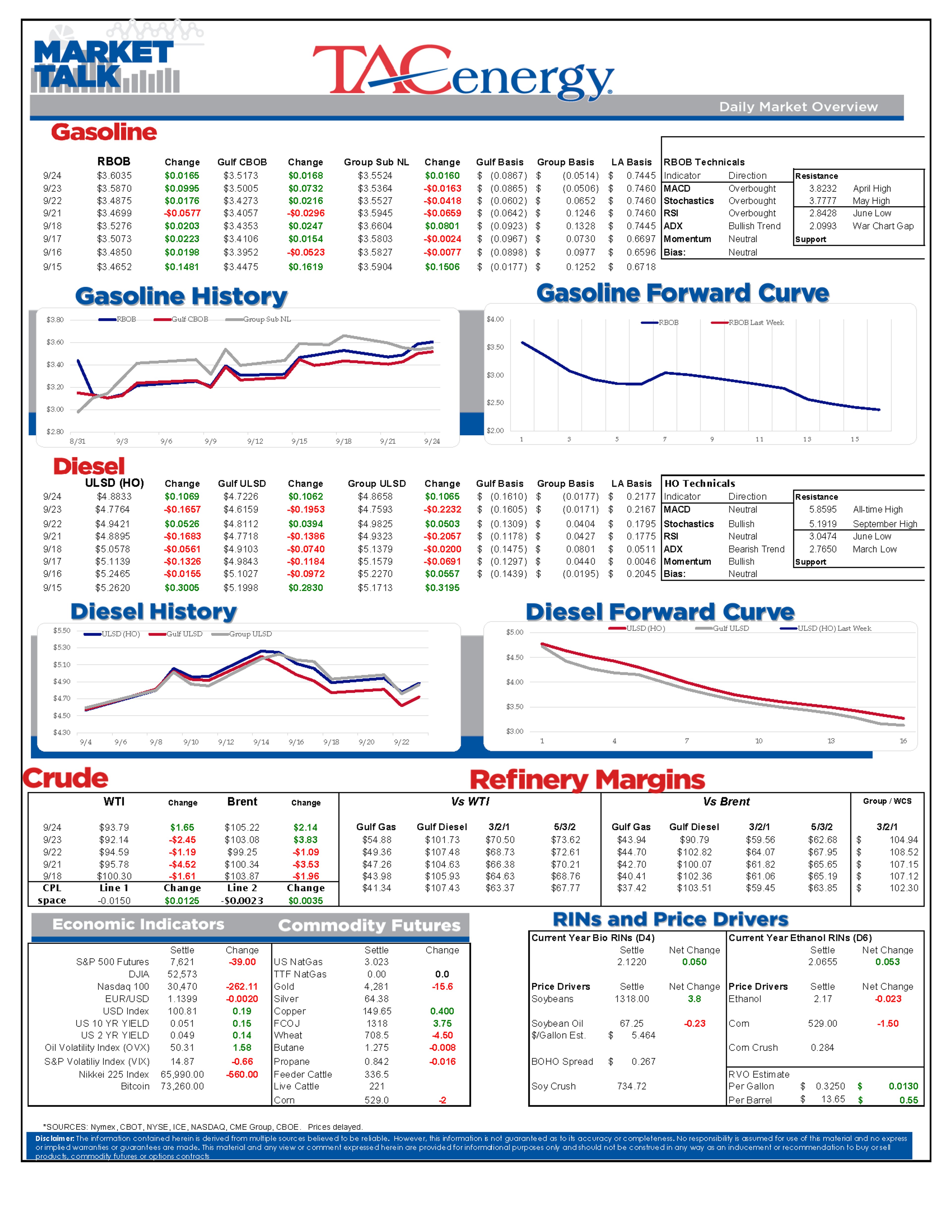
Diesel prices are leading the energy complex higher Thursday, with October ULSD futures up nearly 12 cents on the day, wiping out most of Wednesday’s big sell-off, as the world continues to debate both the merits and likelihood of potential restrictions on U.S. exports.
The U.S. Energy Secretary said on Wednesday that a ban on diesel exports would not work, throwing cold water on the President’s plans, but did suggest they may implement some partial restrictions and are pushing for “voluntary” caps on overseas shipments from U.S. refiners.
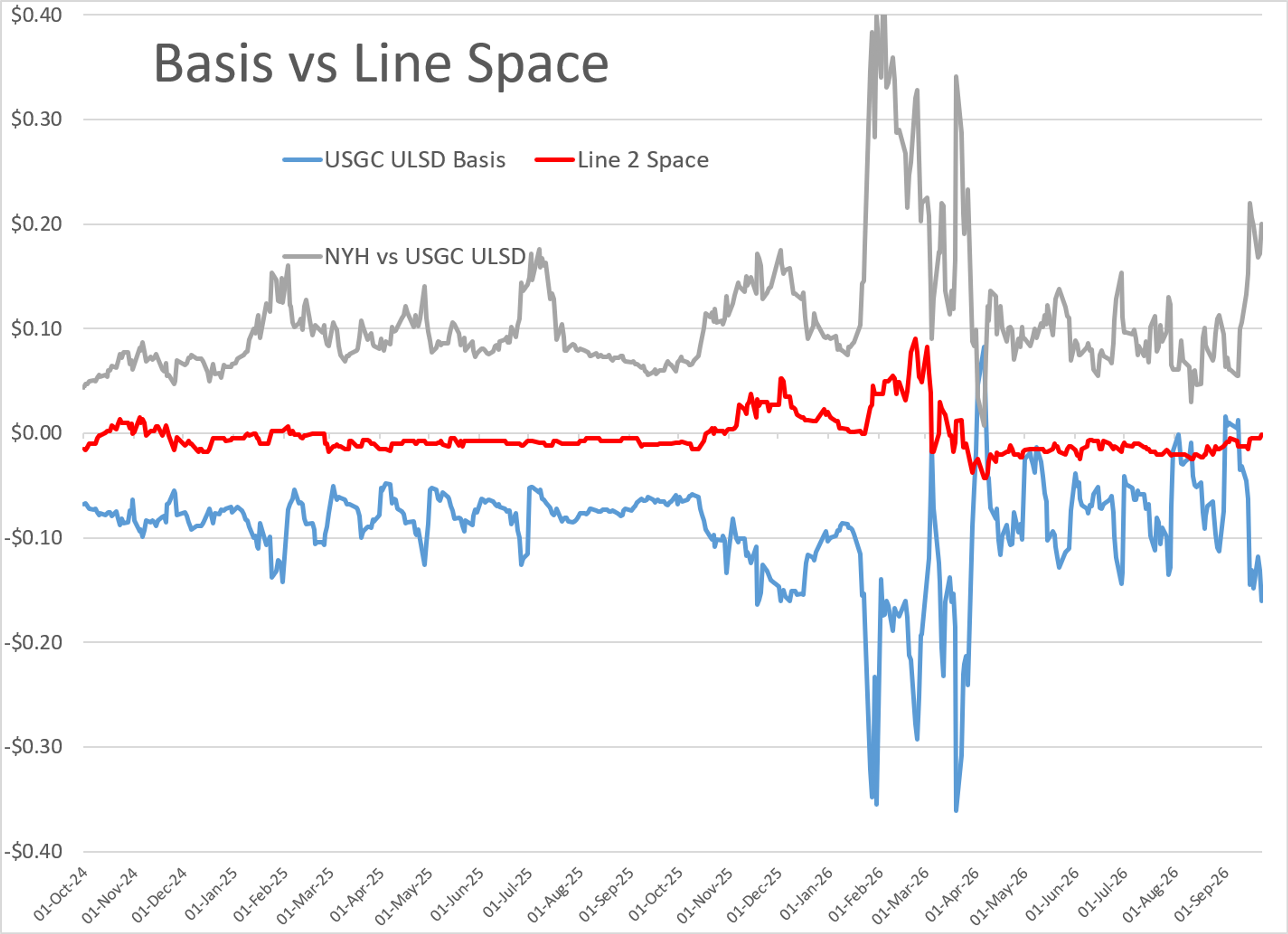
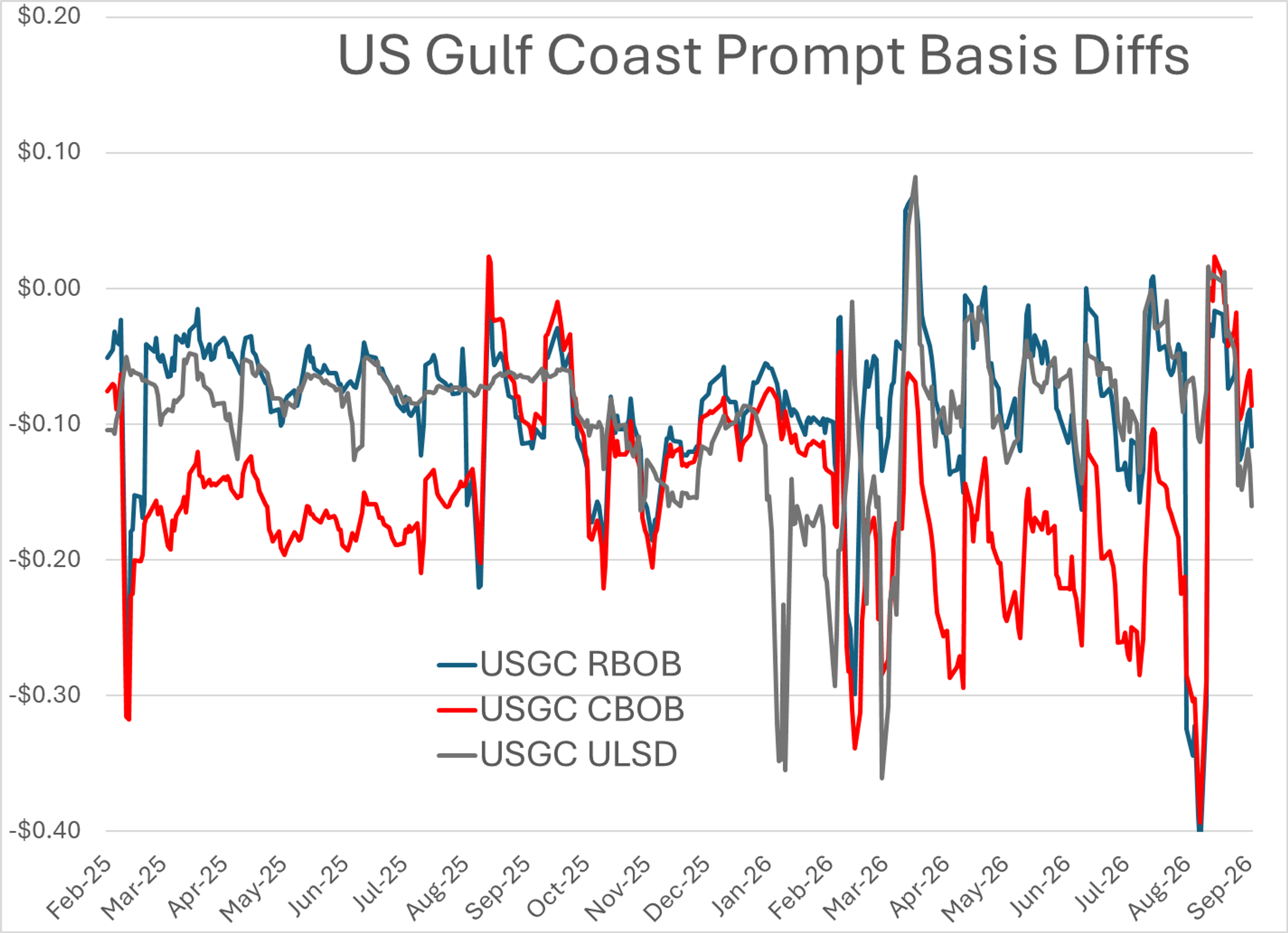
Gulf Coast ULSD basis differentials dropped to a 6 month low Wednesday after Colonial announced a freeze on nominations for line 2, its main distillate line that hadn’t been allocated for months, as traders suddenly want to secure space for their barrels domestically. Adding to the challenge for USGC refiners, PADD 3 inventories moved above their 5 year average last week, even while all other PADDs have inventories well below their seasonal range, which means there will quickly be containment issues if those facilities suddenly aren’t allowed to move their diesel overseas.
Could the EPA issue an emergency waiver of the RFS to help convince U.S. refiners to keep barrels at home? It wouldn’t be surprising as refiners have no doubt explained to the administration that one reason they rely heavily on exports is to avoid the 30+ cent/gallon cost of the RFS. RIN values actually ticked up Wednesday however, so the market clearly isn’t betting on that type of arrangement at this point.
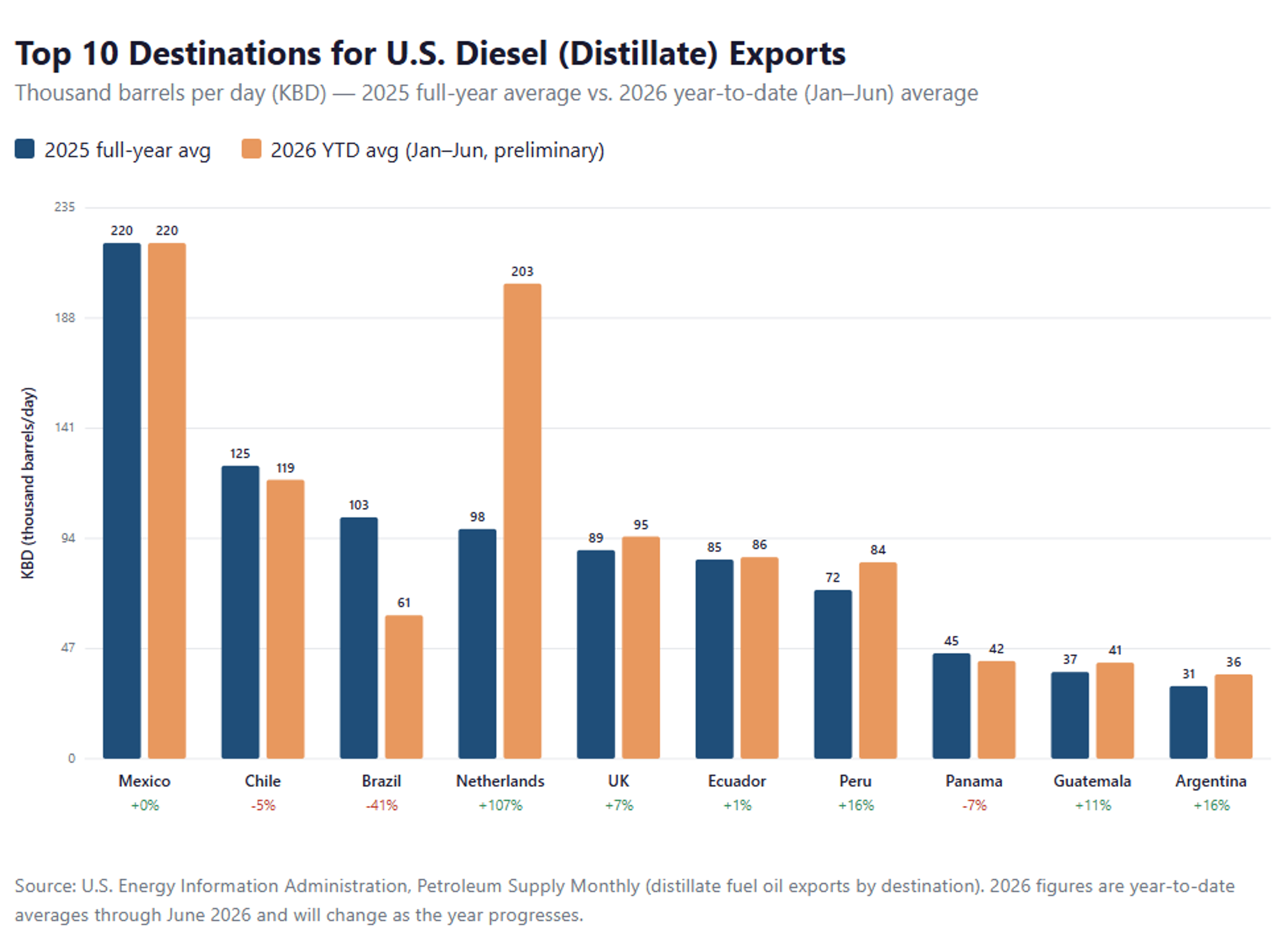
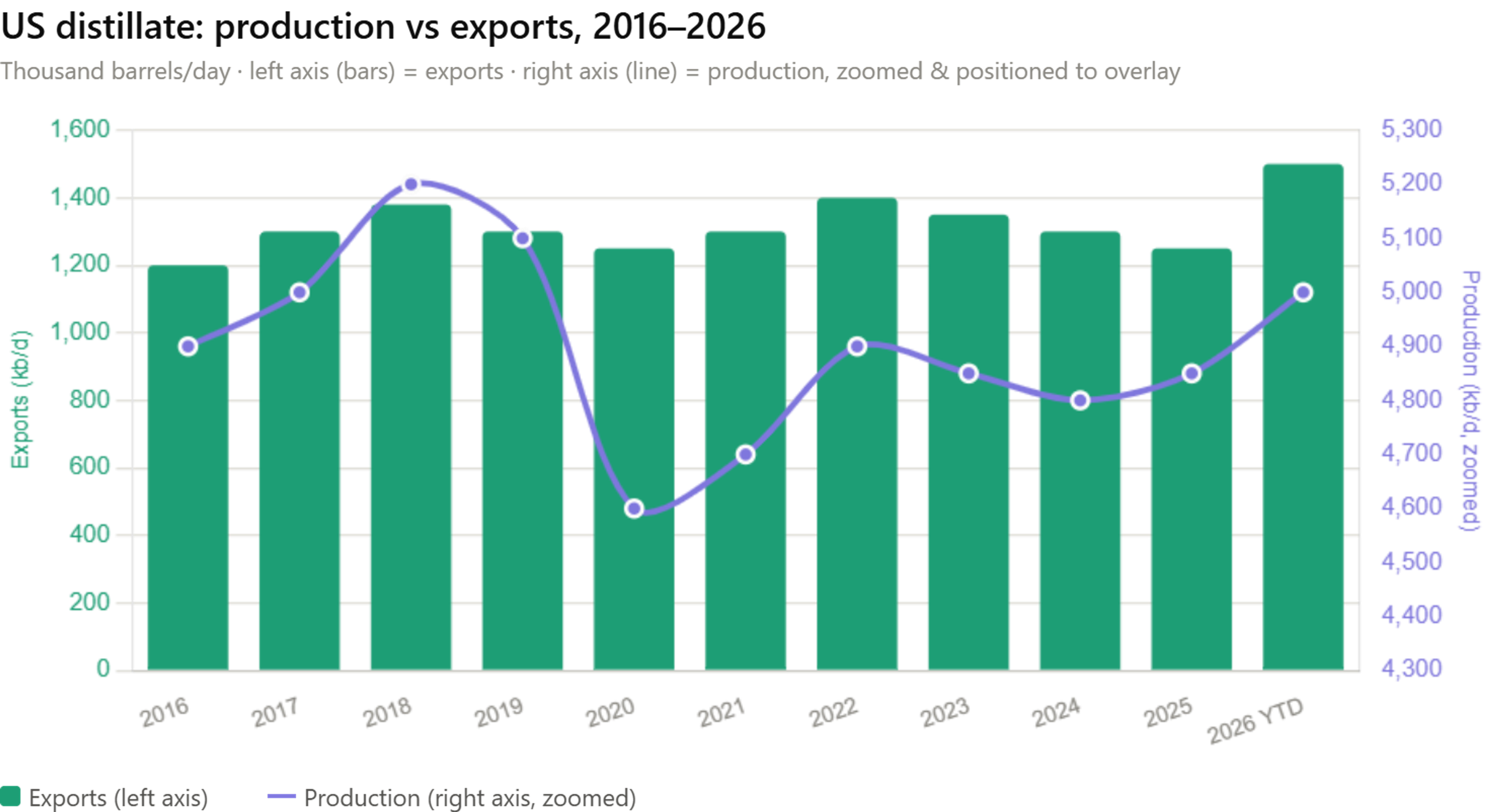
The chart below shows that Latin America and Western Europe would be the biggest losers in any sort of U.S. distillate export restrictions, with Mexico and the Netherlands taking nearly 1/3 of all exported barrels.
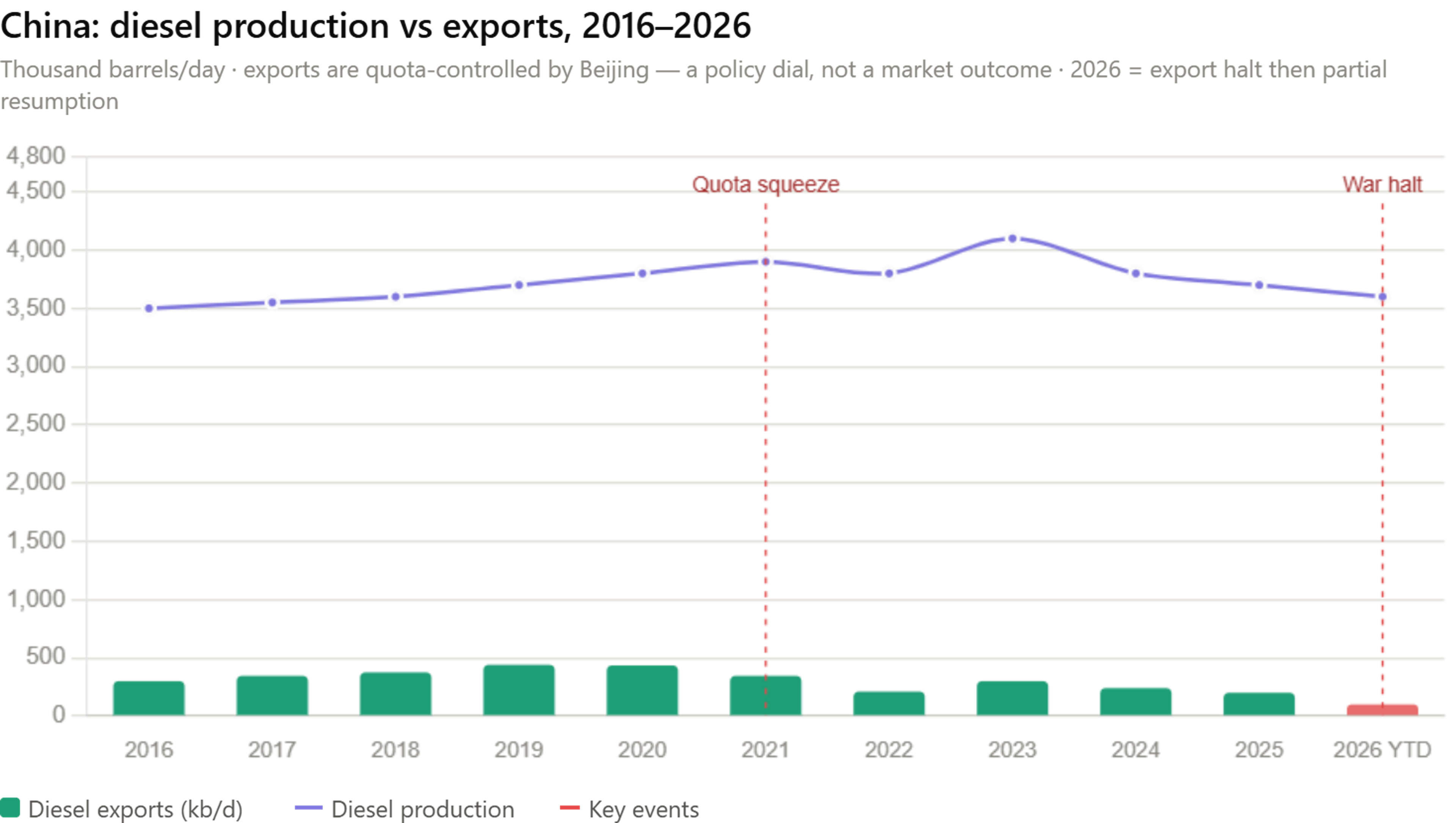
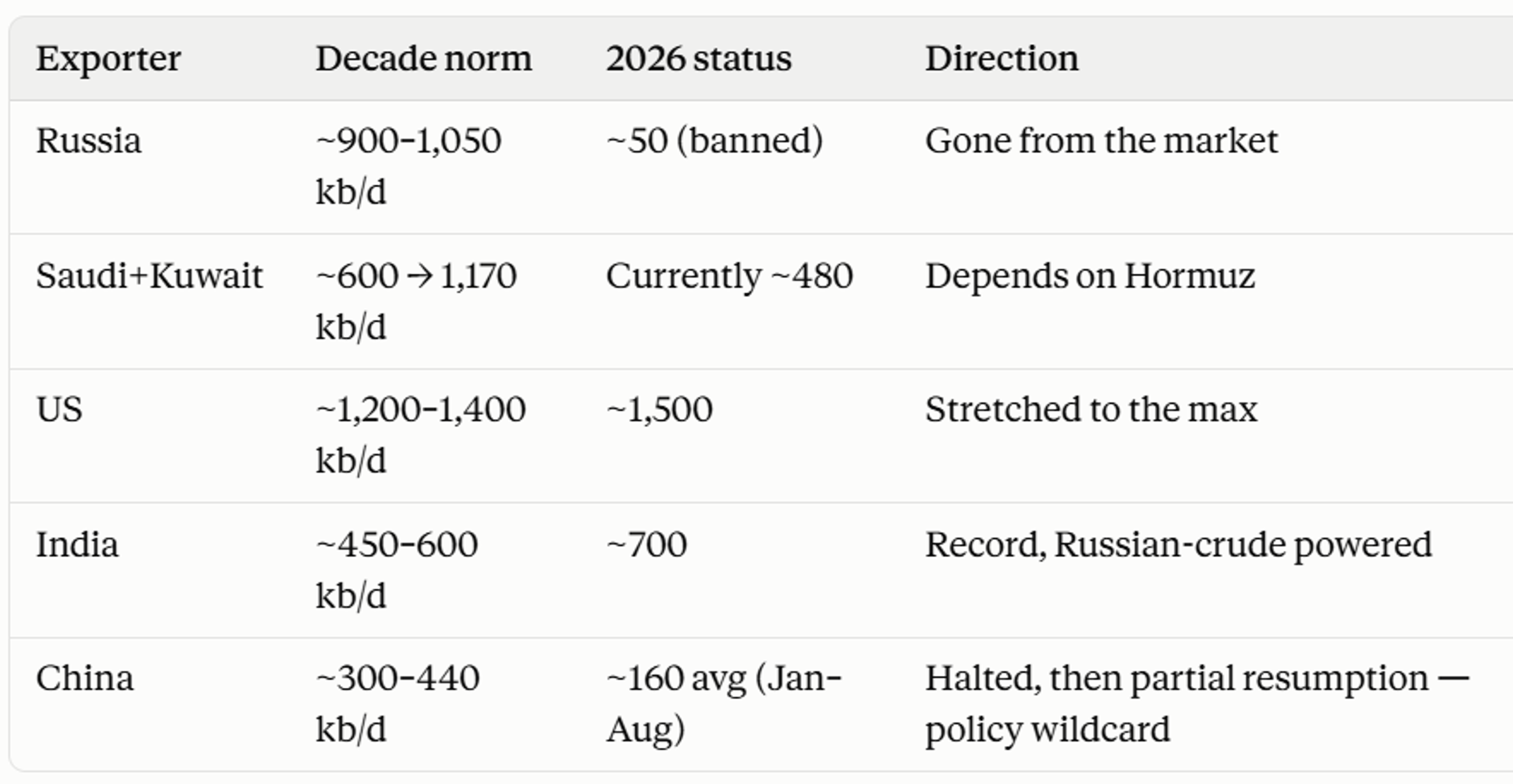
China to the rescue again? After getting well deserved credit for keeping oil prices in check earlier this year thanks to its stockpiling in 2024 and 2025, China is once again the go-to option for a world desperate for diesel supplies as their growing refining network has some of the only meaningful spare capacity around with the U.S. and India already maxed out. The question is, whether or not they will relax their own export restrictions implemented in the early days of the war. We’ve already seen higher distillate exports in August, and those could help alleviate some of the squeeze in Europe in the months ahead.
The Nor’easter sweeping the Atlantic coast this week is bringing plenty of rain and disruptions to vehicle and air traffic. The forecast models suggest the heaviest winds will stay offshore however, which should prevent any damage to energy infrastructure as it passes. The NHC is tracking 2 other storm systems in the Atlantic this week, but neither is a threat to the U.S. coastline.
Human Analysis of the DOE’s weekly status report below, charts and AI analysis are attached.
Crude stocks built as the import decline was offset by a larger drop in exports while refinery runs also slowed. Commercial stocks built heavily in PADD 2 but held below average along with PADD 5, while the other three regions continue to hold above average balances. The SPR releases have continued but in smaller amounts over the past two weeks, netting a build in total U.S. stocks for the first time in the past 6 weeks.
Refinery runs slowed significantly in PADDs 2 & 3, far outweighing the small increases elsewhere and resulting in the largest week to week drop of the year in total U.S. runs. PADD 2’s Exxon Joliet refinery was knocked offline 9/13 due to a power outage and is currently still working through a restart. Valero Port Arthur went down in PADD 3 on 9/15 due to a crude unit leak, 7/10 days expected for repairs. Despite the drop in PADD 3, run rates there are still at seasonal highs along with PADD 1 which is benefitting from Monroe’s Trainer PA plant coming fully back online. PADD 2’s decline sent rates below average, but from a seasonal high the week prior and only two weeks removed from an all-time high. Even with the large losses in the two most heavily contributing PADDs, total U.S. run rates are still holding at high levels historically as facilities try to maximize output in this huge margin environment.
The positive impact of lowered exports was overshadowed by increased demand causing a net draw in diesel stocks. PADD 2 was the main driver of the decline and now sits at the bottom of its 5-year seasonal range. The only region holding above average diesel storage is PADD 3 which last week’s increase pushed over, aided in part by an influx of imports for the first time since last September. The other 3 PADDs are still running under their 5-year ranges, leaving the total US in a similar position at about 15 million barrels below average.
Gasoline stocks drew as lowered production was met with increased demand. PADD 1 led the way down last week, now sitting at a level not seen since December last year. PADDs 1A (New England) and C (Lower Atlantic) both drew, particularly PADD 1C to offset a small build in PADD 1B (Central Atlantic). The other PADDs were little changed and with each still well below their 5-year averages, the total U.S. extends its streak of 14-year seasonal lows for a 12th straight week.
Jet fuel stocks increased slightly with softer demand. Exports picked back up after a 6-week stretch of declines, but production is at a seasonal high despite the pullback. All PADDs except 4 have above average inventories with PADD 2 at an 8-year seasonal high. In total, U.S. jet stocks are holding between 2024 & 2025 levels, nearly 3 million barrels above the 5-year average
Latest Posts
Week 38 - US DOE Inventory Recap
Refinery Economics Clash With Calls For A Diesel Export Ban
Diplomacy Knocks Crude Lower, But Diesel Bulls Aren’t Done Yet
Diesel Pullback Tests Market Nerves Amid Supply Risks
Diesel Strength Offsets Gasoline Weakness As Supply Concerns Mount
Diesel Under Pressure As Traders Discount Supply Disruptions
Social Media
News & Views
View All
Week 38 - US DOE Inventory Recap
Refinery Economics Clash With Calls For A Diesel Export Ban