Refined Products Lead As Global Supply Risks Keep Markets On Edge

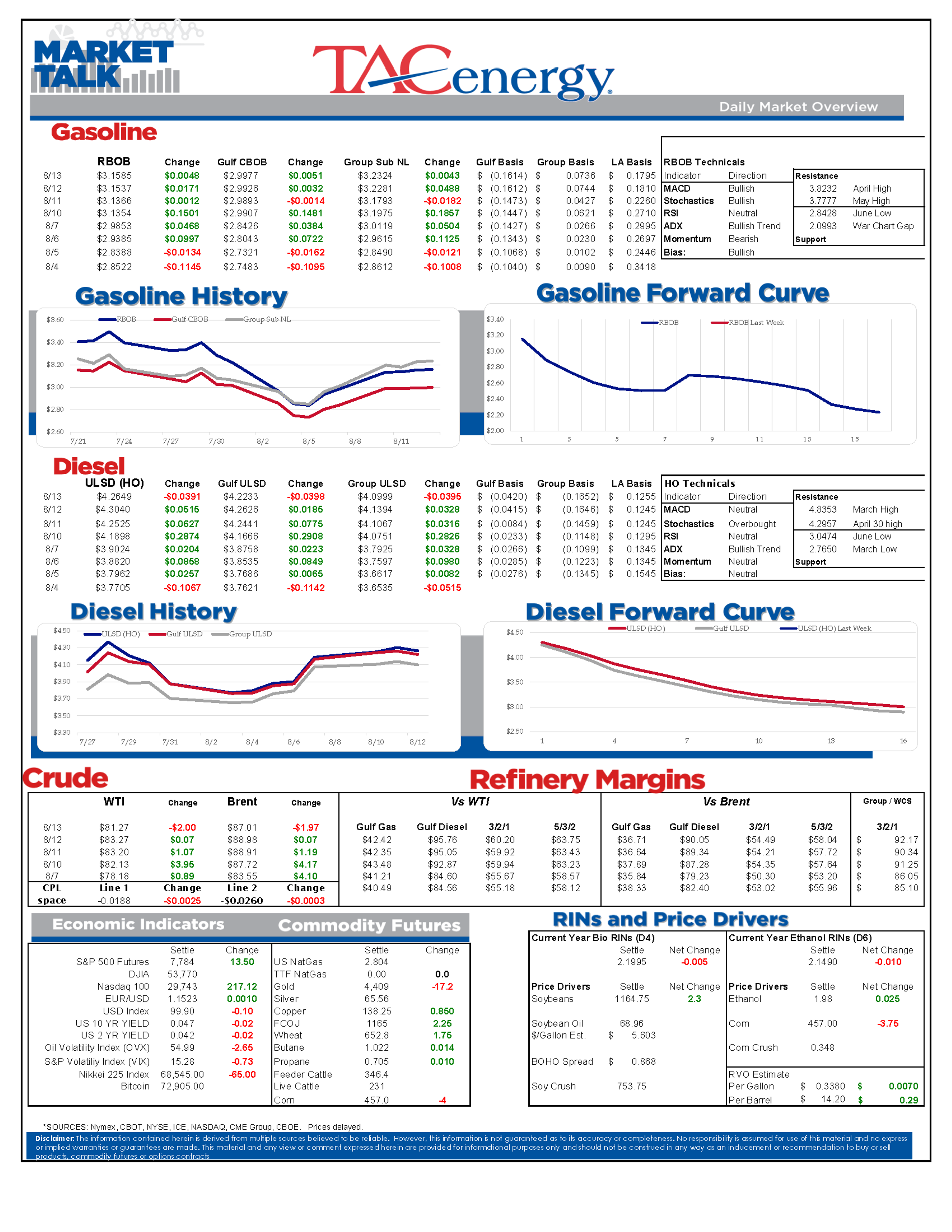
Reversal Thursday in effect? Most energy contracts are moving lower this morning, with only the September RBOB contract holding slightly higher levels, after a strong 3 day rally to begin the week. The pattern for the previous two sessions has been a cautious open leading to a strong close for refined products, and with little in the way of any effort towards progress to reopen the world’s most vital energy waterway, the path of least resistance seems to be higher prices despite today’s early pullback.
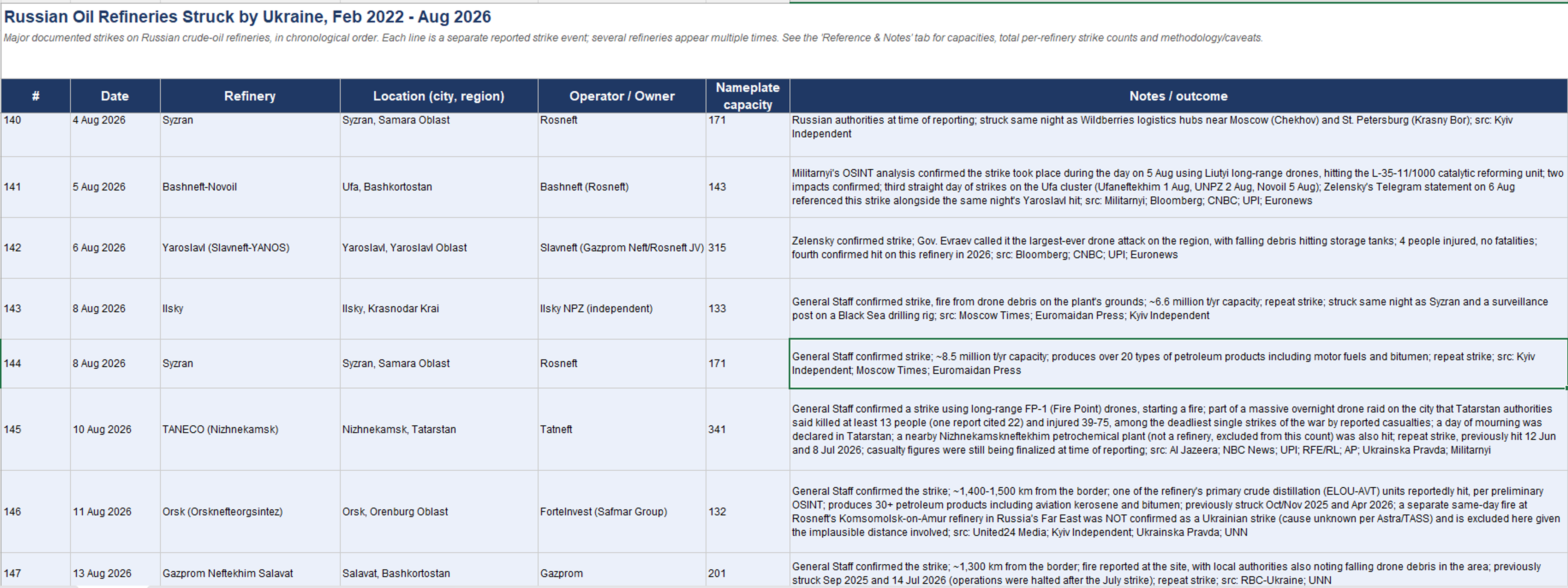
Ukraine’s long-range sanctions scored another win overnight, keeping up their record setting pace with 12 refinery strikes in 13 days to start the month. The latest strike hit the 200mb/day Gazprom plant in Bashkortostan some 800 miles from the border, which was hit 2 times previously since September 2025. In addition, Russian officials are saying that Tuesday’s strike against the 132mb/day refinery in Orsk will keep that facility closed for at least 6 months as parts needed for repairs aren’t available due to more traditional sanctions.
Who has the cards now? Ukraine has paused strikes on vessels at a Black Sea port after a reported request from the U.S. Vice President who appears to be taking a different tone with Vladimir Zelinski than he did last year. The reason for the request is that the drone strikes have backed up crude oil deliveries from Kazakhstan – which are partially owned by Exxon and Chevron – and are contributing to the ongoing global challenges of getting supplies out of the various war zones.
OPEC is conceding that global oil demand will not grow as quickly as previously forecast this year in its latest Monthly Oil Market Report, but actually moved its demand estimate for 2027 slightly higher. The report continues to sidestep any mention of the ongoing wars, instead mentioning “a diesel export ban in Eastern Europe and geopolitical developments” as factors tightening the refined product markets, most notably middle distillates. The report also forecasts a strong heating oil demand season in Europe and the U.S. which will further tighten diesel supplies.
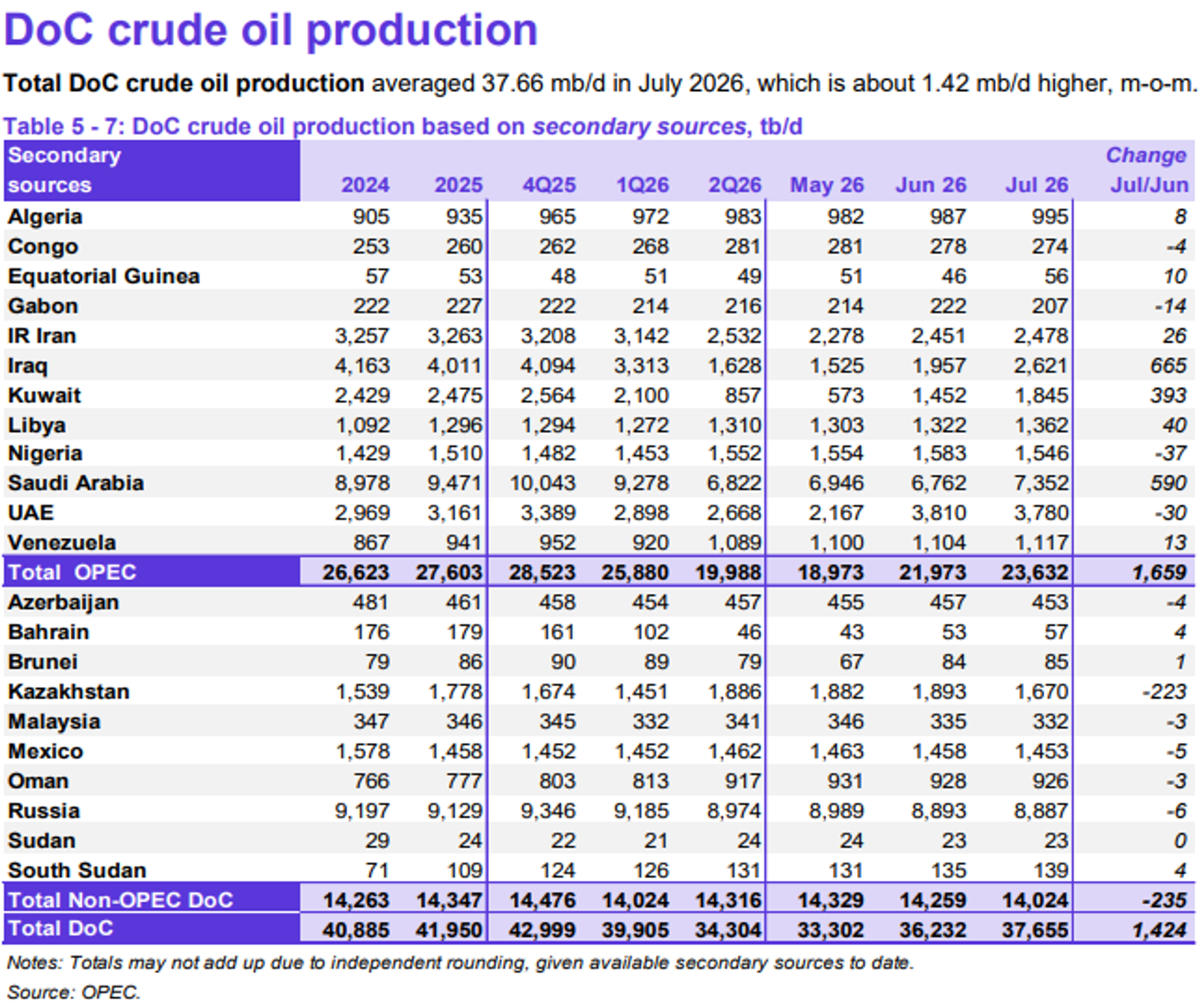
The cartel’s oil output increased by 1.6 million barrels/day in July as the temporary easing of restrictions through Hormuz allowed Iraq, Kuwait and Saudi Arabia to make up some ground, while the non-OPEC members of the DOC saw production drop by 235 thousand barrels/day due to the aforementioned restrictions on shipments out of Kazakhstan. Despite the bump in July, which we know has been erased in August, the cartel’s total output remains 4 million barrels/day (roughly 10%) lower than it did prior to the Iran war breaking out.
Consistent with their normal pattern the IEA sounded a much more bearish tone on oil demand than OPEC did in its monthly update, predicting a drop of 1.6 million barrels/day of global consumption, down another half million barrels/day from a month ago for 2026, before recovering to growth again next year. The OPEC rivals also explicitly note the wars numerous times in their outlook, citing those same factors in the rapidly tightening diesel market that pushed refining margins in the Atlantic basin to all-time highs in July. The IEA’s summary ends by stating that the urgency of reopening the Strait [of Hormuz] has increased, as previously available inventory buffers are rapidly depleting.
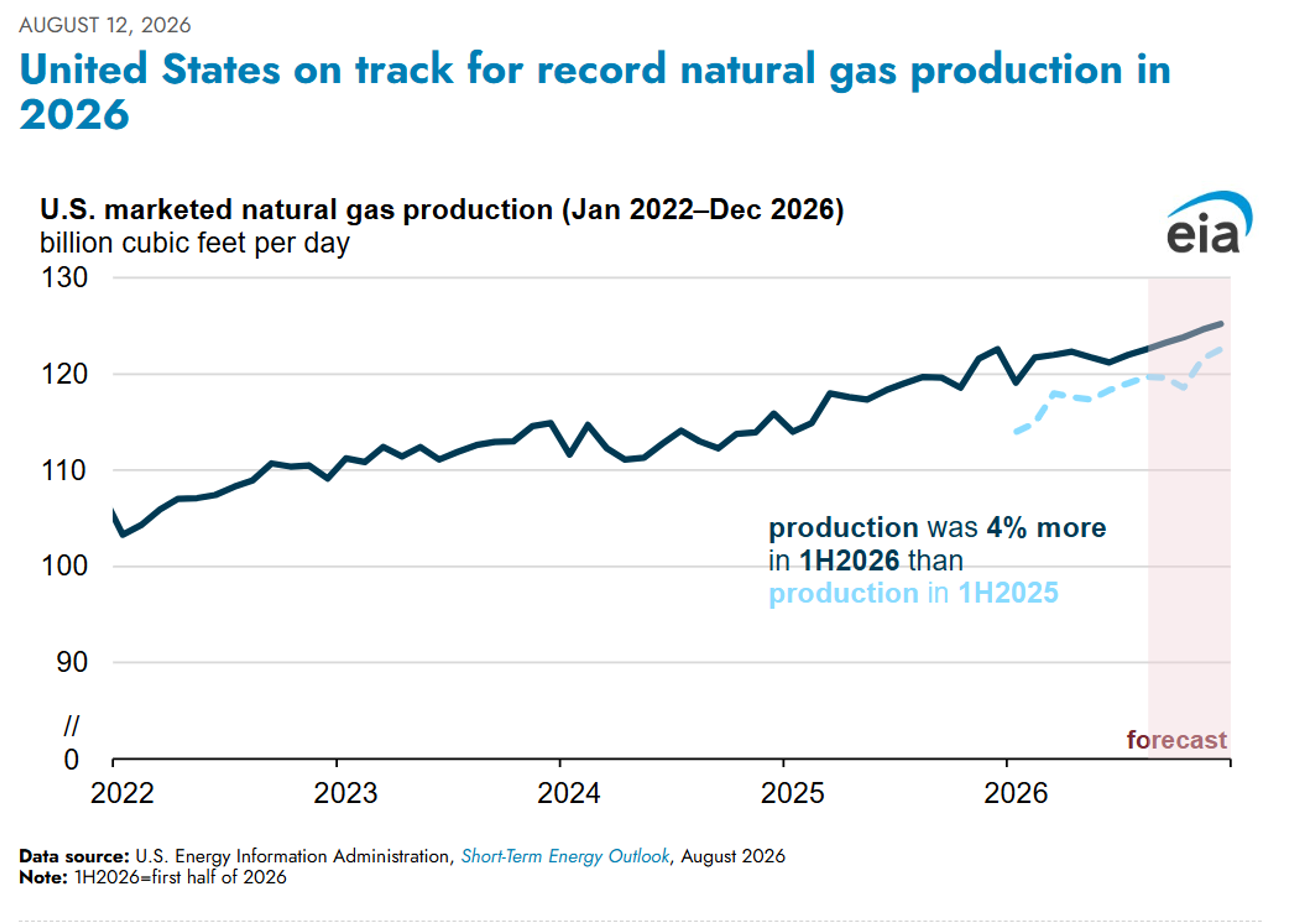
The EIA yesterday reported that U.S. natural gas production is set to reach an all-time high this year, despite declines in the natural gas rig count, as the race to produce more oil is brining plenty of nat gas along for the ride as well.
Exxon reported an upset at its 588mb/day Baytown TX refinery that occurred on Tuesday. According to the TCEQ filing, an unanticipated equipment shutdown in a flexicoker unit forced flaring is several different zones and lasted around 6 hours.
Human analysis of the DOE report below, charts and AI analysis of the report are attached.
The SPR drew below 300 million barrels for the first time since January of 1983, but the year’s largest increase in commercial crude stocks netted the first total U.S. stock build in the past 18 weeks. Exports dropped to their lowest level of the year as demand softened while imports shot up to a 7-year seasonal high. 70% of the import increase landed in PADD 3, aiding a huge +14-million-barrel stock build week over week. Total U.S. crude stocks are still sitting at 1983 levels, but it’s the first meaningful build since the war broke out.
Refinery runs picked up in PADDs 1-3 but slowed in 4 & 5 for a small overall increase. P66 Wood River began their restart in PADD 2 last week and has since returned to planned rates. Motiva’s Port Arthur facility in PADD 3 also began startup and restored its catcracker production over the weekend, continuing the trend of seasonal high run rates. No news on the declines in PADDs 4 & 5. Total U.S. refinery runs are just behind year ago levels at the top of the 5-year range.
Despite a big drop in estimated demand, diesel stocks were flat on the week as exports topped last week’s all-time high, moving the bar to 1,935 mb/day. Small builds in most PADDs were wiped away by a larger draw in PADD 1, mostly driven by PADD 1C (Lower Atlantic) dropping to a fresh seasonal low. All PADDs are still running below average levels, with all except PADD 2 under their 5-year ranges and holding the total U.S. about 14 million barrels below the 5-year average.
Gasoline stocks drew despite softer demand, but production slowed as well. PADD level changes were fairly tame, the largest being the decline in PADD 3 where inventories are nearly 3 million barrels below the 5-year range. PADD 2 is also running well below the 5-year range, even with imports to the region hitting a seasonal high last week. PADDs 1 & 4 are at the low end of their ranges, leaving PADD 5 as the only region remotely close to average levels but still about 200k barrels shy. In total, U.S. gas stocks fell to their lowest value of the year, a 14-year seasonal low.
Jet fuel stocks declined across the country outside of a negligible build in PADD 2. Imports shot up but exports held at seasonal highs while demand increased substantially. Total inventories dropped back into the 5-year range but are still about 2.3 million barrels above average.
Latest Posts
Storms, Drones And A Walked-Back Export Ban: Why This Week's Selloff Might Not Last
Diesel Rally Resumes Amid Growing Debate Over US Export Limits
Week 38 - US DOE Inventory Recap
Refinery Economics Clash With Calls For A Diesel Export Ban
Diplomacy Knocks Crude Lower, But Diesel Bulls Aren’t Done Yet
Diesel Pullback Tests Market Nerves Amid Supply Risks
Social Media
News & Views
View All
Storms, Drones And A Walked-Back Export Ban: Why This Week's Selloff Might Not Last
Diesel Rally Resumes Amid Growing Debate Over US Export Limits