Oil Contracts Are Leading The Move Lower, Off 4% This Morning After Dropping 2% Yesterday

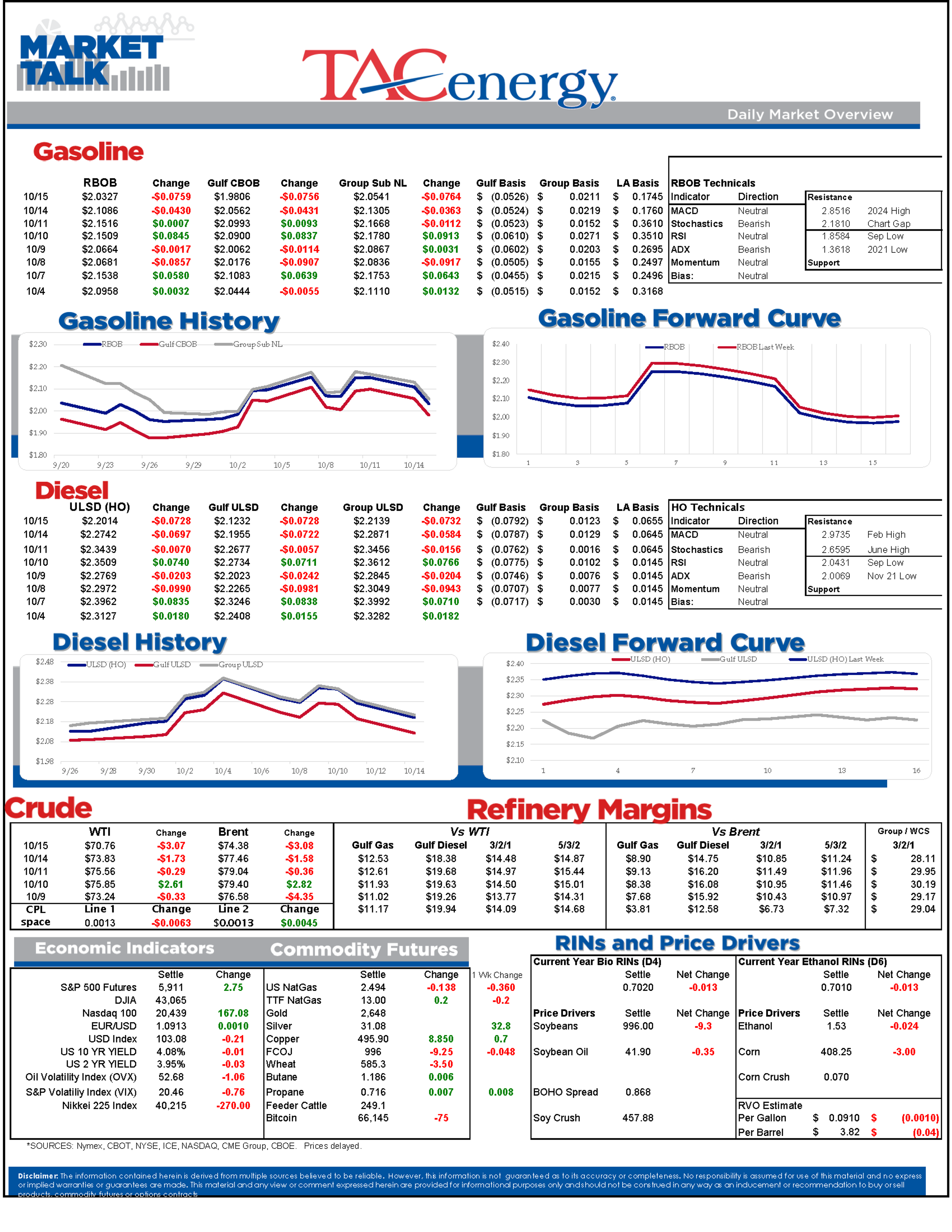
The meltdown is on for energy markets this week after Israel assured the US that it will not target Iran’s energy infrastructure in its upcoming retaliatory attacks. Oil contracts are leading the move lower, off 4% this morning after dropping 2% yesterday, while diesel prices are down 7 cents for a 2nd straight day and gasoline prices have the lightest losses of the complex down “just” 12 cents so far this week.
Adding to the bearish sentiment Monday was OPEC’s monthly market report that once again lowered the global demand outlook for oil for both 2024 and 2025, while the cartel’s estimate for supply remained unchanged.
The IEA, which has been notably more bearish than OPEC, continues to beat the demand slowdown drum in their monthly update released this morning, noting that China is accounting for just 20% of global demand growth this year vs 70% last year. The IEA also highlighted how a sharp drop in refining margins will keep a lid on output for the next year, while OPEC and Friends’ spare oil production capacity sits near all time highs.
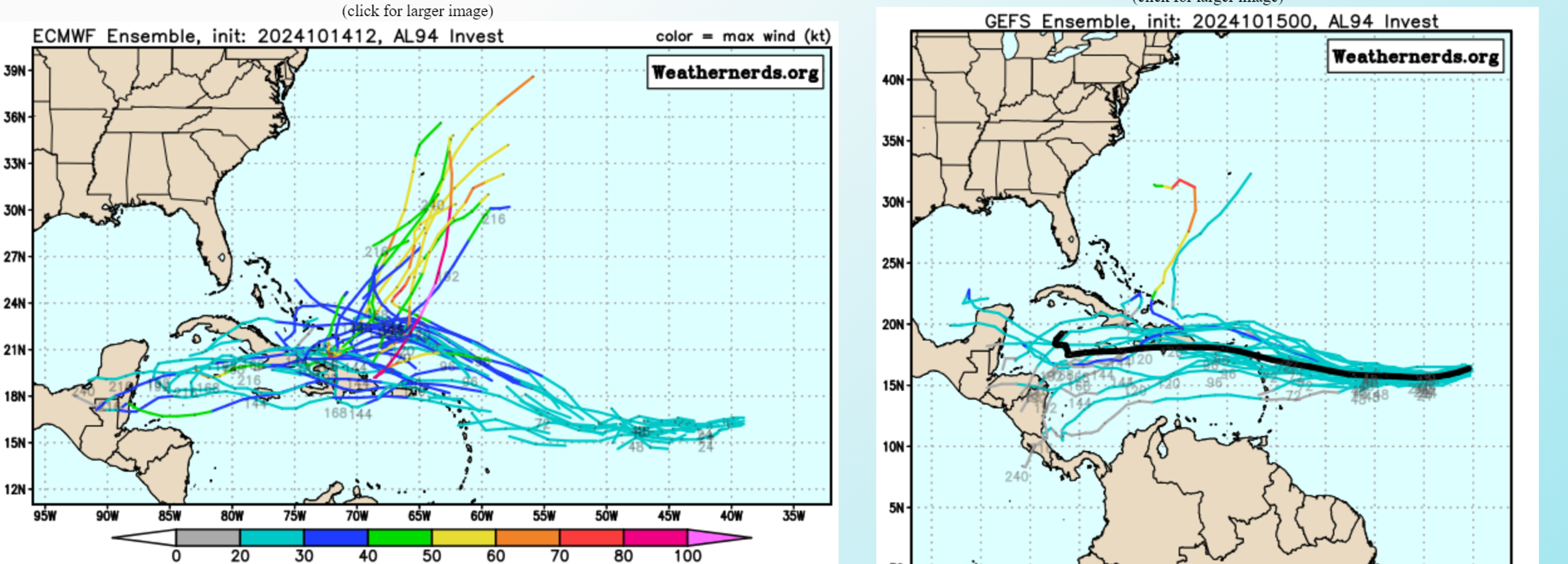
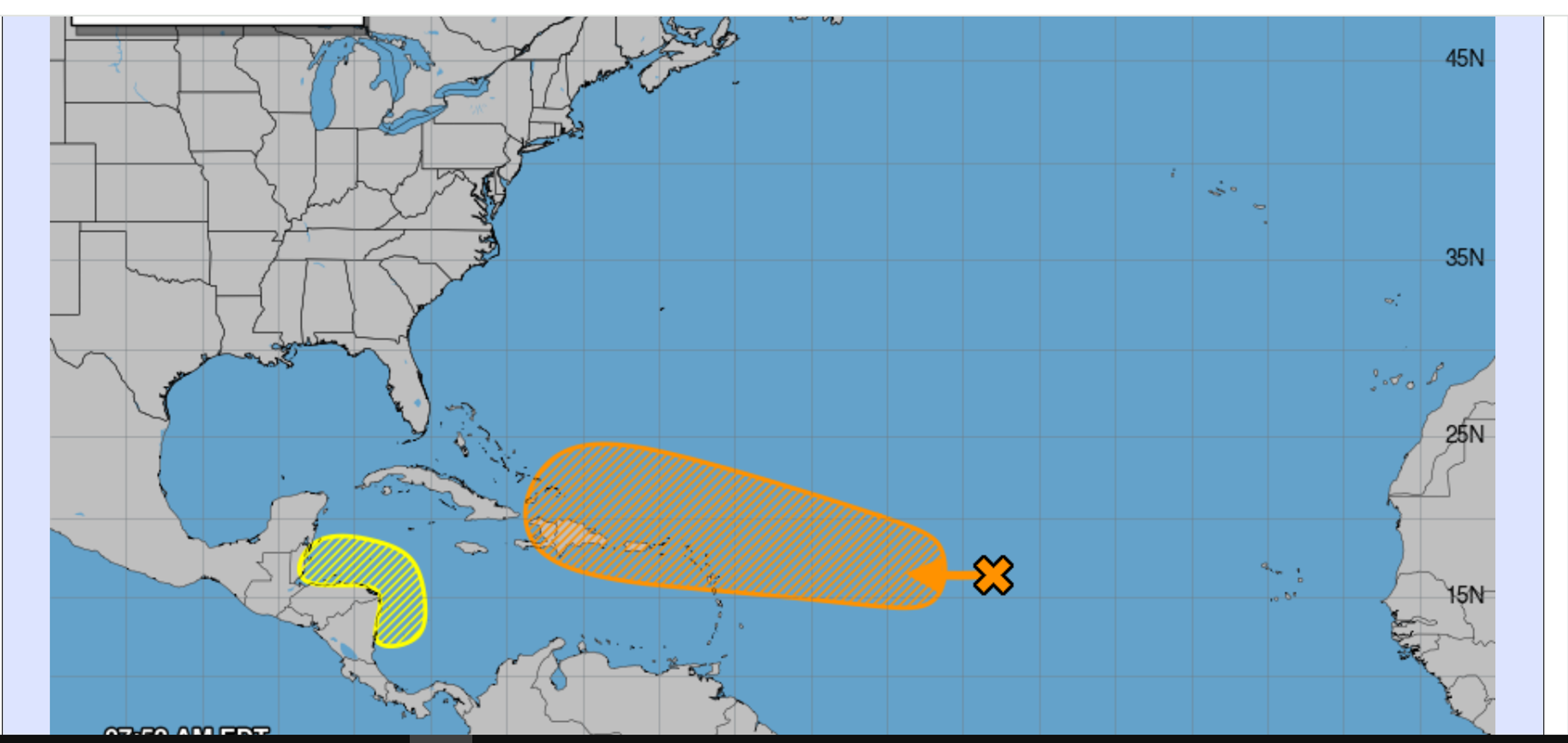
The NHC is tracking 2 potential storm systems in the Atlantic this morning, neither one is given high odds of developing, but both will be watched closely by those still struggling to recover from the recent storms.
Flint Hills reported an upset in an FCC unit at its Corpus Christi refinery Monday after a boiler lost power. It appears that upset was contained and didn’t impact other operations.
Latest Posts
Oil And Diesel Rally On Escalating Infrastructure Attacks
Energy Markets Pause After Historic Rally As Supply Risks Persist
$5 Diesel Now Feels Inevitable: ULSD Blasts Past March Highs, No Resistance in Sight
Week 36 - US DOE Inventory Recap
Brent Tops $100 As US Iran Tanker Strikes Escalate, While Gasoline Backwardation Is Deflating
Attacks On Refineries Are Now 'Shockingly Ordinary', And The Market Is Underpricing The Risk
Social Media
News & Views
View All
Oil And Diesel Rally On Escalating Infrastructure Attacks
Energy Markets Pause After Historic Rally As Supply Risks Persist