Volatility Returns As Traders Weigh Storm Risk And Global Supply Threats

Energy markets are wrapping up another rollercoaster week of trading with a wave of selling to start Friday’s session. A favorable shift in the Hurricane’s path, and the U.S. pressing pause on its war with Iran are both getting credit for the pullback after making strong gains on Thursday.
Yesterday’s big rally was briefly knocked off-course after the U.S. President walked back tough talk from a rally the night before and said the U.S. would NOT attack Iran prior to the mid-term elections in 3.5 weeks. The market resumed its rally shortly thereafter in what could be acknowledgement that the U.S. seems to be preparing for a fresh round of attacks on Iran in 3.5 weeks.
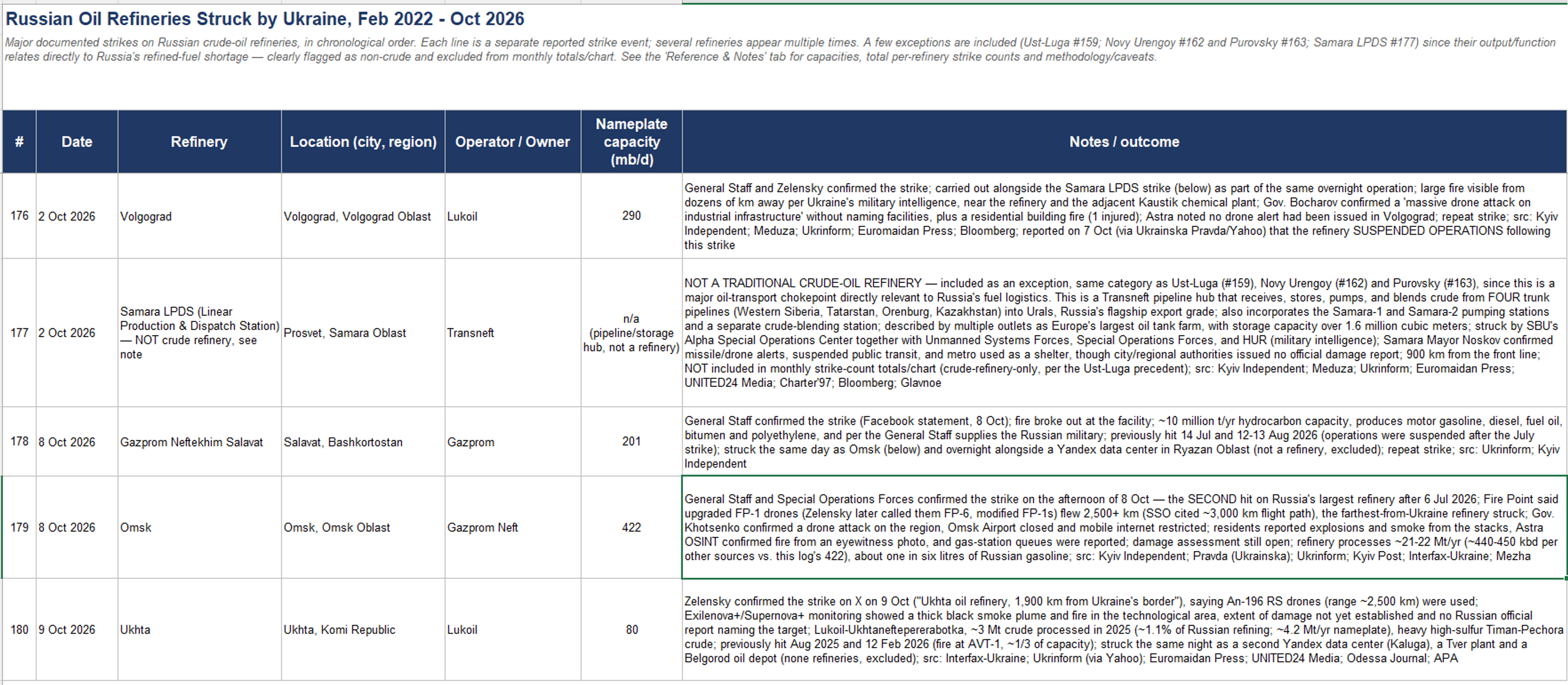
Ukraine’s drones have struck 3 Russian refineries in the past 2 days, ramping up their attacks – as their President promised last week – after a brief lull. The most notable strike hit Russia’s largest refinery, the 440mb/day Omsk facilities that lies more than 1,500 miles from the border. The drone attacks are also targeting other fuel distribution assets, and now data centers.
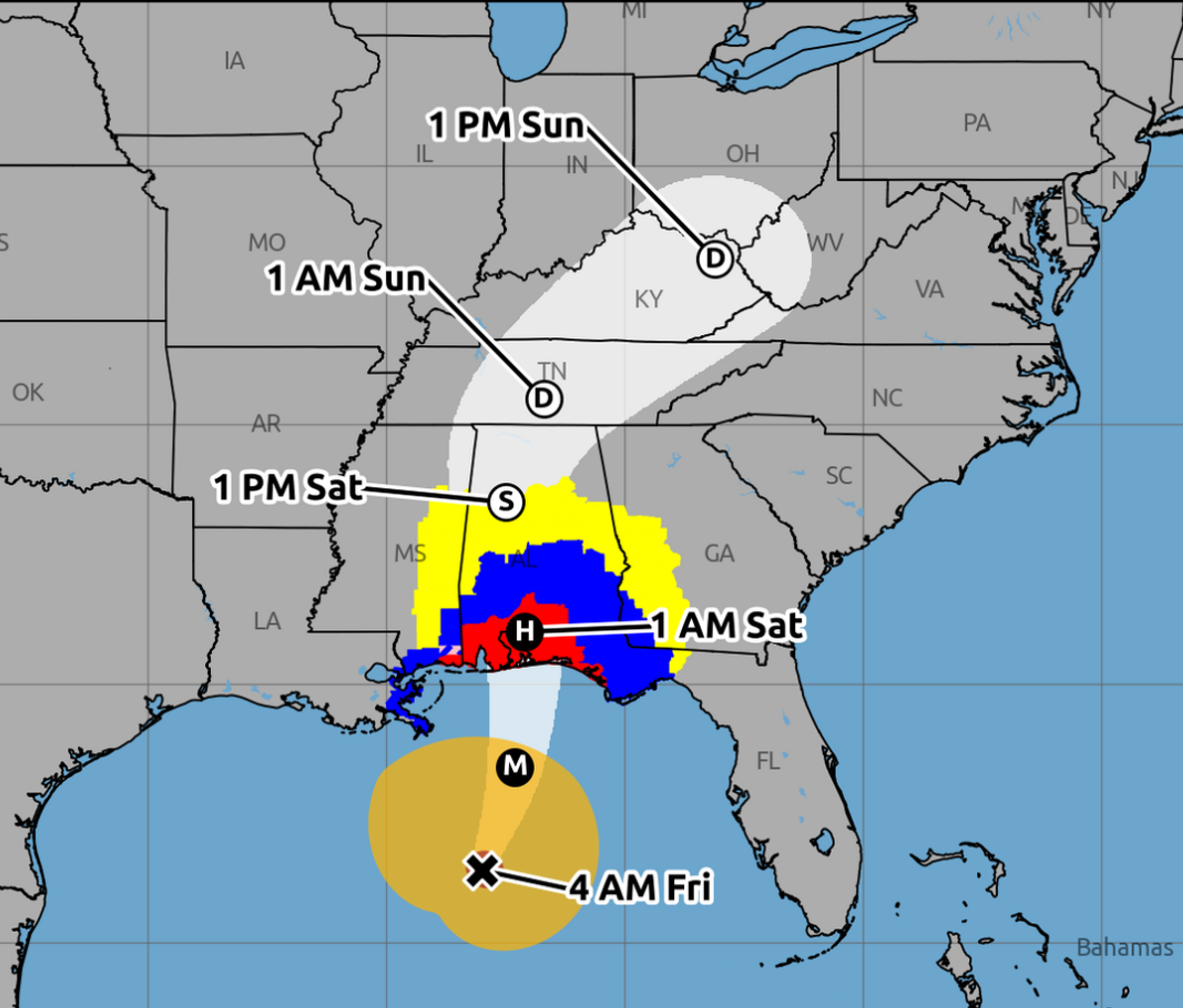
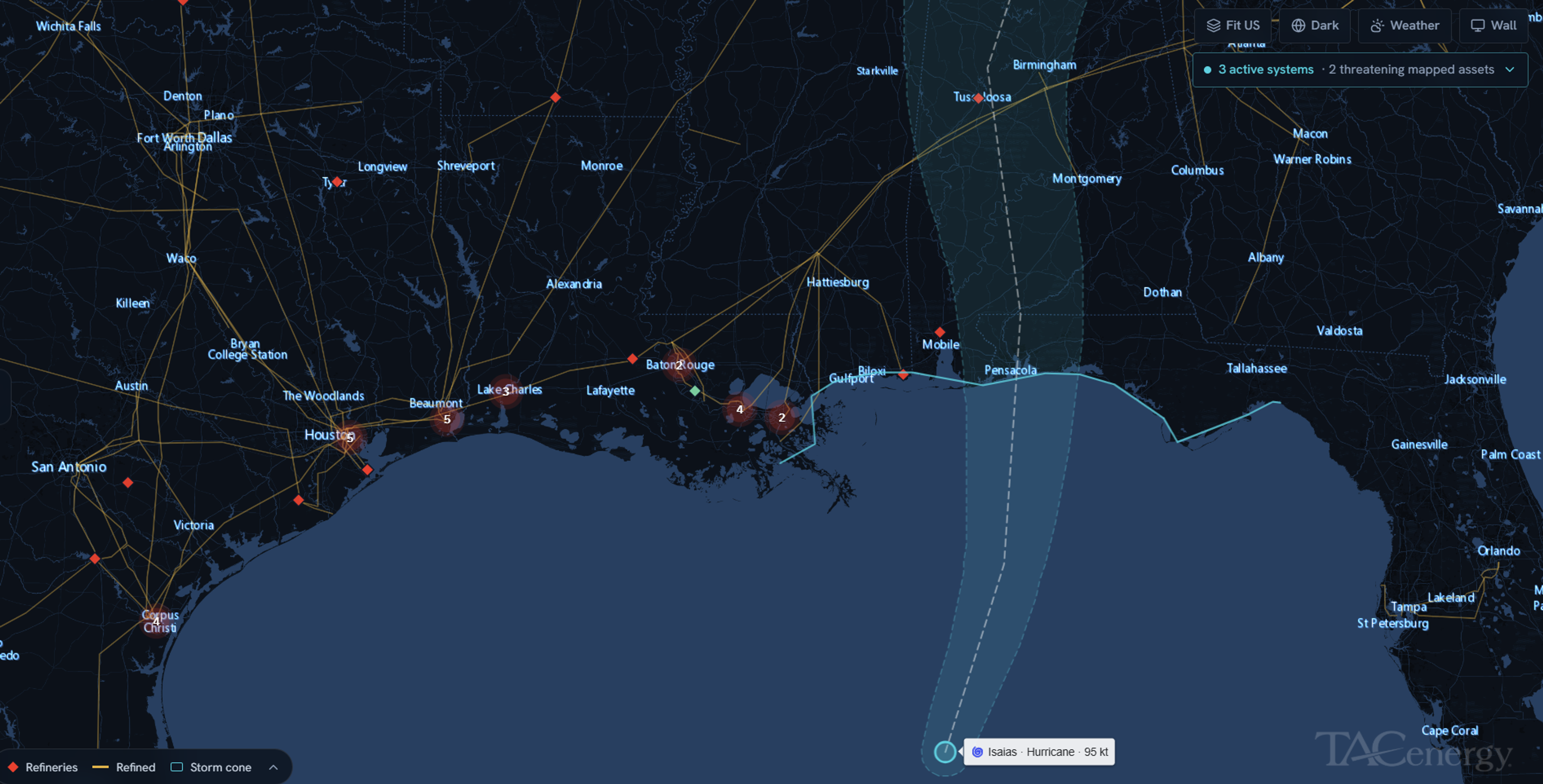
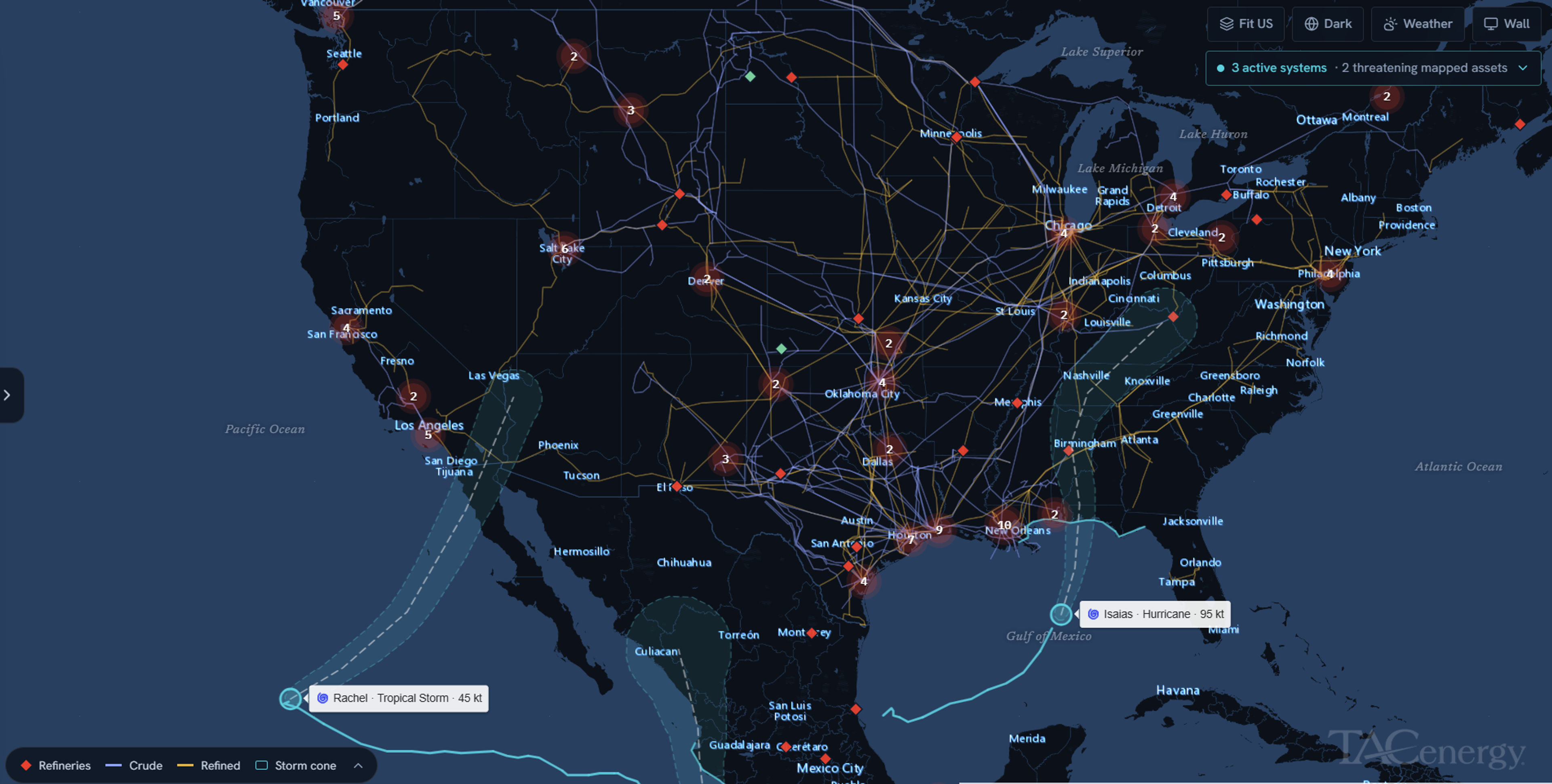
Hurricane Isais strengthened to a category 2 storm, and is expected to reach category 3 status today before making landfall overnight near Pensacola Florida.
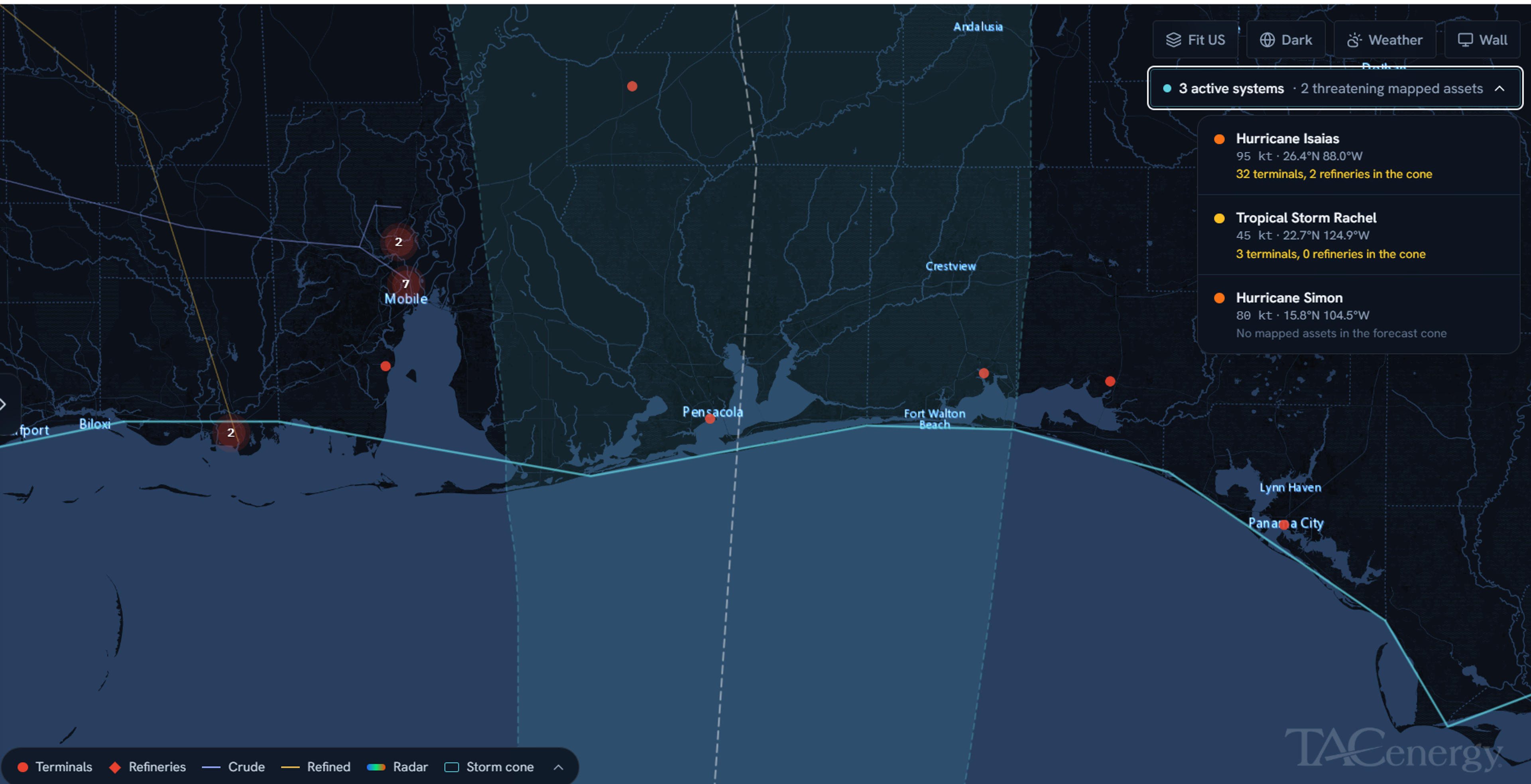
The storm has made another shift east in the past 24 hours, which is significant as it moves both the 350mb/day Pascagoula and 75mb/day Mobile refineries out of the storm’s path. While power outages or storm surge could still be a threat at those facilities, the odds of damage drop significantly as they move farther to the clean side of the system where winds will be pushing water back out to sea, not inland. The shift east also reduces the potential damage to offshore oil infrastructure that’s clustered further West, so expect that output to resume soon after it passes. Yesterday’s reports suggested that roughly 2/3 of offshore output had been shut-in ahead of the storm.
While the shift east is good news for oil production and refining, it’s is bad news for the fuel terminals in Pensacola, Niceville, and Freeport FL as they’re now staring at some of the worst potential impacts from this storm. The latest forecasts suggest the Transmontaigne terminal in Pensacola could take a direct hit, while Citgo’s Niceville terminal looks set to feel the wrath of the storm’s north east quadrant. Expect both those facilities to shut operations ahead of the storm to try and protect their tank walls.
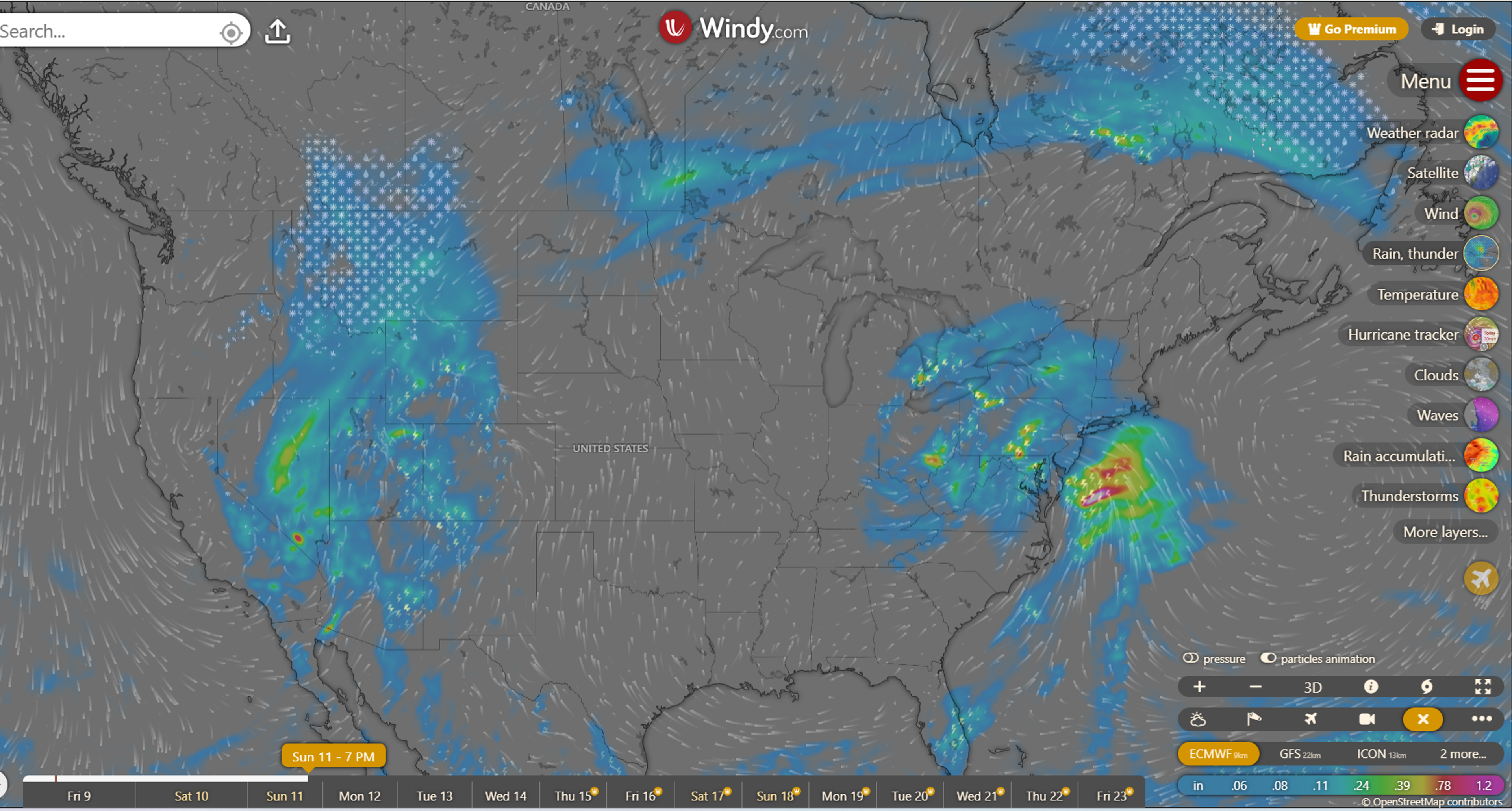
It’s going to be a rainy weekend for large parts of the country as the remnants of Isaias move inland and spawn thunderstorms from the Ohio Valley to the the East Coast and the remnants of Tropical Storm Rachael drop rain across the SW and snow further north.
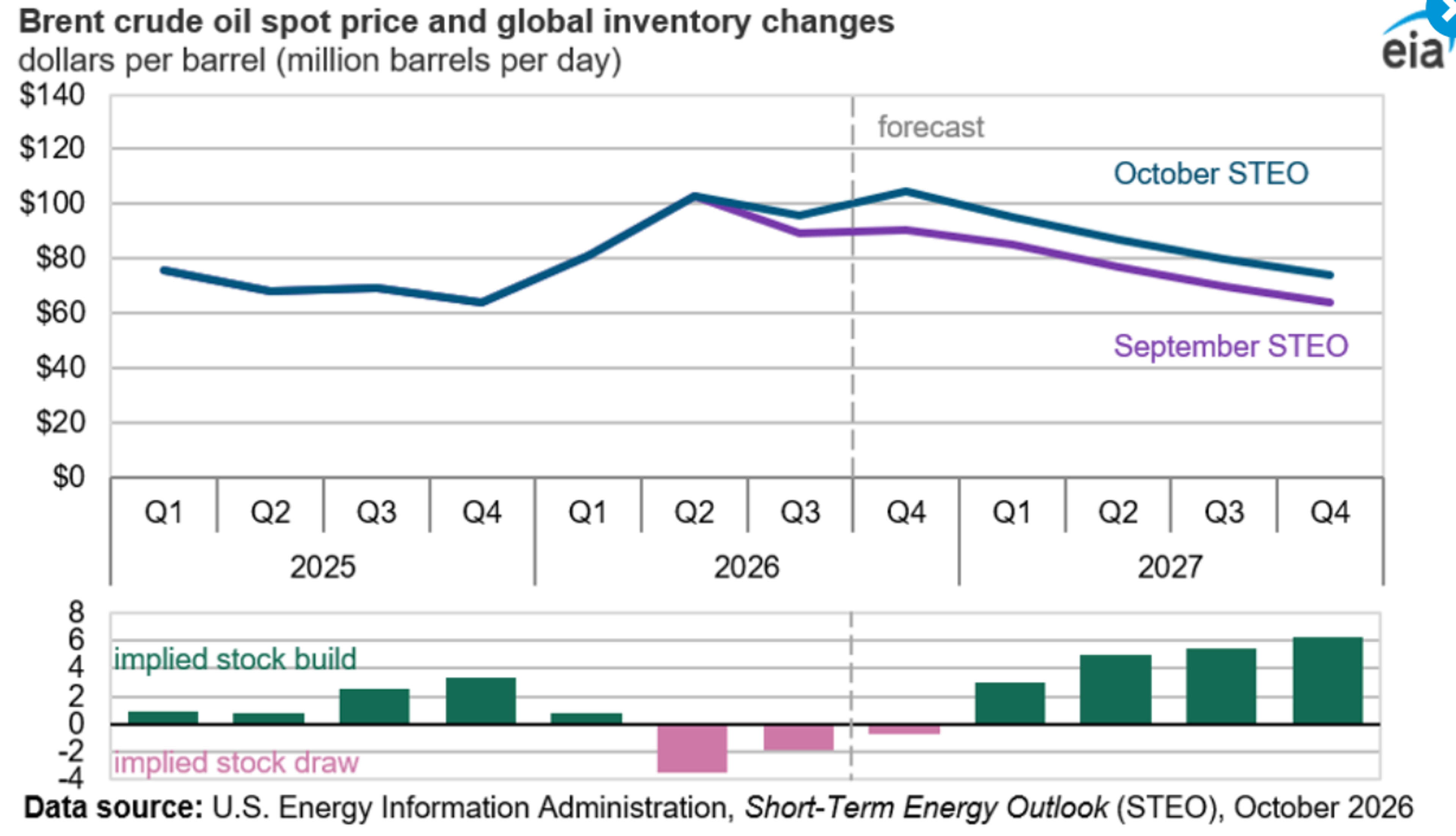
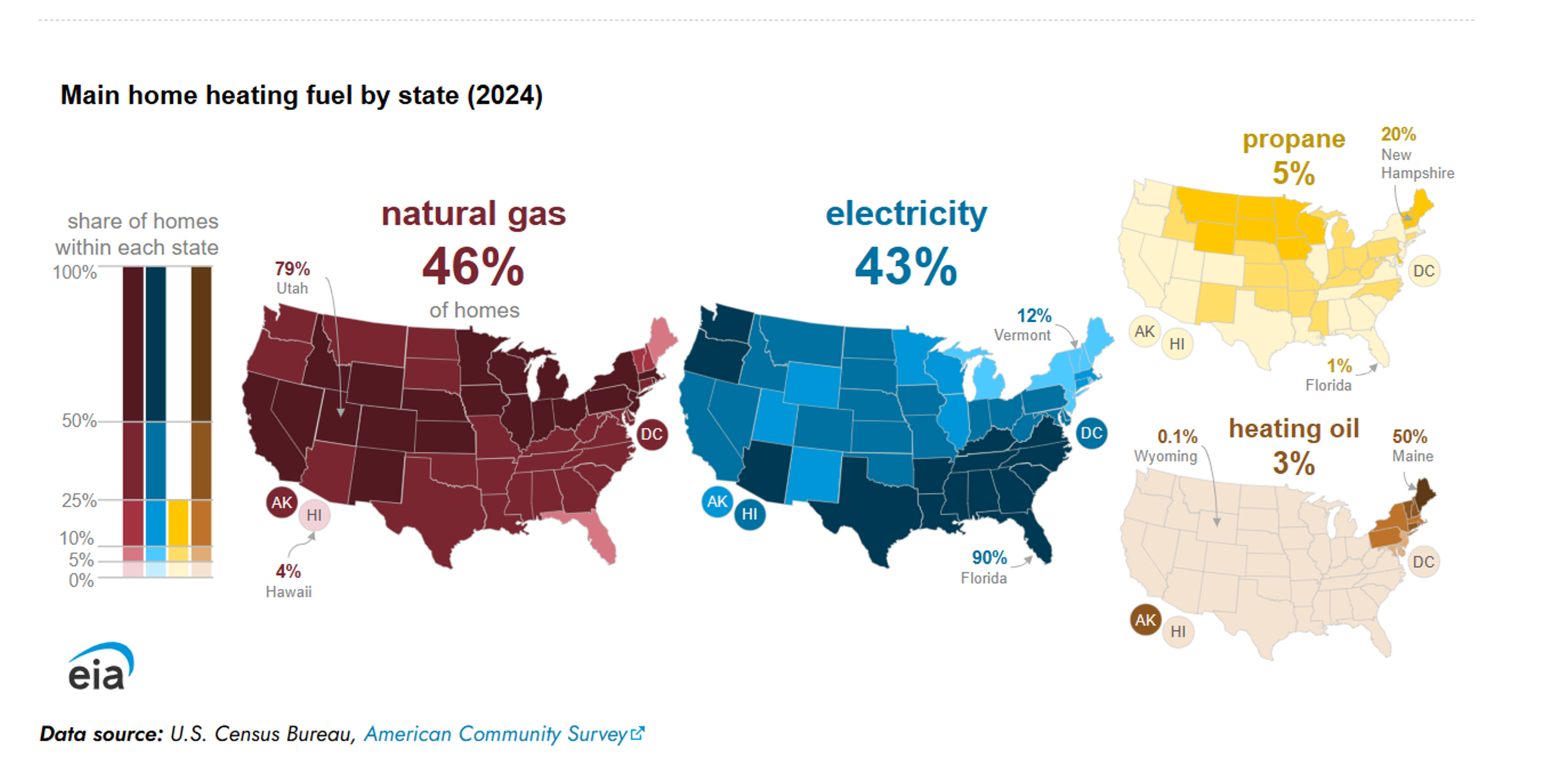
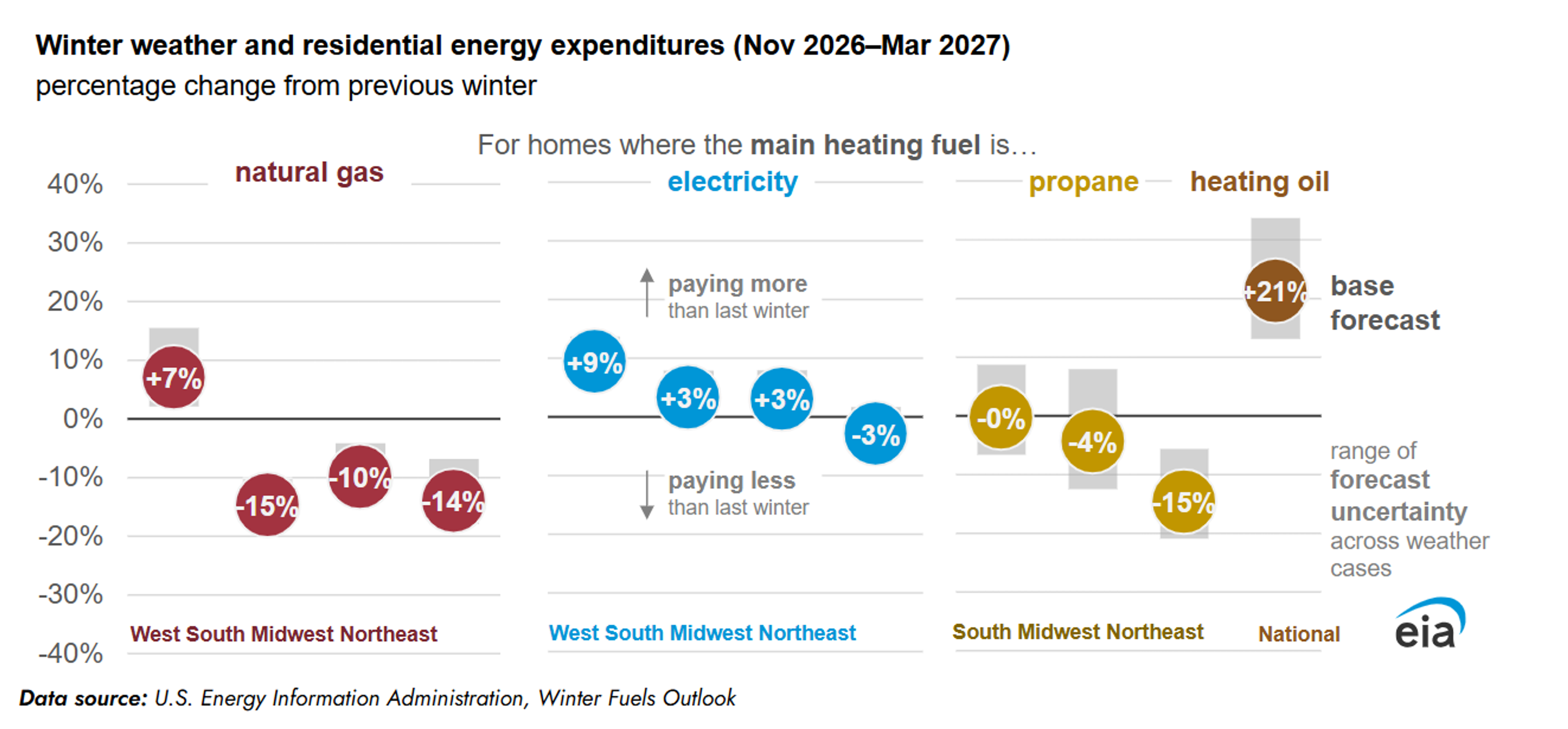
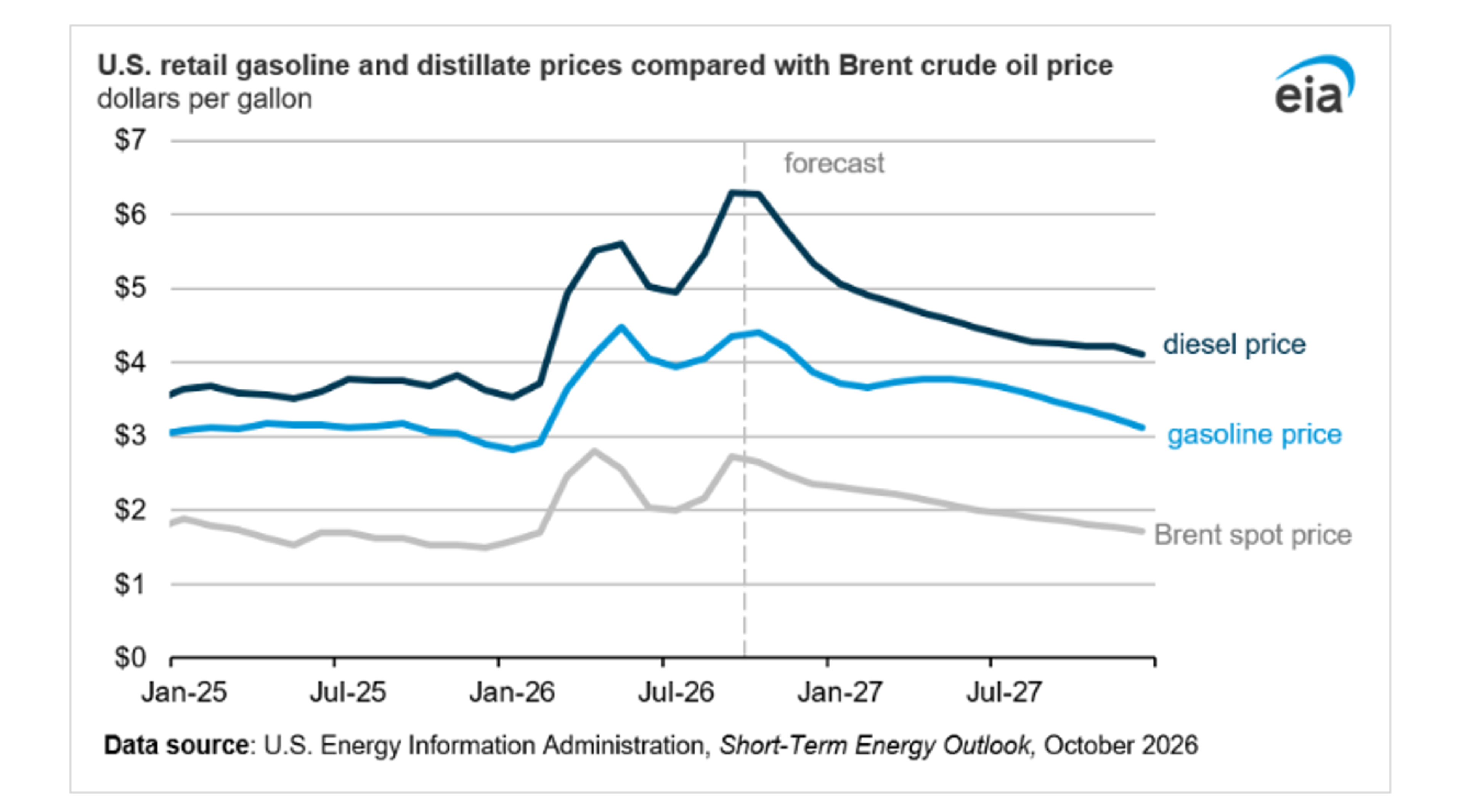
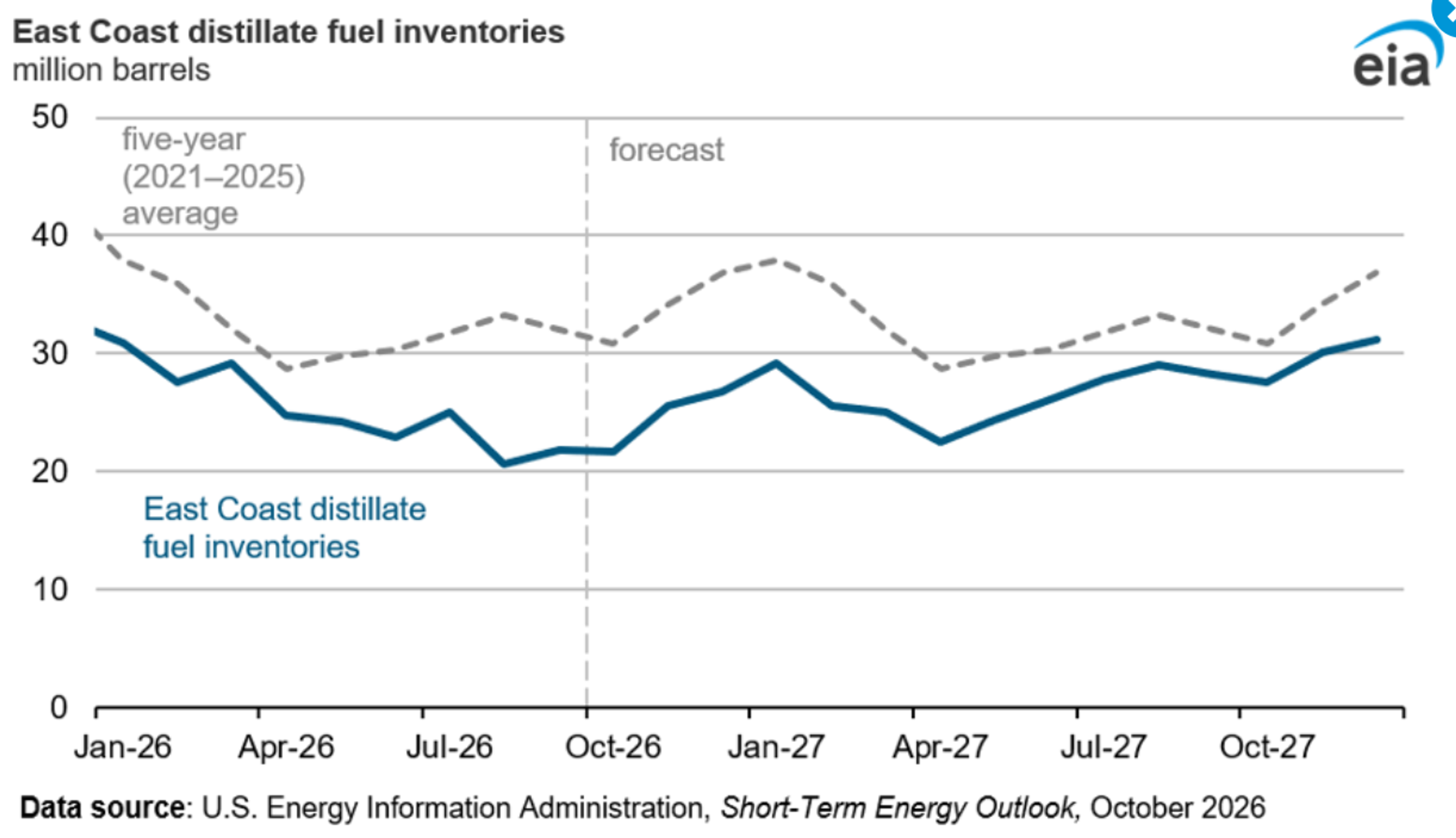
The EIA published its Winter Fuels forecast this week, along with the October Short Term Energy outlook. The forecast calls for temperatures on average similar to last year, but significant regional variations are expected due to the ongoing “super” El Nino. The Northeast is expected to have warmer than normal temperatures, which will reduce heating oil usage, but heating oil costs are still expected to be 20% higher than last year due to the spike in diesel prices. Even though the region may have warmer than normal temperatures on average, the El Nino effect is also expected to increase the threat of major impacts from Nor’easter blizzards.
Latest Posts
Crude, Diesel, And Storm Risks: Key Drivers Behind Today's Rally
Refinery Outages, Storm Risks, And Export Constraints Lift Distillates
Week 40 - US DOE Inventory Recap
Diesel Leads Energy Markets Lower Despite Mounting Geopolitical Risks
Energy Markets Mixed As Diesel Rallies And Supply Concerns Persist
Supply Disruptions Persist As Markets Focus Elsewhere
Social Media
News & Views
View All
Crude, Diesel, And Storm Risks: Key Drivers Behind Today's Rally
Refinery Outages, Storm Risks, And Export Constraints Lift Distillates