Energy Markets Mixed As Diesel Rallies And Supply Concerns Persist

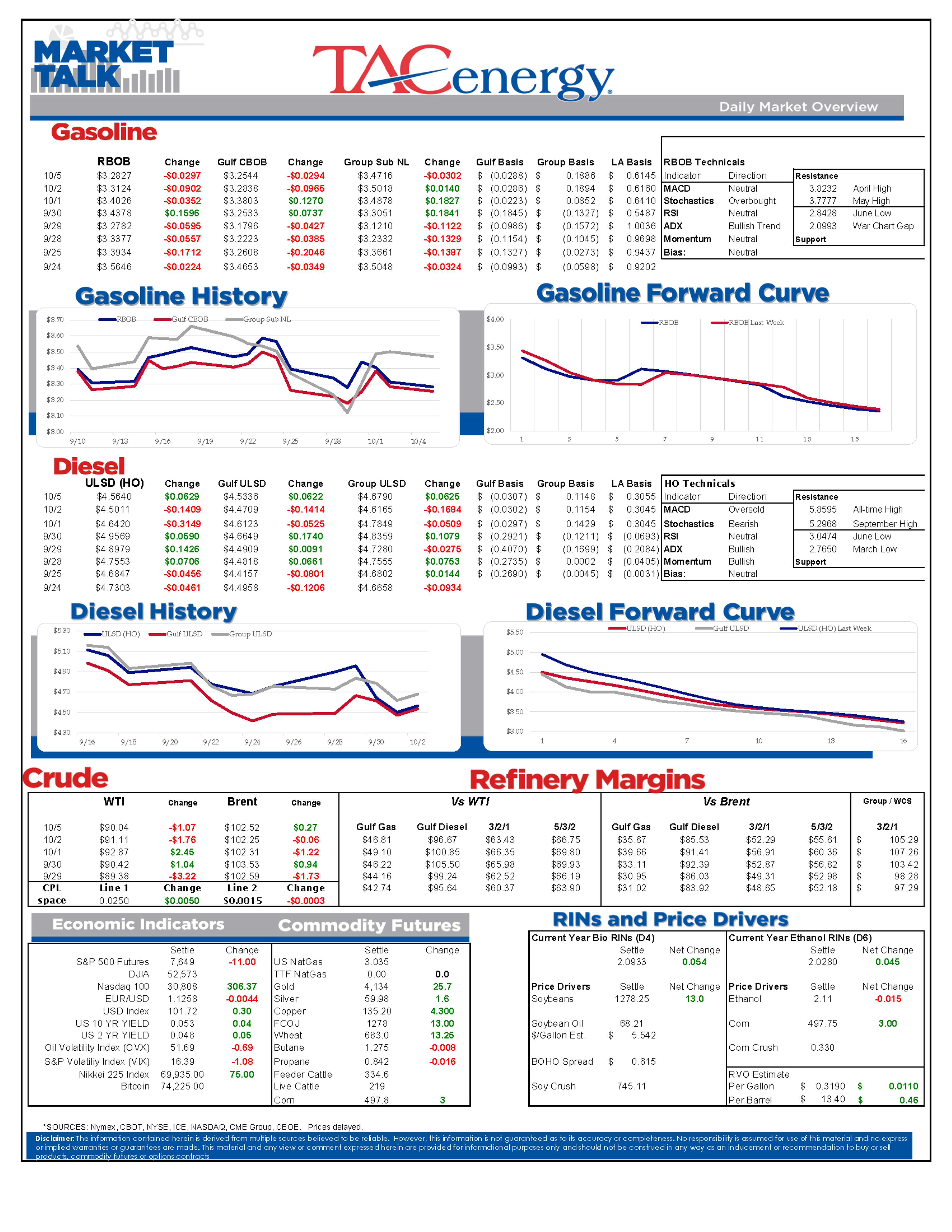
It’s a mixed bag for energy markets to start the week, with diesel prices once again rallying despite Friday’s “reserve release” announcement, while WTI and RBOB gasoline futures are moving modestly into the red.
The G7 nations announced a coordinated release of 100 million barrels of crude oil and diesel stocks over the next 4 months on Friday afternoon, in an effort to cool prices and end a U.S. threat to ban exports. The exact amount, type and timing of the fuel releases was not announced (and was likely not yet decided) in the statement, which means its unclear whether or not this means incremental supplies will hit the market, or if the countries involved are now just actually going to follow through on their committed volumes announced back in March. The most detailed item from the announcement was that a “substantial” amount of diesel would be released in Europe over the next 20 days.
The UKMTO reported multiple vessel attacks this weekend in the Middle East. A tanker transiting Hormuz was struck by an unknown projectile Sunday causing damage to the engine room, while another tanker was forced to turn around after threats from the IRGC this morning. Meanwhile, a tanker was reportedly attacked off the coast of Yemen, north of the Bab El Mandeb strait in an area where the Houthis recently regained control from government forces.
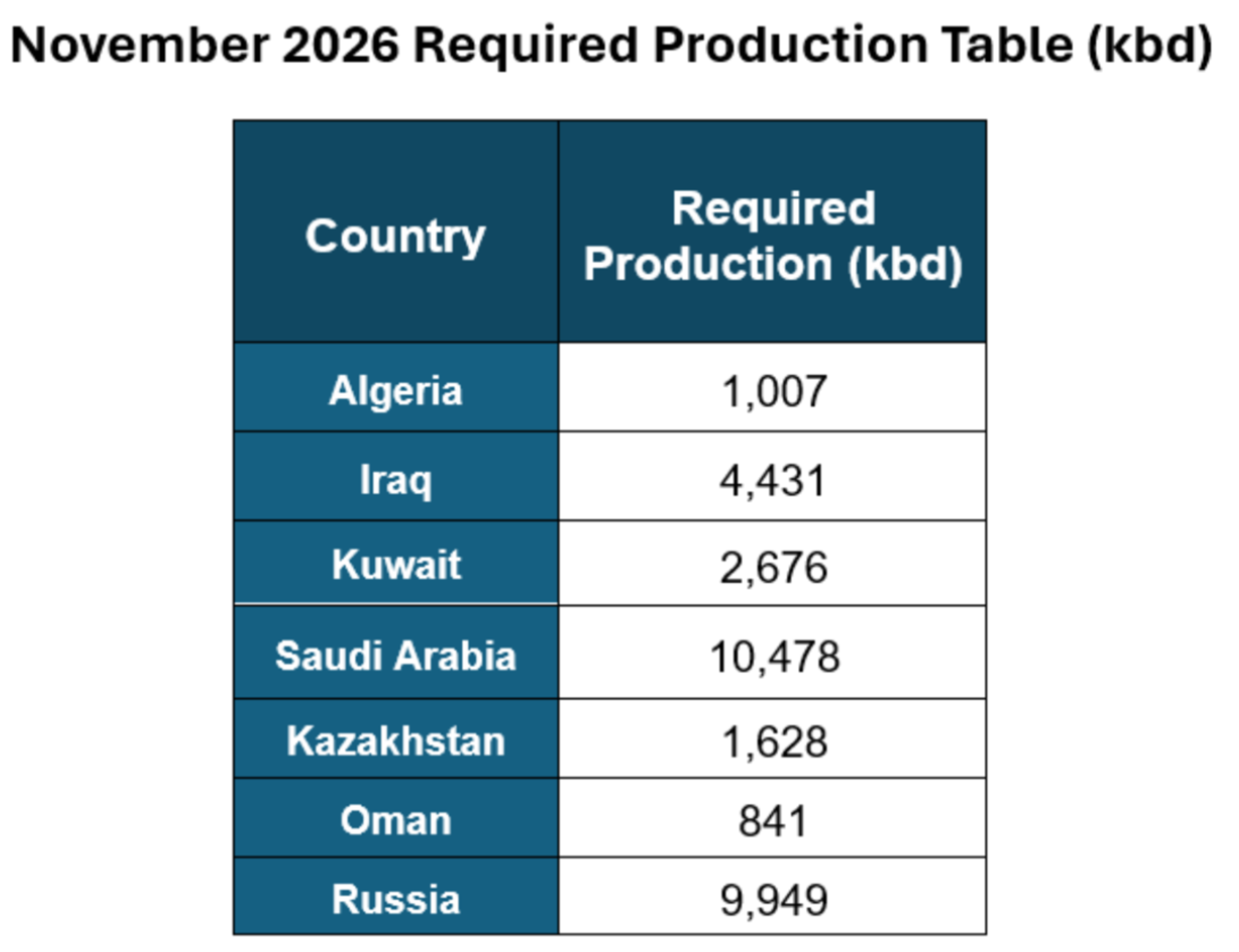
OPEC & Friends held their output targets steady at their latest meeting as member nations that had “voluntarily” restricted output for years to try and prop up prices now struggle to bring their production to market due to the war. Meanwhile, the monitoring committee tasked with ensuring compliance with the quotas “…expressed concern regarding attacks on energy infrastructure, noting that restoring damaged energy assets to full capacity is both costly and takes a long time, thereby affecting overall supply availability.” It’s notable that while OPEC proper has avoided mentioning the war in its monthly updates for the first 6 months, the statement from the wider “DoC” group that includes Russia and Kazakhstan is focusing on its impacts which is probably in some part a ploy to get the U.S. and others to encourage Ukraine to stop targeting energy assets, and perhaps to get more involvement in Saudi Arabia’s upcoming campaign to put a lid on the Houthi threats.
The Houthi’s claim to have struck an Aramco oil facility south of Riyadh over the weekend, with a Reuters report saying flames and heavy smoke could be seen at the facility. Saudi officials meanwhile said the reports were misleading. Separately, Saudi Aramco’s CEO said this morning that replenishing global stockpiles could take up to two years, and that the supply squeeze could still get worse before it gets better.
Ukraine did not strike any Russian refineries over the weekend, but they promised to step up its attacks on Russian energy assets in retaliation for the Kremlin’s targeting of civilian infrastructure ahead of the winter.
Trouble in LA?
Marathon W reported unplanned “emergency flaring” on both Friday and Saturday mornings at the Wilmington section of its 365mb/day LA-area refining complex, then reported they would undertake 10.5 days of “planned” flaring starting Sunday morning for maintenance, presumably to try and fix whatever broke.
Chevron’s 285mb/day El Segundo refinery reported another bout of unplanned flaring this morning after experiencing an upset last Thursday. Both of those reports to the AQMD list the cause of the flaring as unknown.
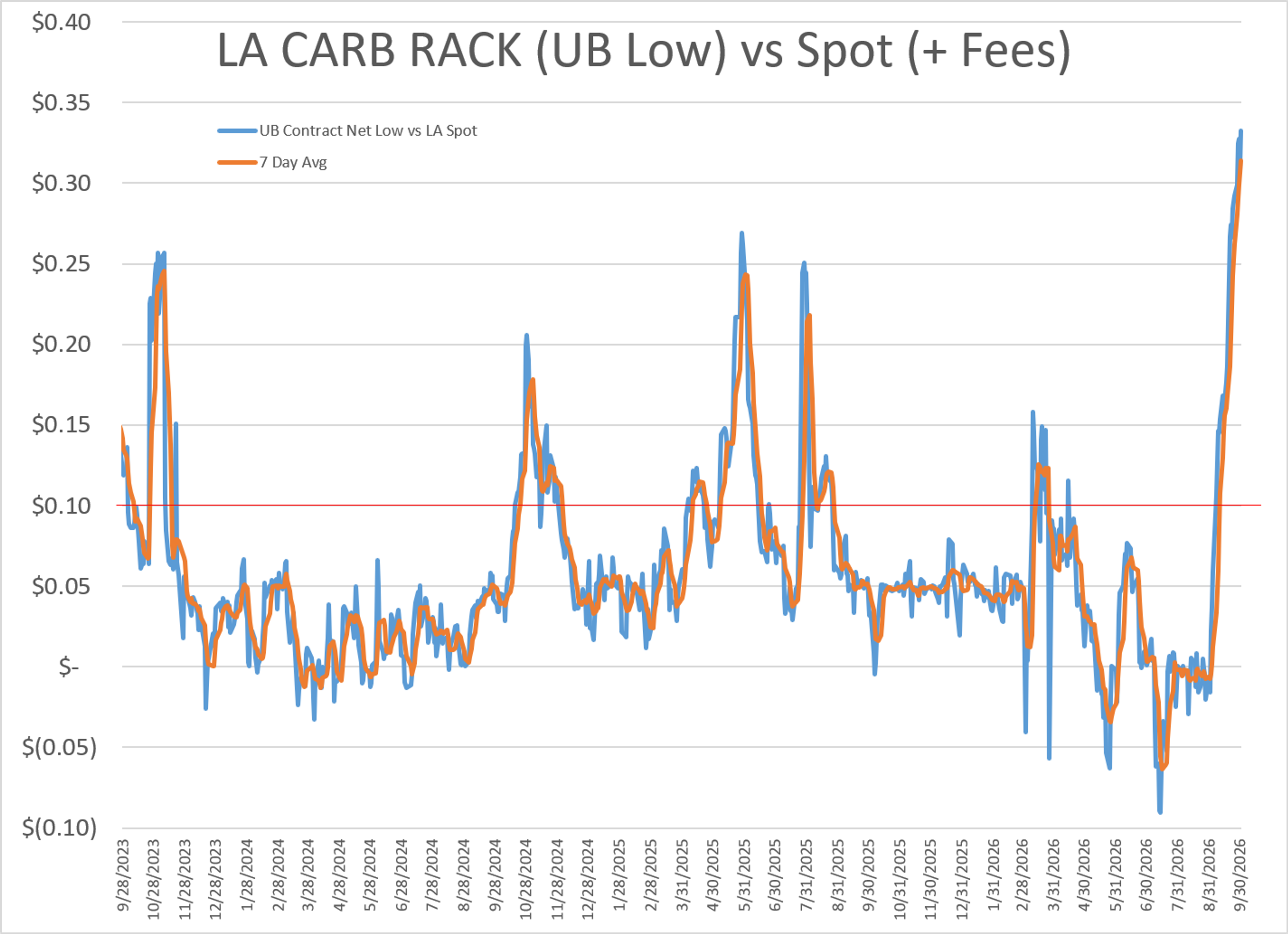
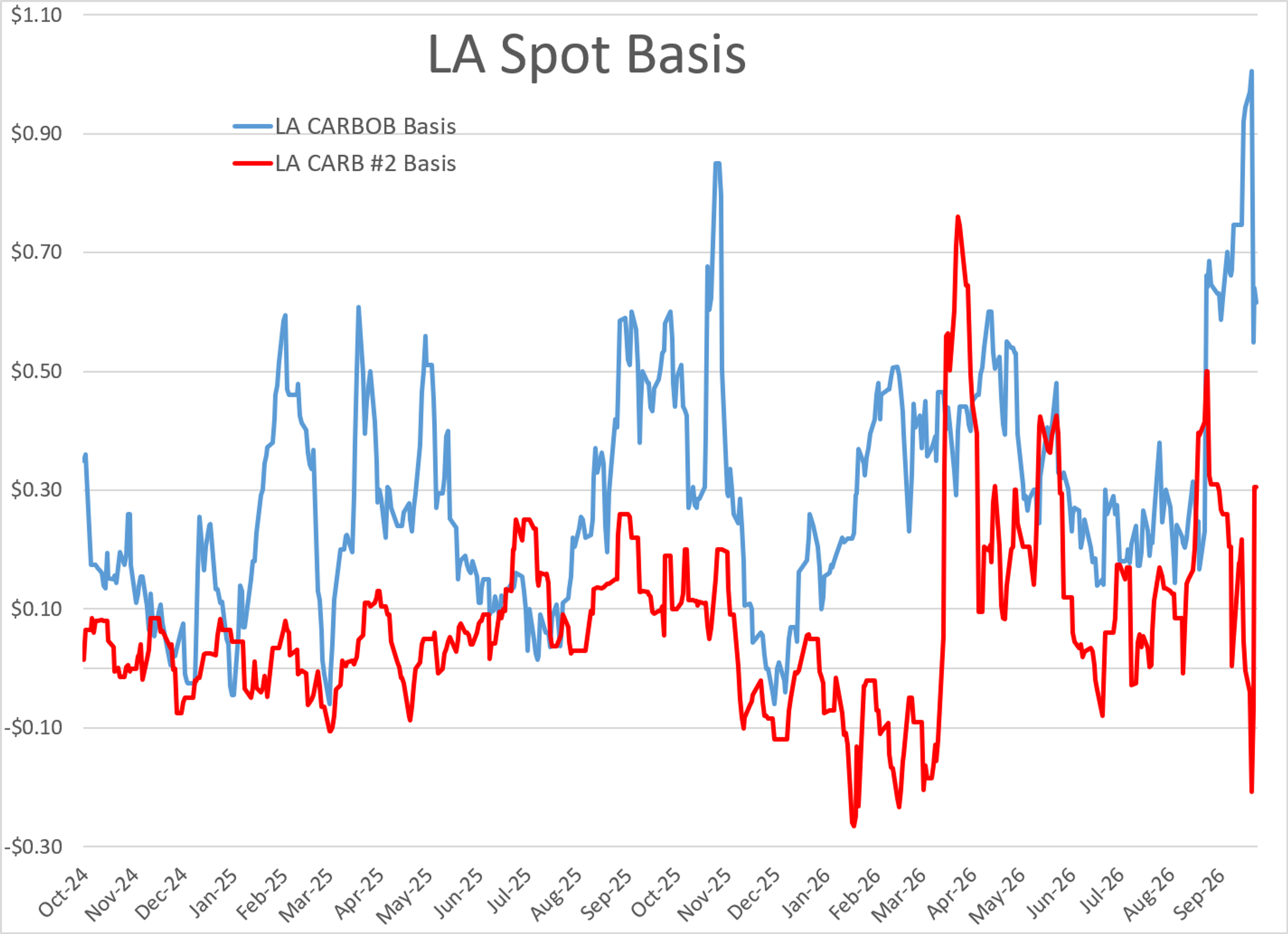
There is a lot of noise in the cash markets in LA even before upsets at the 2 largest facilities in the region with CARBOB values getting whiplashed by the RVP waivers last week, while diesel supplies react to both the shortage of traditional diesel supplies across the Pacific basin, and the ever-shifting landscape of RD supplies. A note last week from Argus suggests that more RD imports may be heading to the West Coast, something we haven’t seen much of in the past 2 years since the end of the $1/gallon Blender’s Tax Credit (its replacement law known as 45Z gives no credit to imports) suggesting prices have finally moved high enough to draw in more barrels from overseas without that additional subsidy.
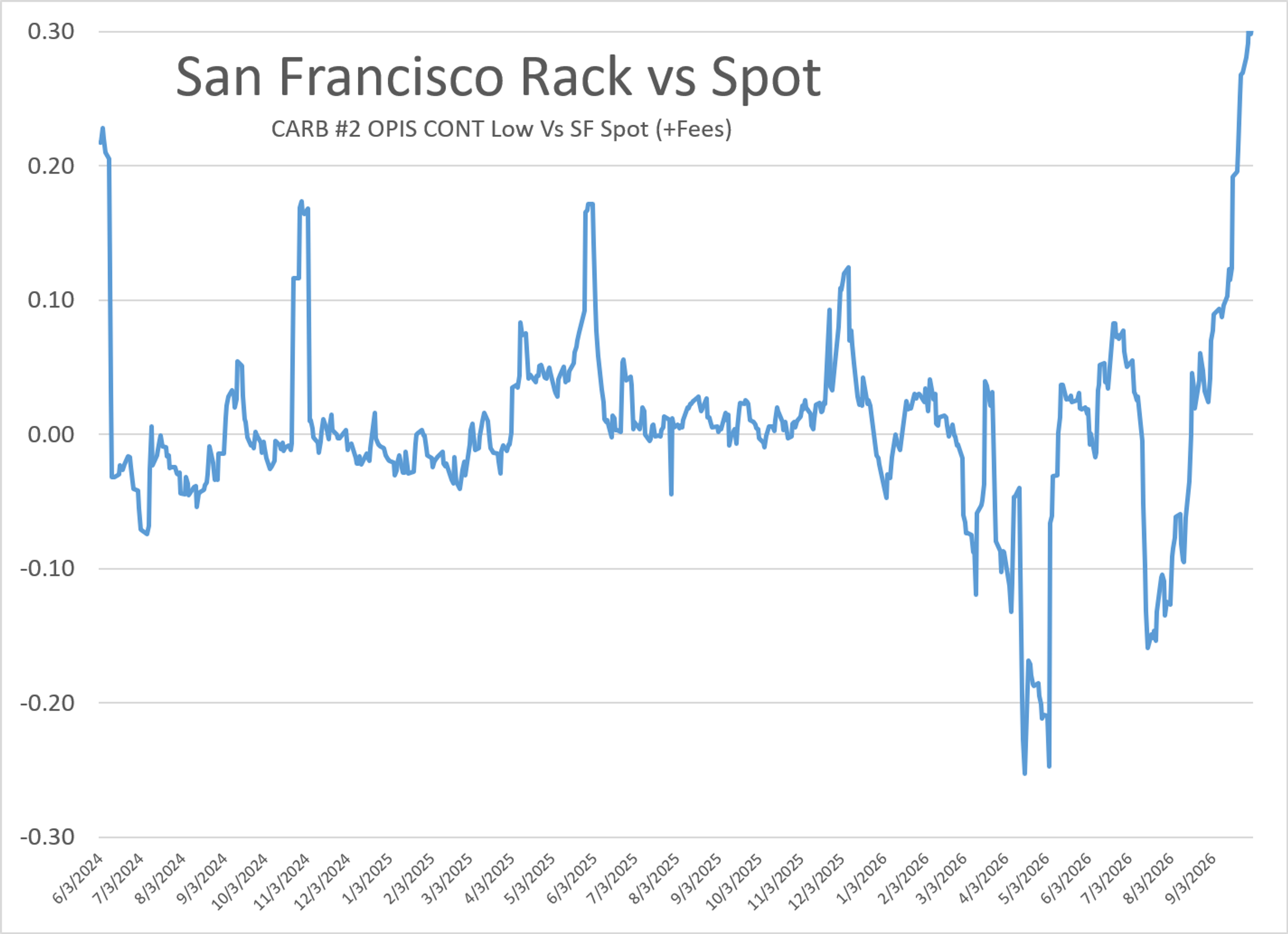
In addition to the big swings in basis differentials, the spot to rack spreads in LA and SF for diesel are holding at levels we haven’t seen in the past several years as the various disruptions trickle down to the terminal level. See the charts below for more of the story.
Exxon reported a brief upset in a hydrocracker unit at its 612mb/day Beaumont TX refinery Sunday afternoon, with minimal detail on the cause. The fact that the event only lasted an hour and no other units were noted suggests minimal impact on operations.
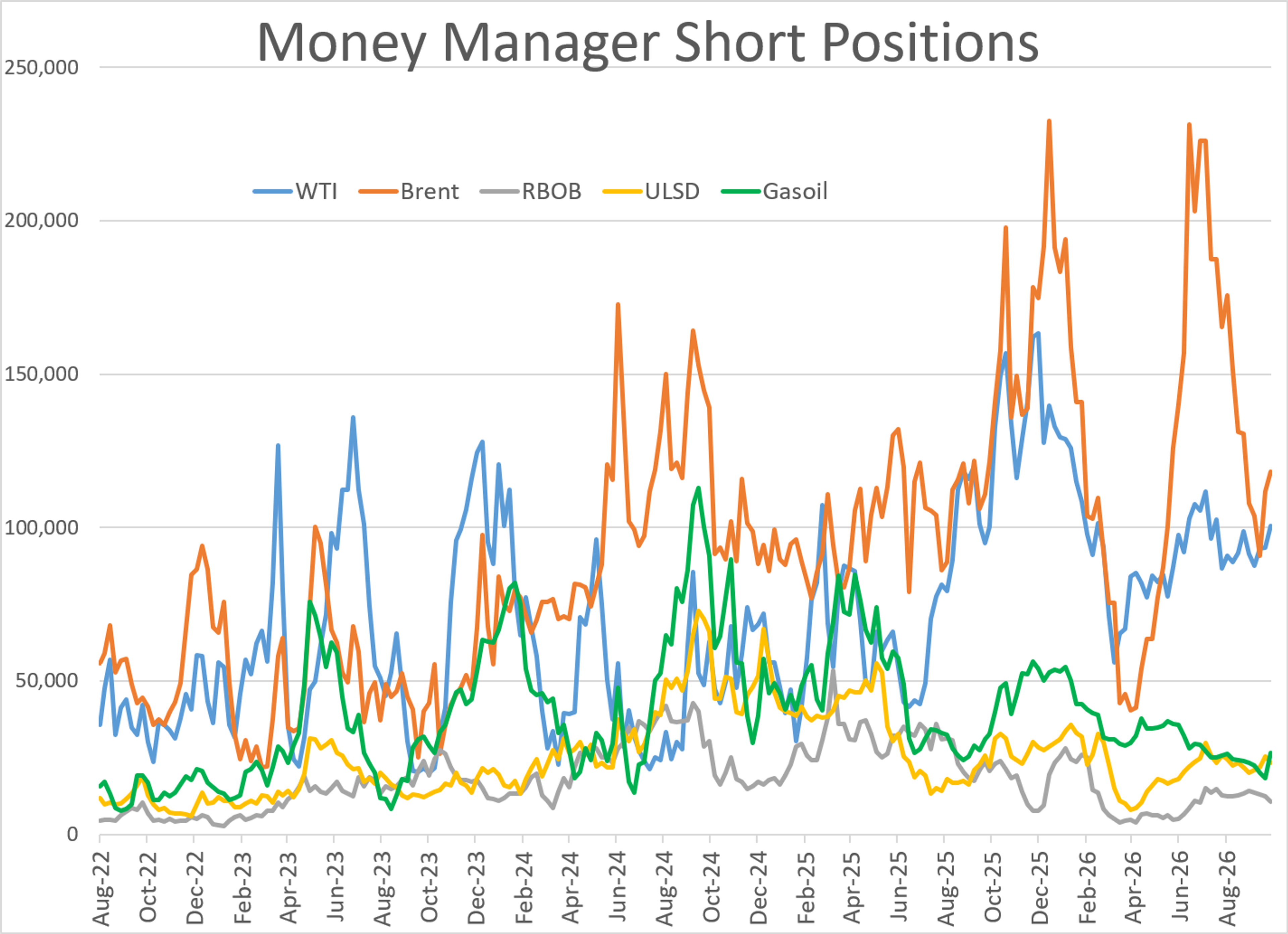
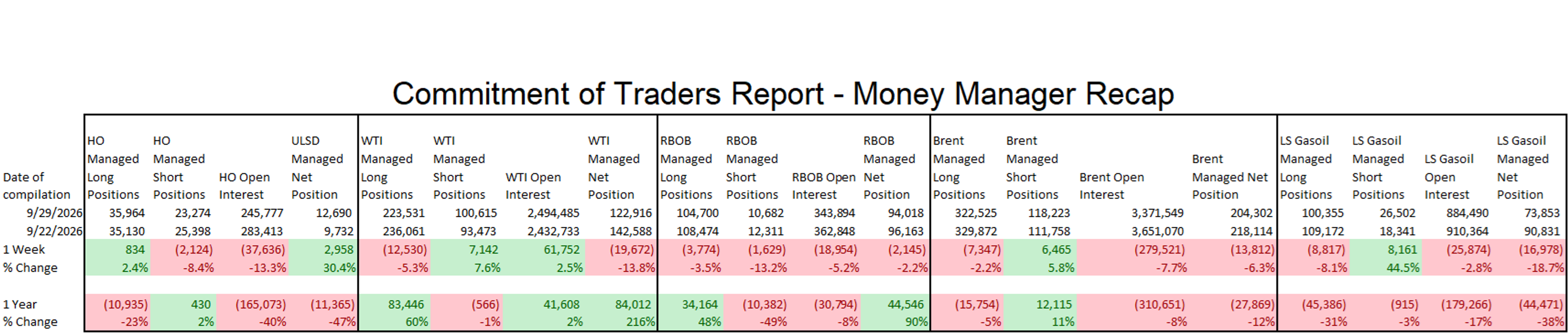
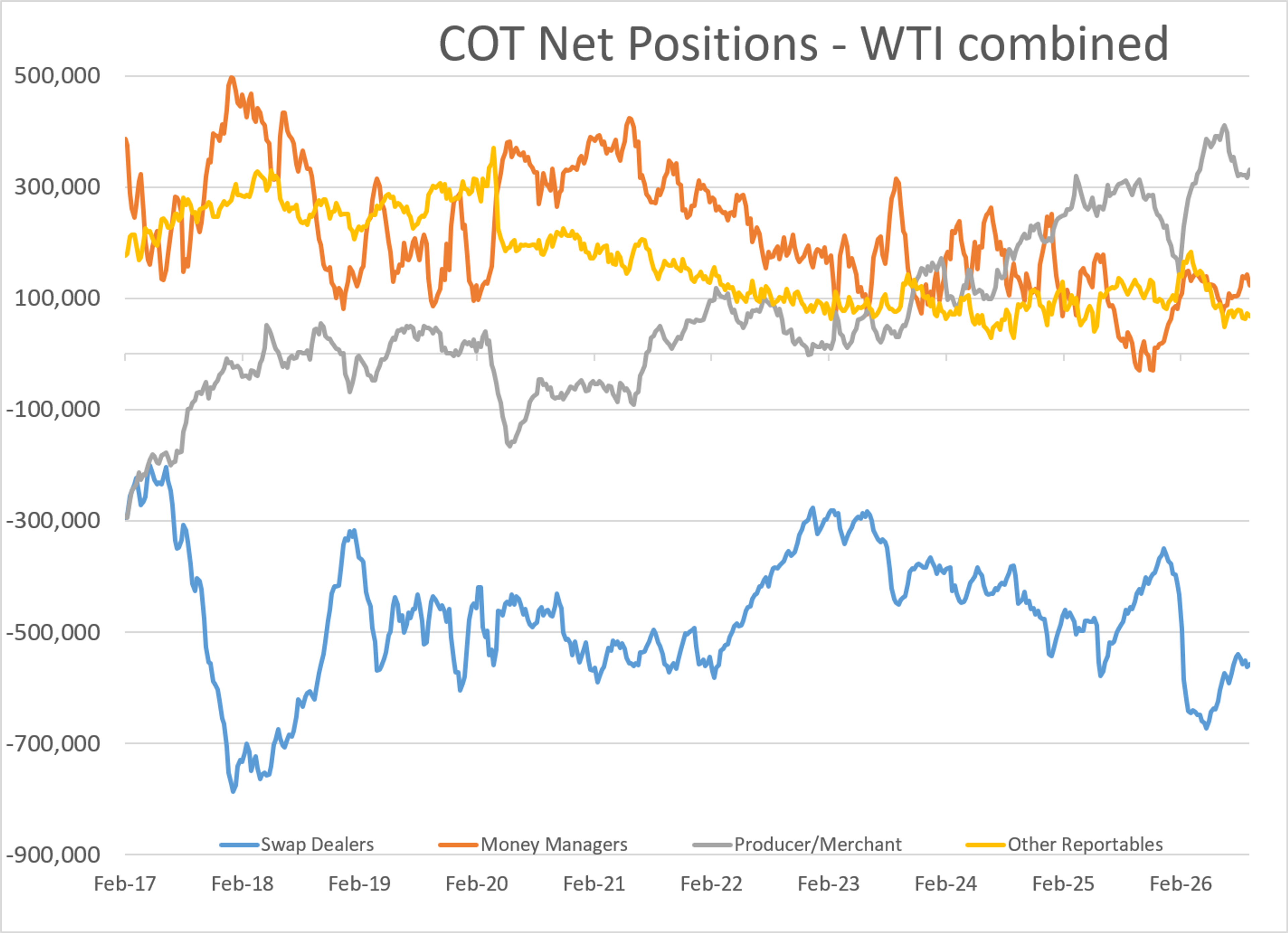
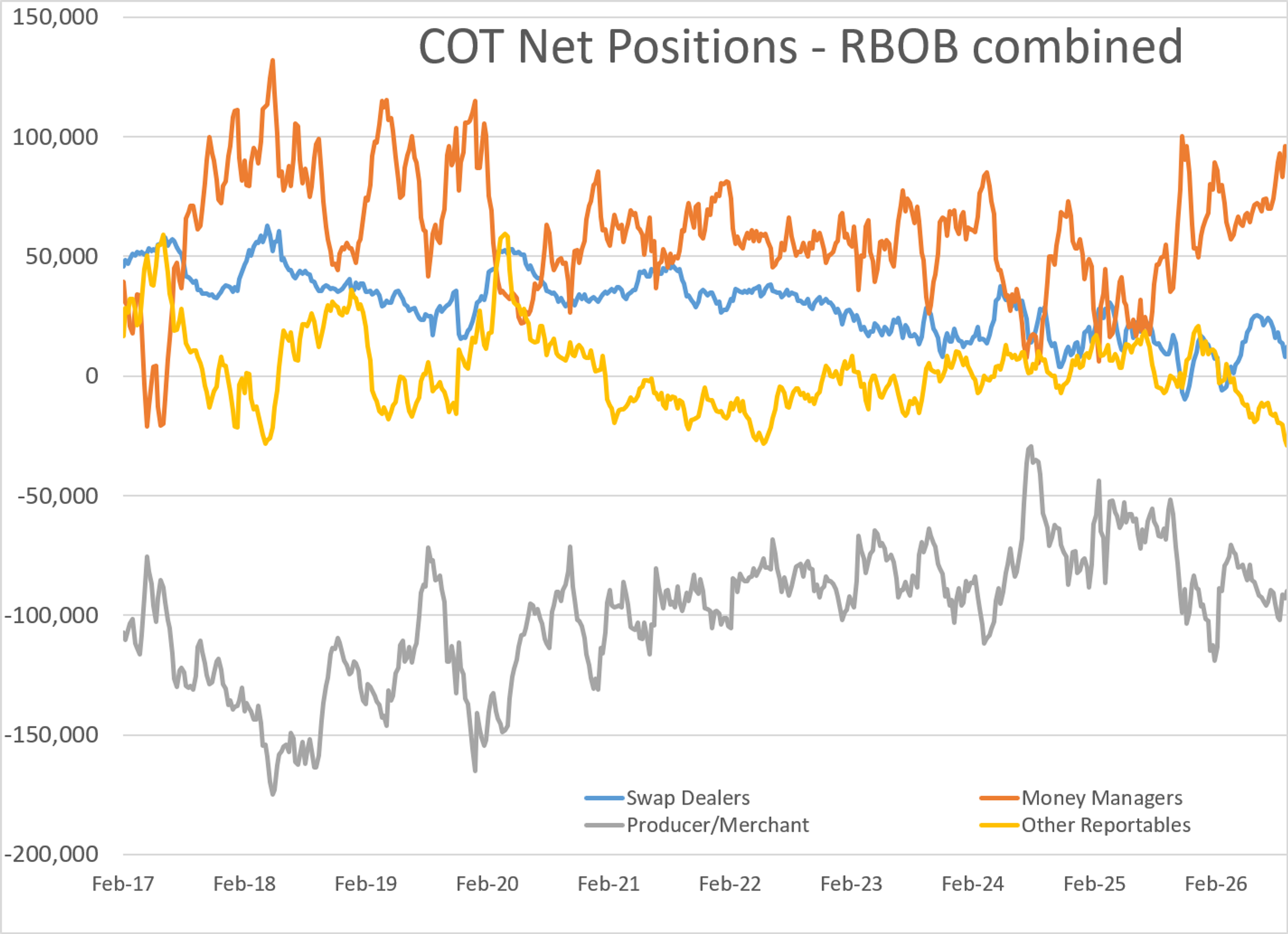
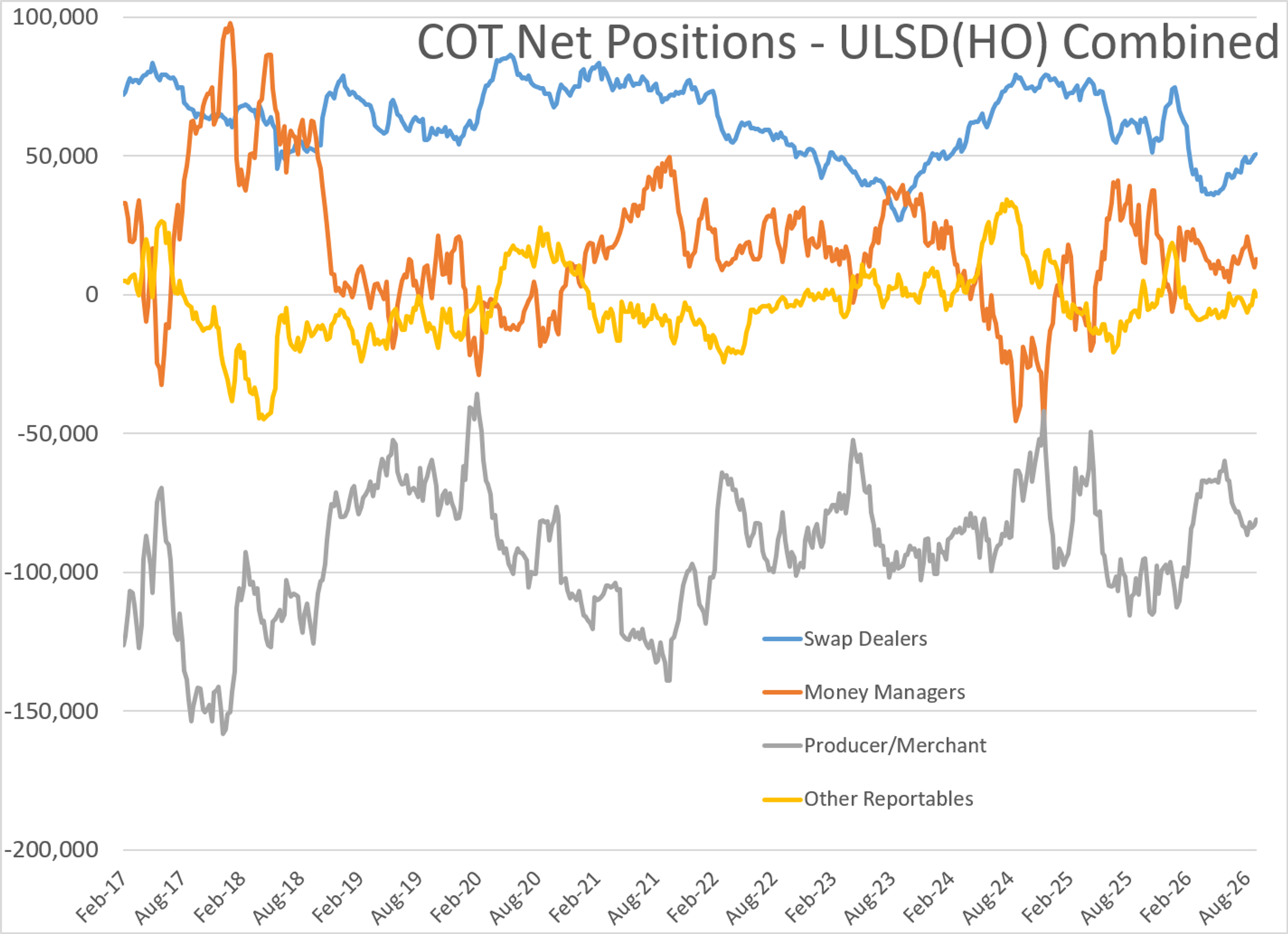
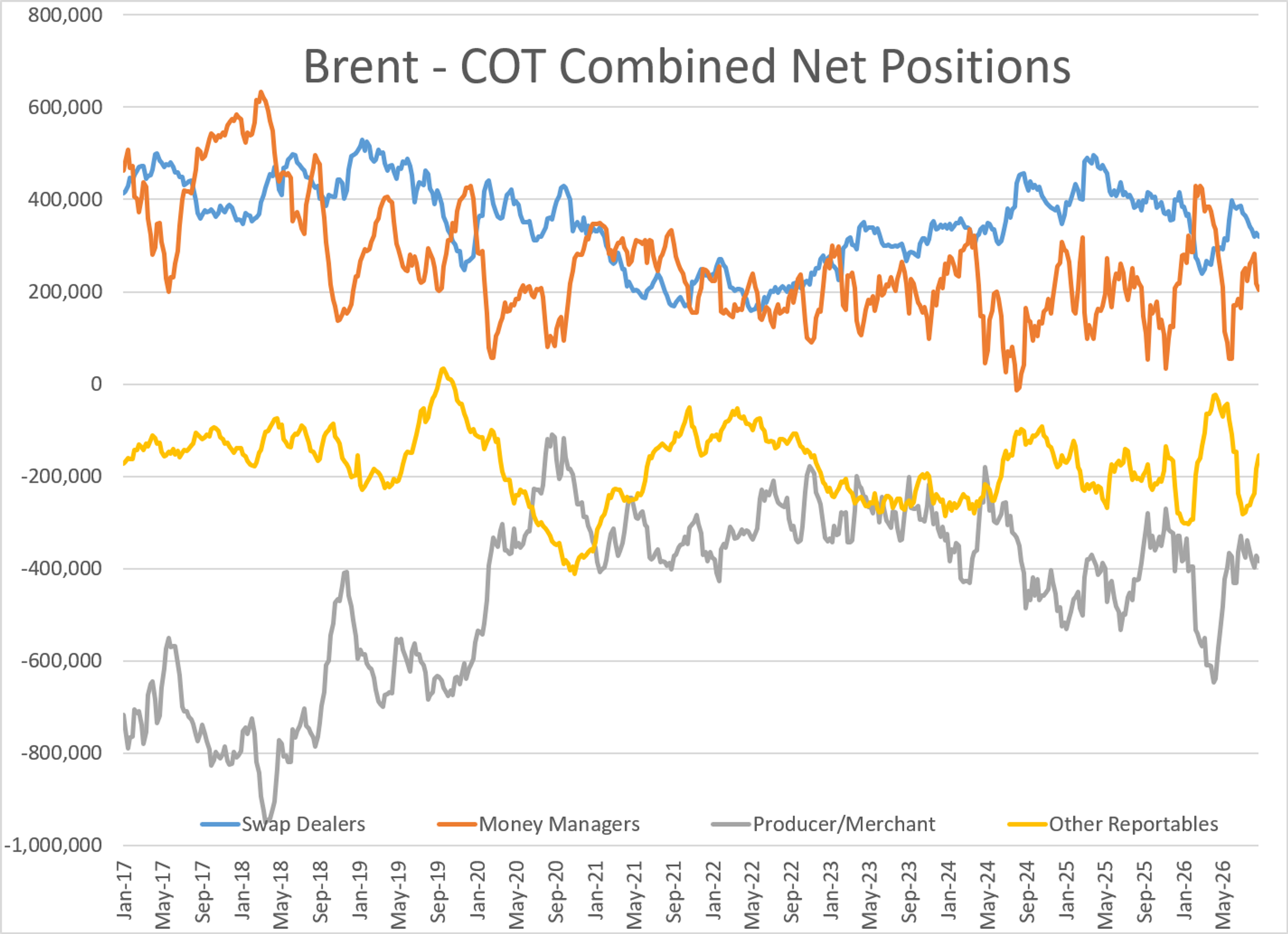
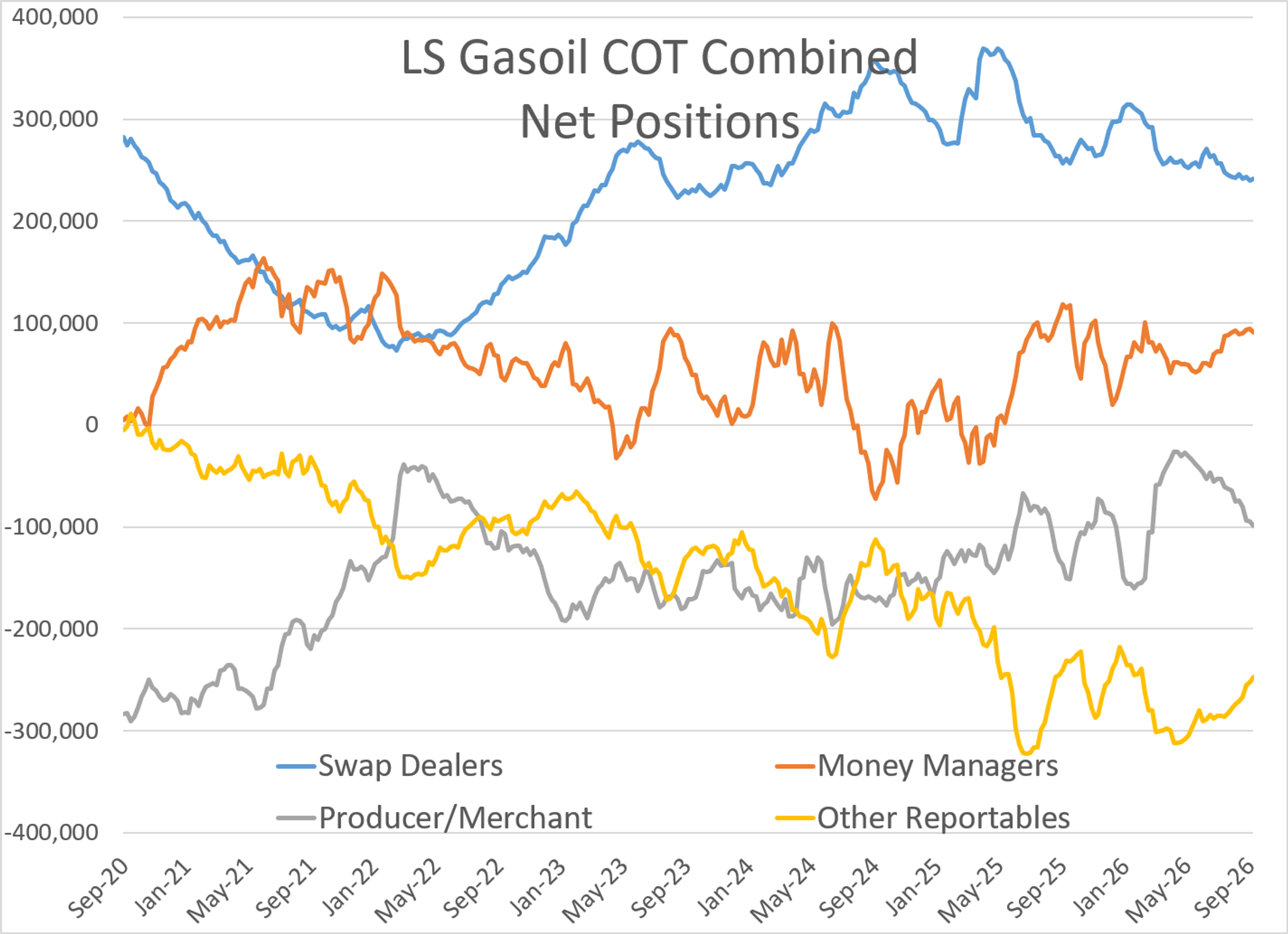
Money Managers were making modest reductions in net length in most petroleum contracts last week with WTI, Brent, RBOB and Gasoil all seeing reductions in long positions, and only the RBOB contract not adding additional bets on lower prices in the large speculative trade category. ULSD futures bucked the trend, with a small increase in net length, betting that diesel prices in the U.S. will continue moving higher.
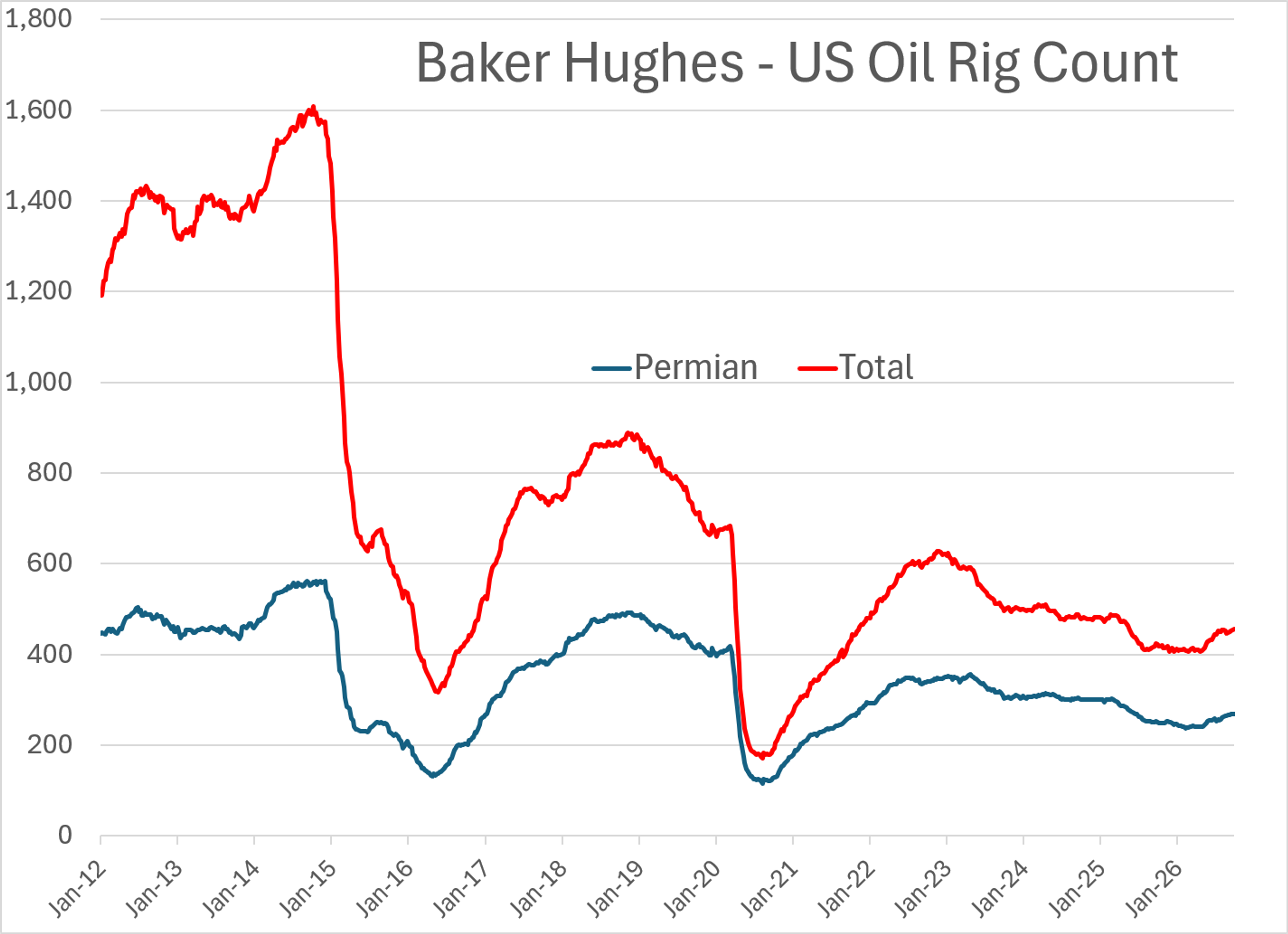
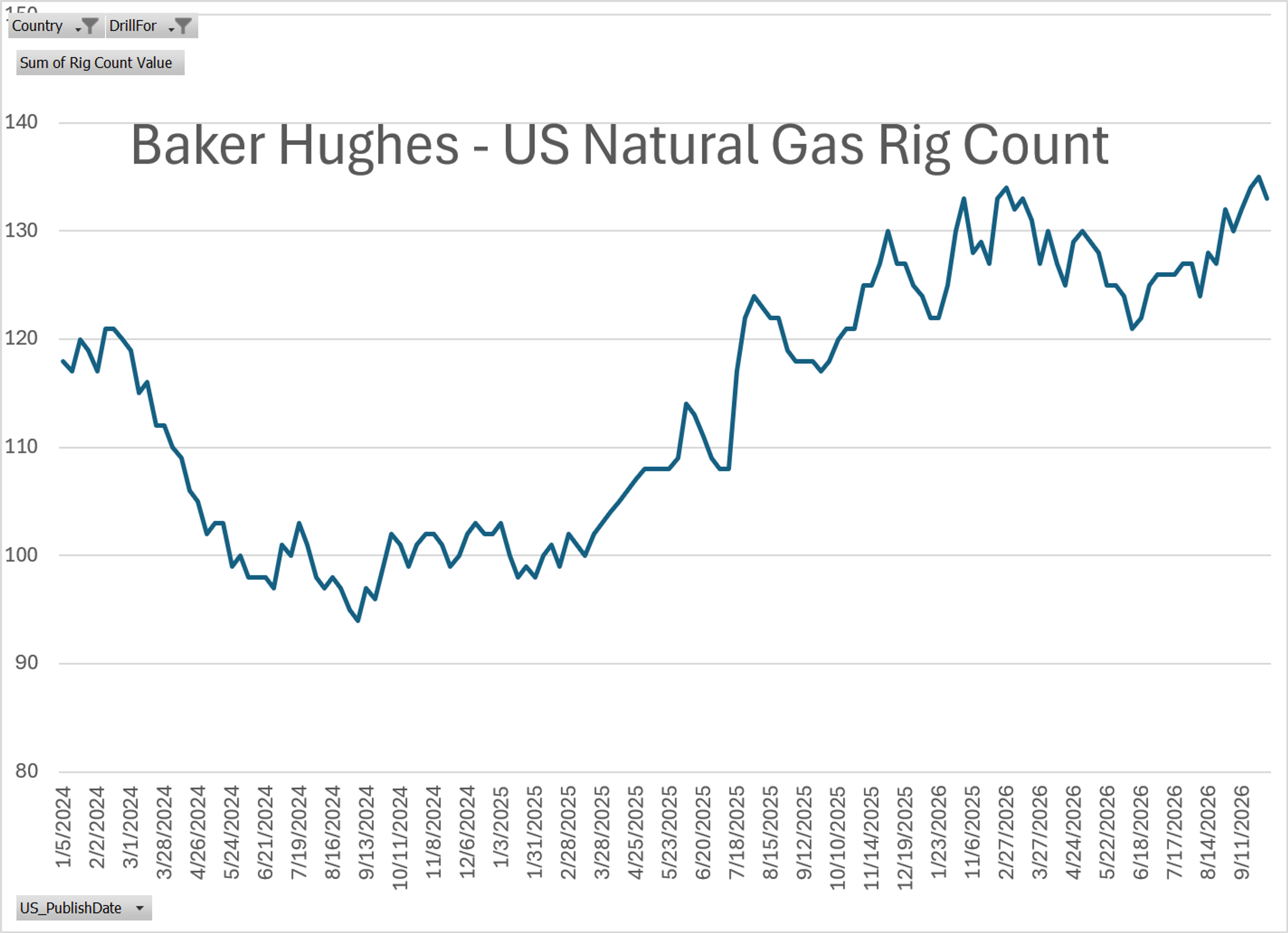
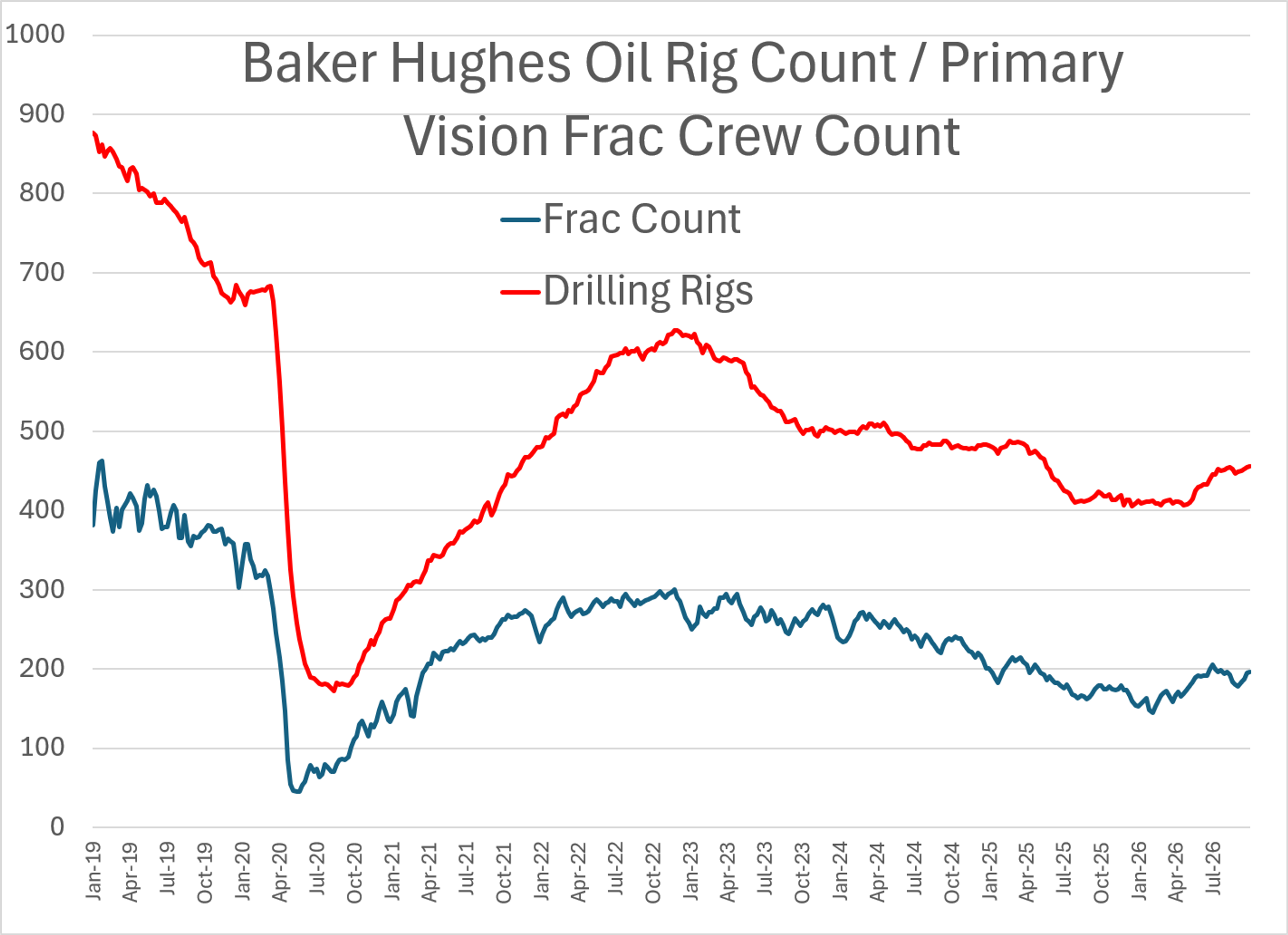
Baker Hughes reported an increase of 1 oil rig drilling in the U.S. last week, while the natural gas rig count dropped by 2. The Primary Vision count of fracking crews increased by 1 on the week and is holding just under the highs set back in July.

Latest Posts
Supply Disruptions Persist As Markets Focus Elsewhere
Geopolitics, Diesel Shortages, And Refinery Cuts Shape Energy Markets
Geopolitics, Diesel Shortages, And Refinery Cuts Shape Energy Markets
Week 39 - US DOE Inventory Recap
Volatility Returns As Diesel Surges And Global Supply Chains Tighten
Governors Take Action As Energy Markets Navigate Volatility
Social Media
News & Views
View All
Supply Disruptions Persist As Markets Focus Elsewhere
Geopolitics, Diesel Shortages, And Refinery Cuts Shape Energy Markets