Supply Disruptions Persist As Markets Focus Elsewhere

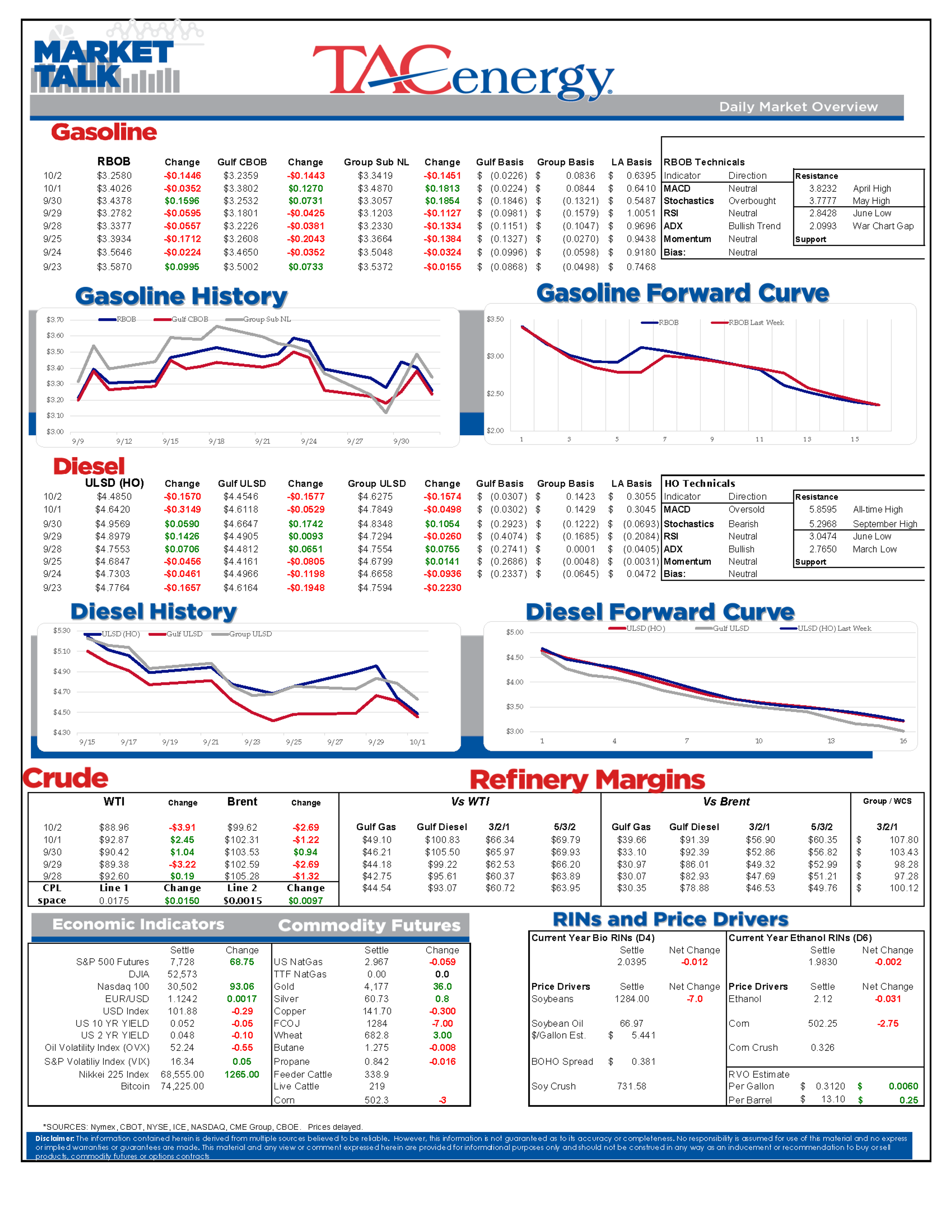
A wave of selling is hitting energy markets to start Friday’s session, wiping out Thursday’s gains. Headlines will tell you that today’s selling is driven by talks of strategic fuel releases, but the details suggest there’s something else at play.
The EU has rejected pressure from the U.S. to release its emergency diesel stockpiles or risk a U.S. export ban. If it were only ULSD prices lower today you might say the selling was based on guesses that the U.S. might use this as an excuse to enforce a ban, but given that gasoline prices are also falling (even though a diesel ban will eventually push refinery run rates lower and increase gasoline prices) it appears this is not the reason for today’s wave of selling.
Today’s selling also seems to be ignoring reports that China is once again cutting its quota for refined product exports to try and bolster domestic supplies. As the only country remaining with meaningful swing capacity, the loss of Chinese diesel exports (which could range from 200-400mb/day) could be a big blow for Europe this winter unless the strait reopens for business.
Multiple reports this week suggest that oil exports from the Middle East are getting back near Pre-War levels, but what those reports don’t say is that diesel exports (and LNG) are still just a fraction of what they were (primarily because the smaller clean-product vessels make the extra costs unpalatable compared to VLCCs for crude) or that these “Pre War” figures don’t take into account the loss of Iran’s exports as well.
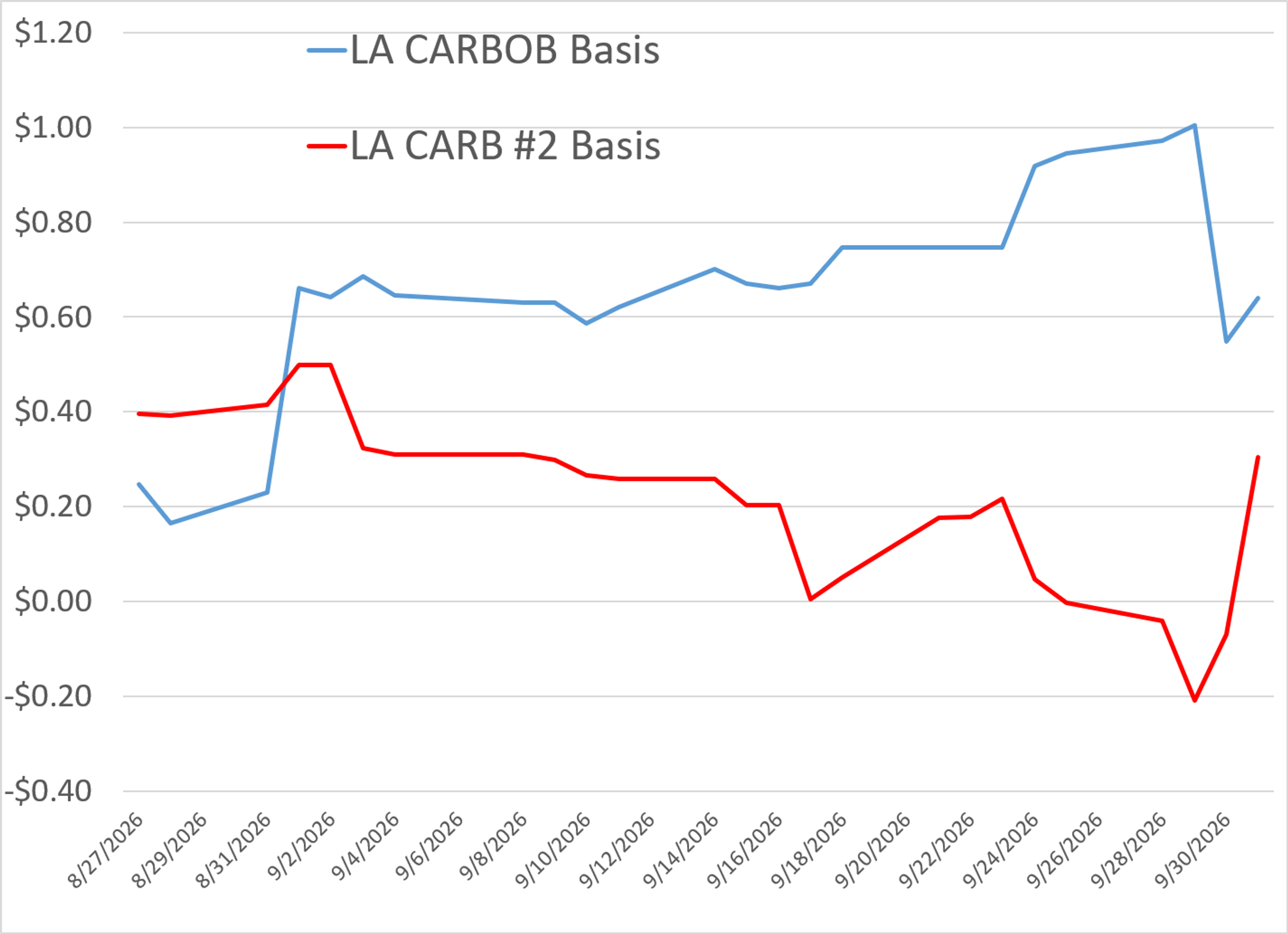
Los Angeles diesel basis values increased by more than a dime Thursday after Chevron reported unplanned flaring at its El Segundo refinery to the AQMD. CARBOB gasoline differentials meanwhile slowed their slide as the market adjusts to the sudden end to the 6lb RVP requirements that came a month early due to the state finally deciding to waive its restrictions, which allows the federal waivers that have been in place since the spring to finally matter.
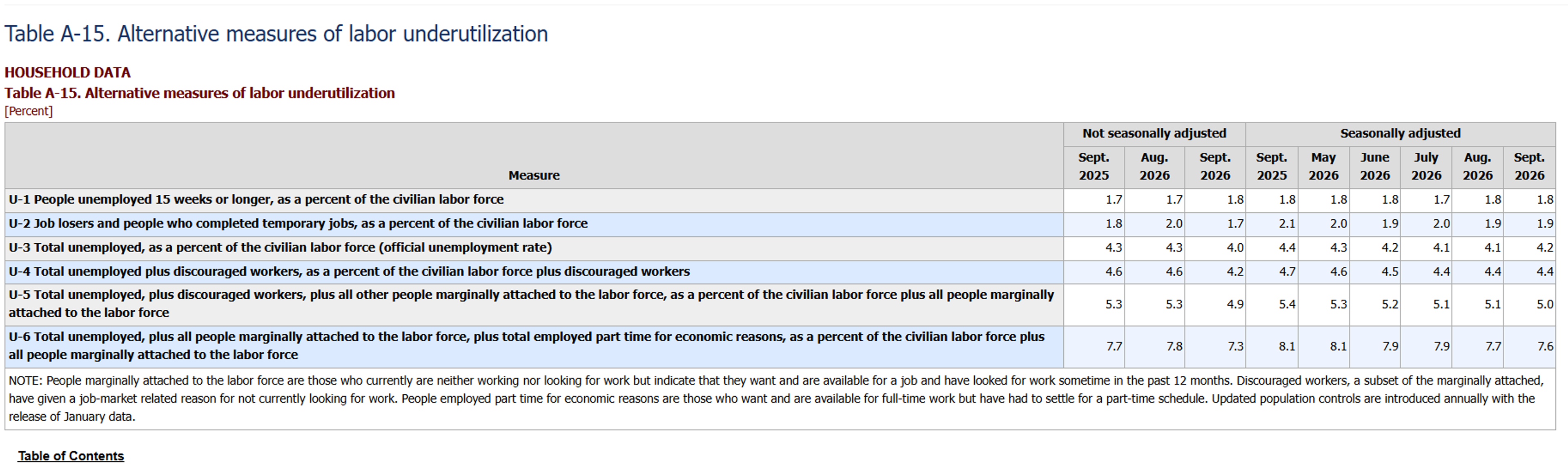
Good news for the bad news is good news Fed Watching crowd: The BLS reported tepid job growth in the U.S. for September with only 29,000 new jobs estimated to be added during the month, while the July and August estimates were lowered by a combined 60,000. Stocks and bond markets are both reacting positively to the news, while energy markets continue their 2026 pattern of not paying much attention given the global supply disruptions dominating the price action. The headline unemployment rate (“U3”) ticked up by a tenth to 4.2%, while the less manipulated U6 rate ticked lower by a tenth to 7.6%.
Ukraine’s drones hit a the 290mb/day Lukoil Volgograd refinery and also hit a major crude oil pipeline hub overnight after a pause on refinery strikes of almost a week. The Transneft storage hub is Europe’s largest crude oil handling facility, so the damage done there will get close attention, even though Russia’s President has decried it illegal to write about.
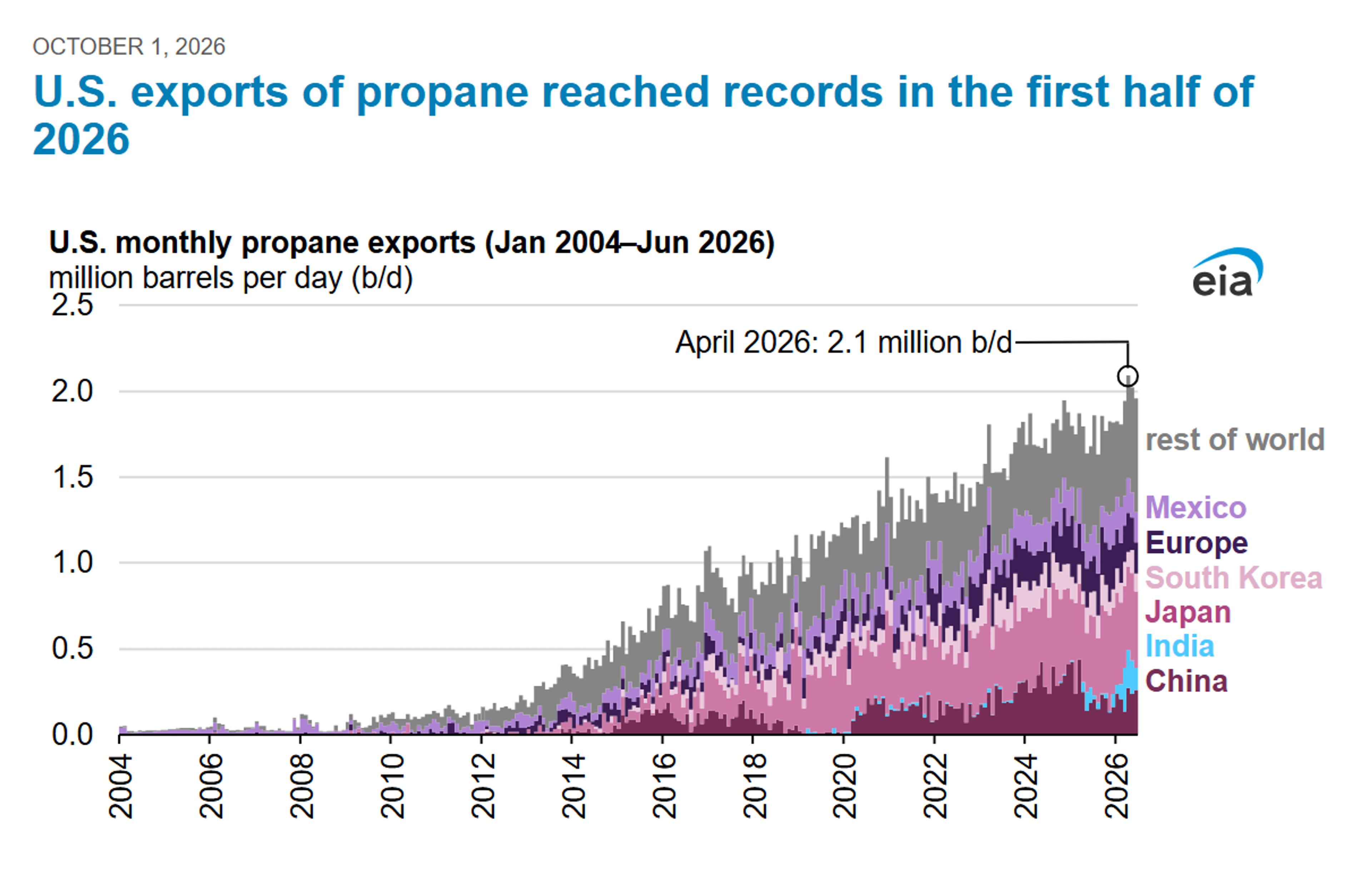
The EIA yesterday highlighted how U.S. Propane exports are reaching record highs this year, along with diesel and crude oil exports, adding to the list of items the rest of the world doesn’t have enough of when Hormuz is disrupted. Unlike diesel and crude oil exports, but similar to natural gas, the governor on export volumes of propane isn’t U.S. supply, it’s capacity to get that supply onto ships.
Latest Posts
Geopolitics, Diesel Shortages, And Refinery Cuts Shape Energy Markets
Geopolitics, Diesel Shortages, And Refinery Cuts Shape Energy Markets
Week 39 - US DOE Inventory Recap
Volatility Returns As Diesel Surges And Global Supply Chains Tighten
Governors Take Action As Energy Markets Navigate Volatility
Refinery Outages And Global Conflicts Keep Distillates In The Driver's Seat
Social Media
News & Views
View All
Geopolitics, Diesel Shortages, And Refinery Cuts Shape Energy Markets
Geopolitics, Diesel Shortages, And Refinery Cuts Shape Energy Markets