Tight Inventories And Outages Push Diesel Prices Higher Into June Close

Diesel prices are leading the energy complex higher as we wind down June trading as the prospects for peace have hit another bump in the road, and more refinery upsets offer a reminder of the fragile state of fuel supply chains around the world.
The U.S. and Iran are apparently NOT meeting in Doha today, contrary to what was previously announced on the U.S. President’s normally reliable social media channel (which is also being used to try and demand gasoline retailers lower prices) although delegations from both sides are reportedly in Qatar. Limited vessel traffic is continuing through the Strait of Hormuz despite more assertions from Iran that they control the waterway, which is causing several countries to loosen their fuel restrictions.
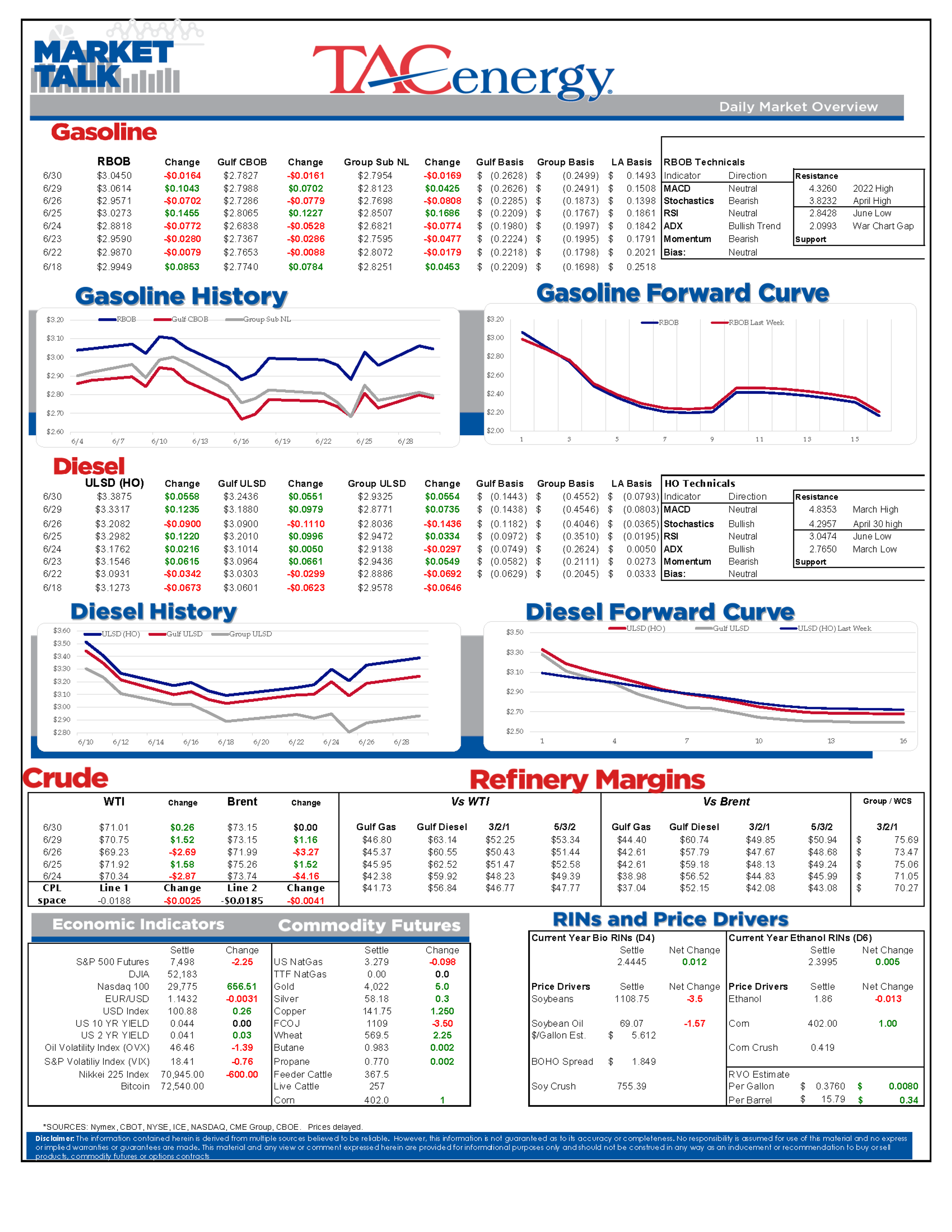
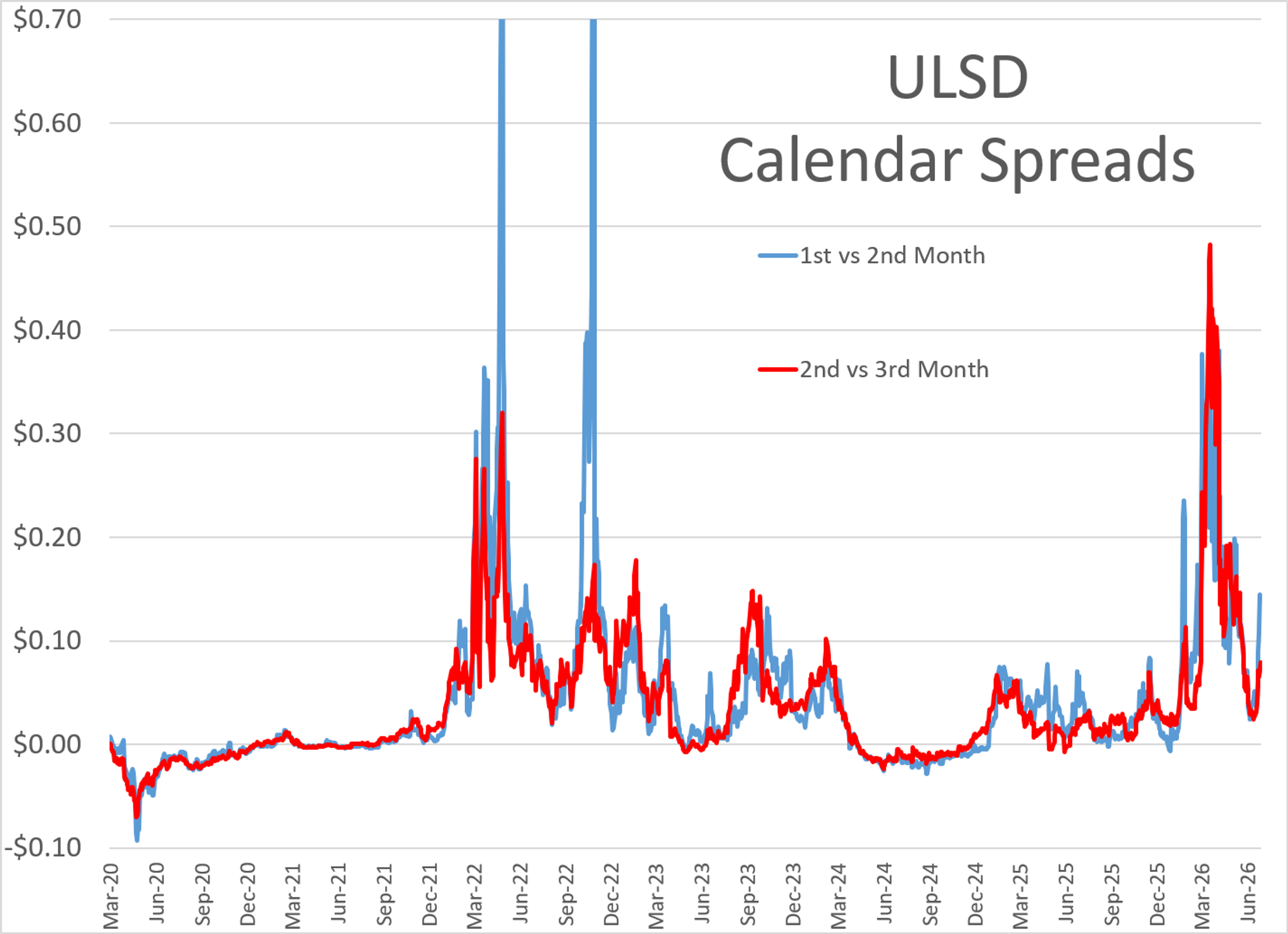
ULSD futures are adding a nickel for the day while the July contract has added more than 34 cents since bottoming out at the $3.04 range a week ago. It’s worth noting that a 3rd of those gains came from strength in the spread between July and August futures, as the recent rash of refinery issues reminded traders that inventories are at historically low levels and the margin for error is minimal in most markets.
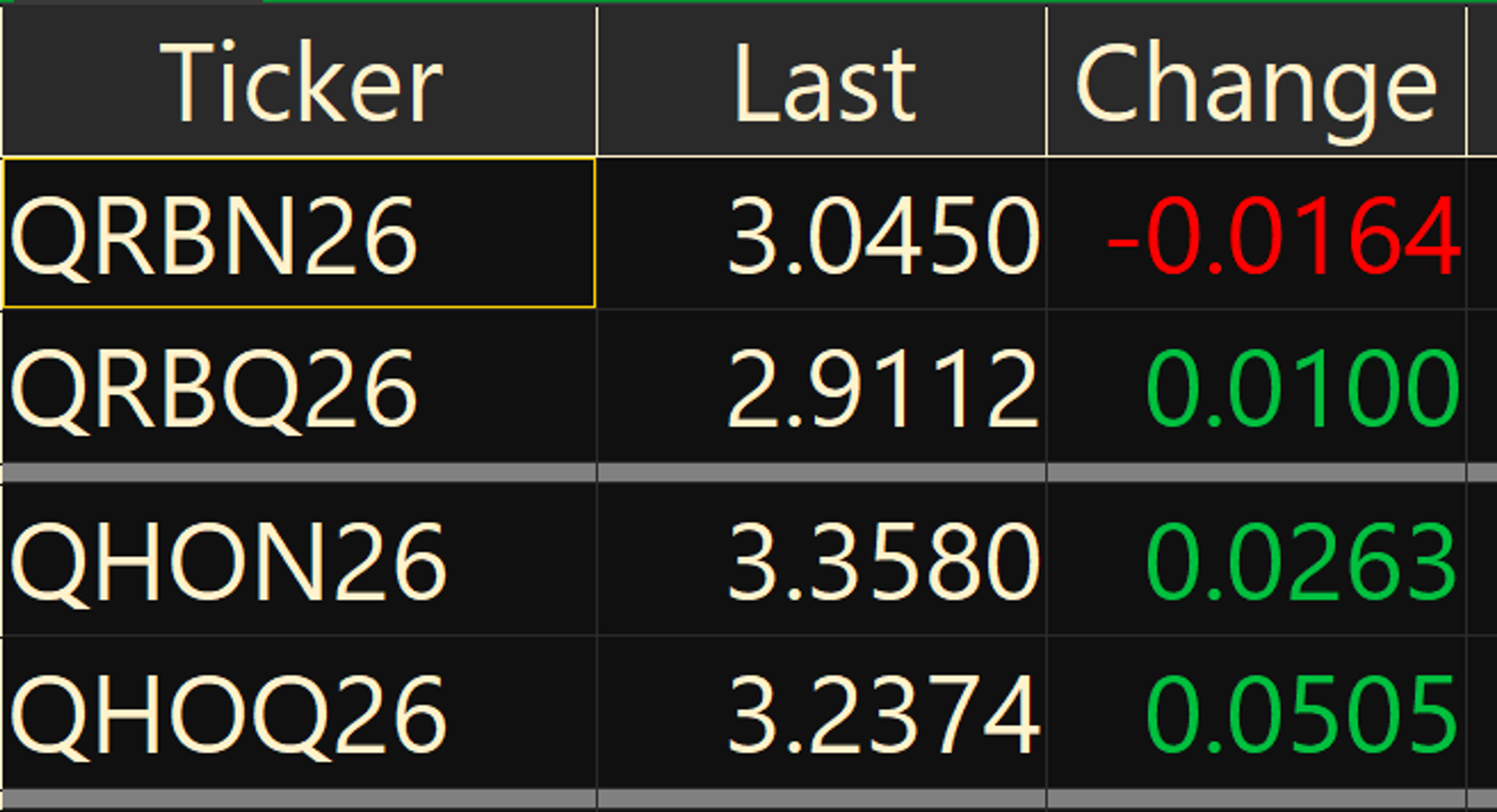
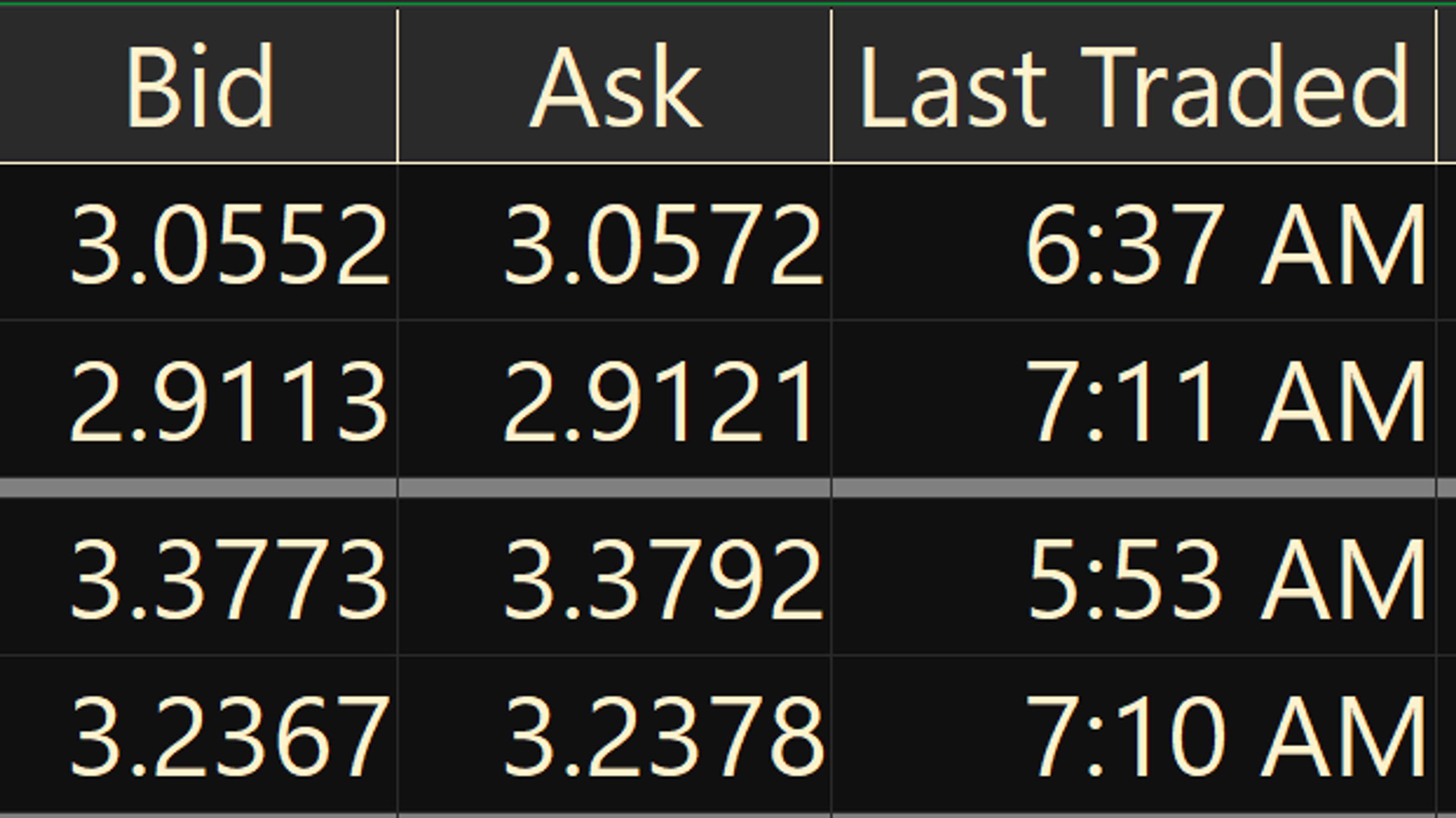
Reminder to look at the 2nd month’s pricing today (RBQ/HOQ) rather than the expiring July contracts for price direction. The screenshot below shows a good example of how distorted the “LAST” trade vs the current bids and offers can get as liquidity dries up on expiration day and we go hours in between trades.
While the Atlantic hurricane threats have been minimal for the first month of the season, we have several reminders that it doesn’t take a named storm to disrupt operations this week. At least 3 refineries in the Atlantic basin were knocked offline due to weather or geological events in the past week. Total has 2 refineries working to get back into service, its 238mb/day Port Arthur TX plant is reportedly still offline after a lightning strike knocked out power to the facility a week ago, while its 240mb/day plant in Normandy France was reportedly offline due to power issues related to the heatwave gripping large parts of Europe. Venezuela’s largest refinery is also offline due to power outages related to the devastating earthquakes that killed thousands of people last week, although the country’s recently growing oil production activity so far has not been impacted in a material way.
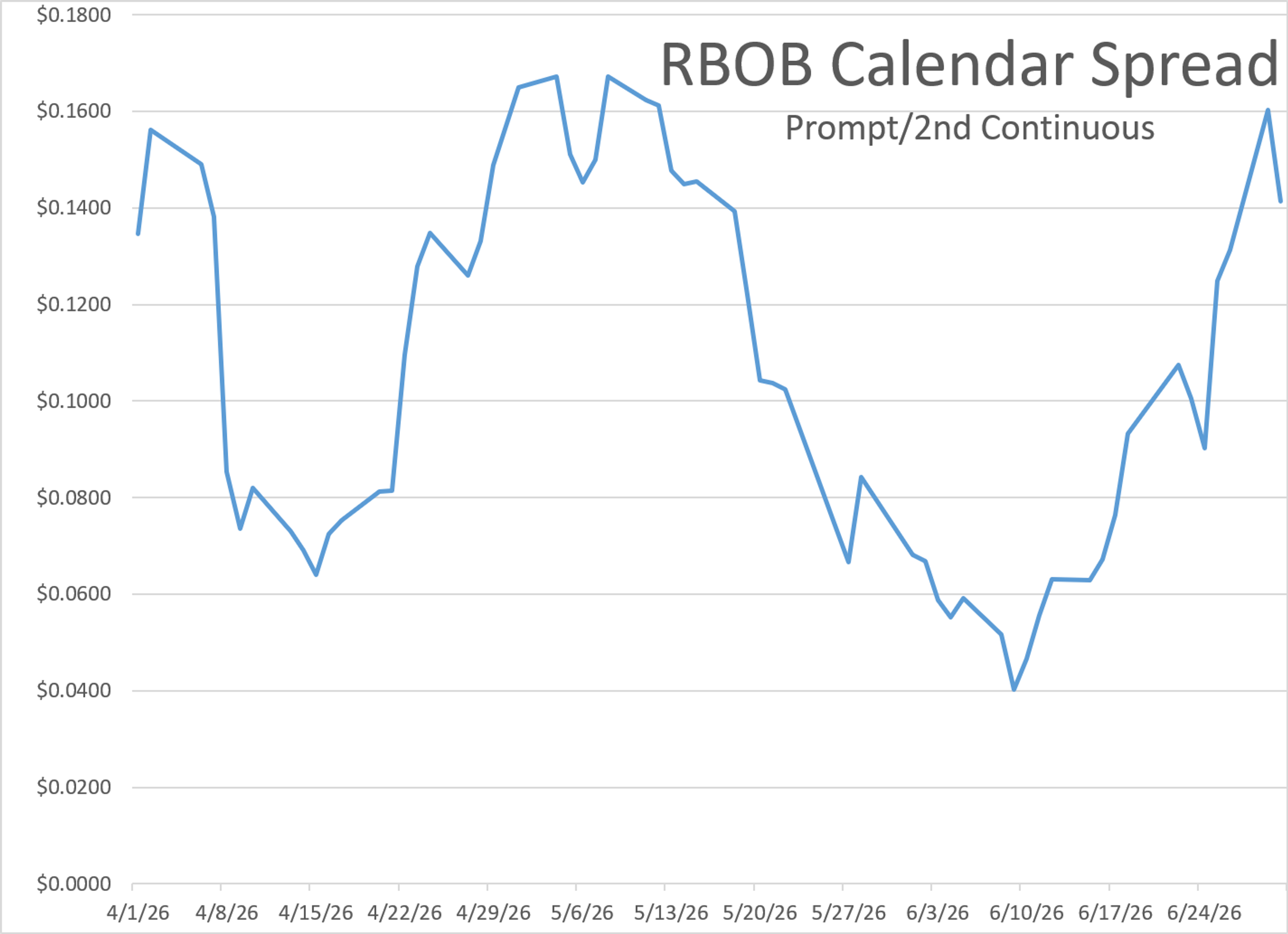
Restarting refineries is the most dangerous time for the facilities, as we saw last week when Monroe’s 180mb/day refinery in Trainer PA caught fire while trying to restart units shut the week prior. That facility is reportedly still offline, with units not affected by the fire expected to attempt another restart in the next several days. That downtime seems to be a major contributor to the recent strength in time spreads for both RBOB and ULSD as the East Coast supply network is forced to find replacements for that lost production.
Marathon’s 72mb/day refinery in Mandan ND was also dealing with a power outage and flaring Monday, around the time that a tornado warning was issued for the area. It’s still unclear what the cause or impacts are for that facility, and due to its relatively small size and remote location, the effects of that upset are less likely to be notices compared to the other outages ongoing in TX and PA.
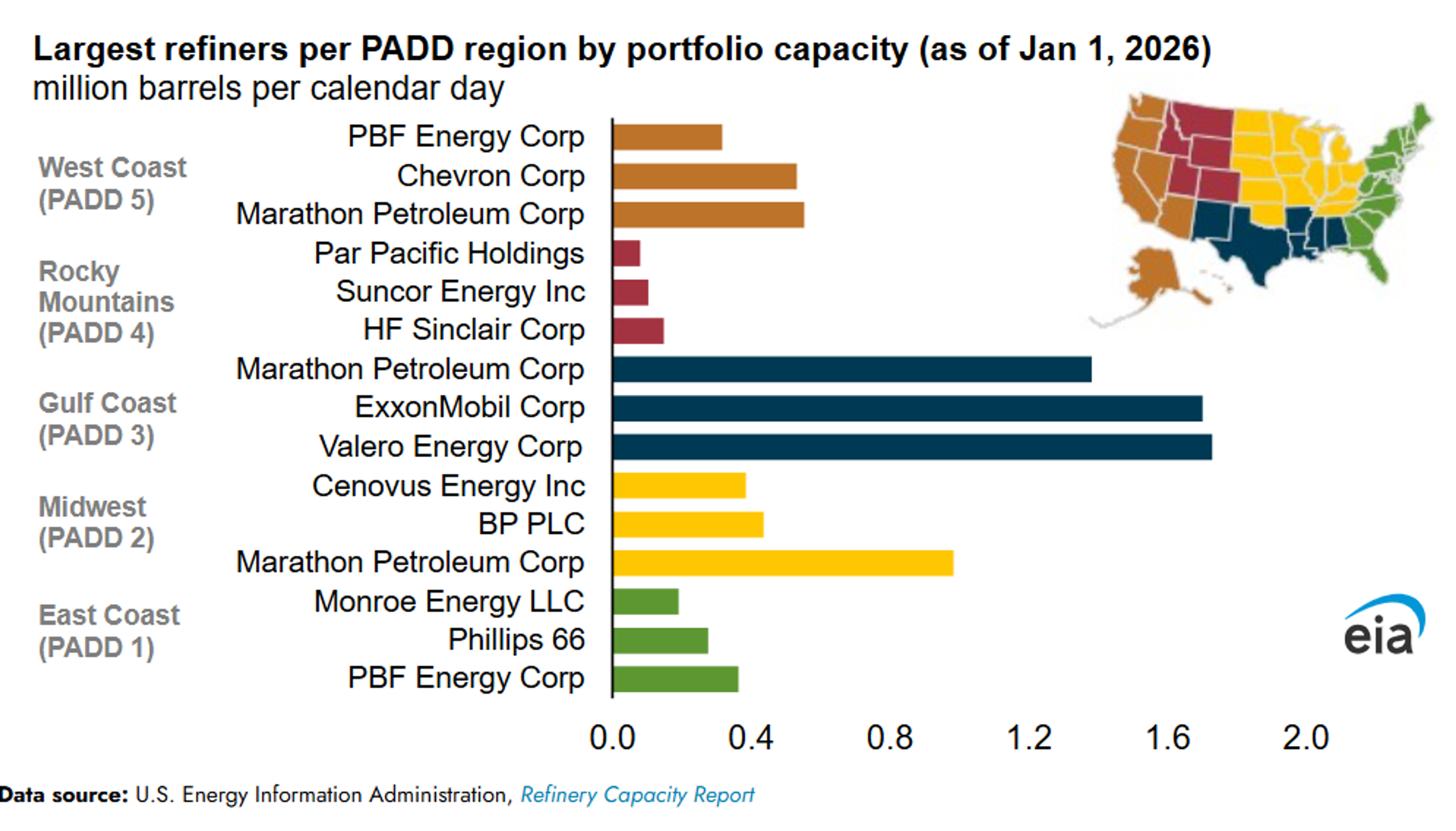
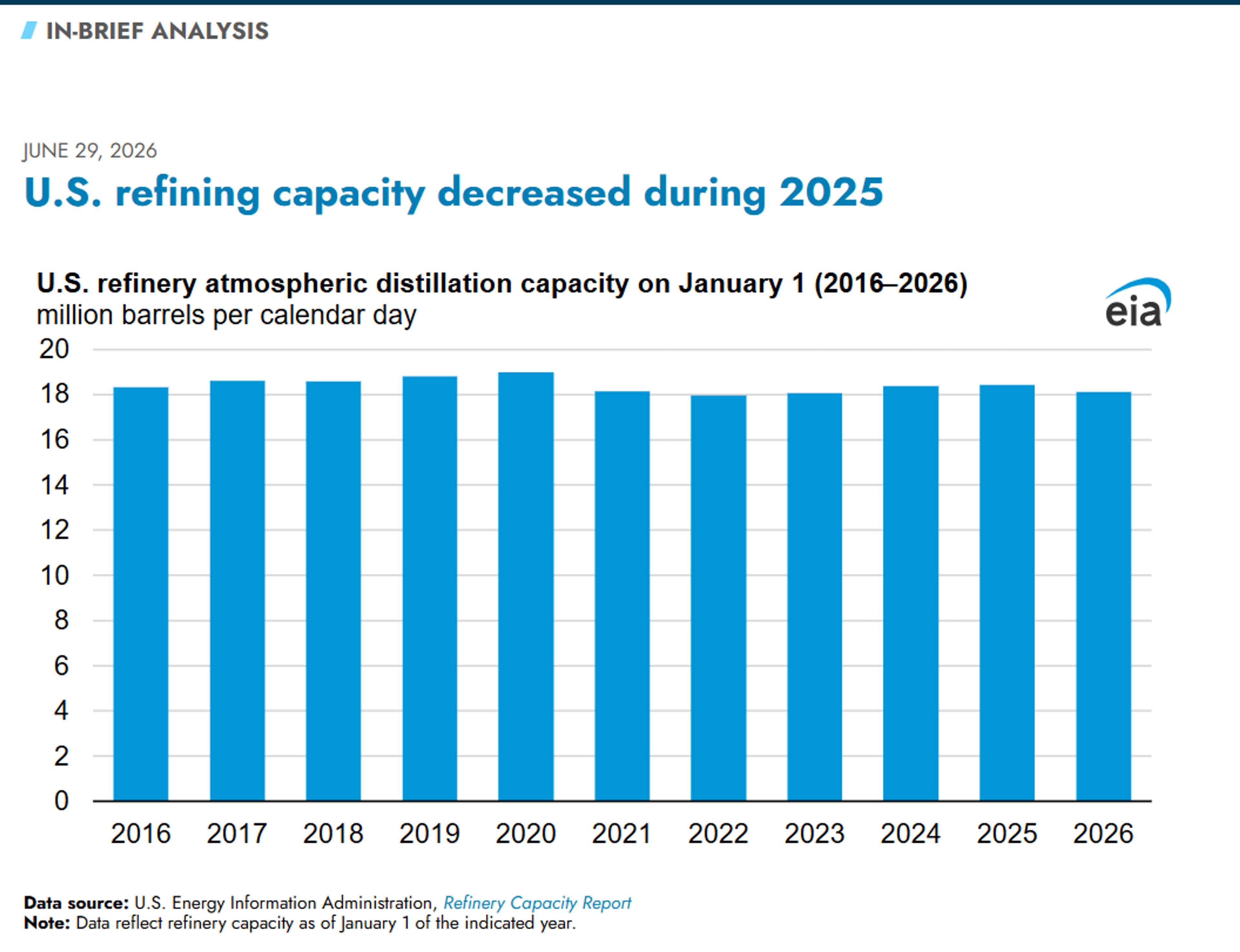
The EIA highlighted the ongoing decline in U.S. refining capacity, with both the Lyondell Houston and P66 Wilmington CA facilities shuttered in 2025, while Valero’s 145mb/day Benecia plant shut down still hasn’t hit the official government stats since they’re only reporting what was available as of January 1 2026. Meanwhile, the country’s 3 largest refiners Marathon, Valero, and Exxon, all reported small capacity increases last year as they continue to optimize their facilities to crank out more supply, which is the theme that has kept U.S. refining run rates leading the world even as numerous plants have shuttered and we haven’t seen a new major refinery built in the country in 50 years.
Latest Posts
Refinery Outages And Global Conflicts Keep Distillates In The Driver's Seat
Storms, Drones And A Walked-Back Export Ban: Why This Week's Selloff Might Not Last
Diesel Rally Resumes Amid Growing Debate Over US Export Limits
Week 38 - US DOE Inventory Recap
Refinery Economics Clash With Calls For A Diesel Export Ban
Diplomacy Knocks Crude Lower, But Diesel Bulls Aren’t Done Yet
Social Media
News & Views
View All
Refinery Outages And Global Conflicts Keep Distillates In The Driver's Seat
Storms, Drones And A Walked-Back Export Ban: Why This Week's Selloff Might Not Last