Supply Risks Persist As Markets Navigate Policy Changes And Global Disruptions

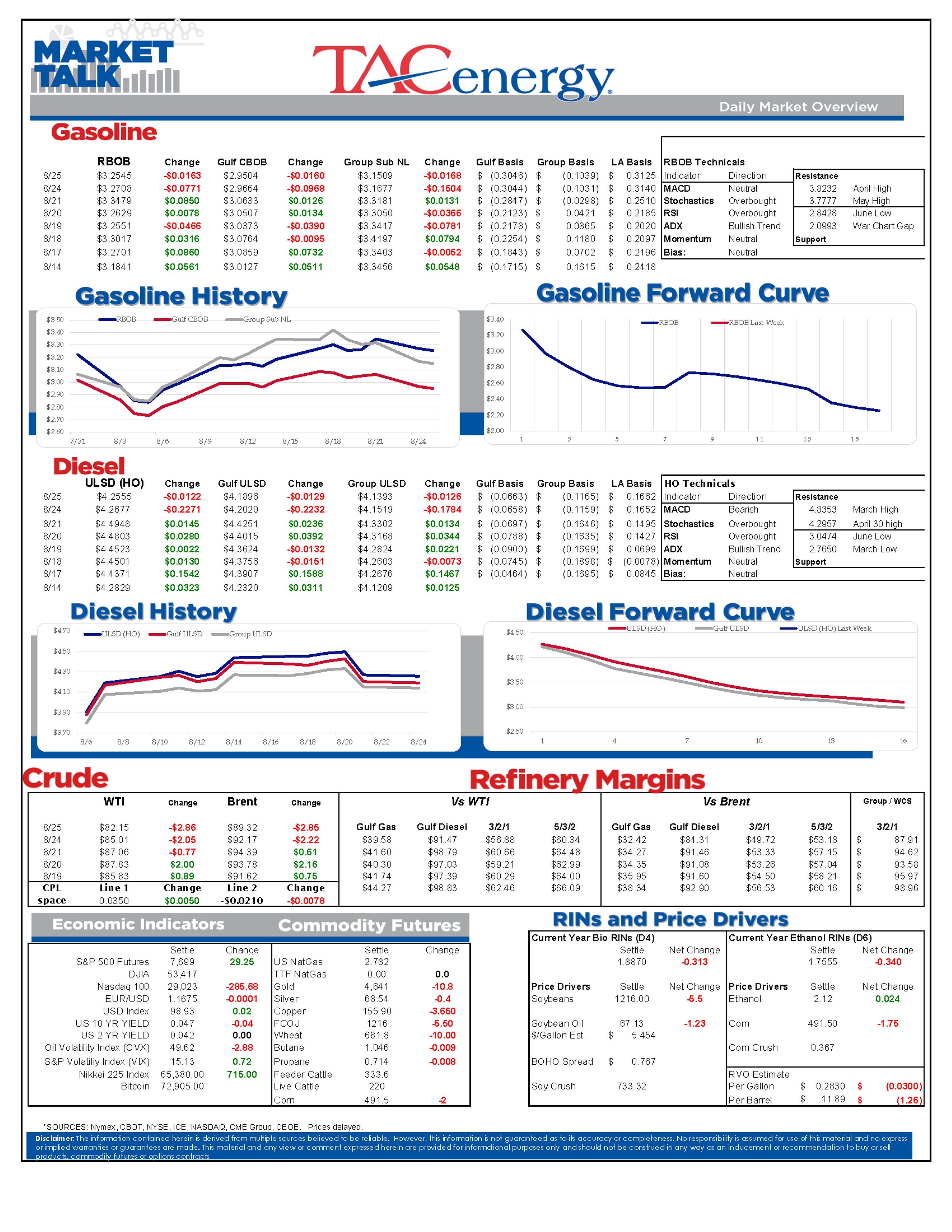
It’s been another busy overnight session for energy contracts, with ULSD prices chopping back and forth between 6 cent gains and 6 cent losses after Monday’s heavy wave of selling, with RBOB following a similar but less dramatic back and forth pattern.
Oil prices seem to be the weaker link in the chain so far this morning, dropping just under $3/barrel with reports that Iran is considering a return to the MOU guidelines that brought about a temporary ceasefire two months ago seeming to be enough to keep buyers at bay, even though the country has promised retaliation for the new sanctions announced by the U.S..
Another oil tanker was attacked near Oman Monday, in another sign that Iran isn’t letting the U.S. sneak ships out of the straight without any pushback. A Saudi Tanker was also reportedly struck near the port of Yanbu over the weekend, which is the port being used by bypass Hormuz, and now in some cases Bab El Mandeb as well.
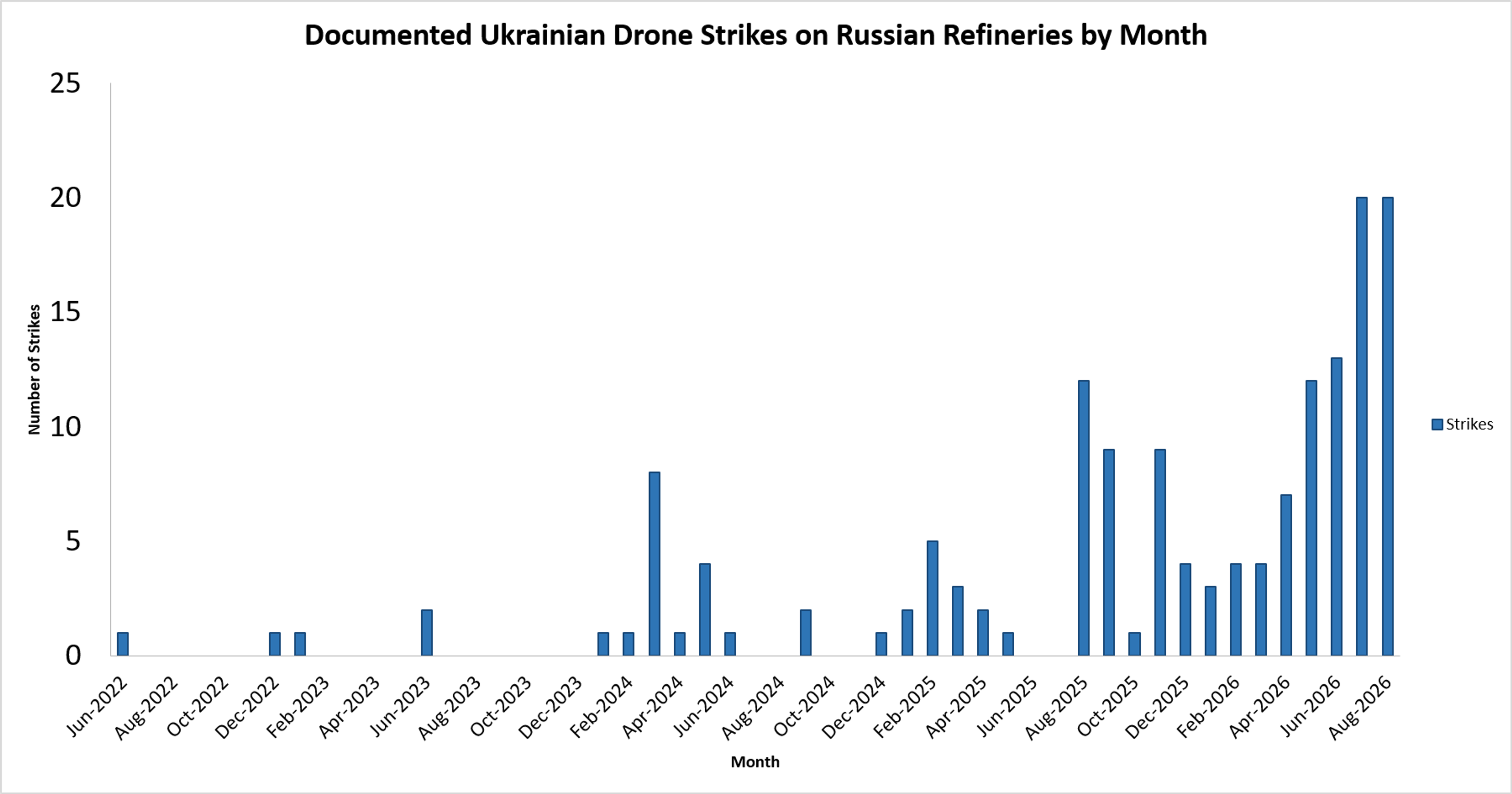
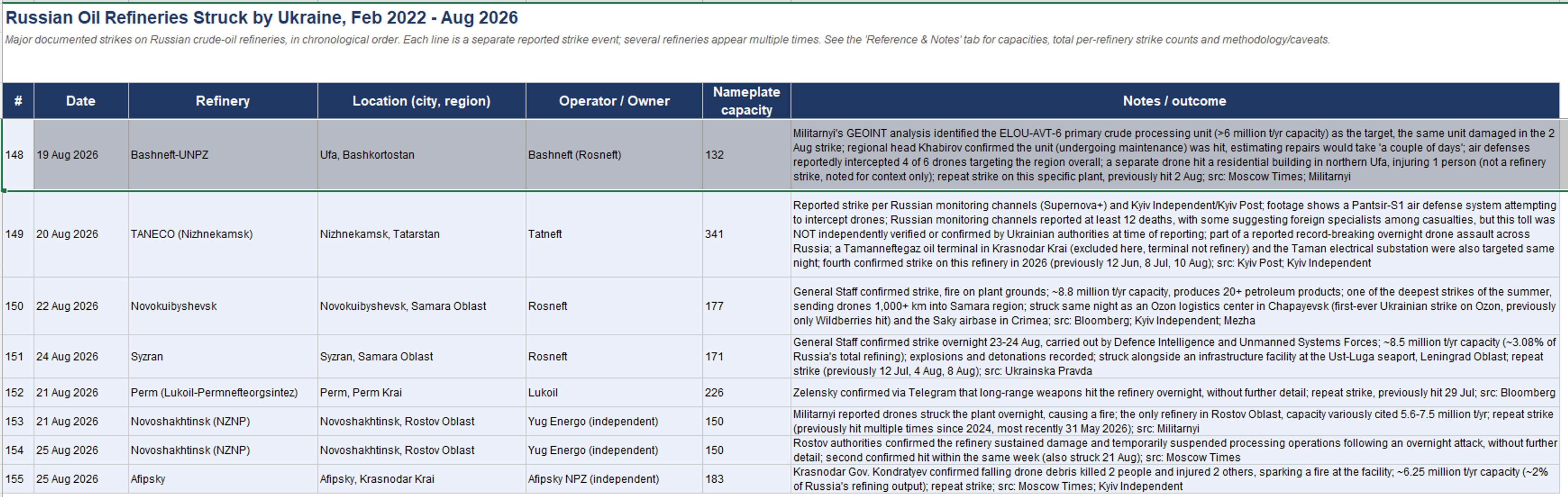
Ukraine struck 2 more Russian refineries with drone attacks overnight, extending their record setting run with multiple casualties, and processing upsets at the facilities report.
A Reuters article Monday offers more detail into the refinery “Super Run” phenomenon we’ve been talking about for weeks, noting that we haven’t seen a stretch of 95% + run rates like this in 25 years, and highlighting the increased threats of breakdowns the longer it lasts. At the same time, the record setting events in the late 90s lasted 24 weeks, while so far this year we’ve only been running hot for 11 weeks, so an immediate change is unlikely unless of course there are major upsets.
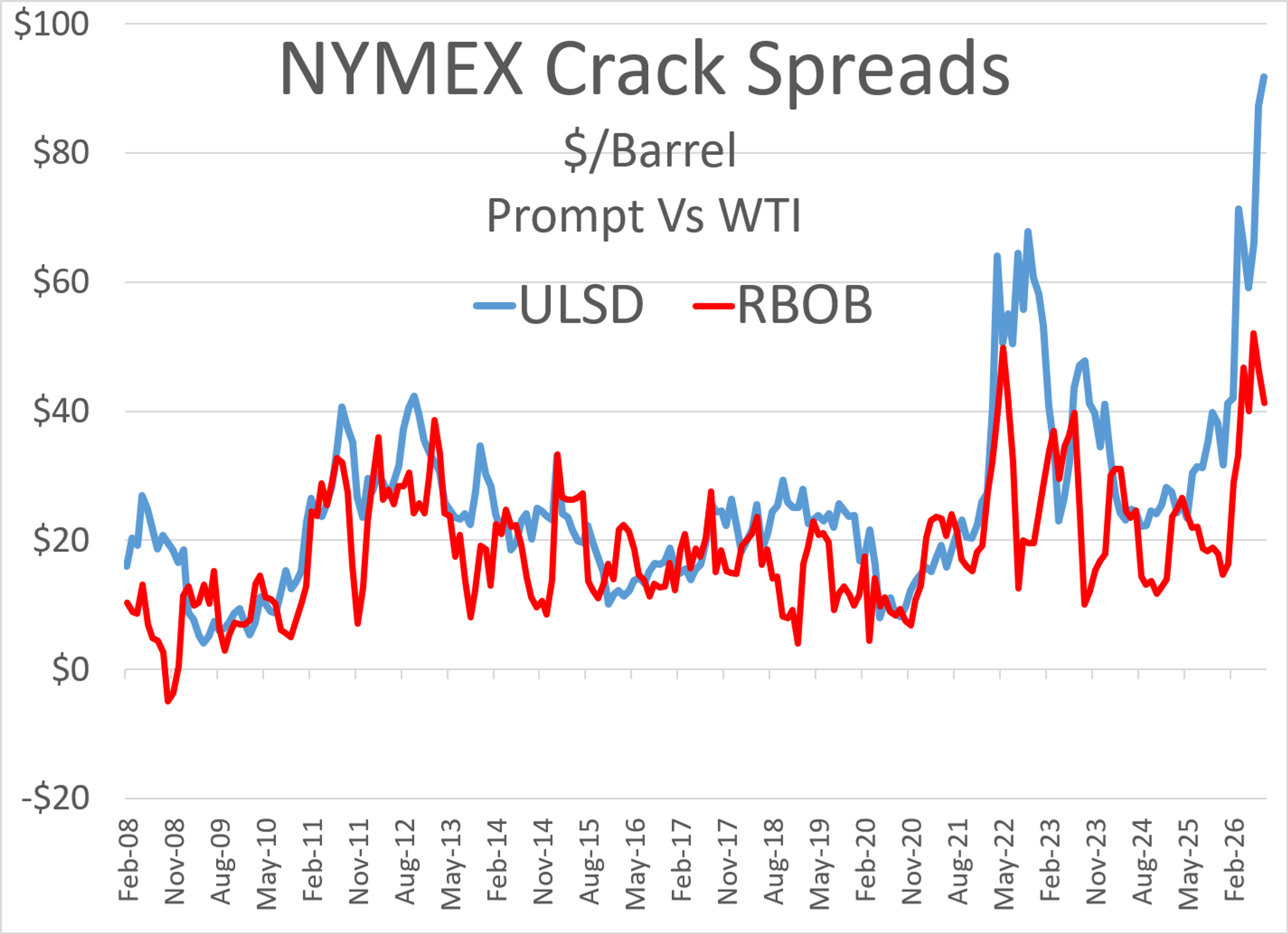
With the EPA moving up the fall RVP blend down calendar, a flood of winter grade supply is already starting to hit the market, which will weight on crack spreads, particularly as we reach the end of the summer driving season in just 2 weeks, but even with this week’s pullback in diesel crack spreads and lower gasoline values, the margins available to refiners are still holding close to record levels, and will continue incentivizing them to push the envelope for a while longer.
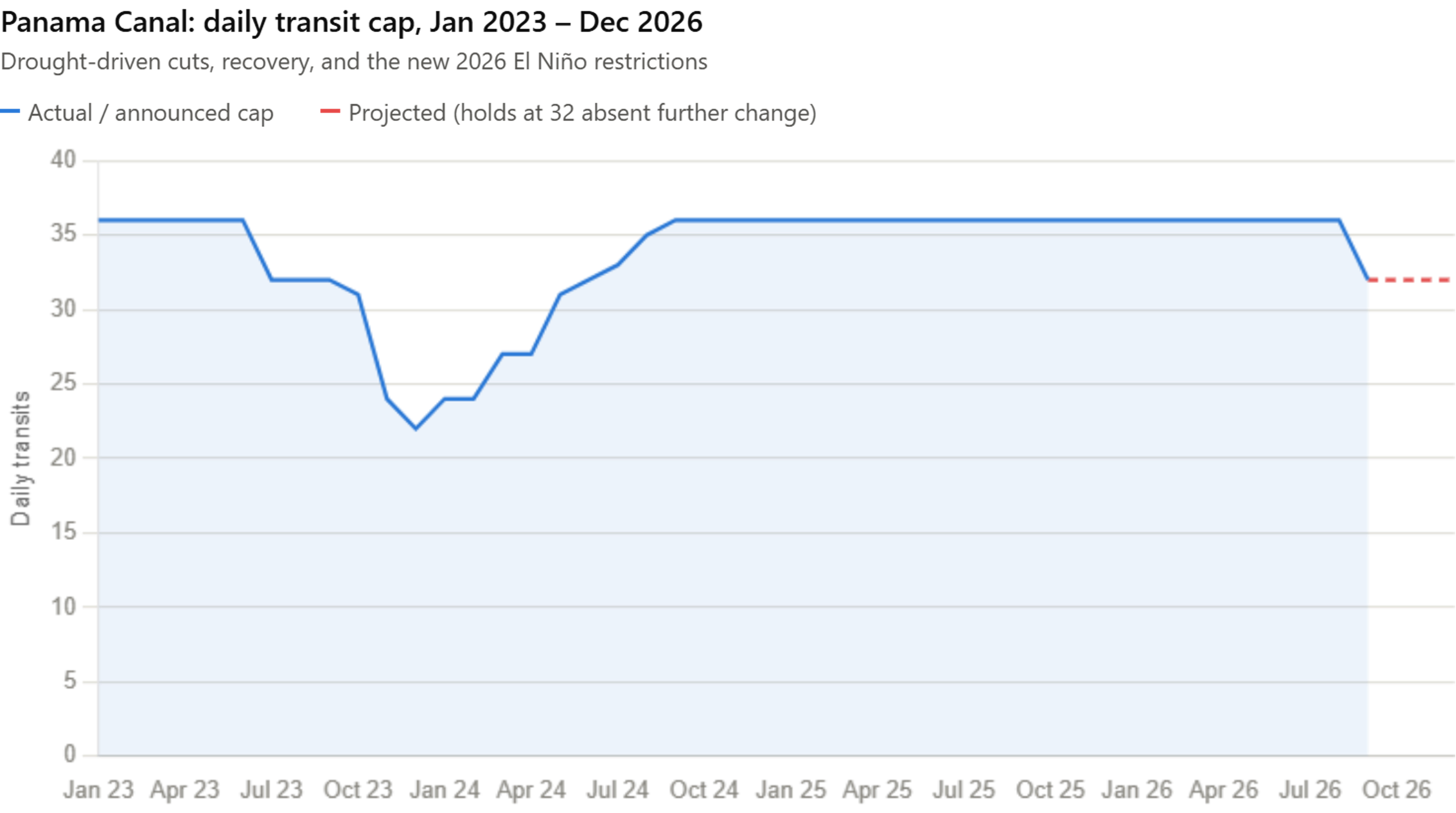
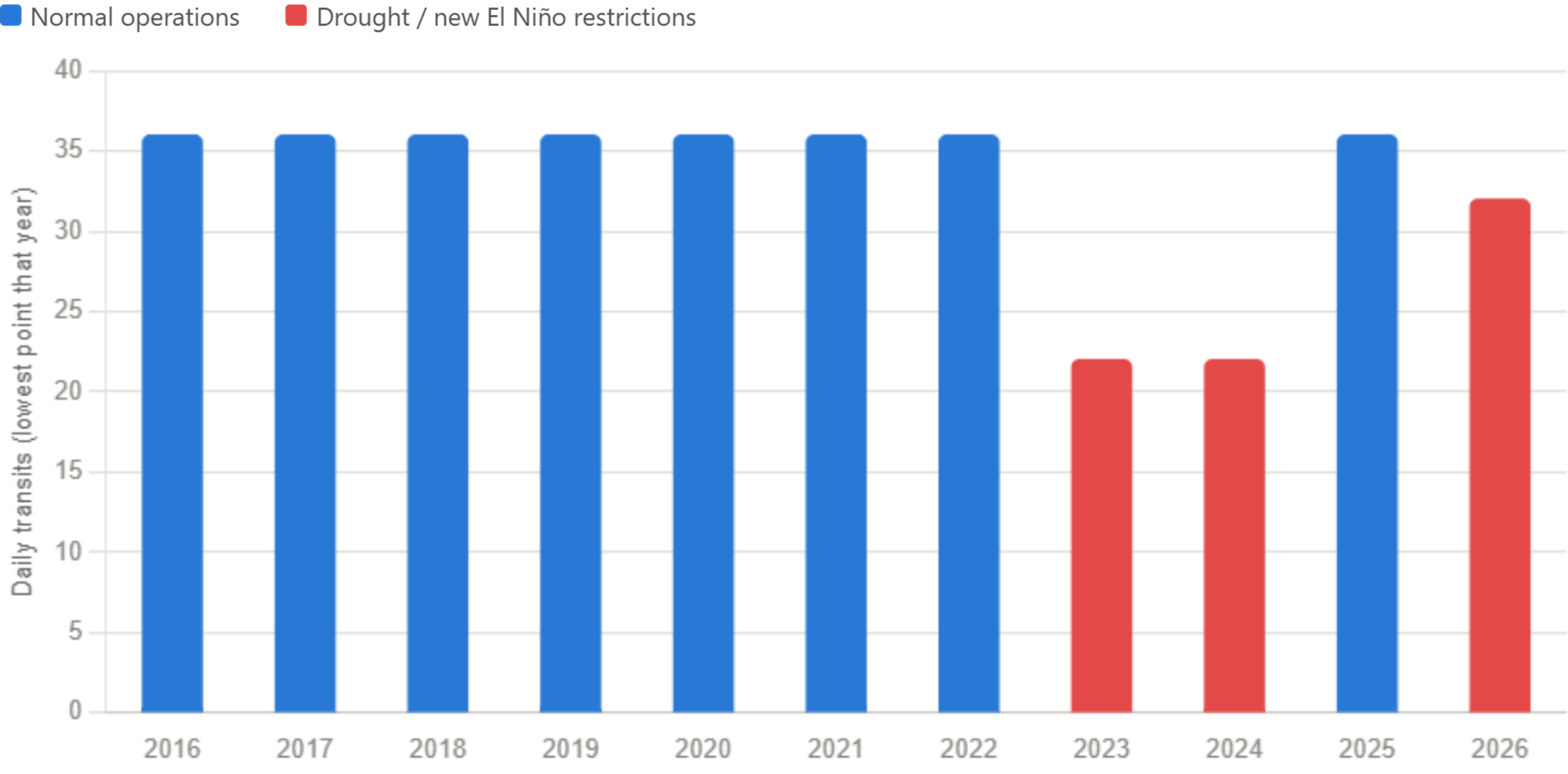
The Panama Canal Authority is further restricting the maximum daily transits in September from 36-34 next week, then to 32 by the 15th. In addition to reducing the volume of ships, the restrictions also limit the maximum cargo on those ships as water levels drop. While any disruption to shipping traffic is a concern given the various war impacts globally, so far the restrictions are not close to what we saw during the drought in late 2023 and early 2024 when the maximum was dropped to 22/day. See the charts below for reference. That said, given that we’re still in the early innings of what’s forecasted to be a record-setting El Nino event, it’s likely we’ll see these restrictions get worse before they get better.
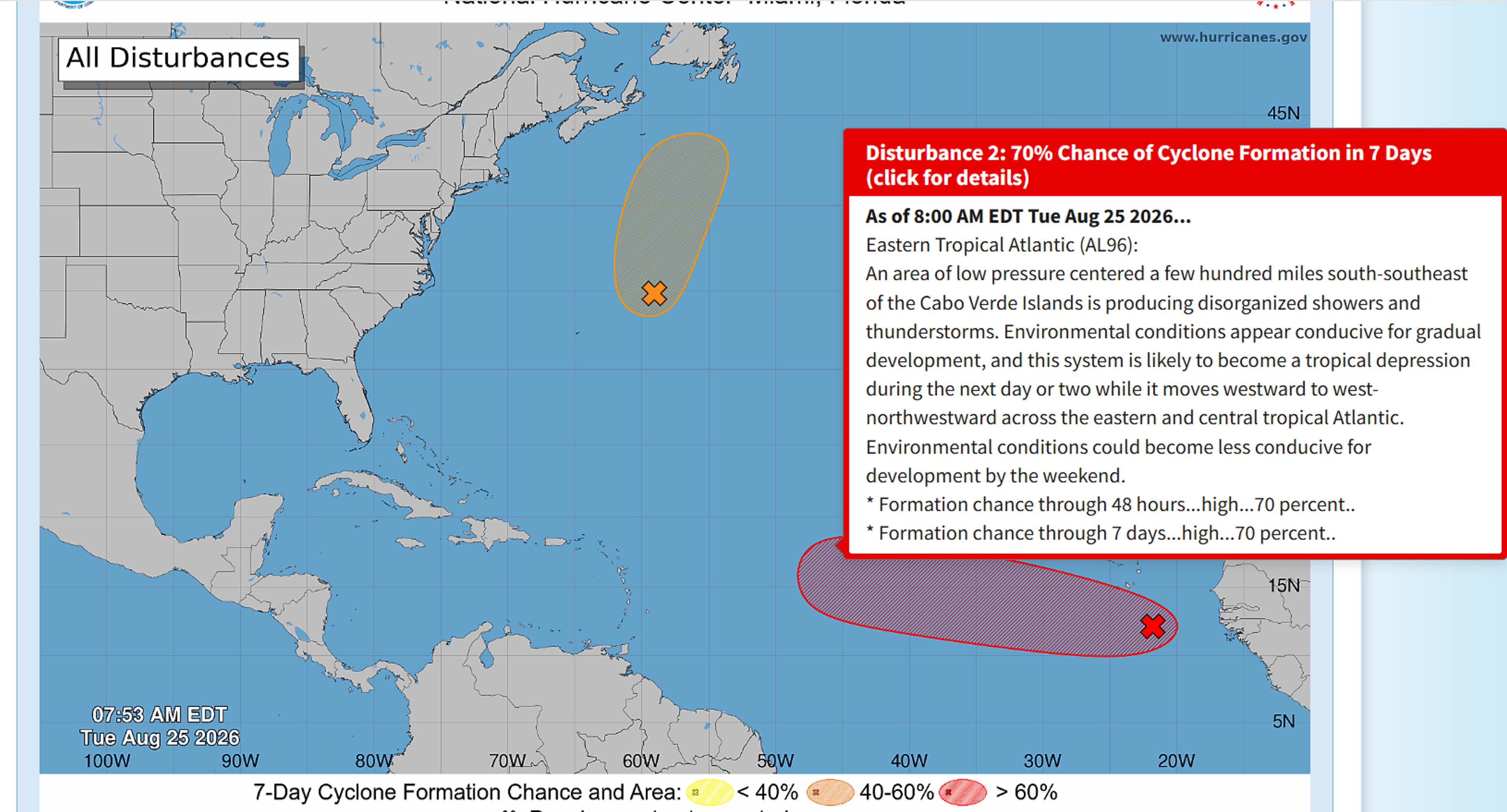
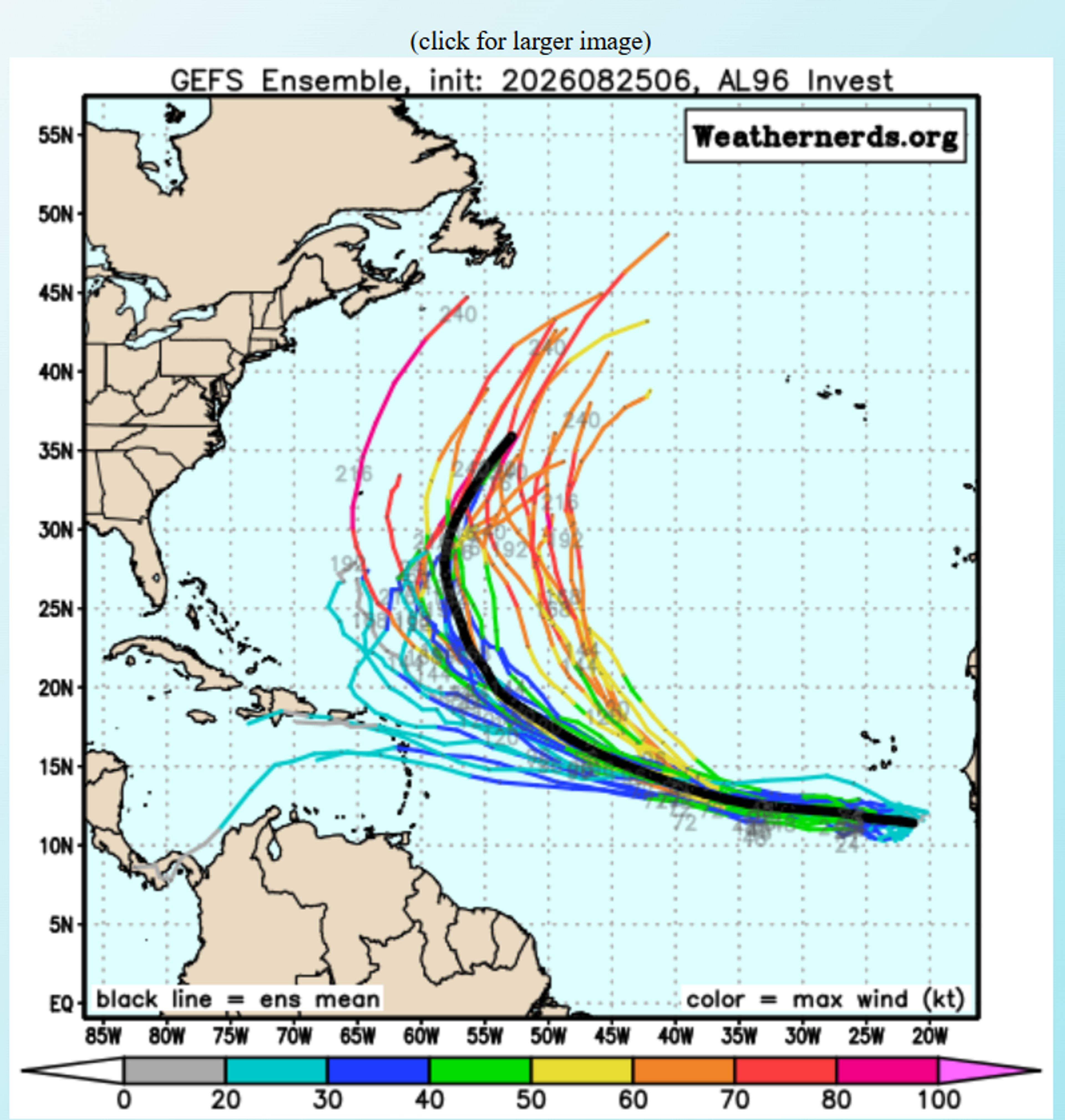
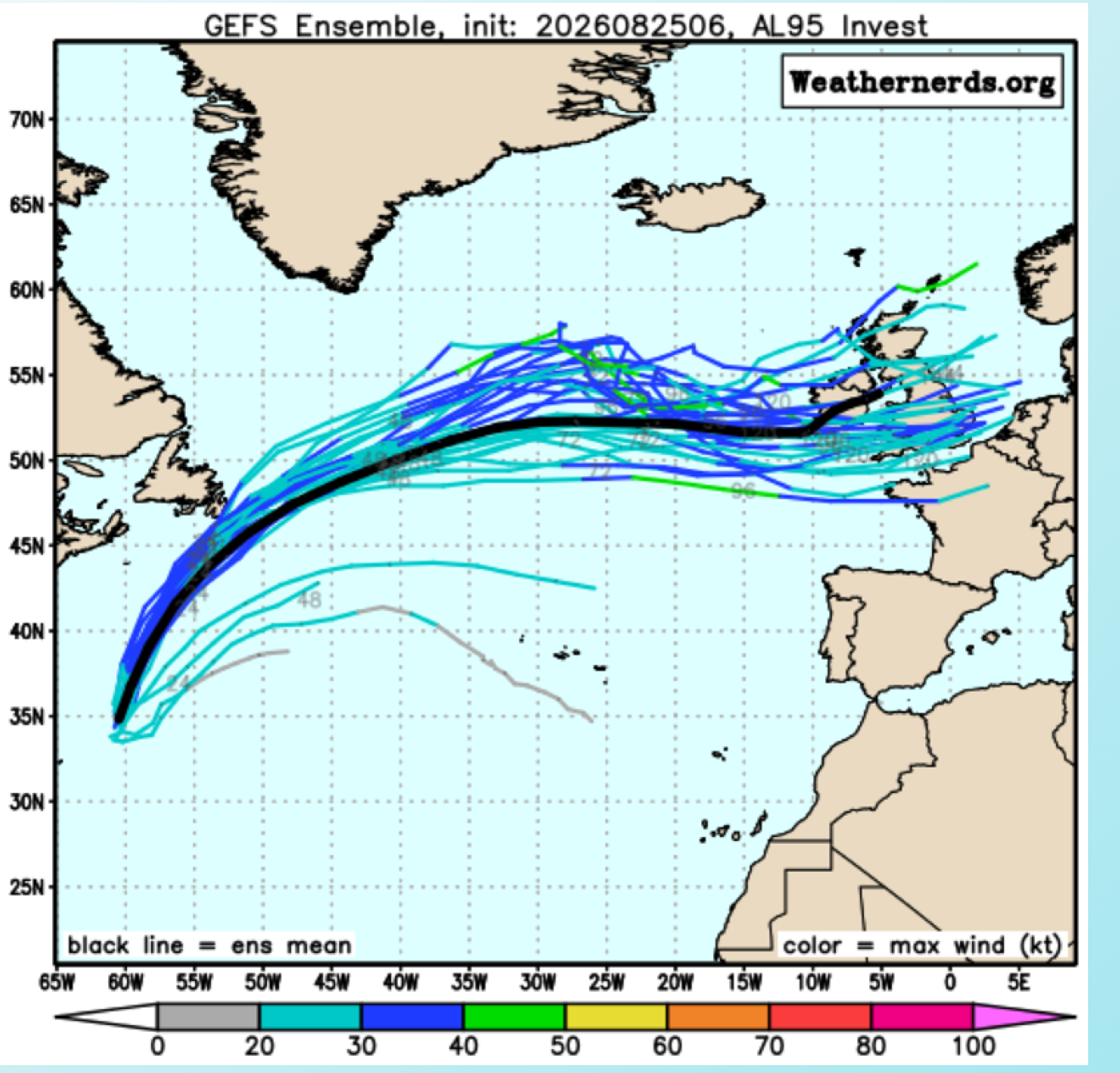
The NHC continues to track 2 storm systems in the Atlantic. AL95 is east of Bermuda and poses no threat to the U.S. coastline as it looks poised to hook east and target the UK next week, with 50% odds of being named. AL 96 has been upgraded to 70% odds of getting a name, but long range forecasts (see the weathernerds maps below) suggest it will stay out to sea.
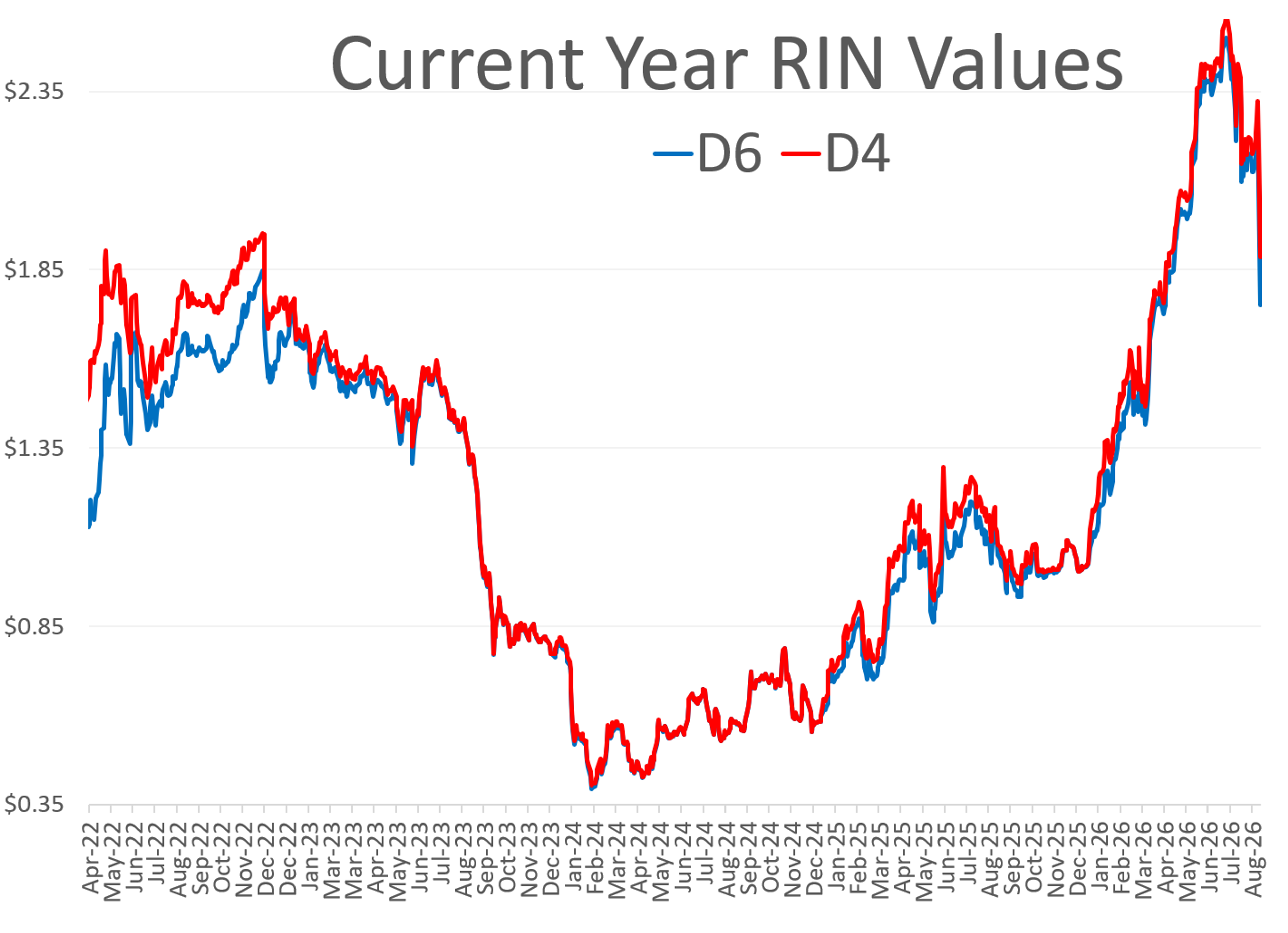
RIN values went from $2.25 Friday morning to a low of $1.65 Monday morning before finding a bid and ending the day in the mid $1.80 range for D6 values, with D4s holding around a 10-12 cents higher. Friday’s announcement from the EPA that it would provide an update on all remaining Small Refining waivers for 2025 by the end of the month, and a delay in 2025 compliance were the catalyst for the huge slide, even though details on both items are still unknown. The day prior to the selloff RIN values had jumped more than a dime after the EPA’s July RIN generation report showed that the country was still falling well short of the mandated levels.

Latest Posts
Volatility Returns As Traders Weigh Storm Risk And Global Supply Threats
Crude, Diesel, And Storm Risks: Key Drivers Behind Today's Rally
Refinery Outages, Storm Risks, And Export Constraints Lift Distillates
Week 40 - US DOE Inventory Recap
Diesel Leads Energy Markets Lower Despite Mounting Geopolitical Risks
Energy Markets Mixed As Diesel Rallies And Supply Concerns Persist
Social Media
News & Views
View All
Volatility Returns As Traders Weigh Storm Risk And Global Supply Threats
Crude, Diesel, And Storm Risks: Key Drivers Behind Today's Rally