Oil Climbs On Strait Tensions As Cracks Emerge Beneath The Surface

Energy markets are moving higher to start the week following yet another military escalation in and around the Strait of Hormuz over the weekend. While the fighting seems to be on hold for now, with a new round of talks set for Doha tomorrow, multiple attacks on ships trying to transit the strait in the past week creates a huge bit of doubt that Iranian negotiators working on peace actually control the guys with the missiles.
A helicopter crashed near the Saudi Ras Tanura port & refinery facility over the weekend, killing 14 people on board. That facility, which houses both the world’s largest offshore oil port (with capacity for 6.5 million barrels/day of exports) and a 550mb/day refinery, was just re-opened on Friday after a 4 month shutdown due to the war. Early reports suggest that the crash was not caused by an attack, although the investigation into the cause is ongoing and it’s still unclear if the crash is impacting operations at the port or refinery.
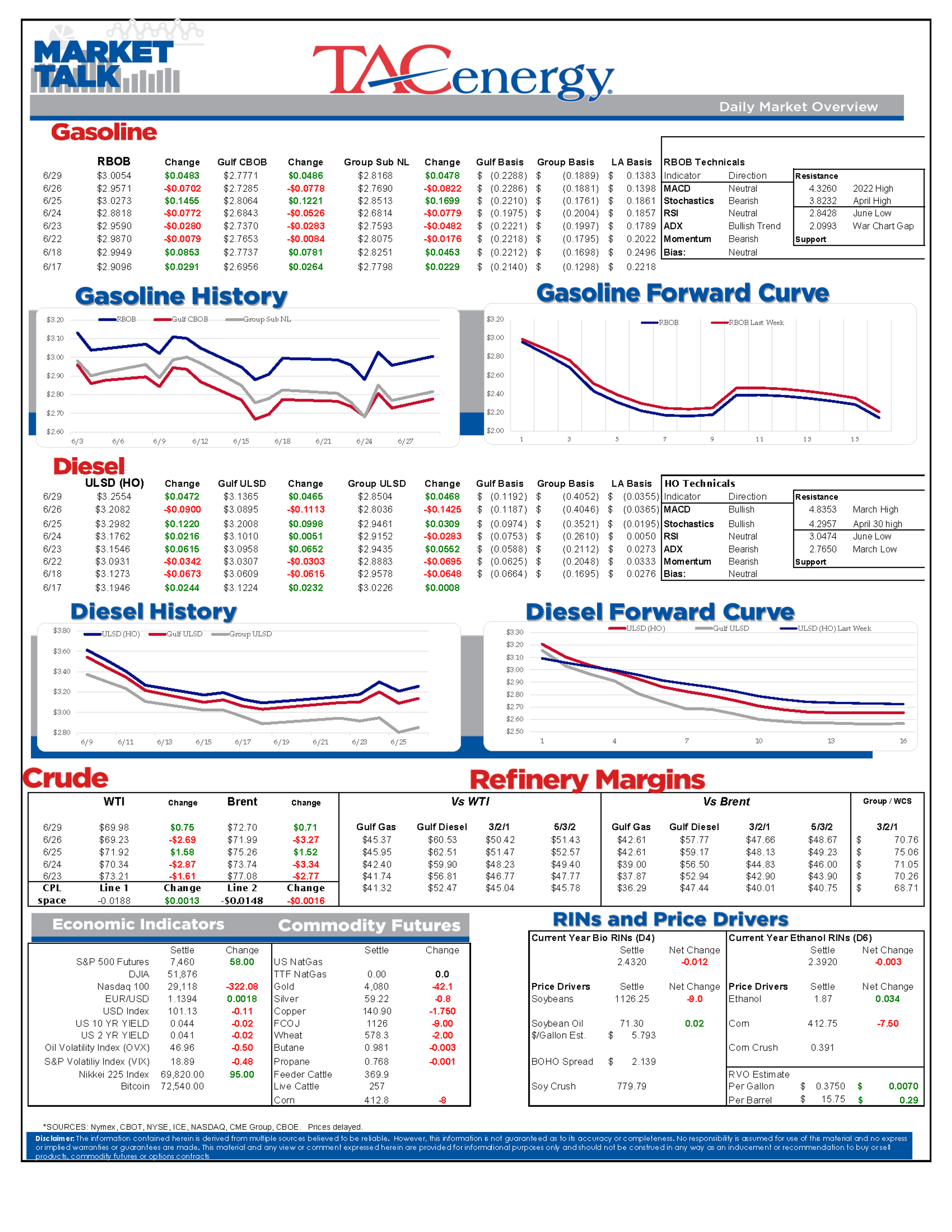
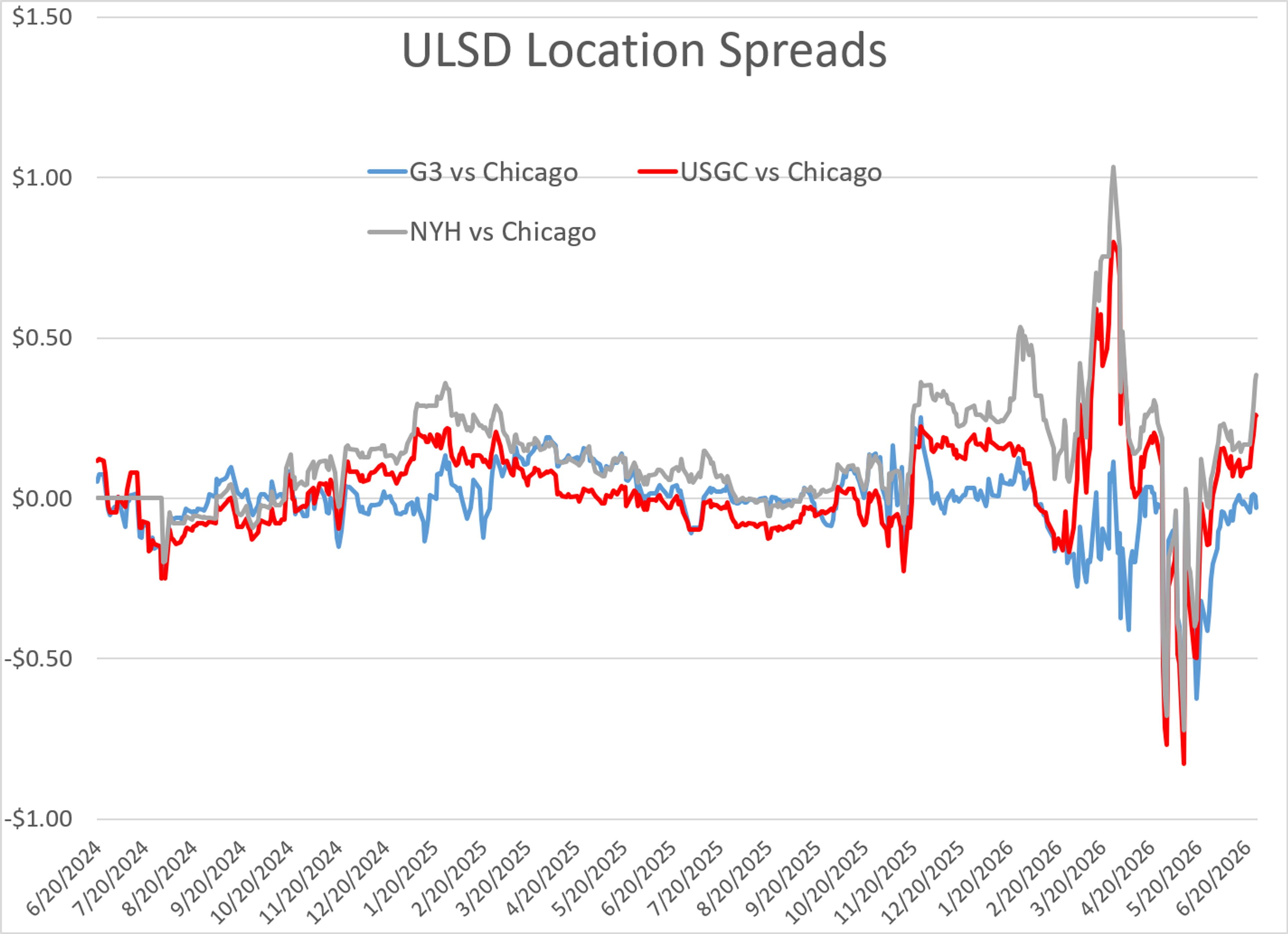
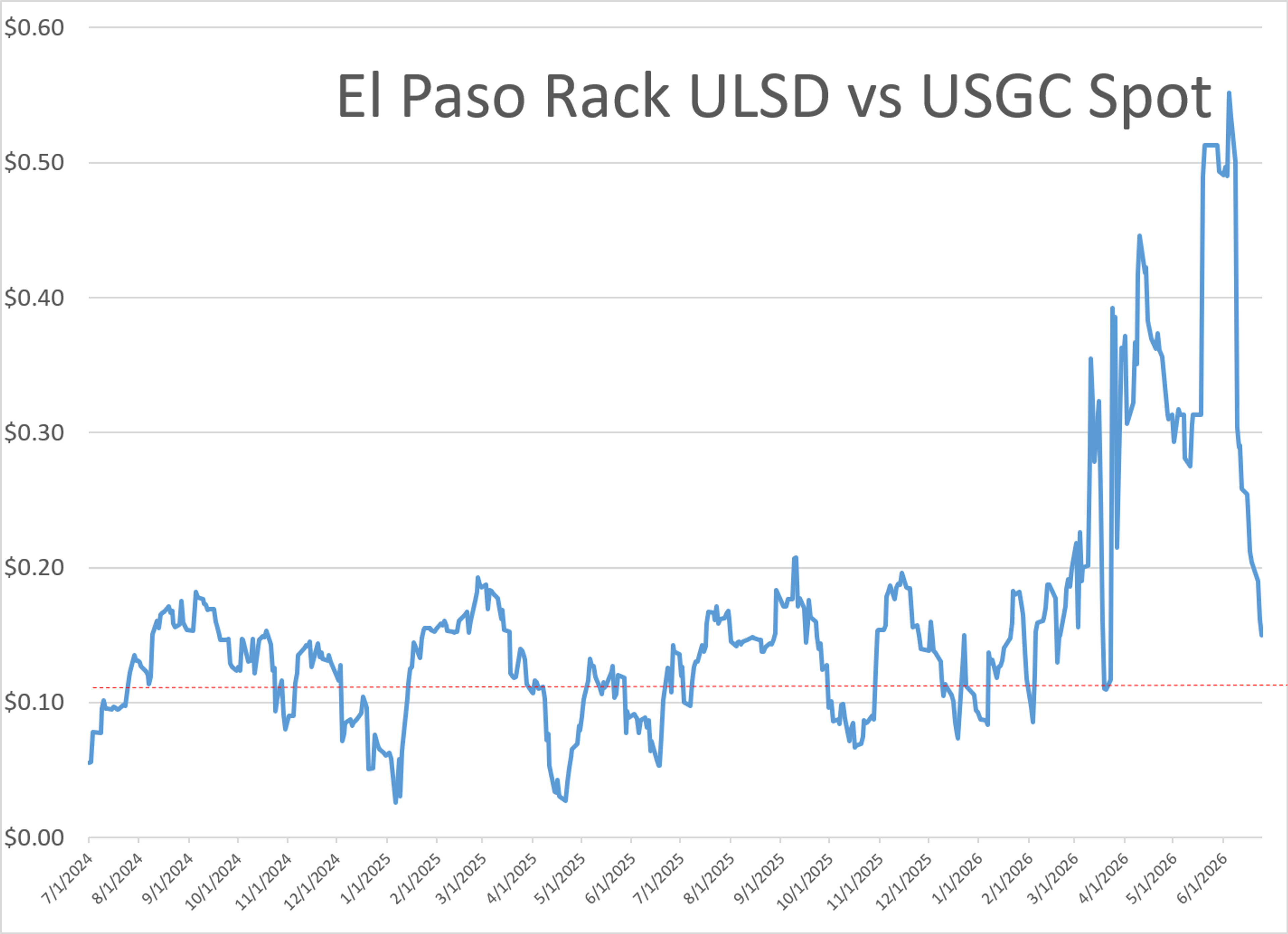
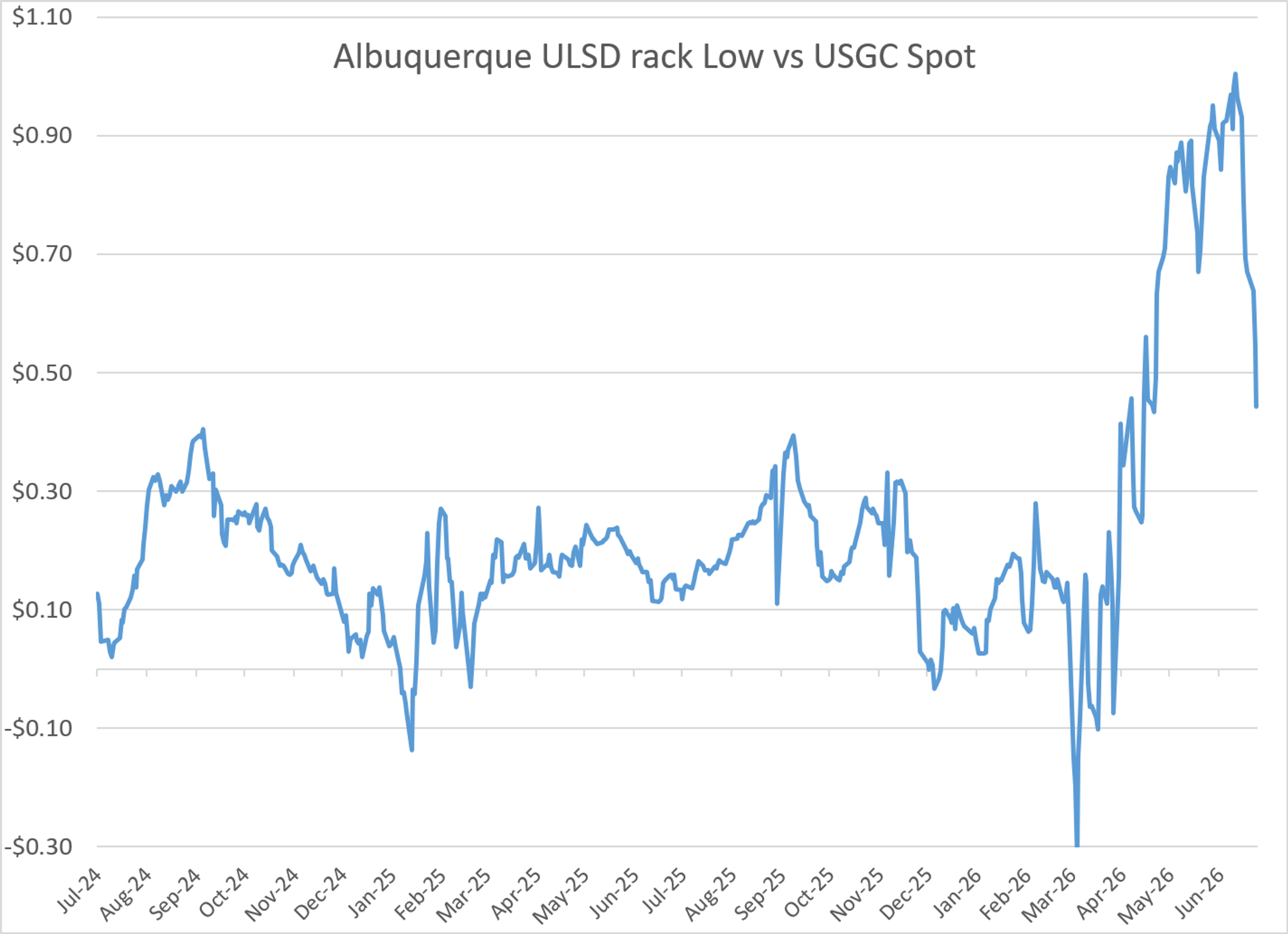
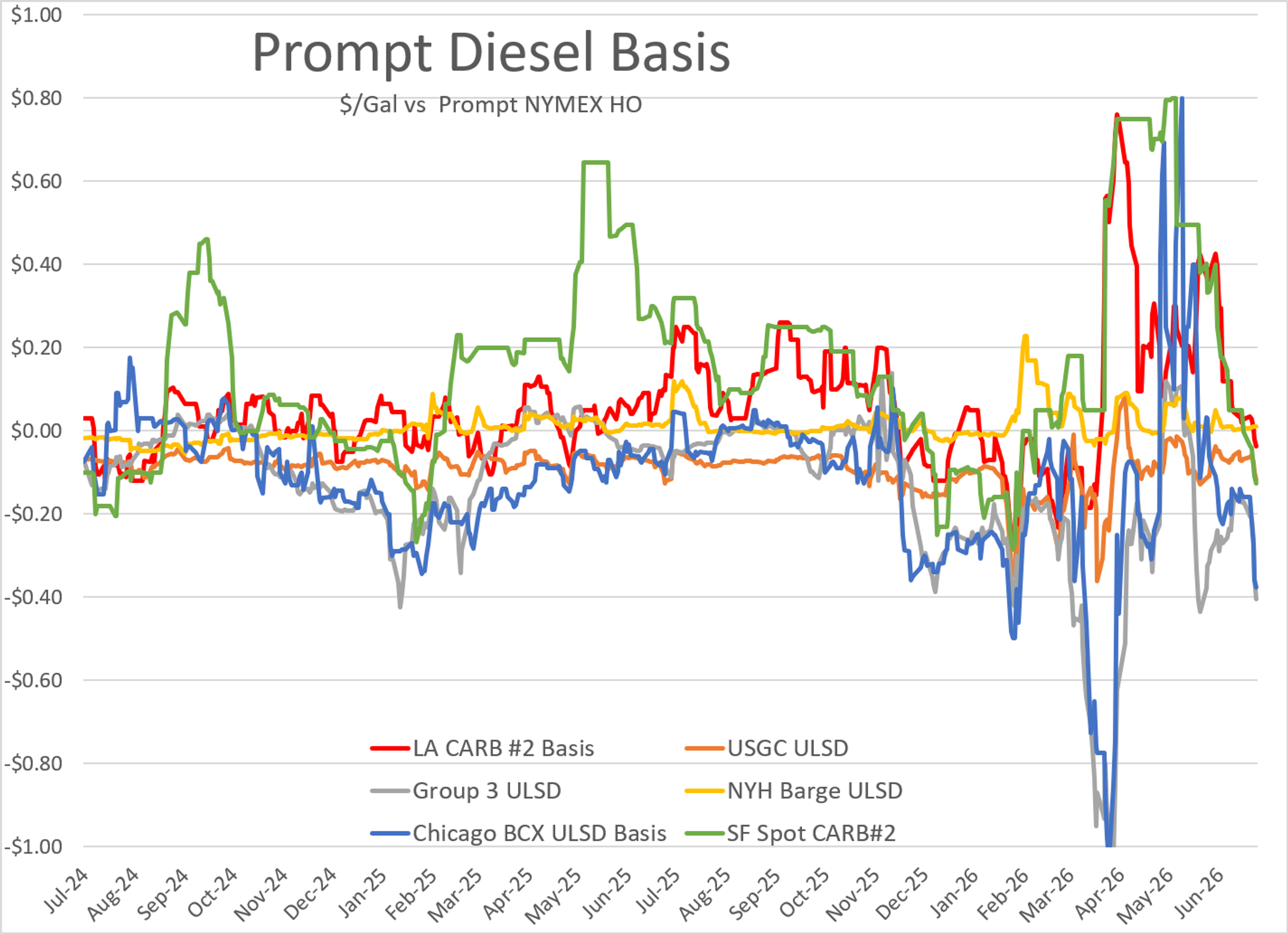
Not buying it: While ULSD futures have rallied more than 20 cents off the 3 month lows they set last week, pushing prompt time spreads back to a double digit premium after dipping as low 2 cents between the July and August contracts, diesel basis values have been under heavy selling pressure across most of the country. At this point, only NY Harbor spot values are trading at a premium to the soon-expiring July contract, while every other cash market in the country is holding at a discount (although most are already trading vs August) which is a phenomenon we have not witnessed since January. We’re also seeing a sharp contraction in rack spreads vs those spot markets, most notably across the Southwestern U.S. where huge premiums had carried through the spring, but are now seeing values collapse.
Ukraine hit two more Russian refineries with drone strikes over the weekend, continuing to ramp up their pressure campaign on fuel supplies and exports that continues to create larger cracks in the Russian economy. Meanwhile, new reports suggest that Russia is using its shadow fleet of oil tankers for its asymmetric warfare against European allies of Ukraine, which some believe may be the next phase of the war.
Total was forced to shut its 240mb/day refinery near Normandy France due to a loss of power caused by the record setting heatwave gripping the region.
Meanwhile, Venezuela’s largest refinery was also forced offline due to power loss caused by last week’s devastating earthquakes. The Amuay refinery is theoretically one of the largest in the world at 645mb/day of nameplate capacity, but has run at just a fraction of that rate for years due to the generally brutal state of the country’s economy and infrastructure.
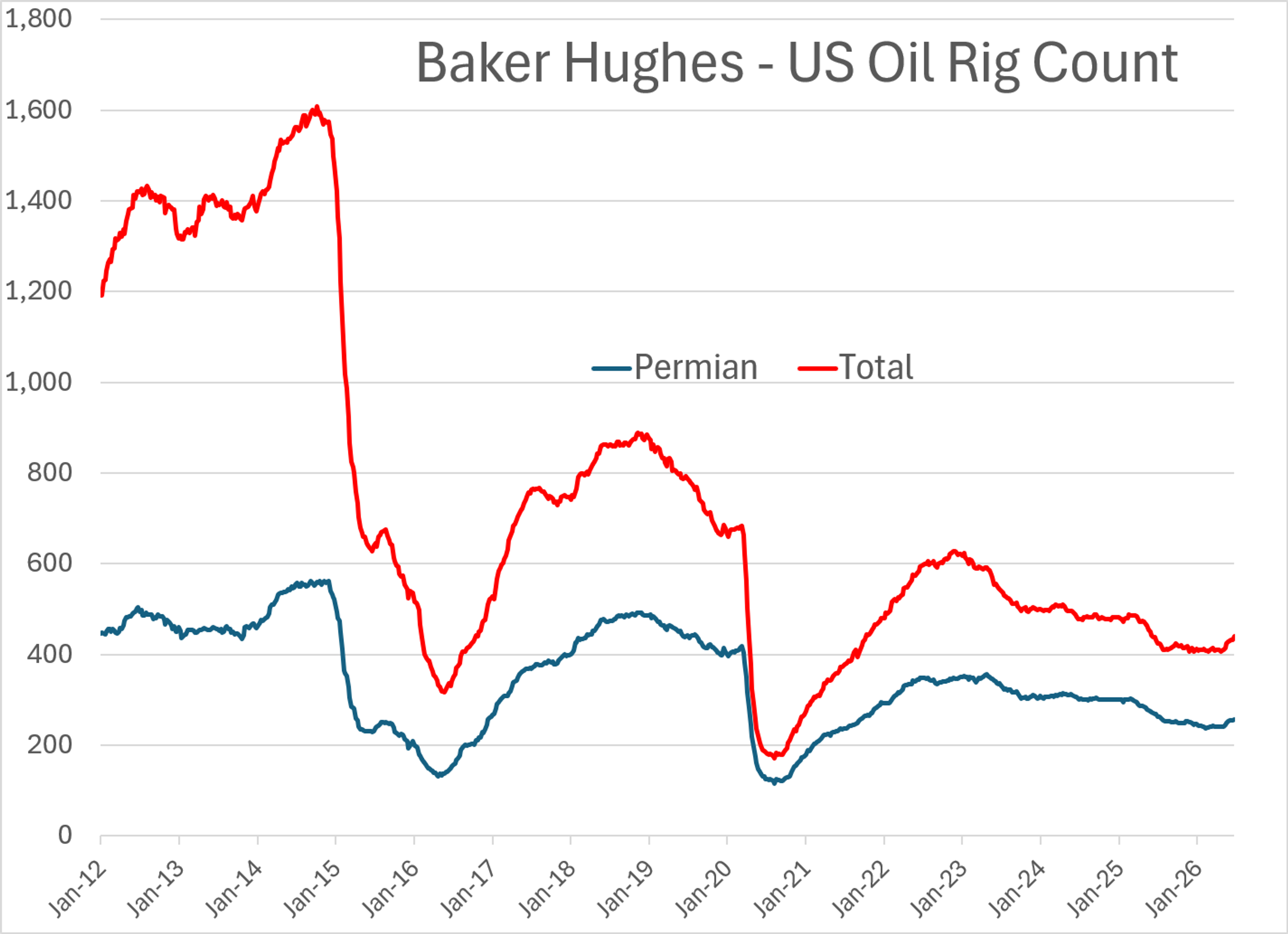
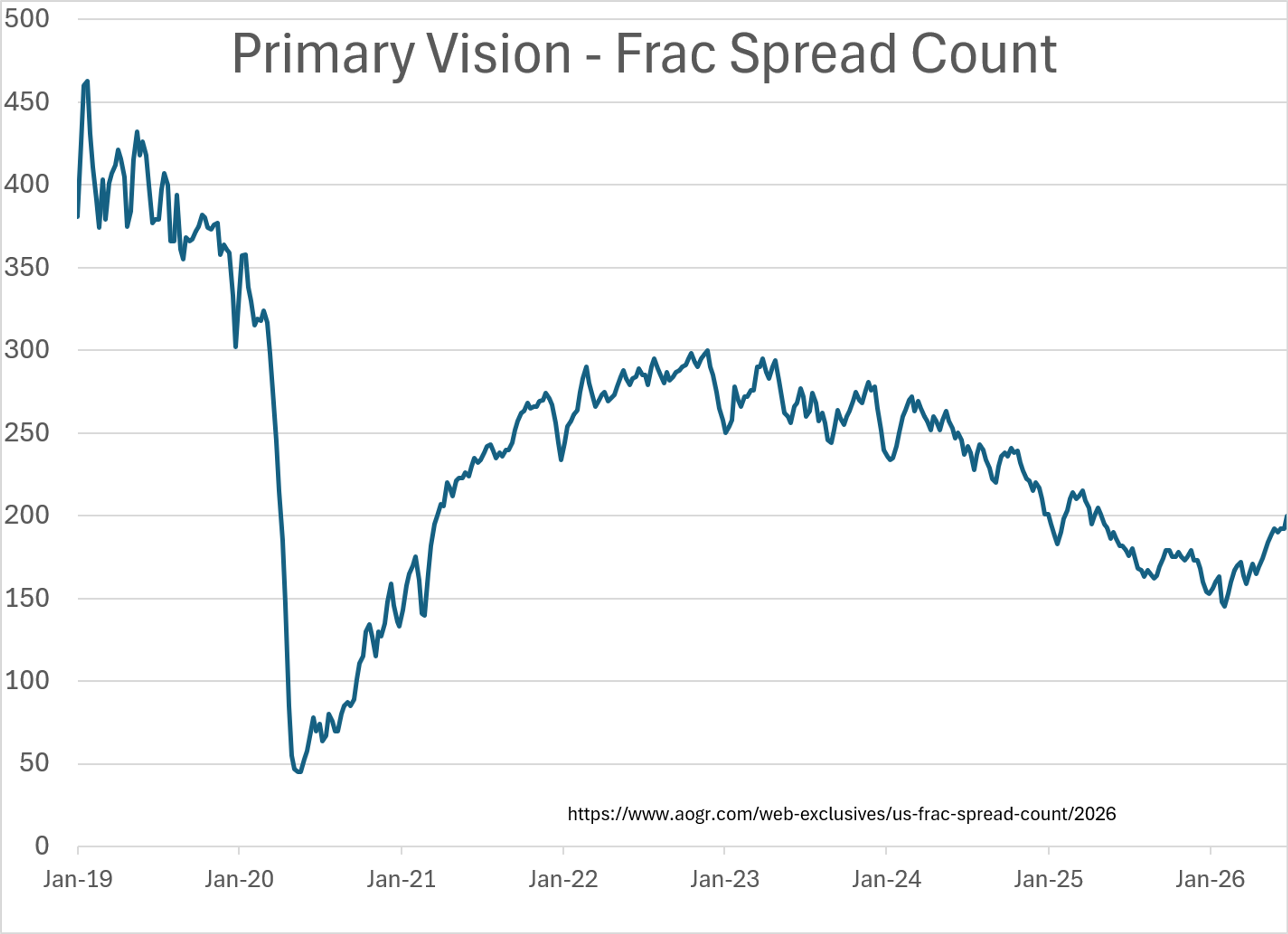
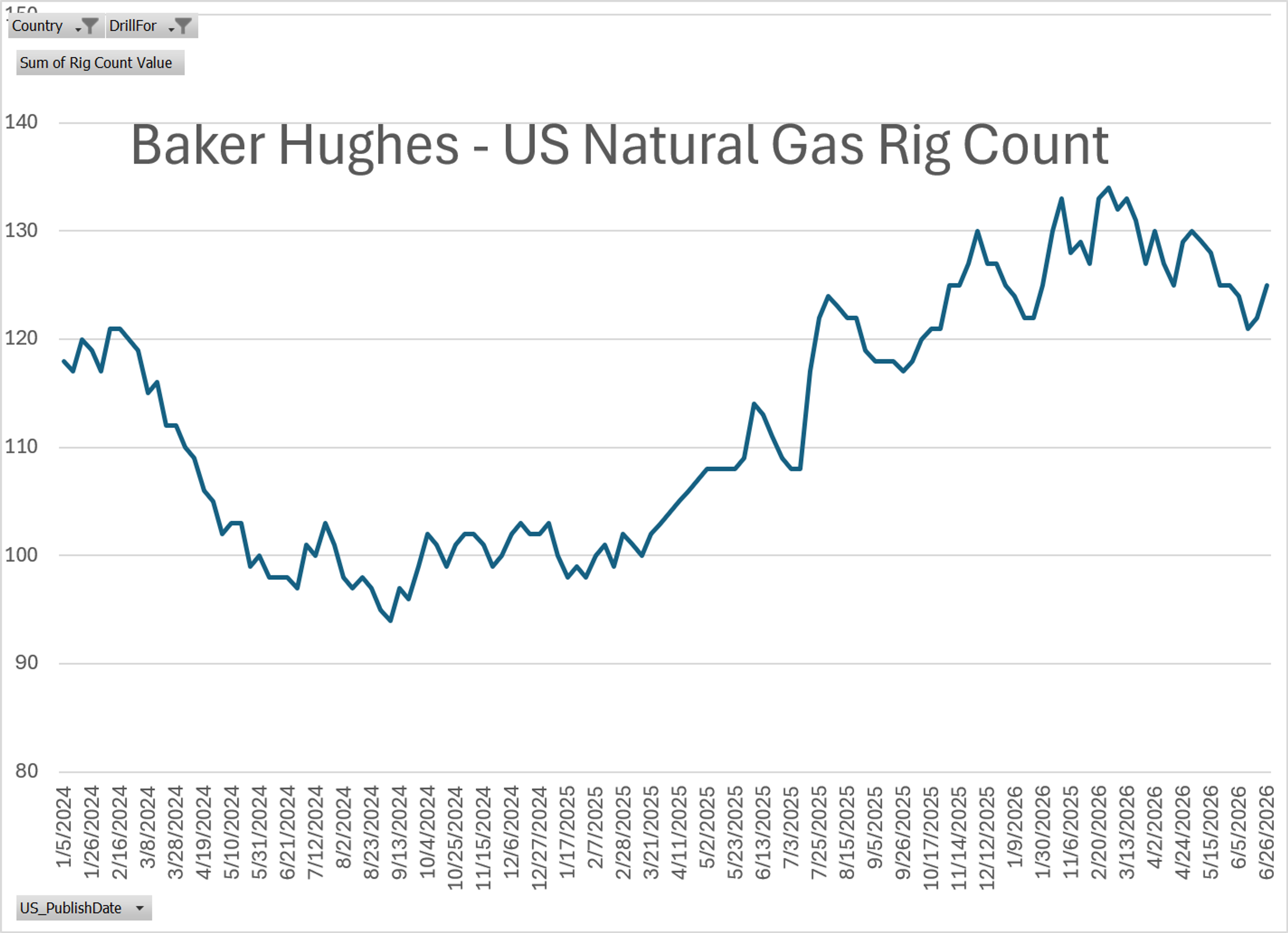
Just in time for prices to drop back to $70: Baker Hughes reported an increase of 7 oil rigs active in the U.S. last week, bringing the total count to a fresh 1 year high, while the natural gas rig count increased by 3. The Primary Vision count of fracking crews active in the U.S. increased by 8 on the week, its highest since the first week of May 2025.
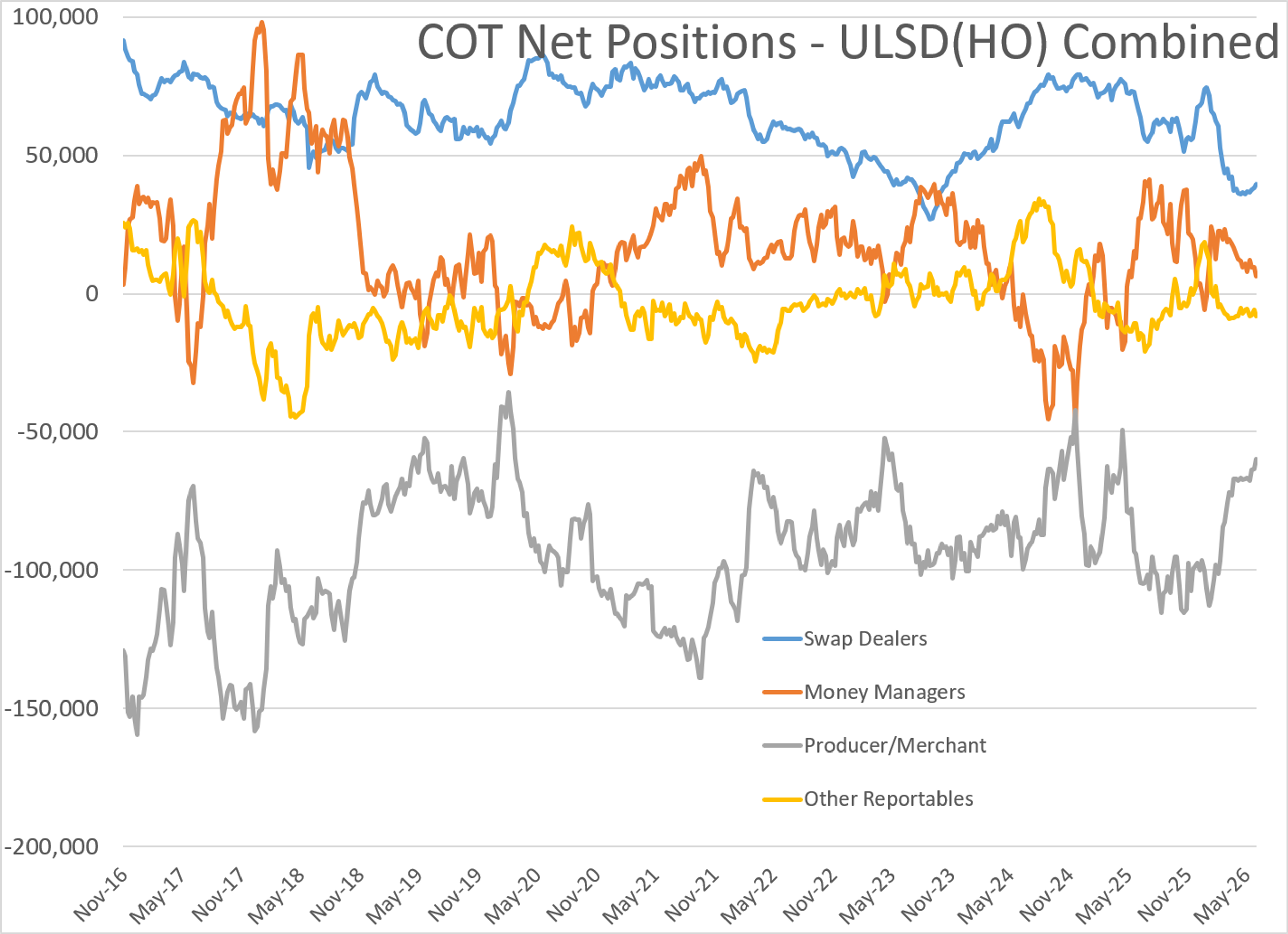
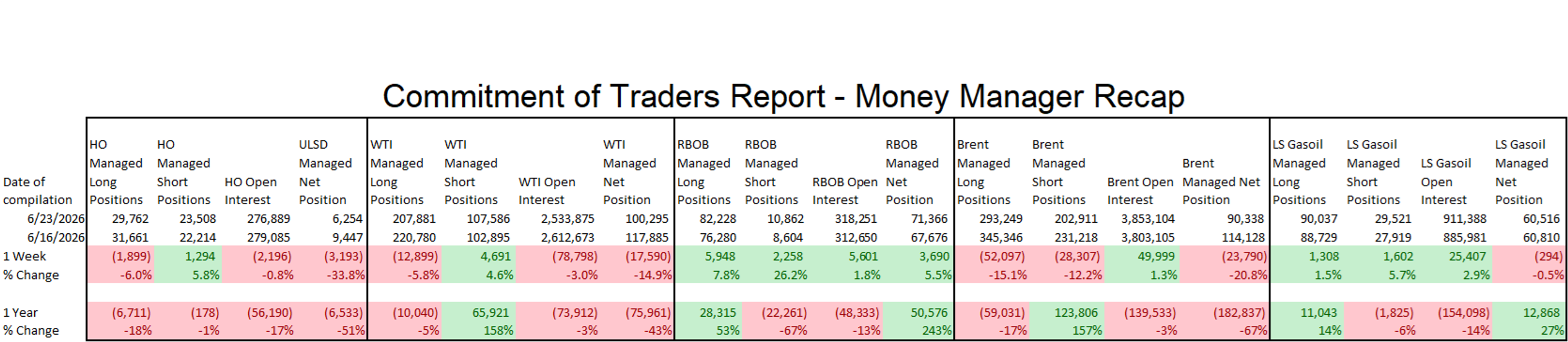
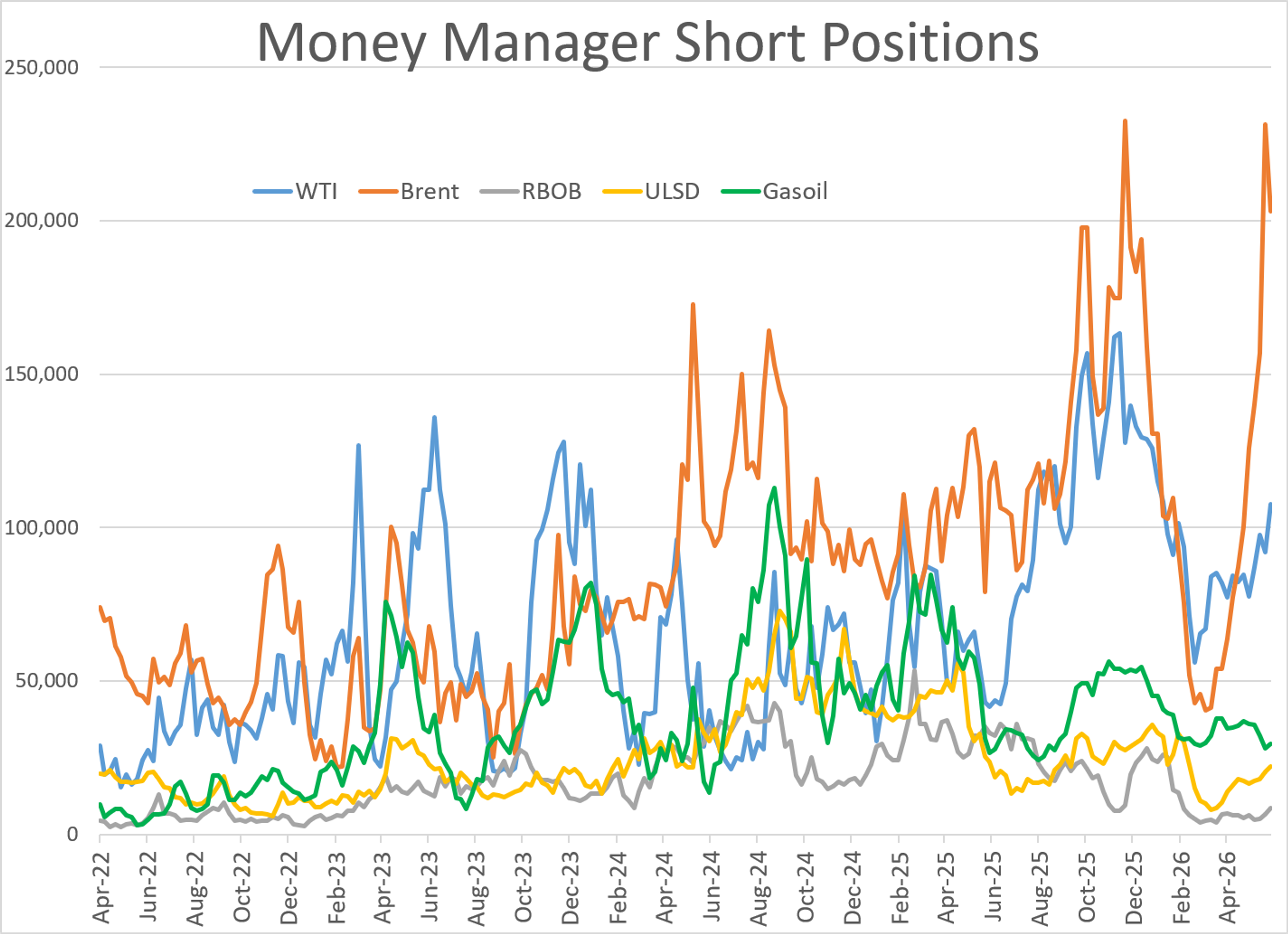
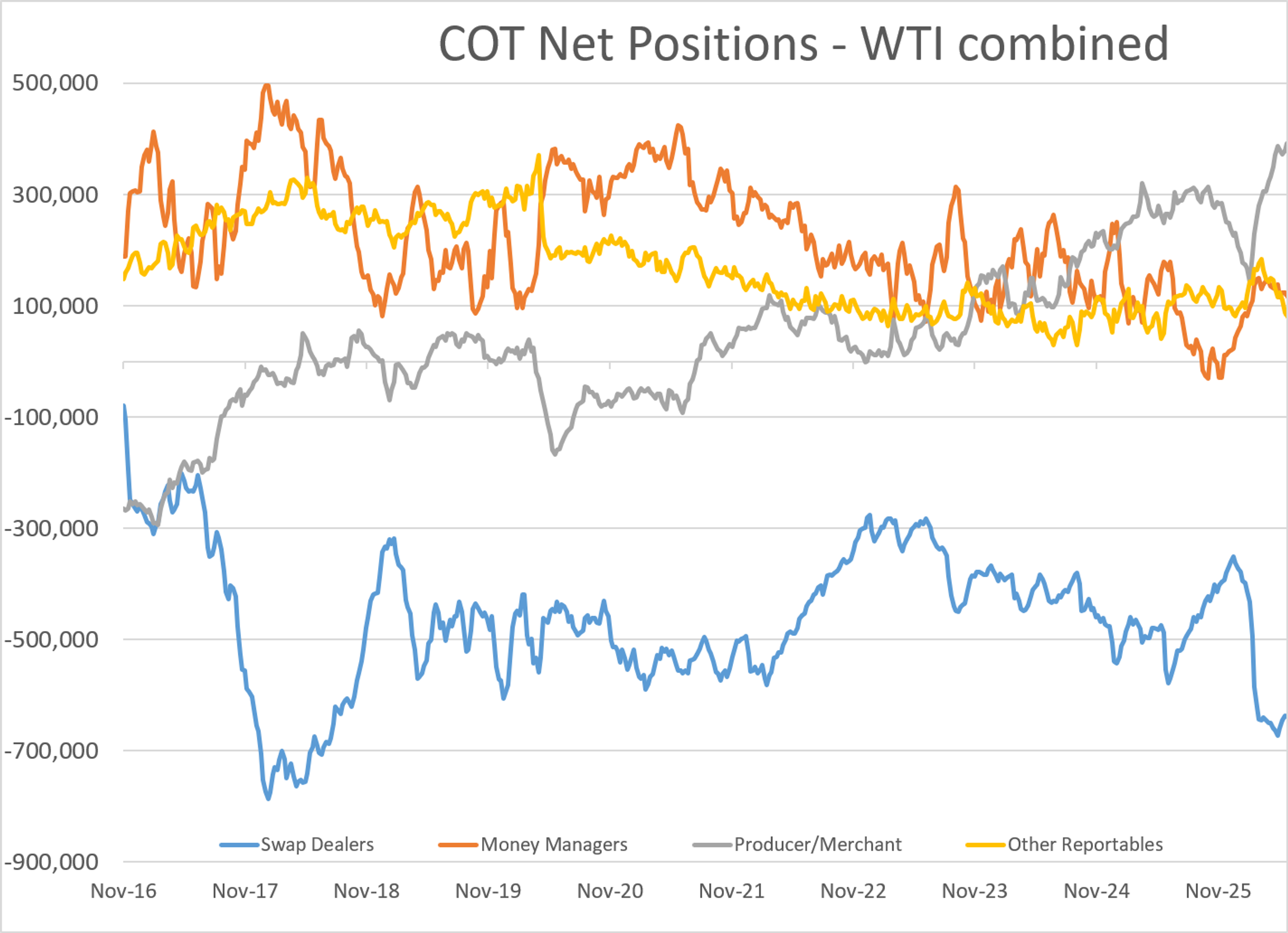
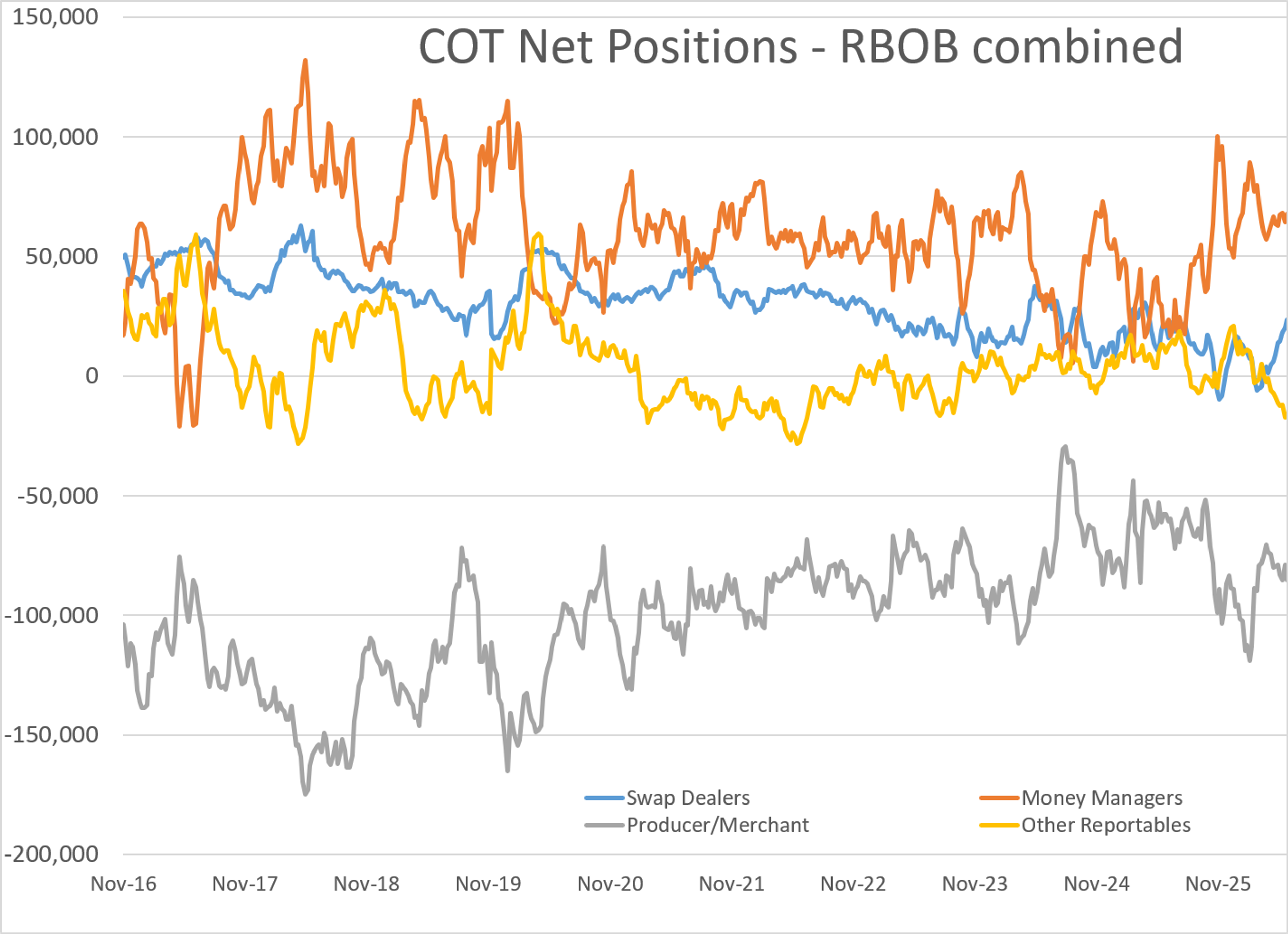
Long and wrong: Money managers were bailing out of long positions in crude oil contracts last week, with nearly 65,000 contracts of length liquidated between WTI and Brent for the week. Interestingly enough, those that were short Brent were taking profits, with more than 28,000 short positions in Brent liquidated during the week, while WTI saw 4700 new speculative short positions added, betting that prices will continue to fall. The changes in refined product positions were mixed and minimal for the week.
Latest Posts
Storms, Drones And A Walked-Back Export Ban: Why This Week's Selloff Might Not Last
Diesel Rally Resumes Amid Growing Debate Over US Export Limits
Week 38 - US DOE Inventory Recap
Refinery Economics Clash With Calls For A Diesel Export Ban
Diplomacy Knocks Crude Lower, But Diesel Bulls Aren’t Done Yet
Diesel Pullback Tests Market Nerves Amid Supply Risks
Social Media
News & Views
View All
Storms, Drones And A Walked-Back Export Ban: Why This Week's Selloff Might Not Last
Diesel Rally Resumes Amid Growing Debate Over US Export Limits