Global Energy Shock Deepens Amid Expanding Middle East War

The biggest spike in energy prices since Russia’s invasion of Ukraine 4 years ago continues this morning as war spreads across the Middle East with few signals that a resolution is coming soon. With peace appearing to be a long shot, the race to control the Strait of Hormuz becomes the critical event, after multiple ship attacks and spiking insurance prices have effectively shut transit through the bottleneck.
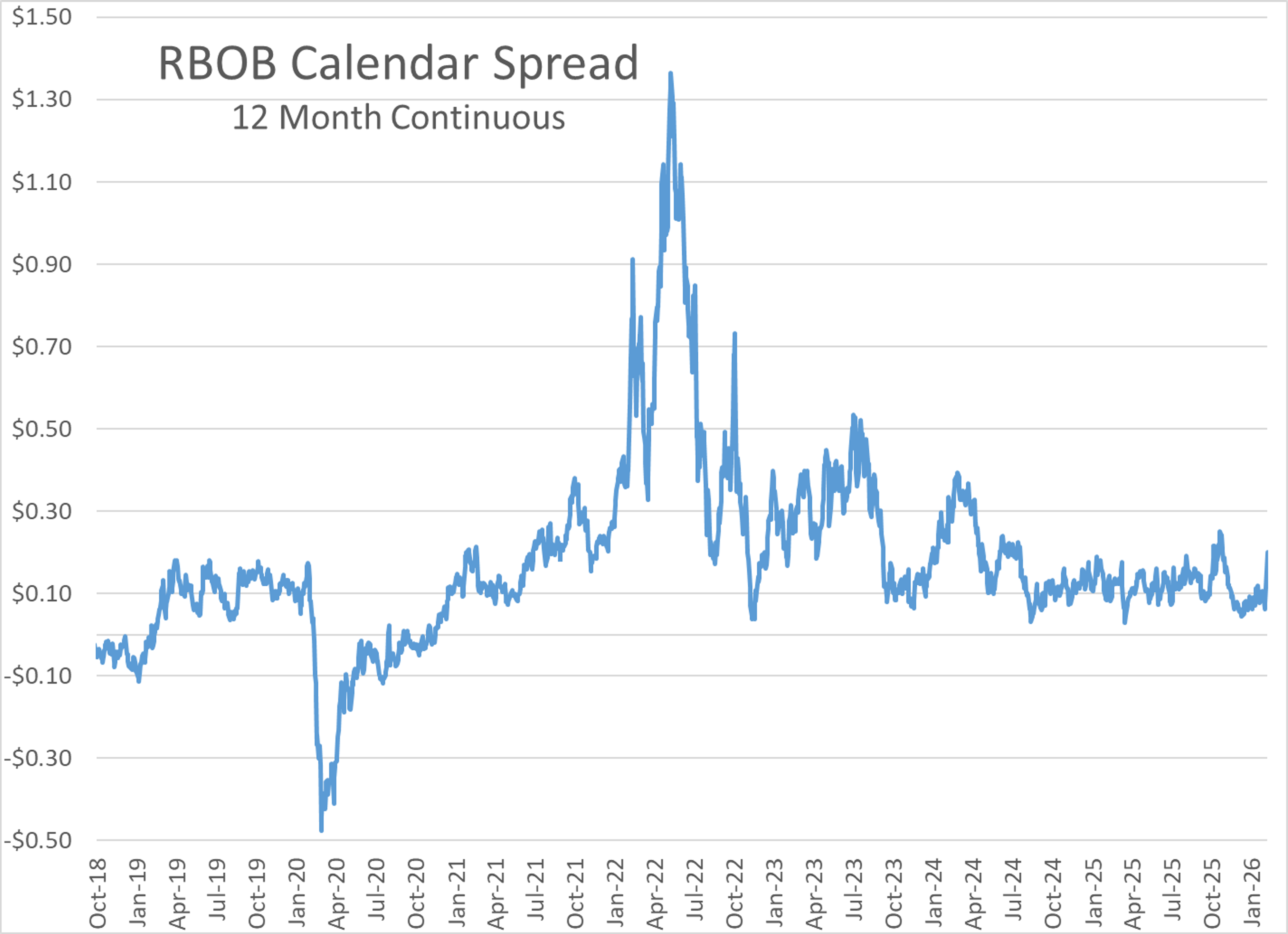
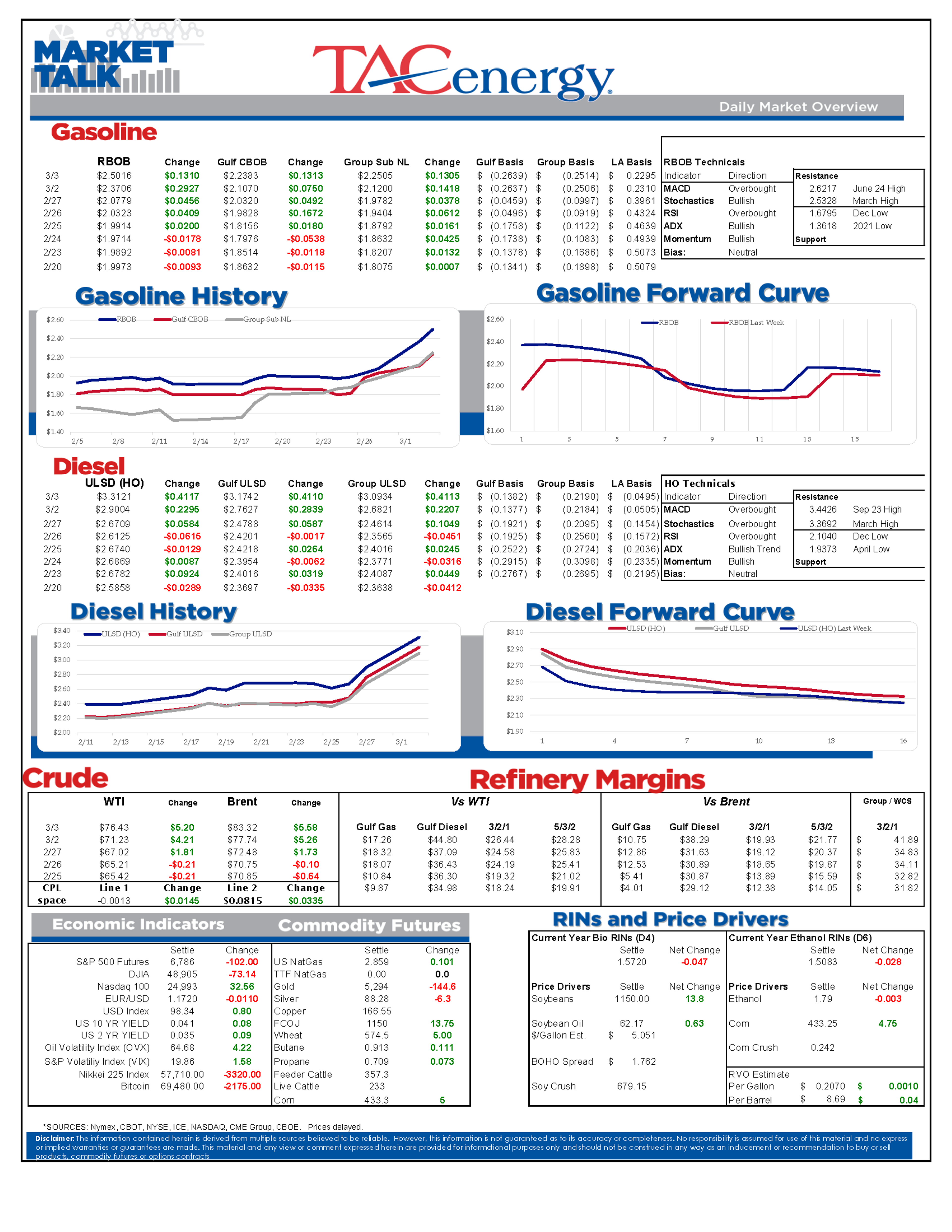
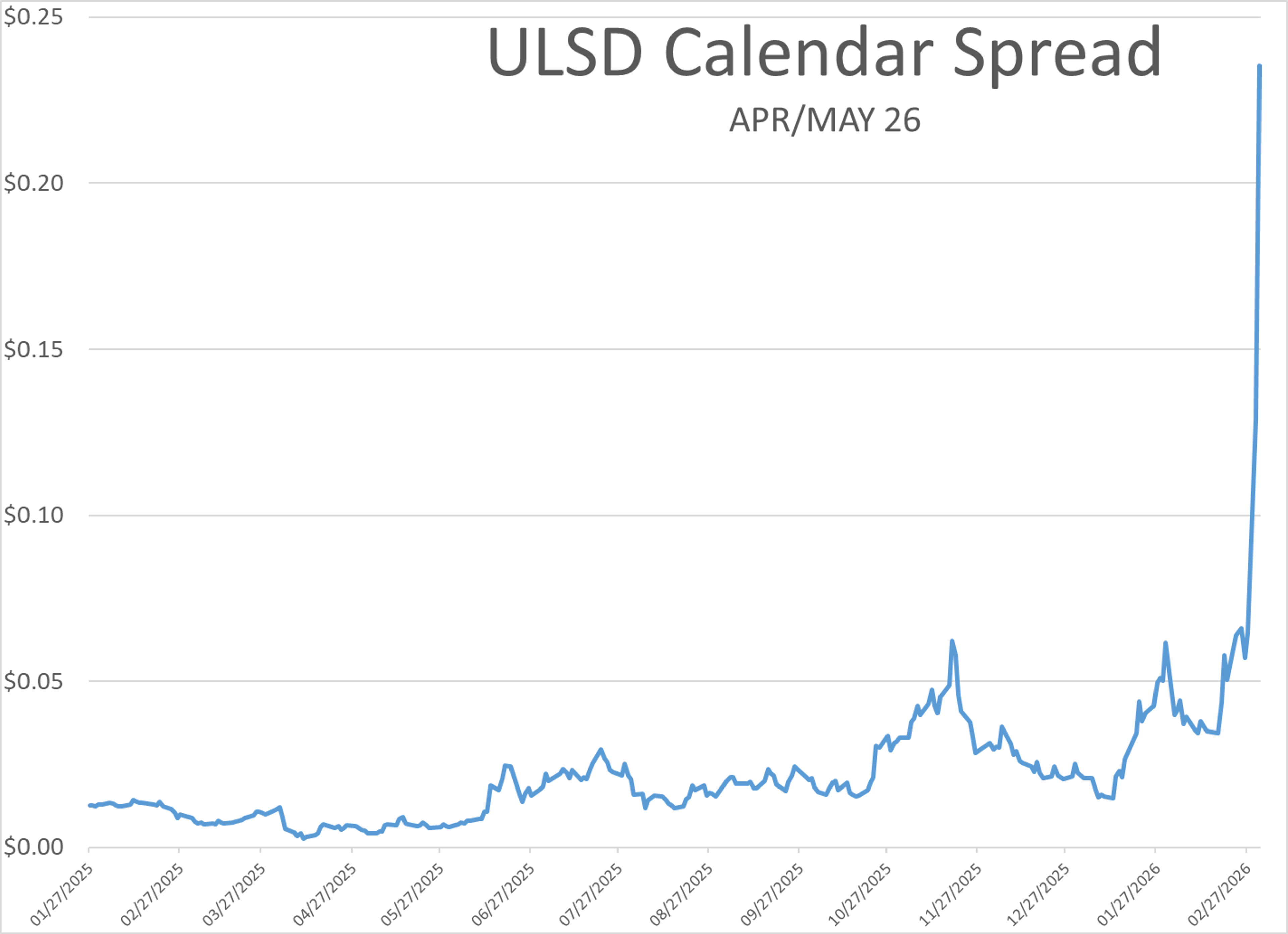
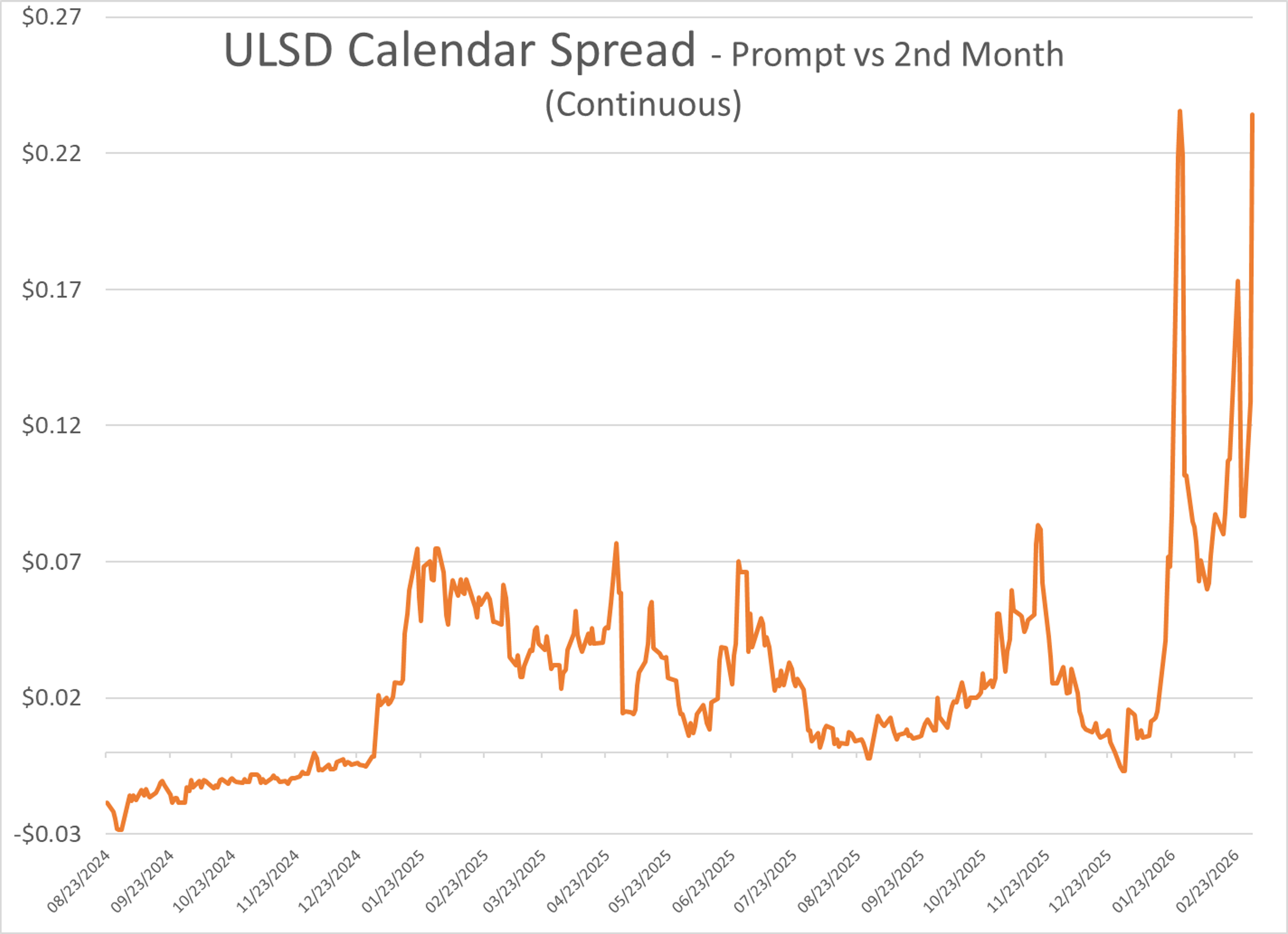
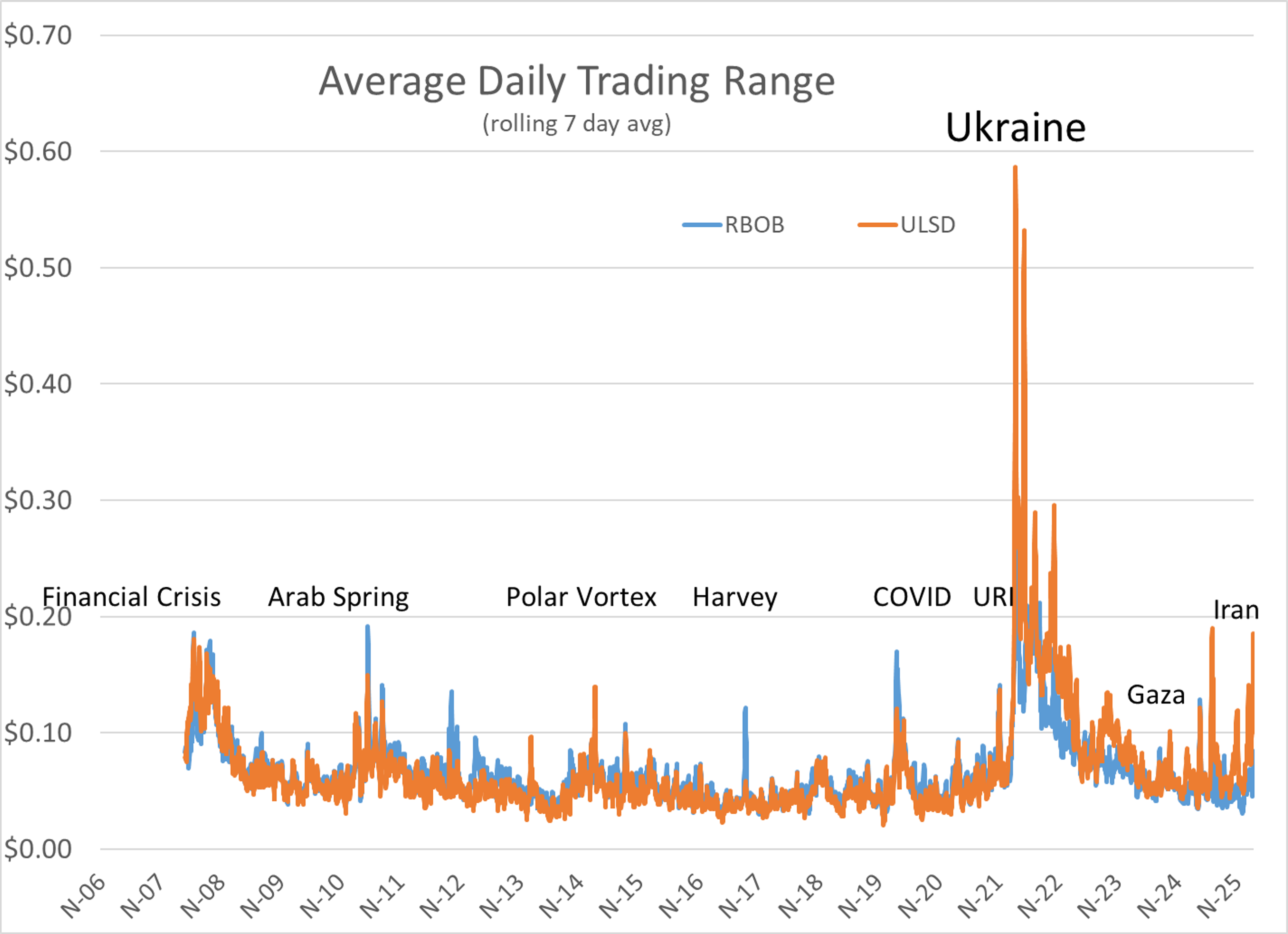
ULSD futures are up another 42 cents so far this morning, marking an impressive 95 cent rally over the past 2 weeks following the closures of several oil and natural gas facilities in the world’s most vital energy corridor. RBOB gasoline futures are seeing big swings up another 13 cents this morning, but they lag far behind the moves in diesel, as they did for most of the supply chaos of 2022, since gasoline inventories don’t have the same supplemental demand as a power and heat source as diesel does, and the Hormuz story is becoming as big if not bigger for natural gas markets as it is for oil.
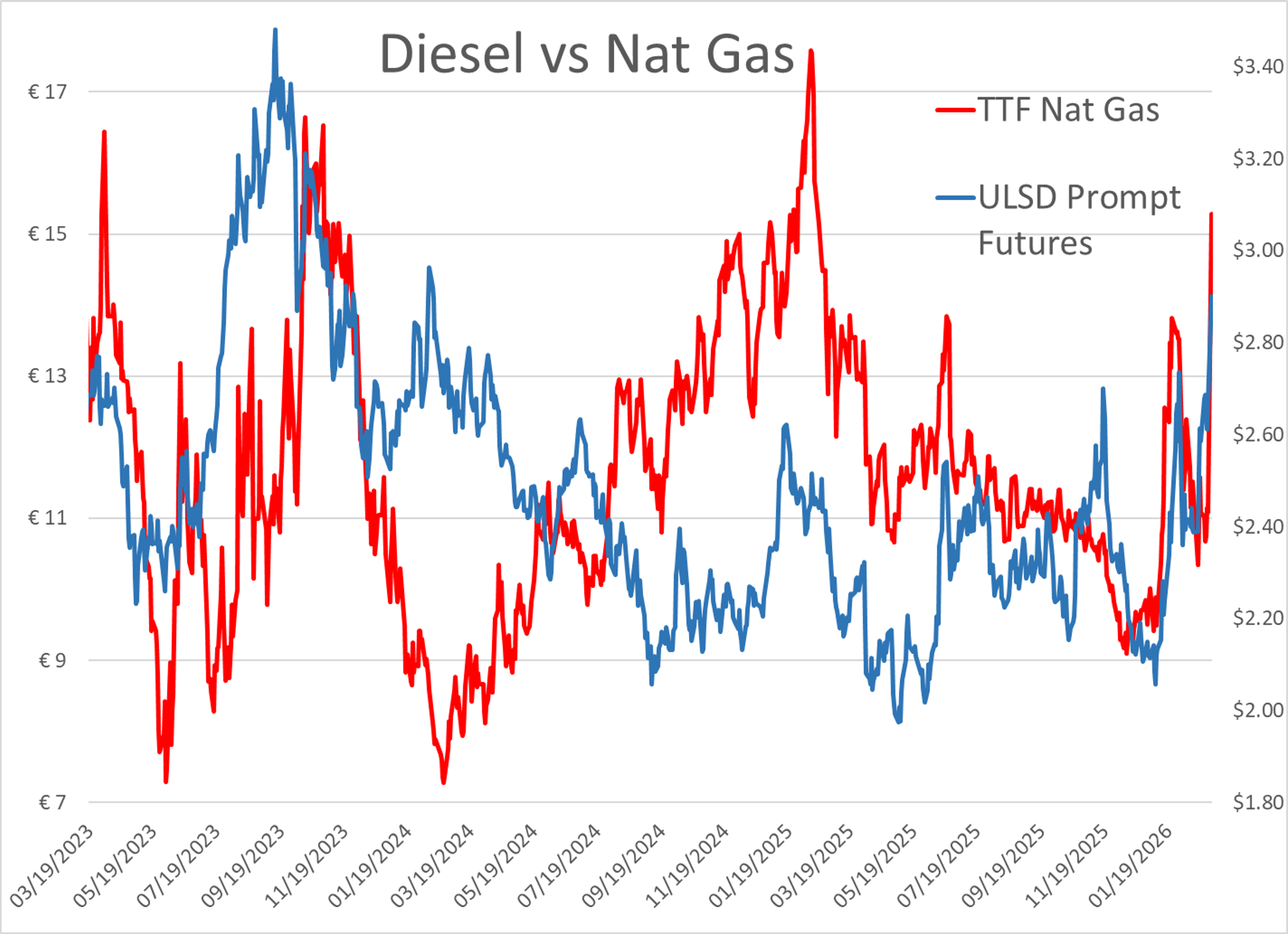
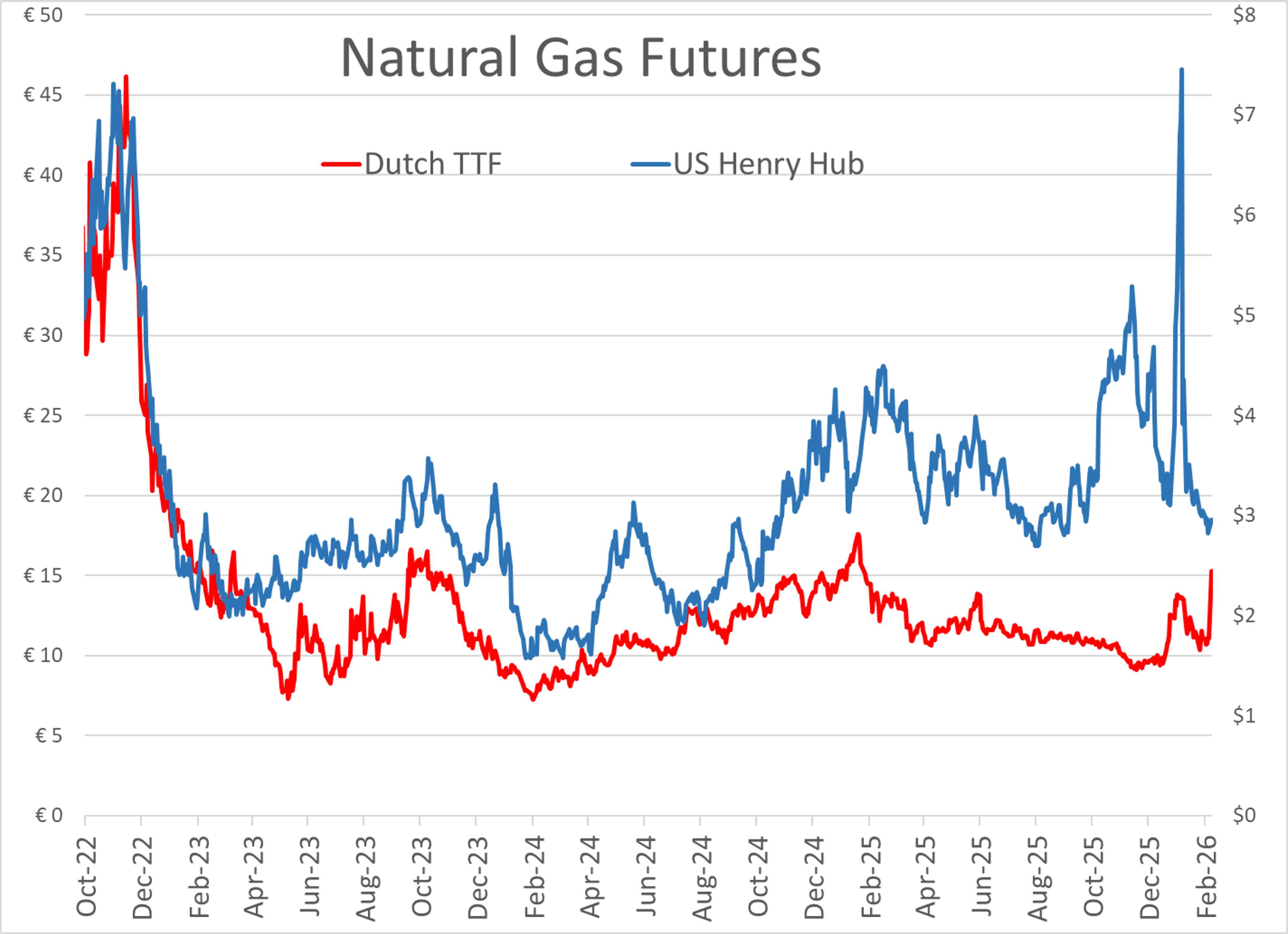
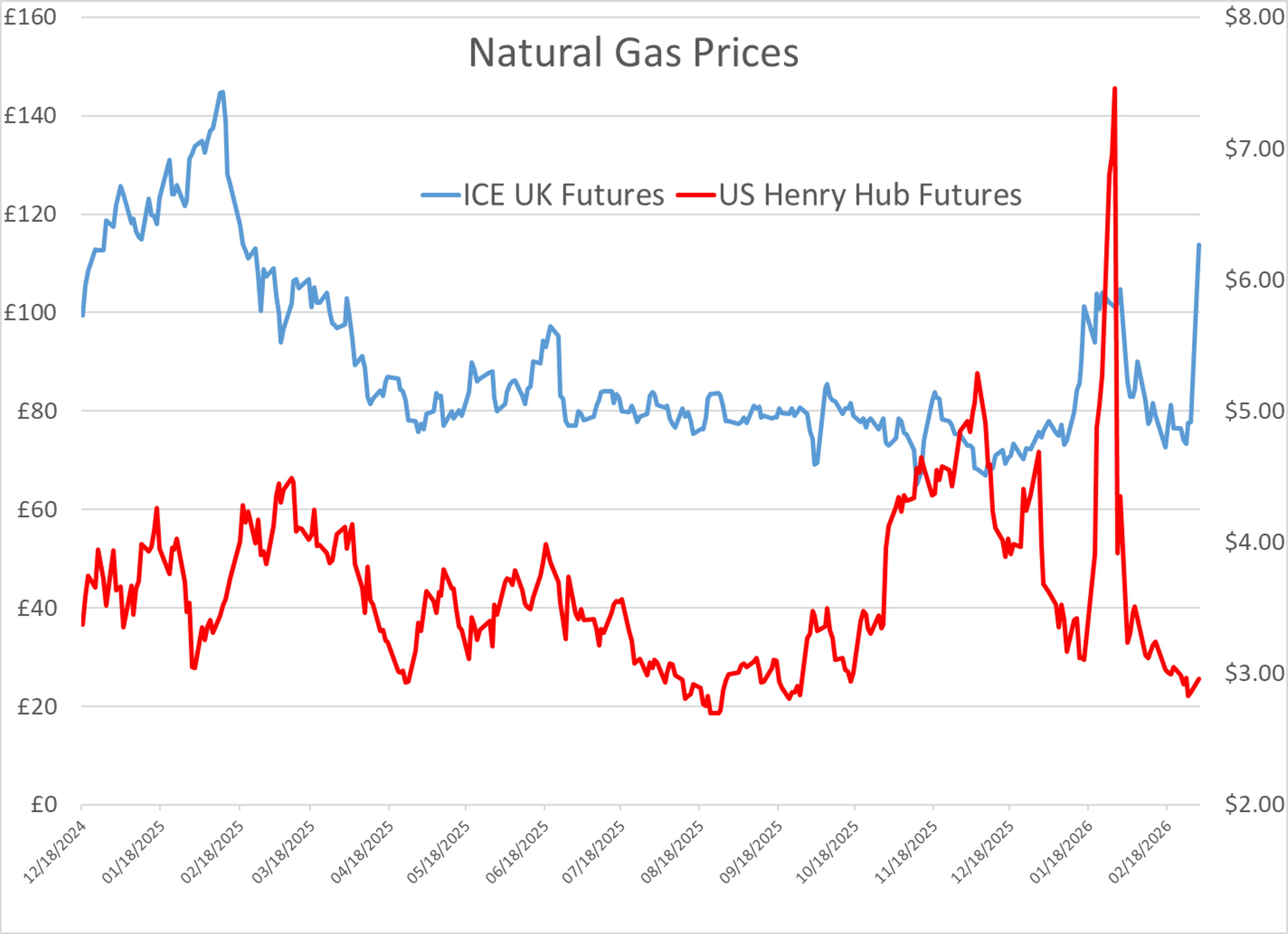
While the moves in crude and diesel prices are certainly impressive, they pale compared to natural gas prices in Europe and Asia, which have seen spikes of 50-100% after Qatar was forced to shut its LNG export facilities that make up nearly 20% of global trade since they were coming under Iranian attack, and because there’s nowhere for their ships to go until the strait reopens. U.S. Natural gas futures meanwhile have barely flinched meanwhile as domestic demand is not changing from this event, and the LNG export facilities are already essentially maxed.
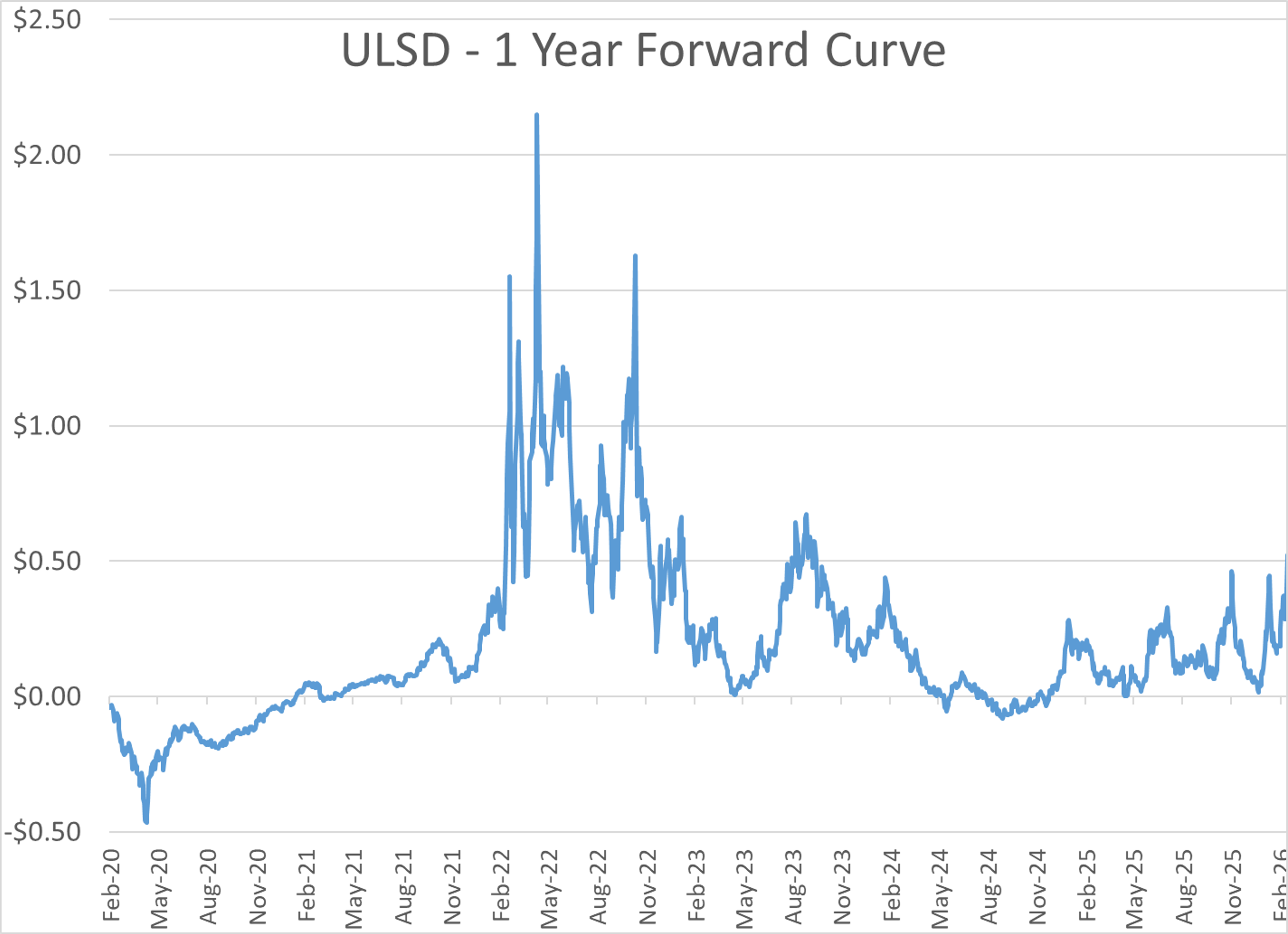
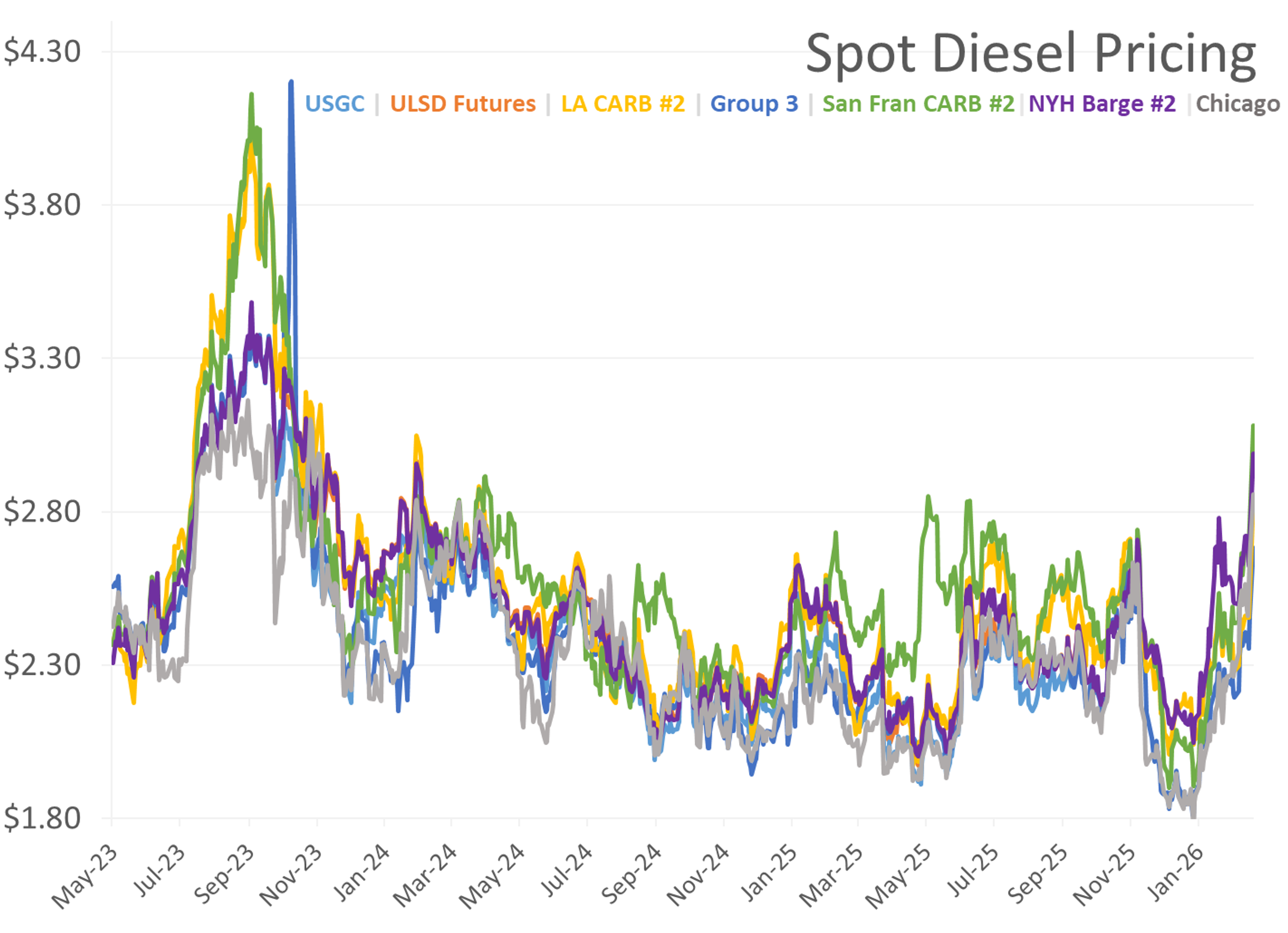
While the rapid growth in U.S. energy production in the past 15 years has helped insulate us from the worst of these challenges, several analysts have been highlighting the risk to the New England electric grid, who is forced to bid against European and Asian LNG buyers because there is STILL not enough pipeline capacity to bring ample natural gas from the basins just a few hundred miles West. Keep in mind that same grid was forced to burn more diesel than natural gas for almost a week during the winter freeze a month ago, and it’s not beyond the realm of possibility that they’ll do so again near term if Europe’s natural gas prices continue to spike. With ULSD outright prices and spreads already spiking, and PADD 1 diesel stocks already historically low, there’s really no saying how high the front of the curve could go as long as the Strait of Hormuz remains shut. See the charts below for a comparison to the curves we saw back in 2022.
Saudi Arabia’s 550mb/day Ras Tanura refinery was forced to close following an Iranian drone strike. Reports suggest the closure was more precautionary than damage-related, particularly since the major export facility attached to the refinery is essentially closed for business until the Strait of Hormuz is reopened.
Latest Posts
Crude Climbs For A Fifth Day While Global Fuel Supplies Remain Under Pressure
Refining Margins, Tanker Attacks, And OPEC Growth Shape Energy Outlook
Oil Rises As Political Chaos And Supply Risks Shake Markets
Volatility Returns As Traders Weigh Storm Risk And Global Supply Threats
Crude, Diesel, And Storm Risks: Key Drivers Behind Today's Rally
Refinery Outages, Storm Risks, And Export Constraints Lift Distillates
Social Media
News & Views
View All
Crude Climbs For A Fifth Day While Global Fuel Supplies Remain Under Pressure
Refining Margins, Tanker Attacks, And OPEC Growth Shape Energy Outlook