Oil Markets Fluctuate As Iran Talks Clash With Fresh Strikes

Energy futures opened the holiday-shortened week under heavy selling pressure after a Memorial Day weekend full of exactly the kind of headline whiplash we warned about Friday. U.S. and Iranian negotiators have developed a "framework" that would extend the current ceasefire by 60 days, de-mine the Strait of Hormuz, and reopen it to commercial traffic while the two sides work toward a final deal. Futures gapped lower on Sunday’s open on the news.
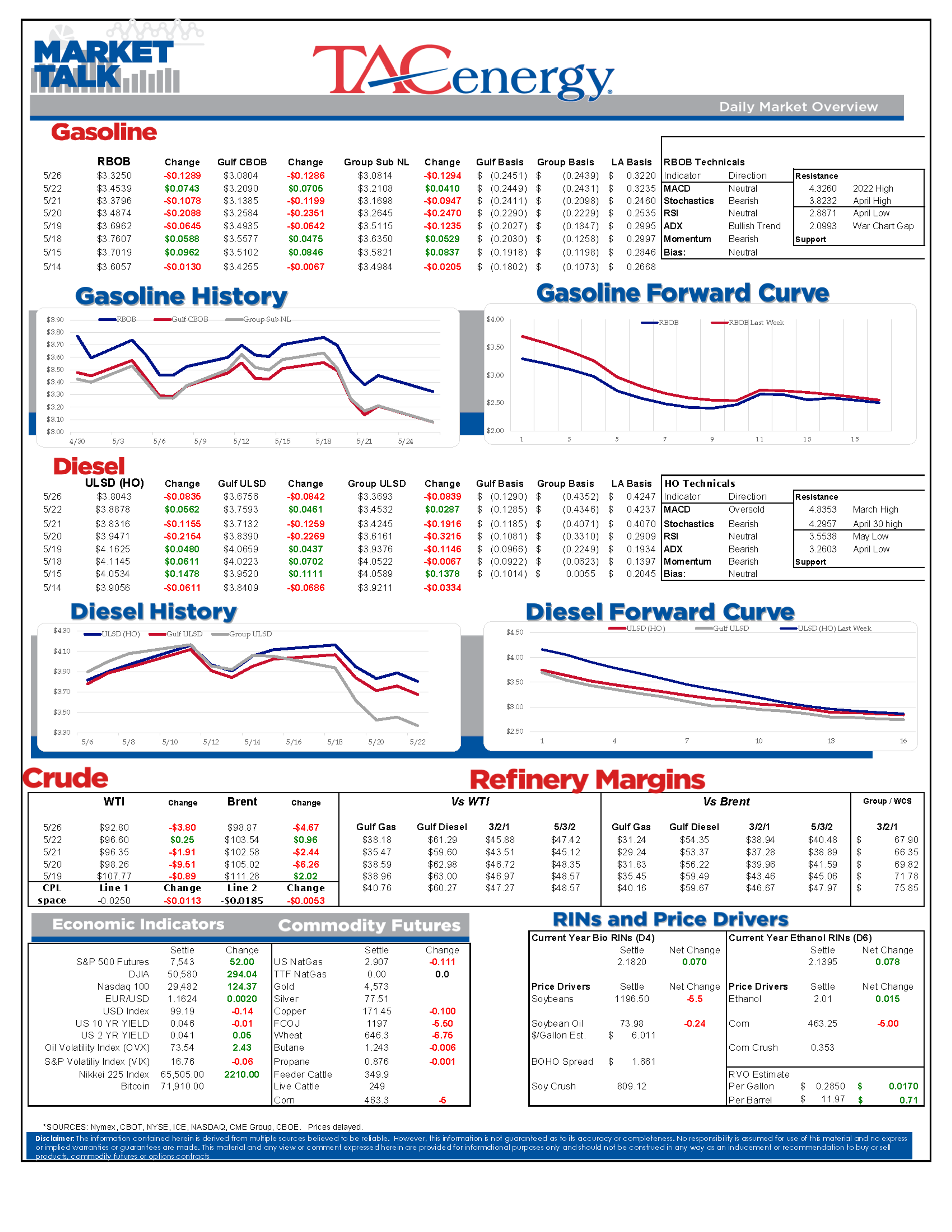
July WTI was trading down roughly 3.9% overnight, while July Brent traded as much as 3.4% higher before paring gains. The European benchmark has now given back more than 10% over the past week. RBOB and HO followed their crude progenitors lower, giving back another chunk of the war premium that was building all spring.
Lest anyone think the deal is done, U.S. Central Command announced overnight that the military "conducted self-defense strikes in southern Iran today," targeting vessels allegedly trying to deploy mines and set up missile launch locations. The White House said talks were progressing well but warned additional strikes could follow if they break down, which is the same line we have heard for two months now. Iranian foreign ministry spokesman told reporters Sunday that details about management of the Strait are still undecided, which leaves plenty of room for talks to unravel before pen hits paper.
Any pullback is too late to help the retail prices over the holiday weekend that just wrapped: AAA pegged the national average at $4.50 per gallon on Sunday, the most expensive Memorial Day in four years. Some analysts expect oil to average $97/barrel through year-end assuming the strait reopens early next month, while others project prices could hike near $200 if Hormuz stays closed through year-end.
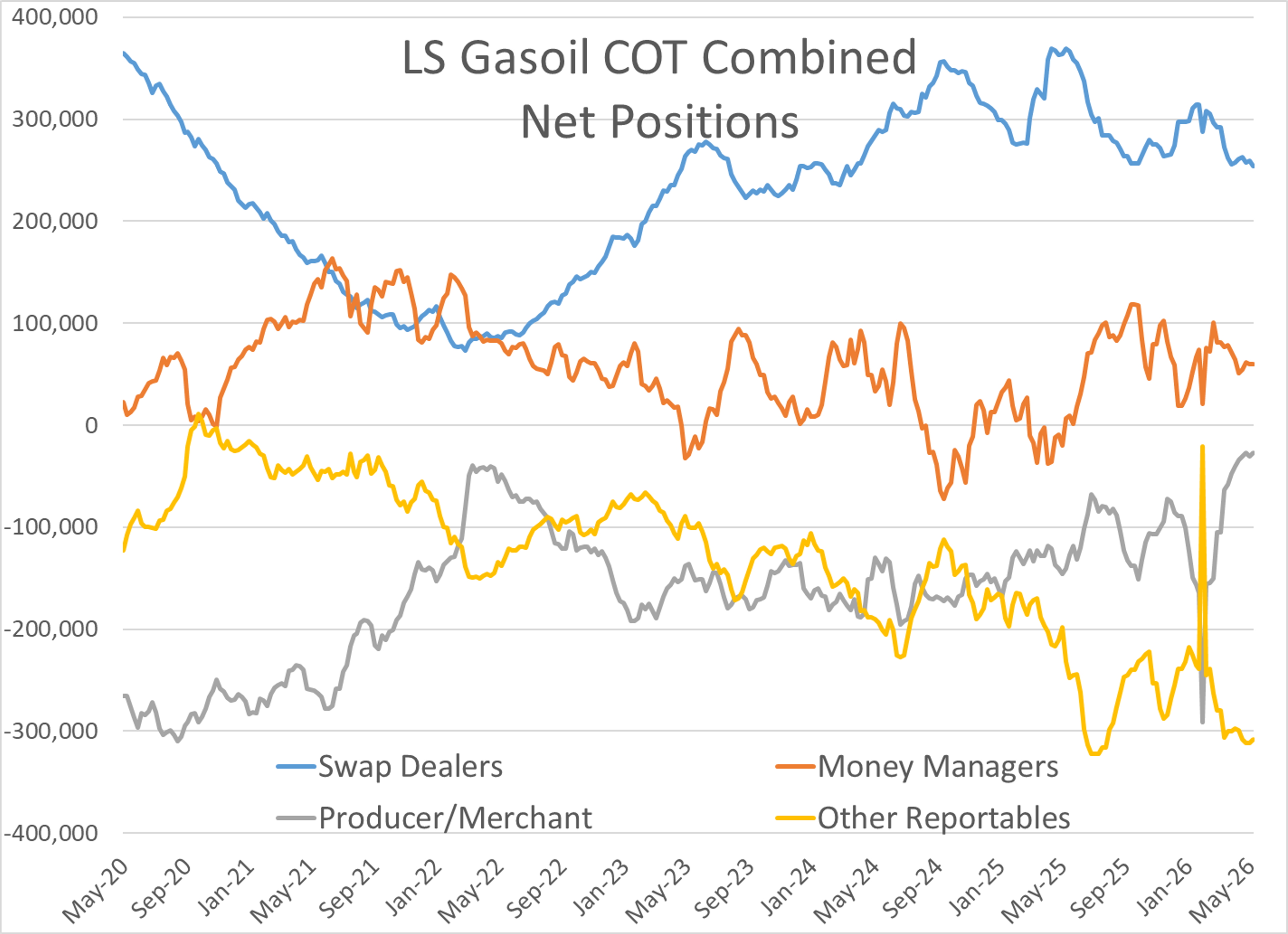
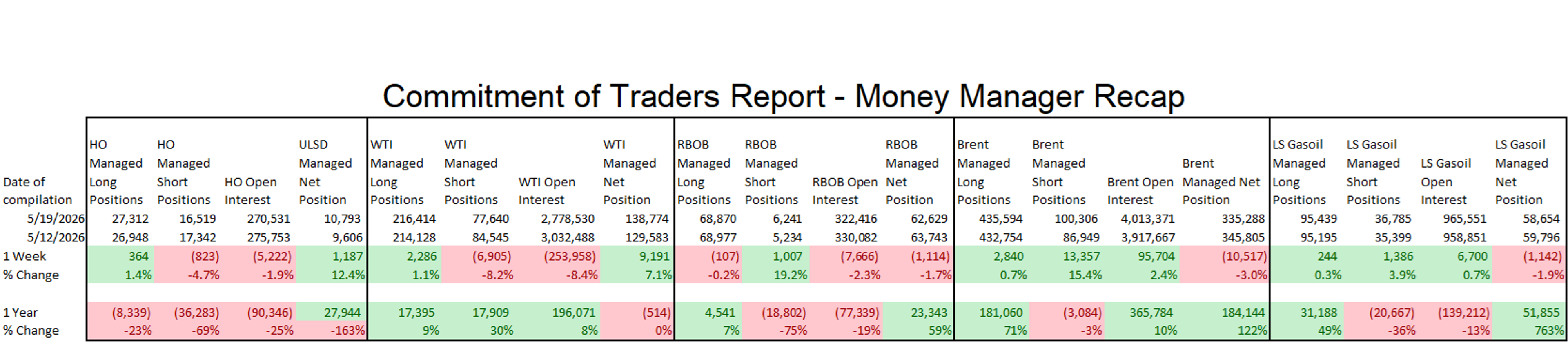
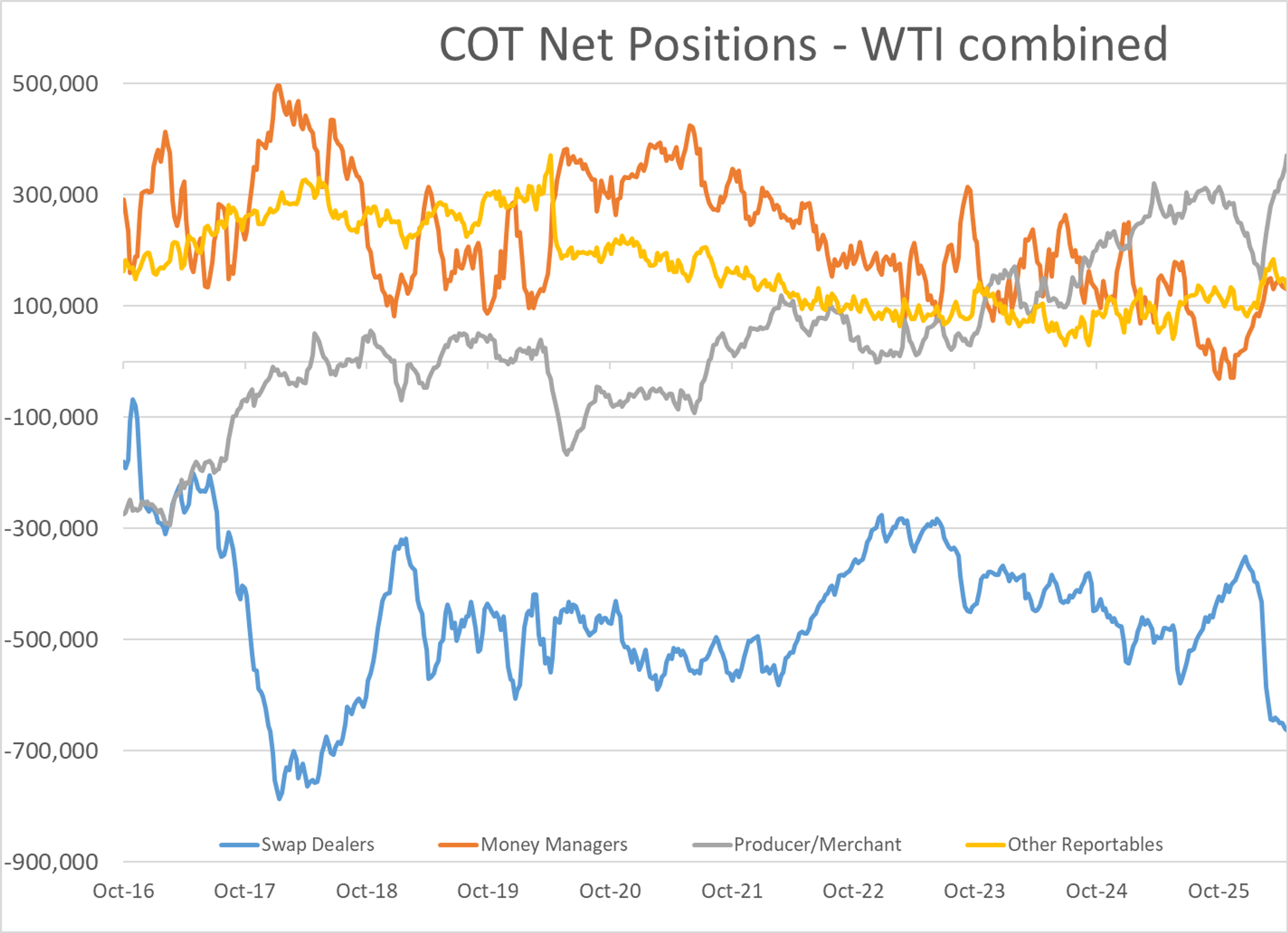
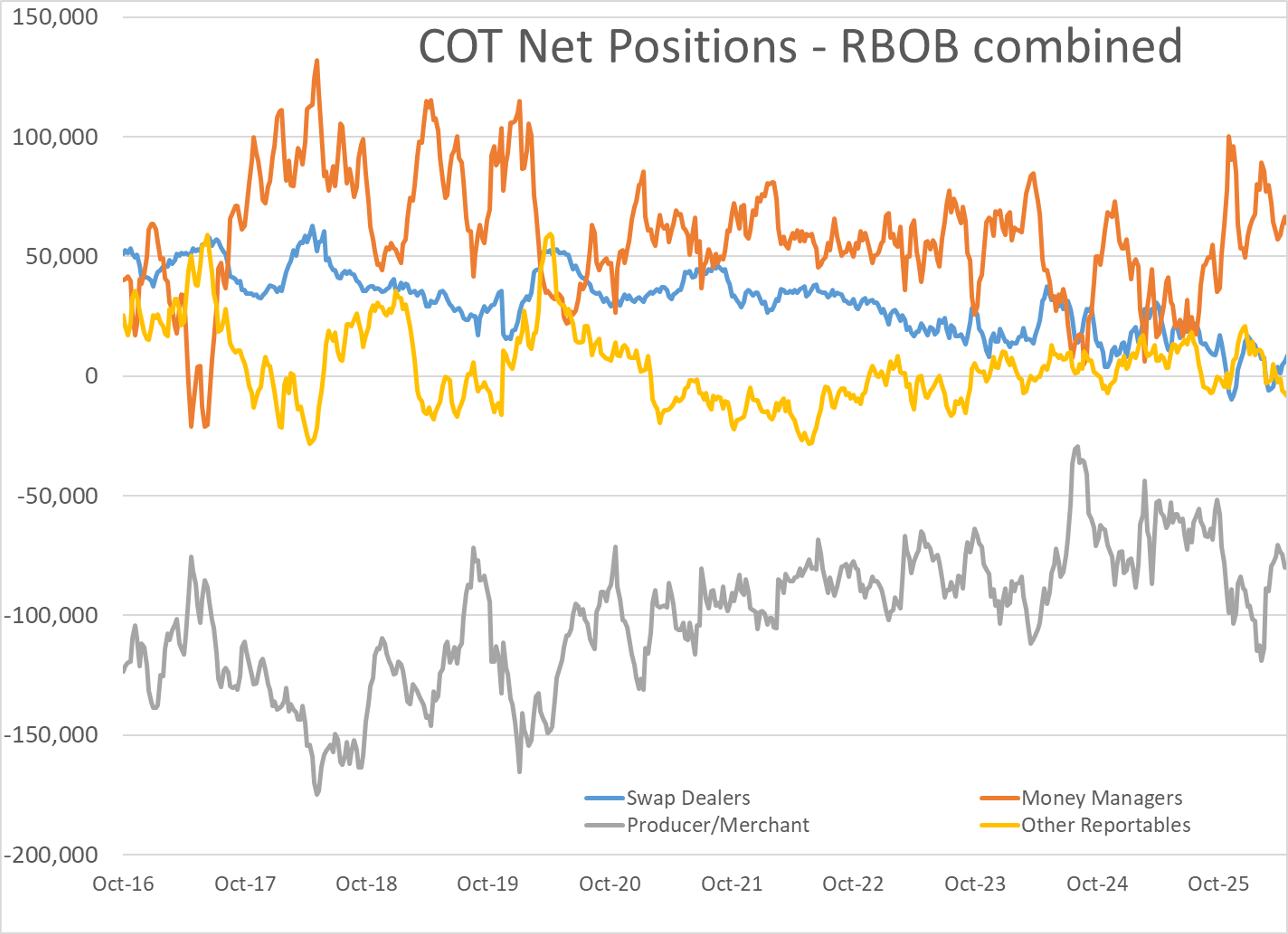
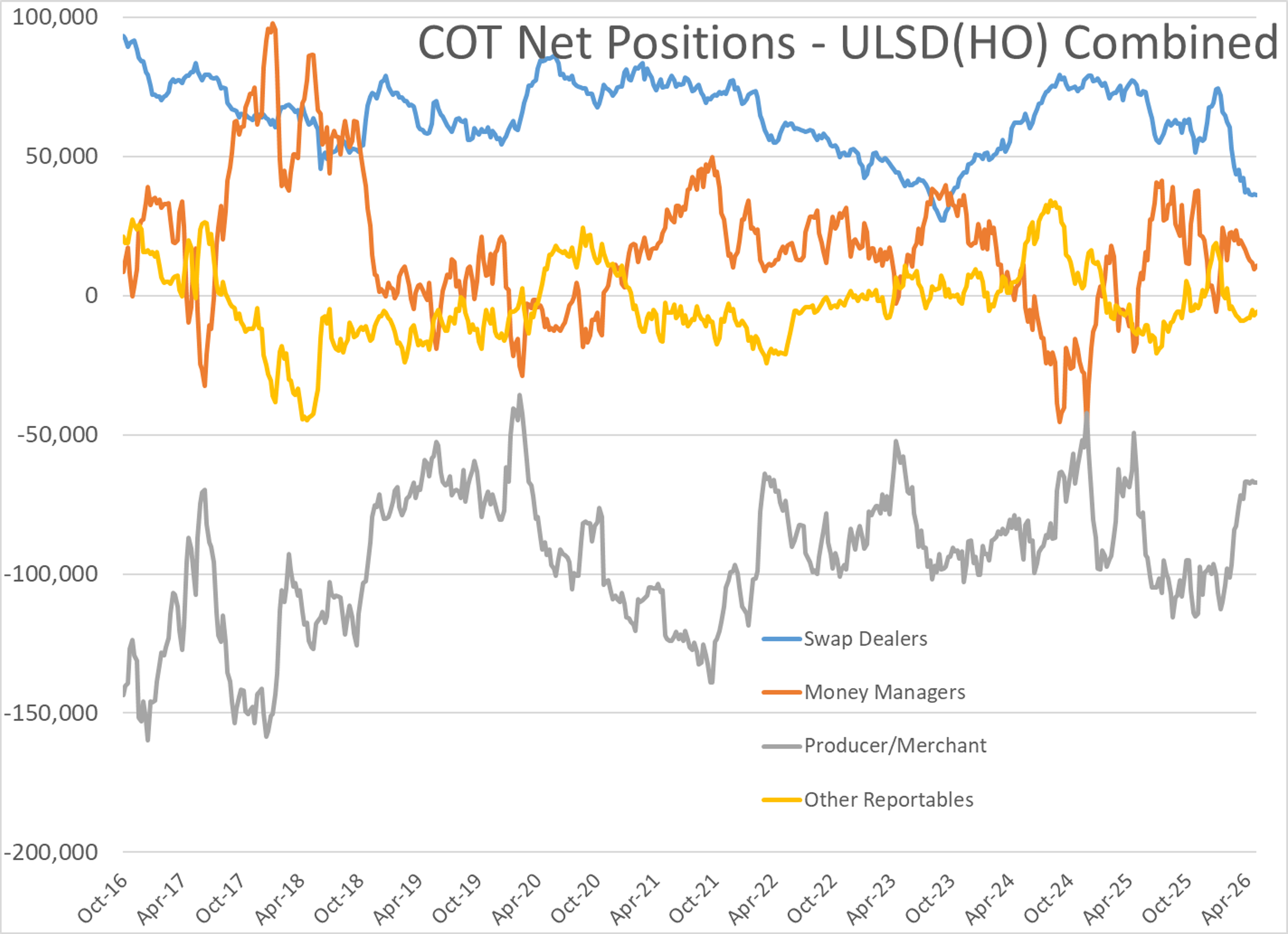
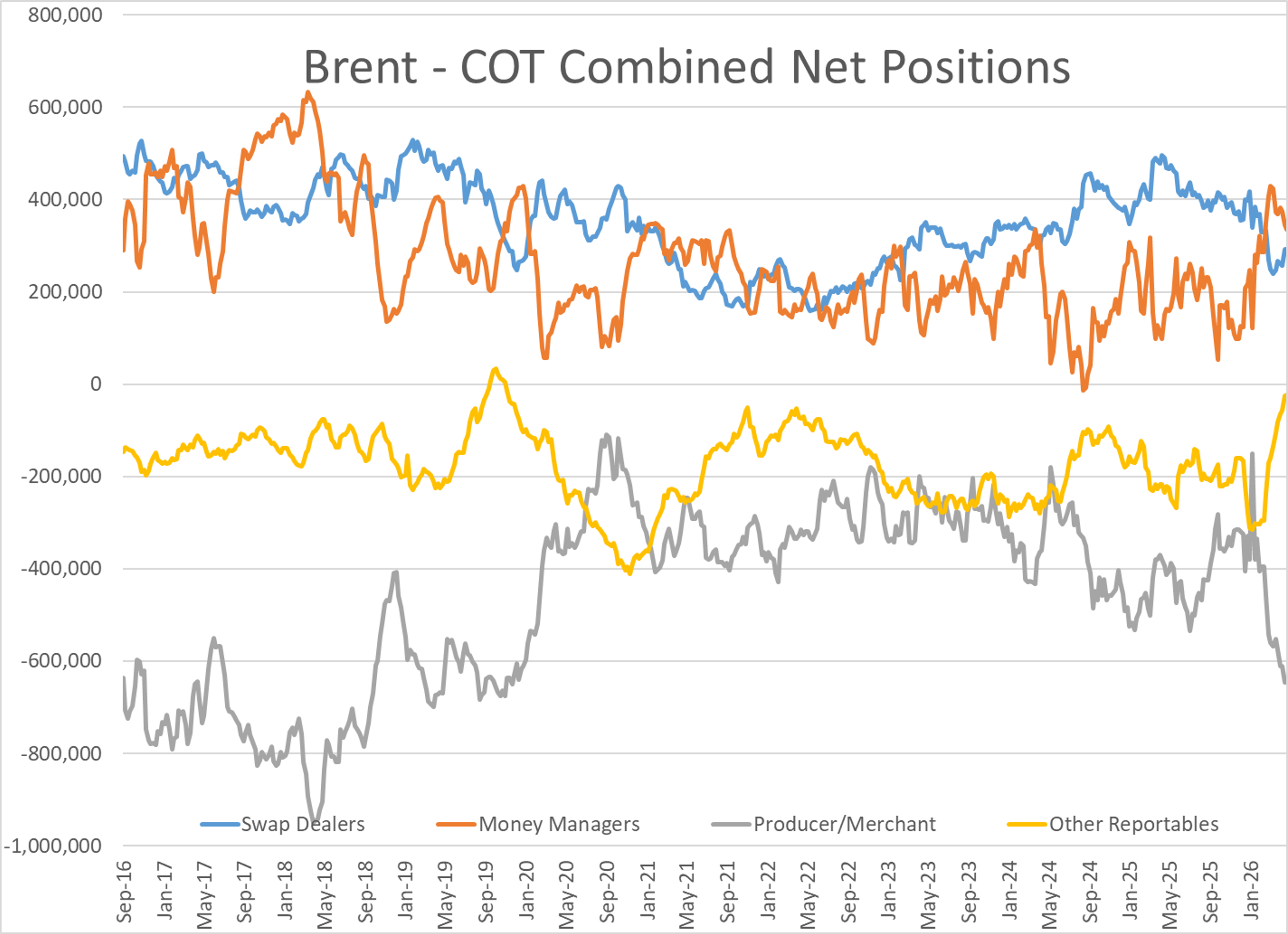
Money managers added to their net long positions by 7.1% and Brent length held near the highs even as a modest 3% net reduction came from short covering. The refined product side was more mixed, with ULSD net length jumping 12.4% as managed shorts bailed out, while RBOB saw a small net reduction as managers added nearly 20% more short bets.
Latest Posts
Crude, Diesel, And Storm Risks: Key Drivers Behind Today's Rally
Refinery Outages, Storm Risks, And Export Constraints Lift Distillates
Week 40 - US DOE Inventory Recap
Diesel Leads Energy Markets Lower Despite Mounting Geopolitical Risks
Energy Markets Mixed As Diesel Rallies And Supply Concerns Persist
Supply Disruptions Persist As Markets Focus Elsewhere
Social Media
News & Views
View All
Crude, Diesel, And Storm Risks: Key Drivers Behind Today's Rally
Refinery Outages, Storm Risks, And Export Constraints Lift Distillates