Energy Markets Rally On Growing Fuel Shortages And Global Supply Threats

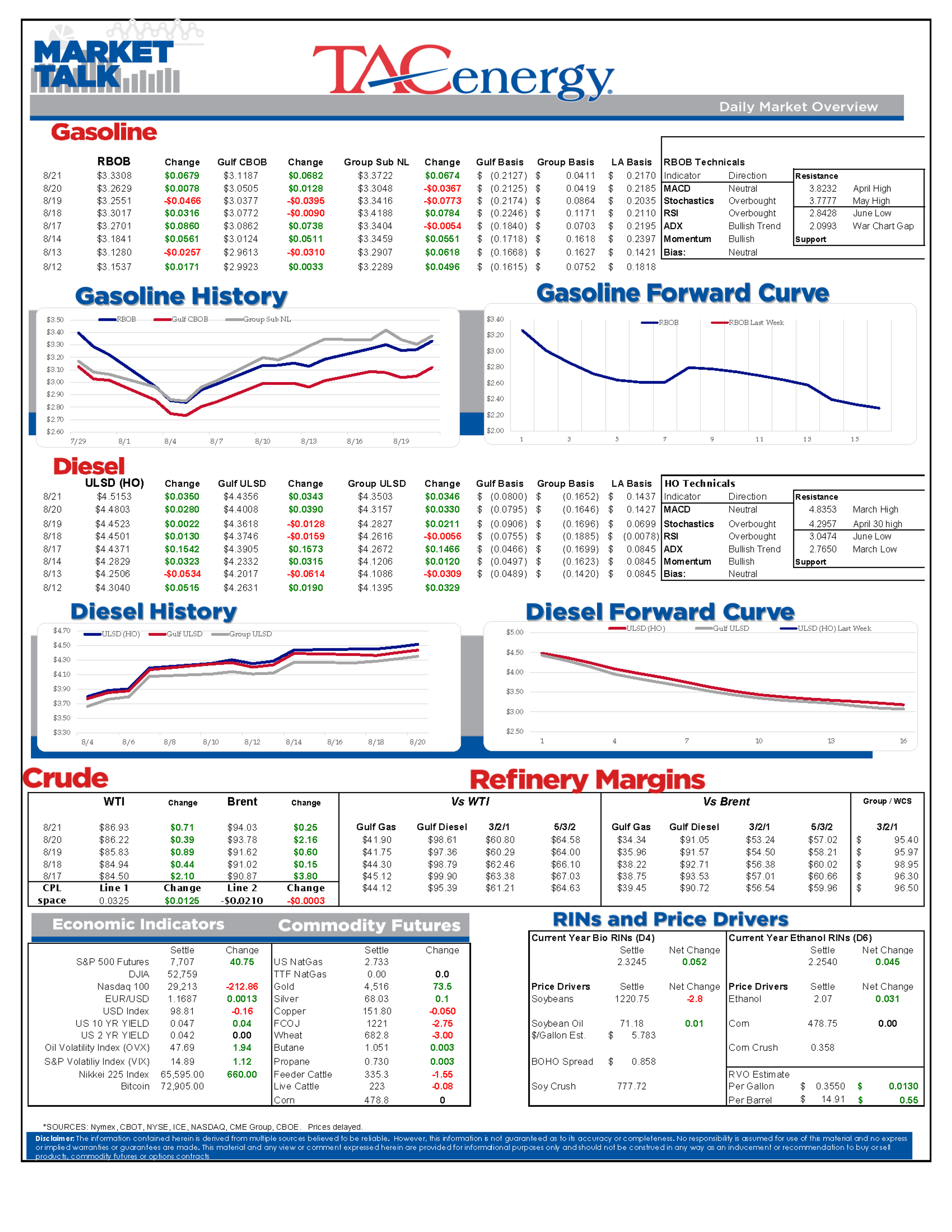
RBOB gasoline futures are leading the energy complex in another rally to cap off another strong week, with the September contract up around 8 cents on the day reaching a 1 month high of 3.3415. ULSD Futures are up just under a nickel for the day, reaching a 4 month high of $4.5320 overnight as the harsh reality that the world is still losing refinery production, not replacing it.
While the stalemate around Hormuz continues, the war in Yemen continues to escalate, dragging Saudi Arabia back into the fold with an Aramco facility reportedly struck Thursday by Houthi drones. Israel meanwhile launched an attack in Syria that was apparently intended to stop Turkey from moving troops into the country, which adds yet another complicated wrinkle into the converging wars.
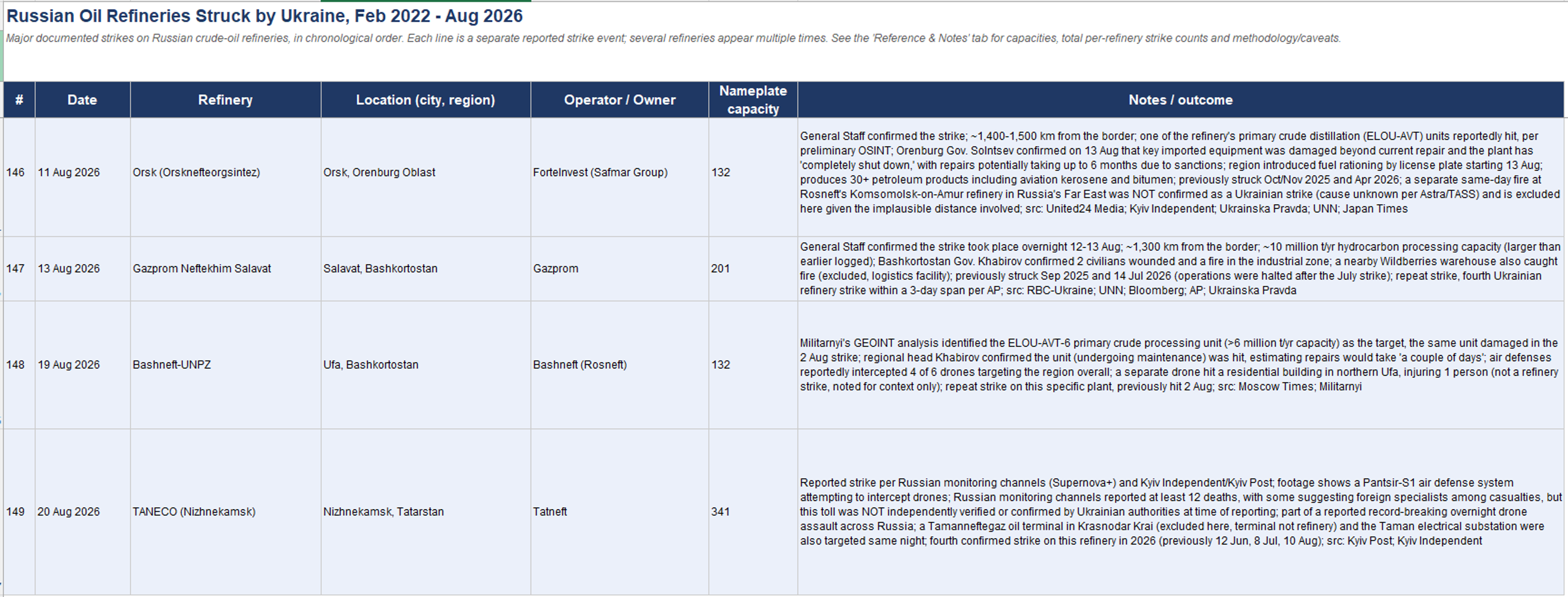
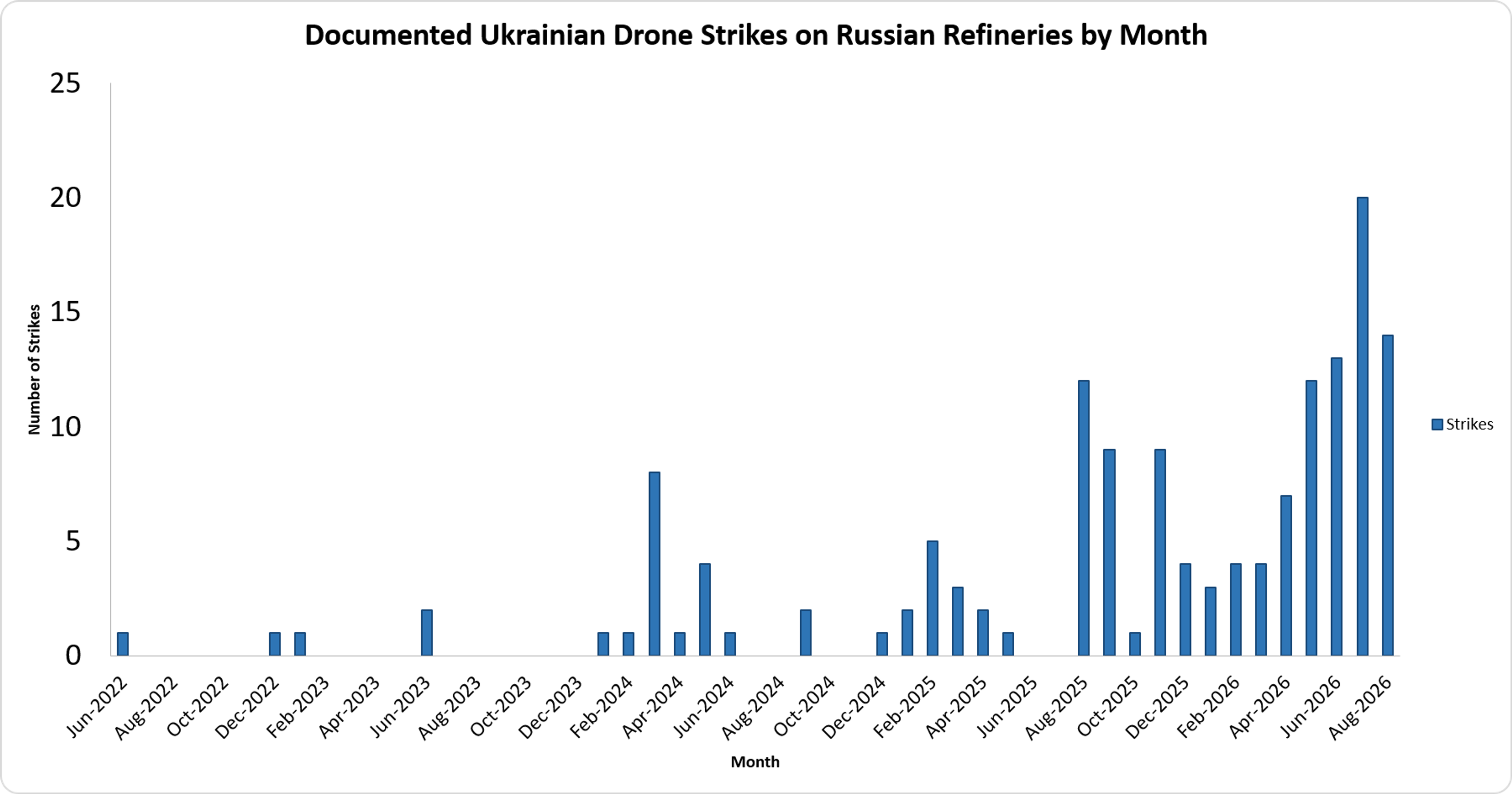
After a 5 day break in attacks, Ukraine has hit 3 Russian refineries in 3 days, hitting the 341mb/day TANECO plant overnight, maintaining the record setting pace of strikes that are also getting more accurate and intense, forcing one of the world’s largest fuel exporters to import fuels to try and limit the damage being done by retail fuel shortages. See the table below for more detail on the latest attacks.
A Financial times Article this morning suggests that while the rash of drone strikes on refineries from the Middle East to Russia has put a huge premium on fuel production this year, it will not change the long term trajectory of refinery closures in the U.S. and Europe as OECD demand stagnates, while the Middle East, African and Asian capacity will continue to build as their economies develop.
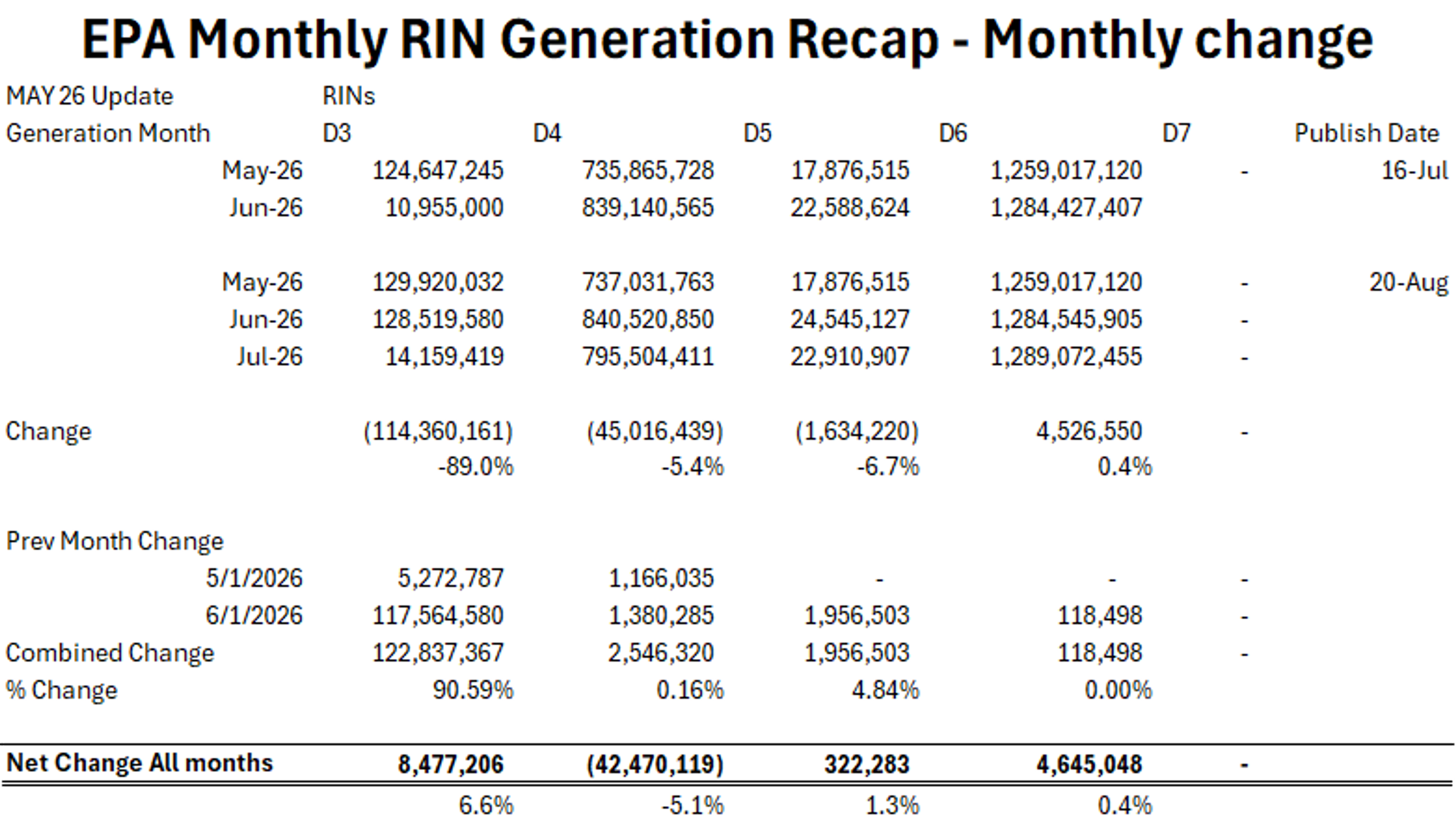
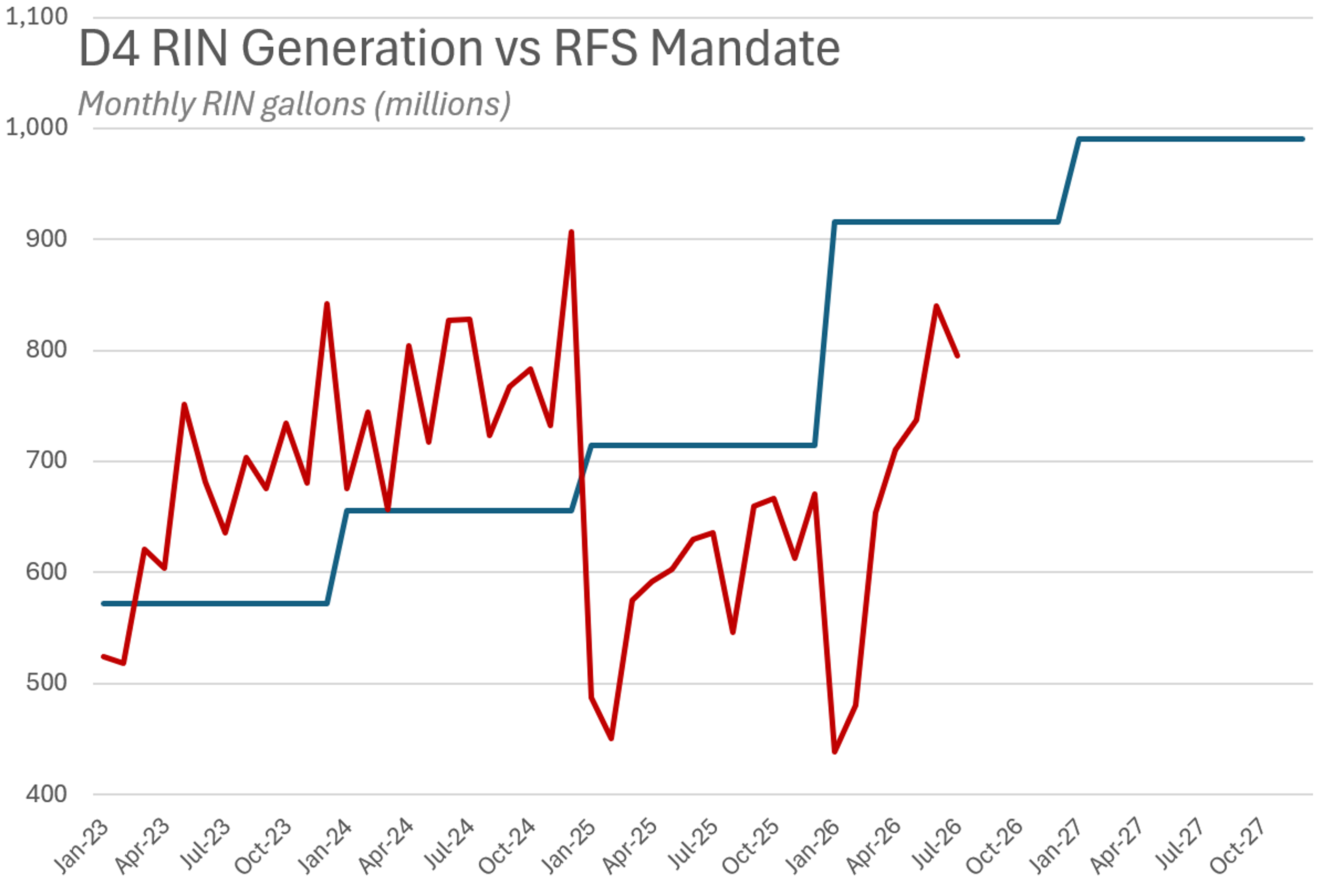
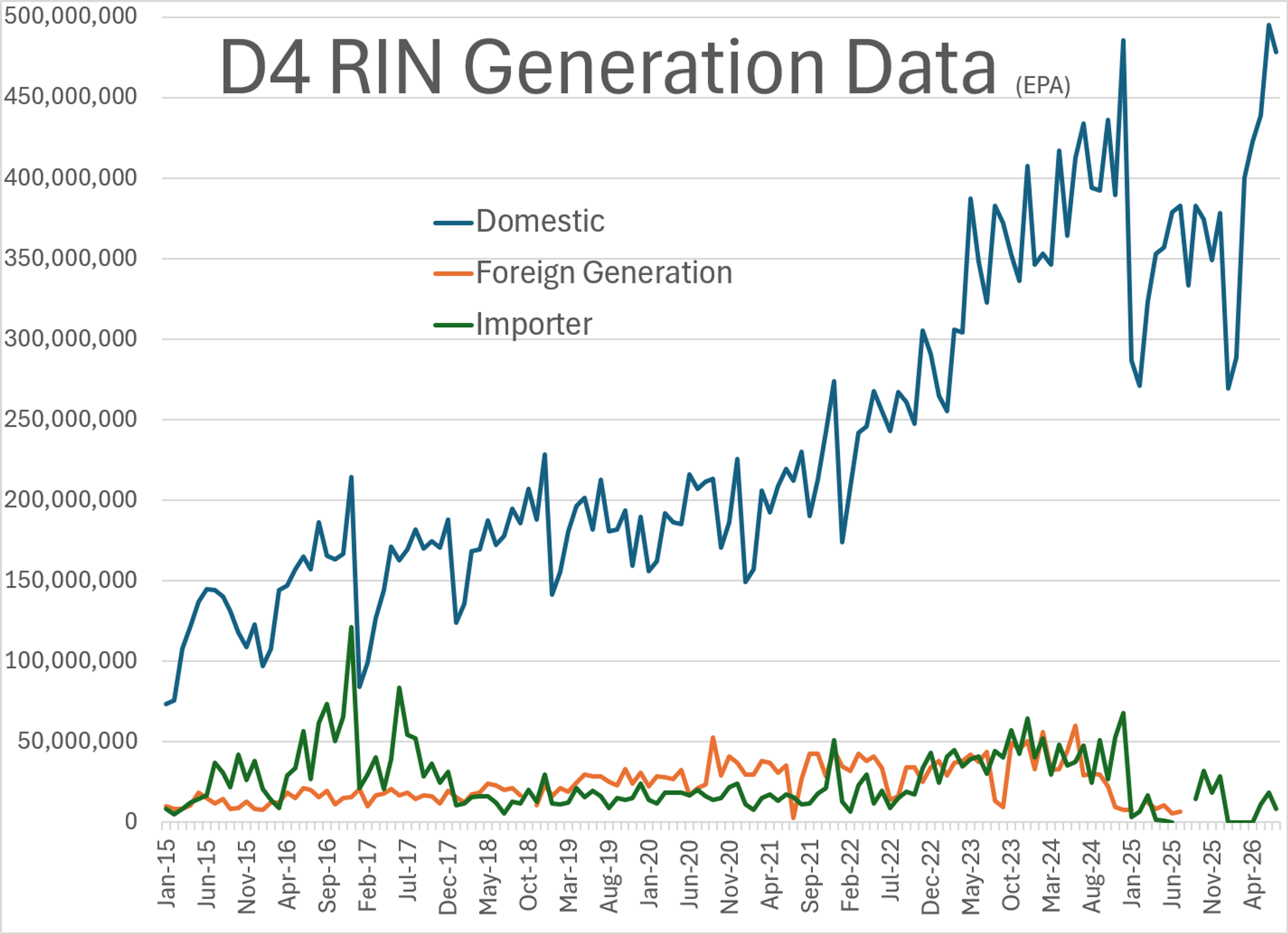
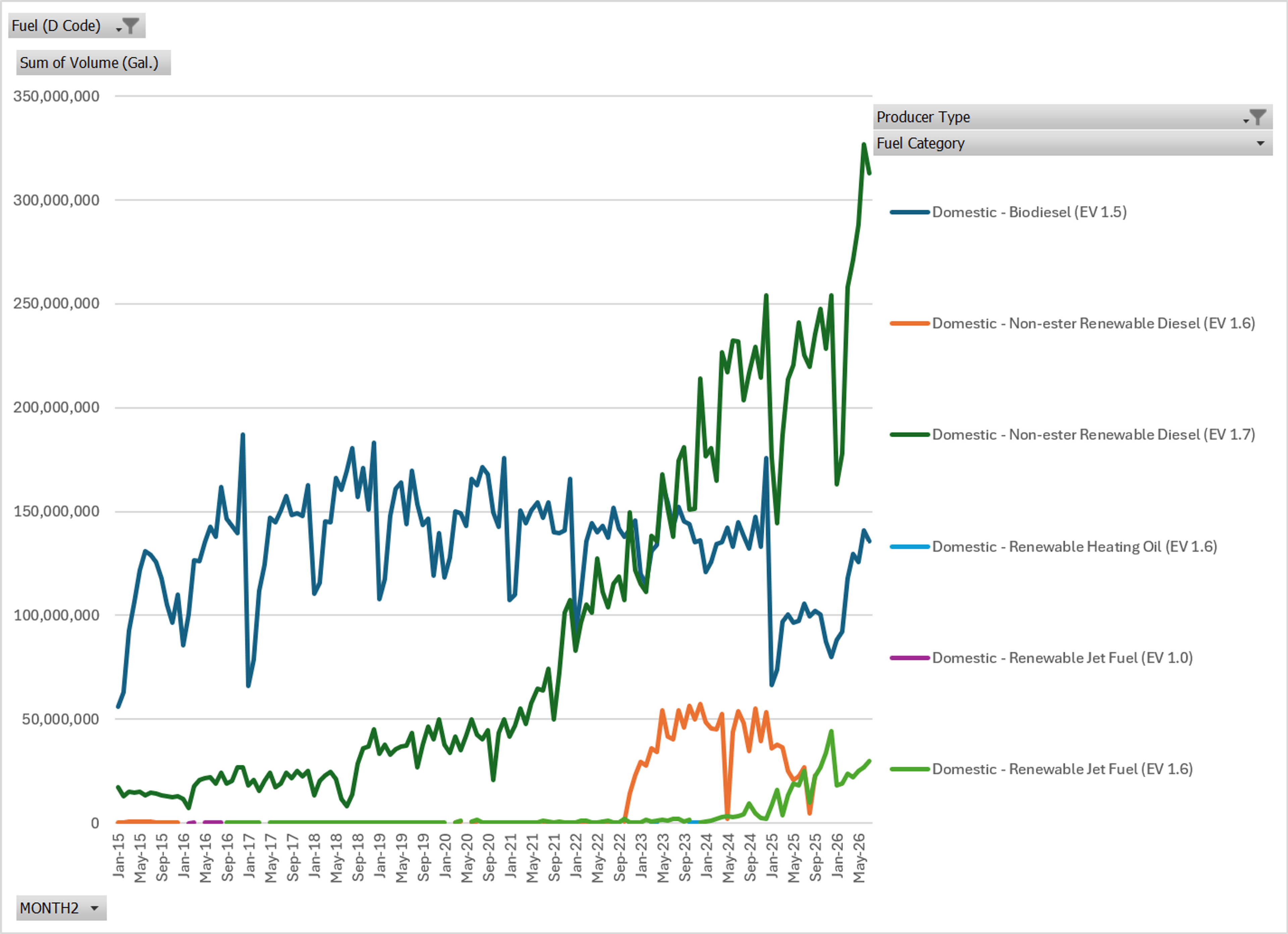
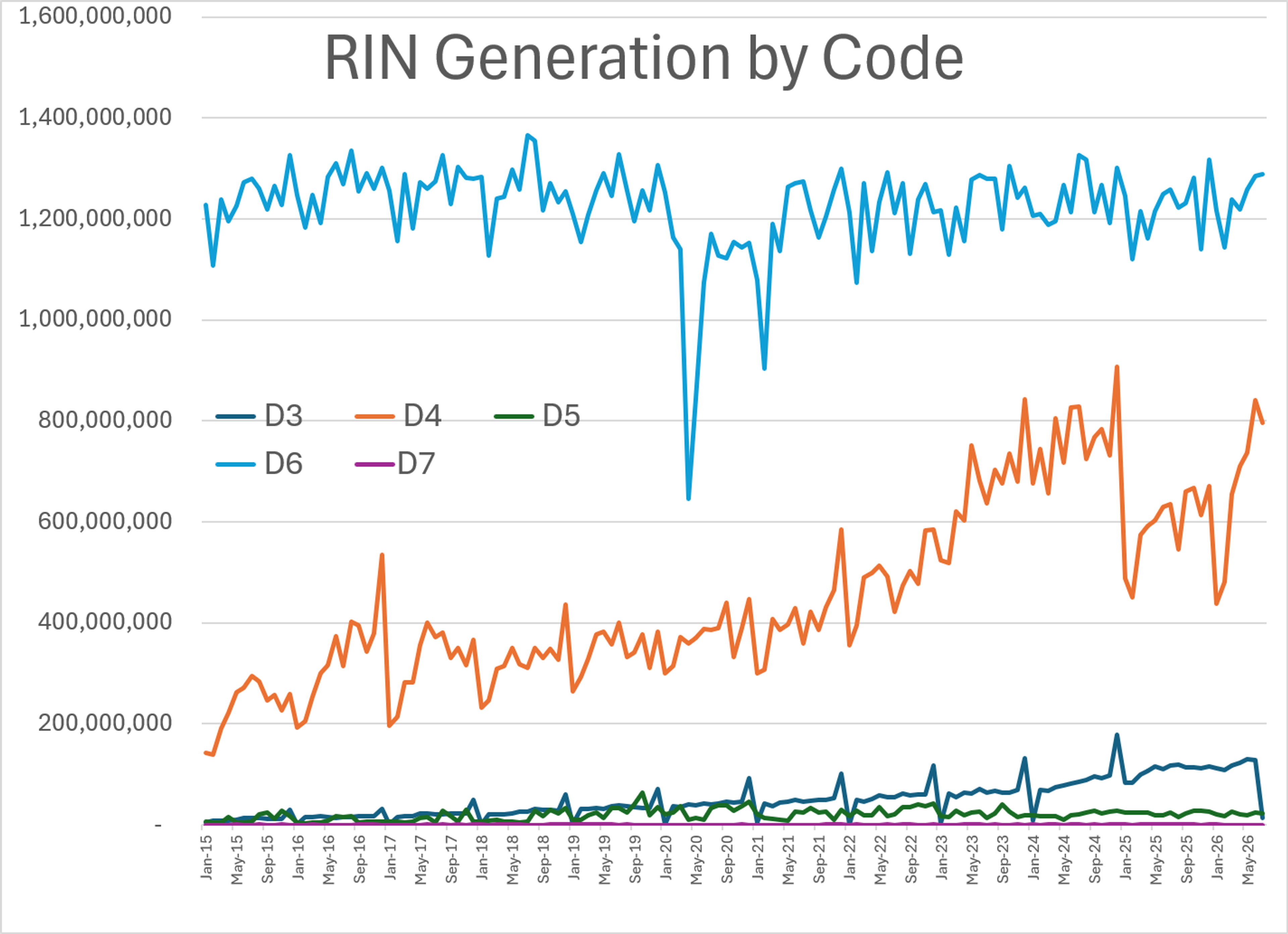
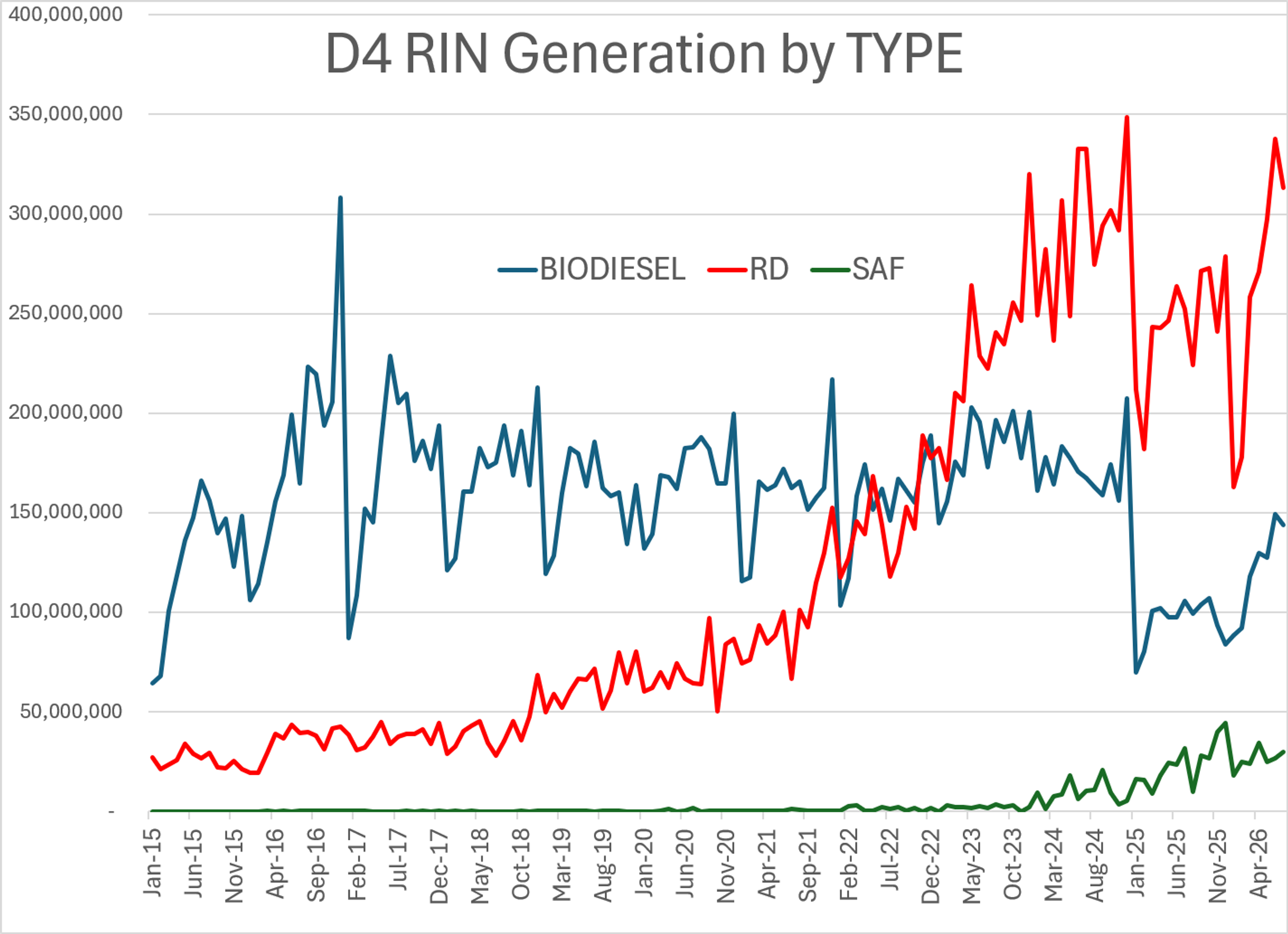
RIN values (D4 & D6) jumped around 5 percent (10-12 cents/RIN) Thursday afternoon after the EPA’s July RIN generation data was released and showed a 5% decline in D4 RIN production. Domestic production of RD held at the 2nd highest level of the year, but remains far below the 2026 RVO, which means refiners will have to draw heavily on the RIN bank to comply. Furthermore, the import market for RD and Biodiesel into the U.S. remains non existent since the $1/gallon Blenders Tax Credit was replaced by the Clean Fuel Producer Credit (AKA 45Z) that offers $0 for importers. See the table and charts below for a more detailed view on the RINs generated.
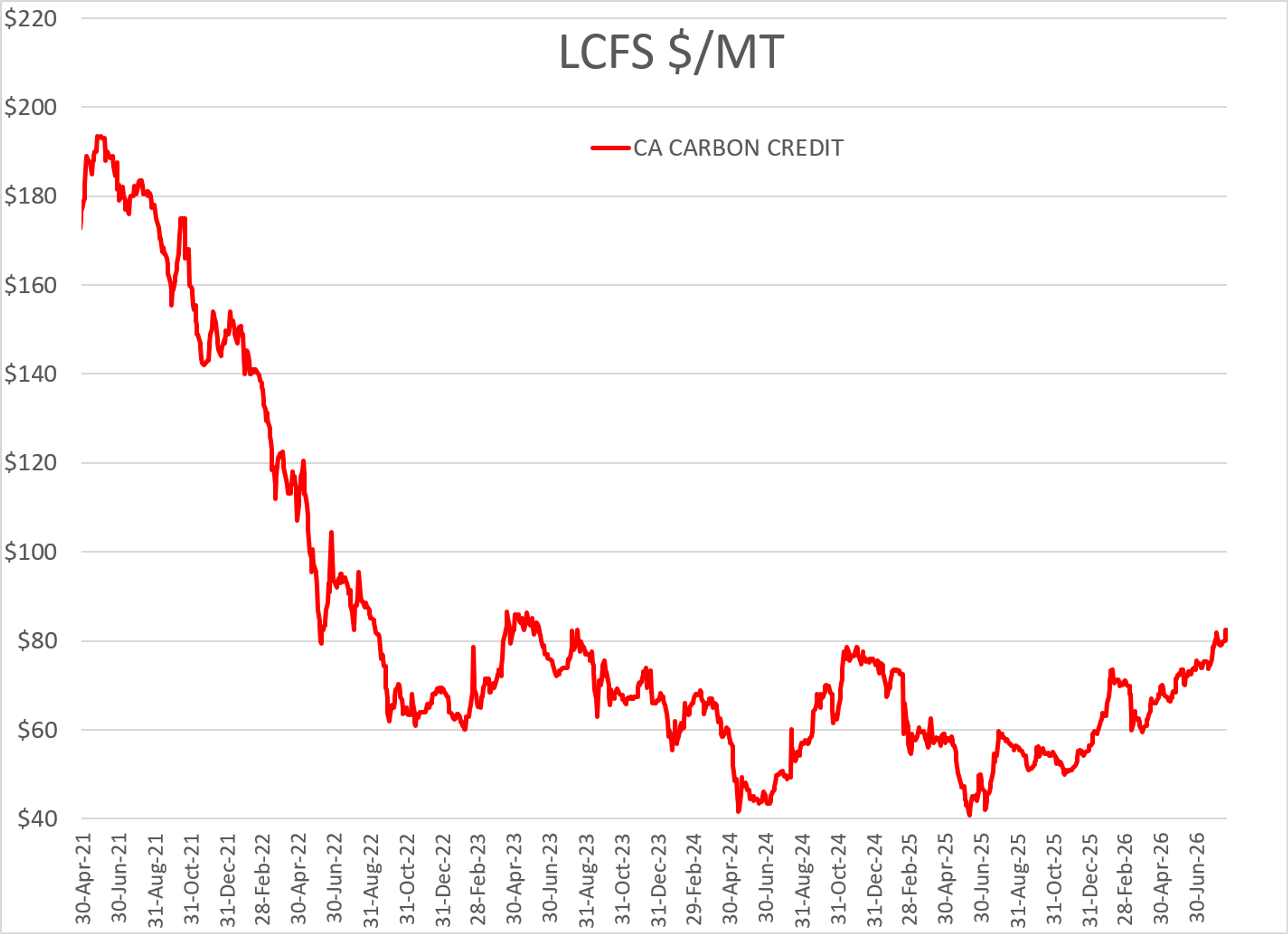
California LCFS credits touched a 3 year high Thursday with 2026 values trading north of $82/metric ton, while 2027 values were closer to $86/MT. It appears that the LCFS rally may have been driven in part by yesterday’s news of a hydrogen shortage on the Gulf Coast that’s caused 1 producer to shut down their RD facility, while rumors swirl that others may have to reduce output as well given the heavy hydrogen needs to make RD (which in Europe is known as Hydrotreated Vegetable Oil or HVO).
Marathon reported another upset at its 630mb/day Galveston Bay (Texas City) refinery Thursday, following another flaring event Tuesday, neither of which seem to have had a material impact on production. This is the 5th filing for the refinery in August, and the 15th of the year so far, adding to its status as one of the most troubled plants in the state, dating back more than 2 decades to when an explosion killed 15 and wounded 180 employees.
Today’s refinery digression: The Hartree Channelview Refinery (on the Houston ship channel) reported a spill to the TCEQ that forced the facility shut down its crude unit Thursday. Here’s why a refinery shutdown in the heart of the country’s key production zone won’t matter for gasoline and diesel prices:
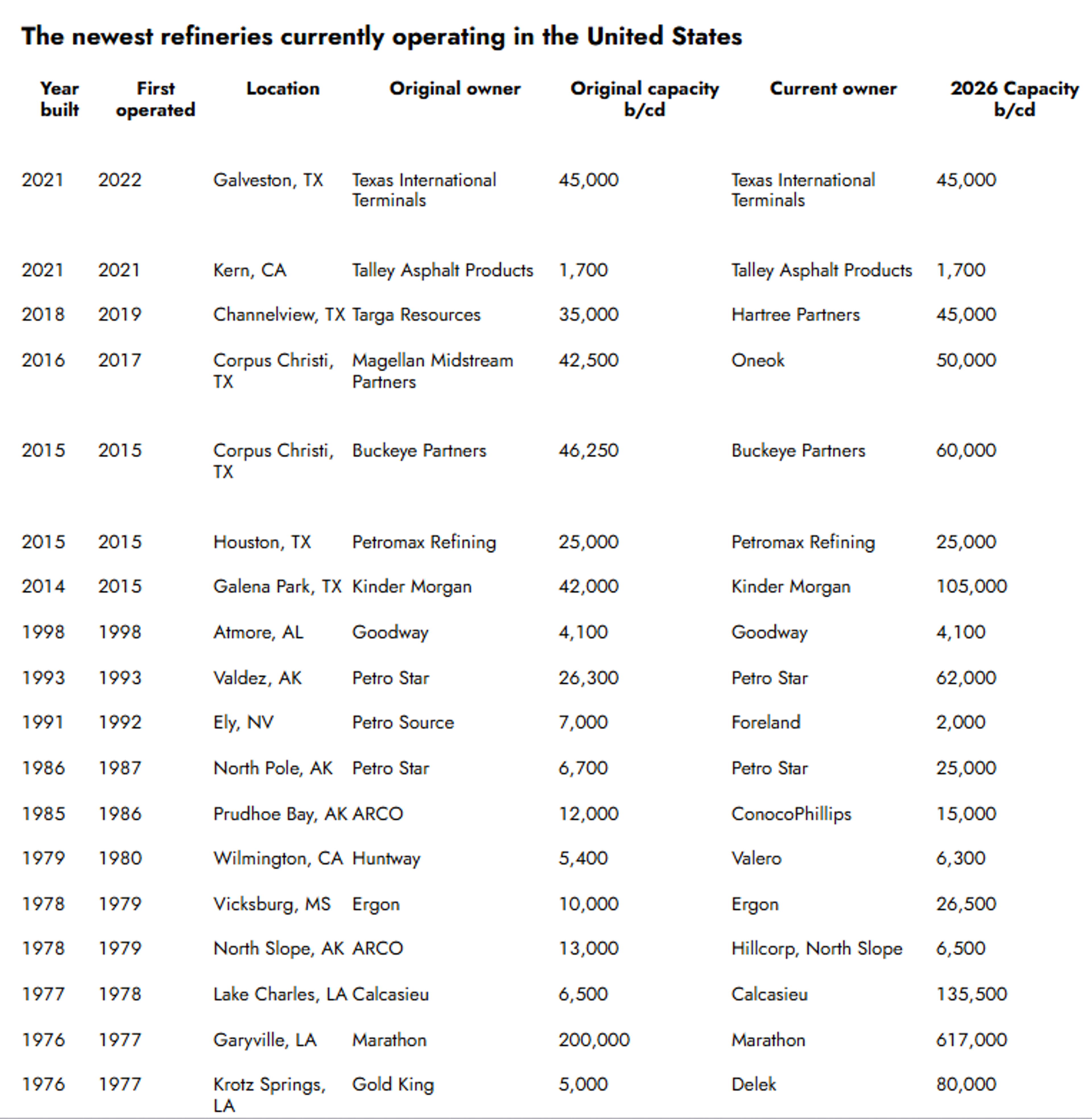
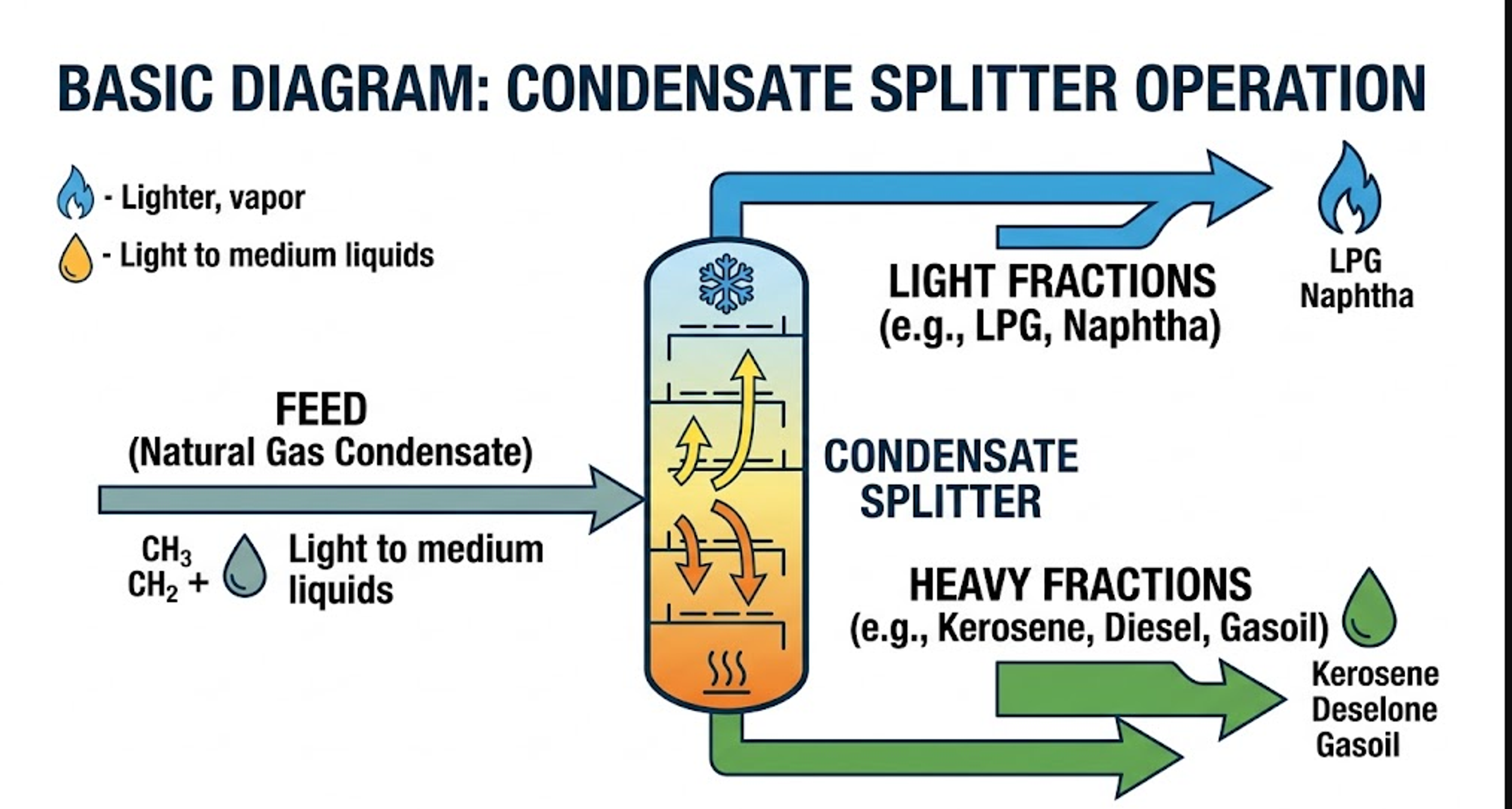
The 45mb/day Channelview facility is one of 7 new refineries built in the U.S. since 2014, almost all of which are focused on basic refining of condensate, which is the “in between” output from many U.S. shale basins that is too light to be classified as crude oil, and has too much liquid to be natural gas. Condensate production has grown rapidly along with shale output and is the primary reason why the DOE still has a hard time saying exactly how much crude oil the U.S. produces (that we see weekly in the crude adjustment factor within the DOE’s report). These facilities focus on basic distillation of the condensate to split it into building block petroleum products like LPG & Naptha on the light ends, and Kerosene and Gasoil on the heavy ends, but don’t have the more complex units to turn those components into finished motor fuels. That’s why the owners of these facilities are generally the mid-stream operators who transport natural gas and crude oil, not the integrated refiners. Long story short, any downtime at that refinery won’t have a direct impact on finished refined product markets.

Latest Posts
Energy Markets Mixed As Diesel Rallies And Supply Concerns Persist
Supply Disruptions Persist As Markets Focus Elsewhere
Geopolitics, Diesel Shortages, And Refinery Cuts Shape Energy Markets
Geopolitics, Diesel Shortages, And Refinery Cuts Shape Energy Markets
Week 39 - US DOE Inventory Recap
Volatility Returns As Diesel Surges And Global Supply Chains Tighten
Social Media
News & Views
View All
Energy Markets Mixed As Diesel Rallies And Supply Concerns Persist
Supply Disruptions Persist As Markets Focus Elsewhere