Energy Futures Tread Water To Start Last Week Of July

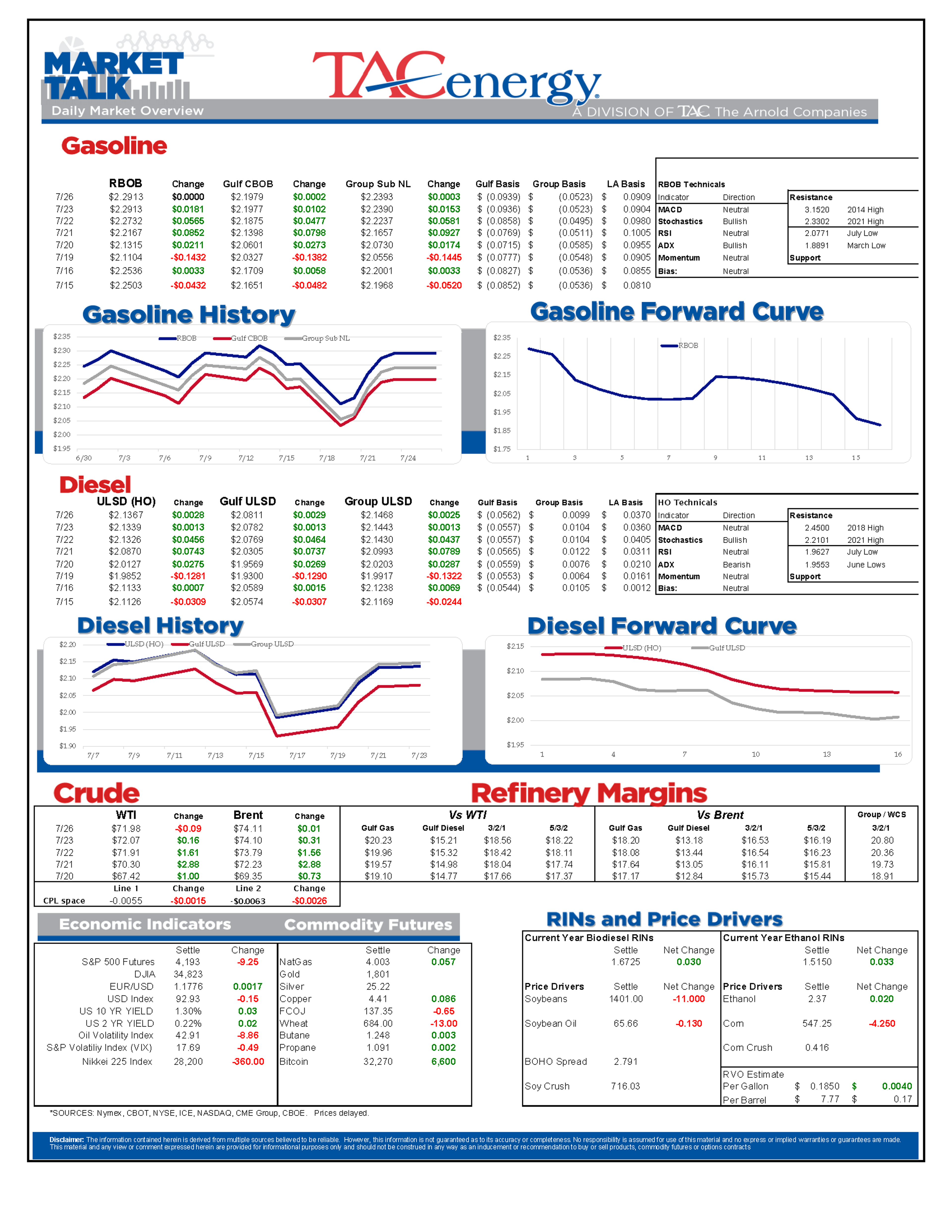
Energy futures are treading water to start the last week of July, and US equity markets are seeing small losses after reaching fresh record highs Friday.
Although volatility has dropped in both energy and equity markets since spiking a week ago, things aren’t as calm as they seem based on current prices, as we did have refined products trading over nearly a nickel range overnight. The last week of July will bring a key test for the energy bulls, that have already passed two big tests so far in July. If prices do not break to fresh highs before month end, there will be an argument that the weekly charts are forming a rounding top pattern that could end up meaning sharply lower prices as we get closer to fall.
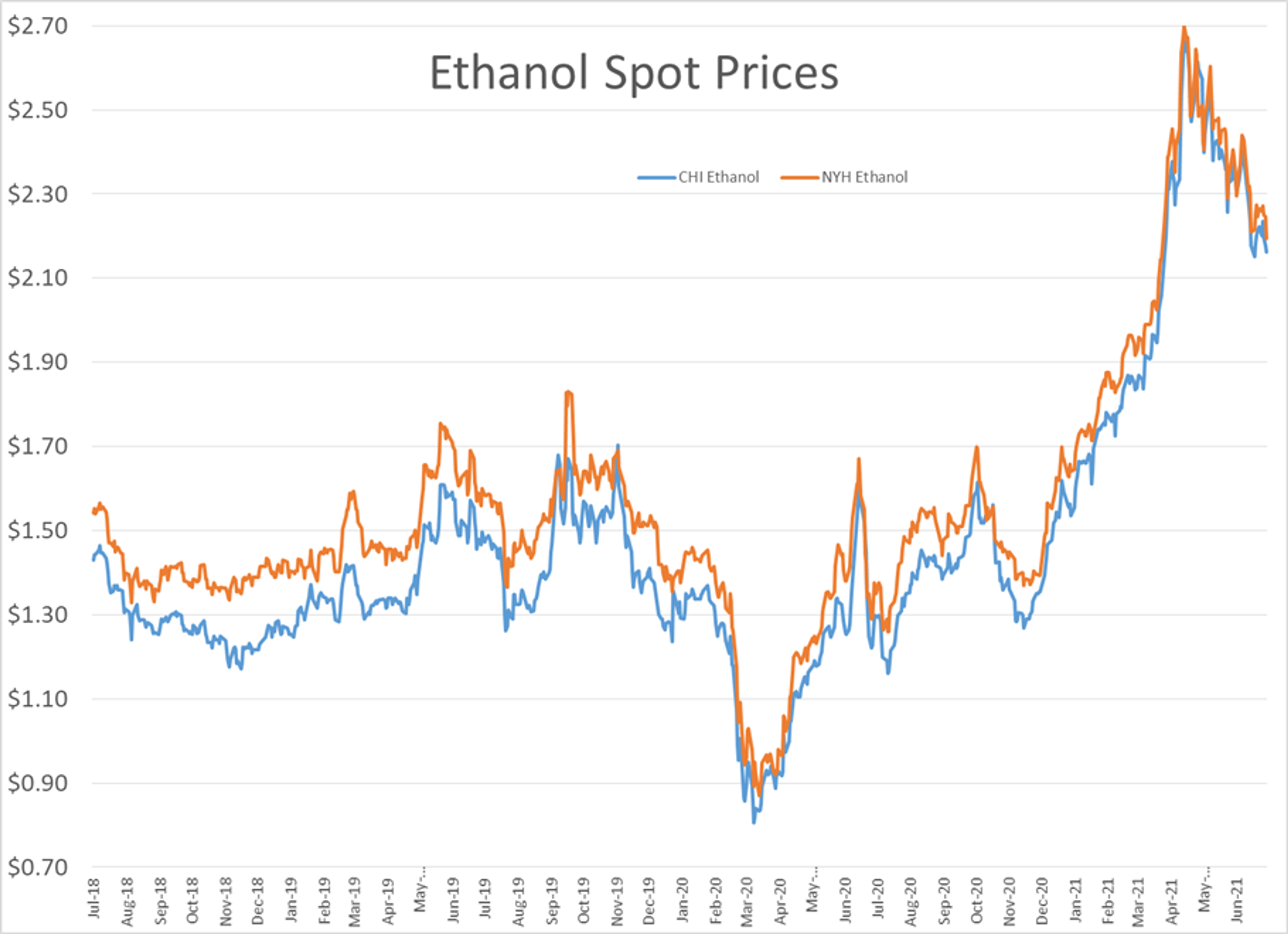
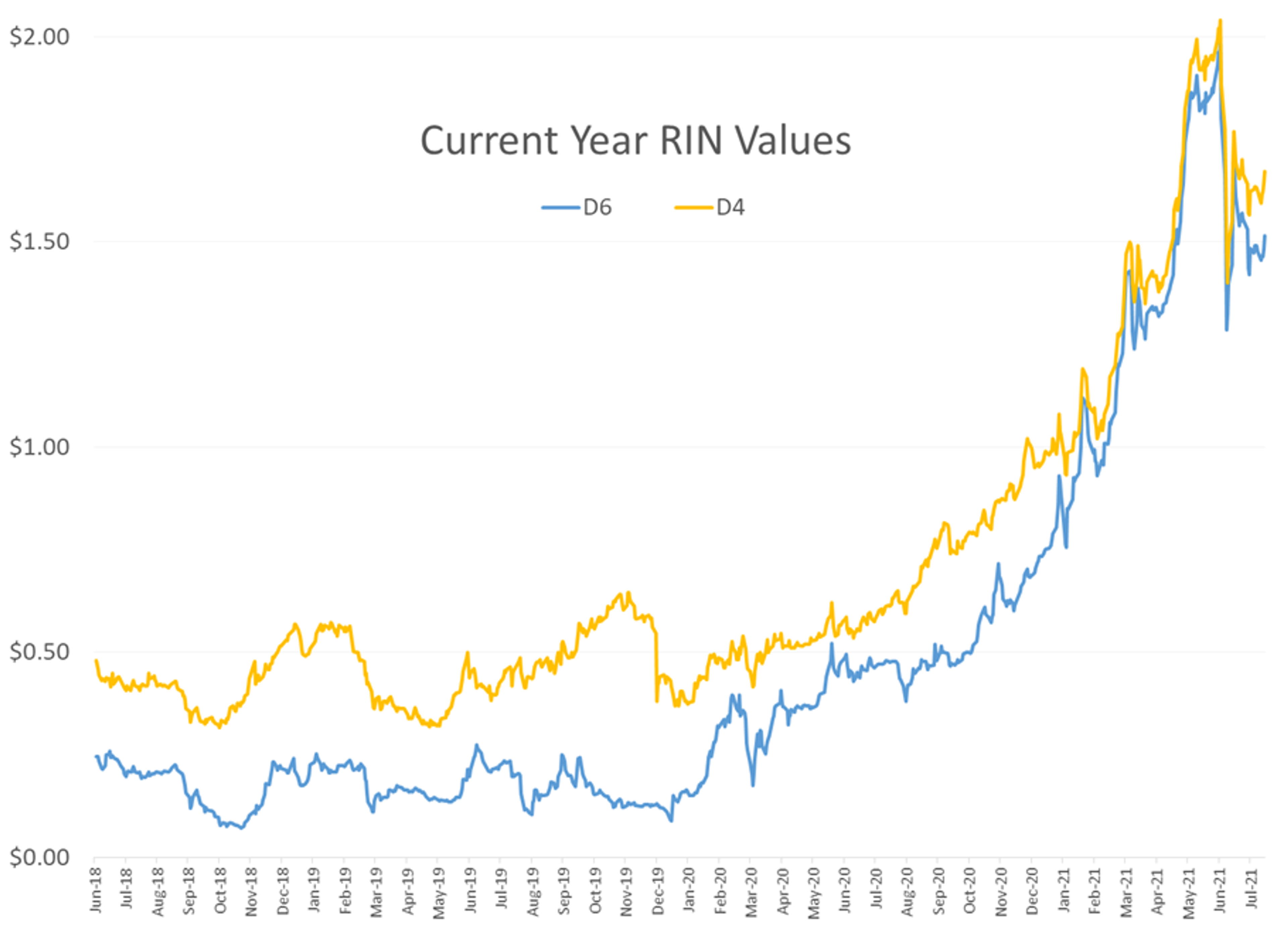
Ethanol prices appear to be on the verge of a technical breakdown, along with corn futures which traded below their 200 day moving average for the first time in nearly a year on Friday. That selling in grains didn’t prevent a jump of more than 3 cents in RIN values Friday, although some stronger offers did appear in the afternoon, which could create some downward pressure to start the week, especially with futures flashing red.
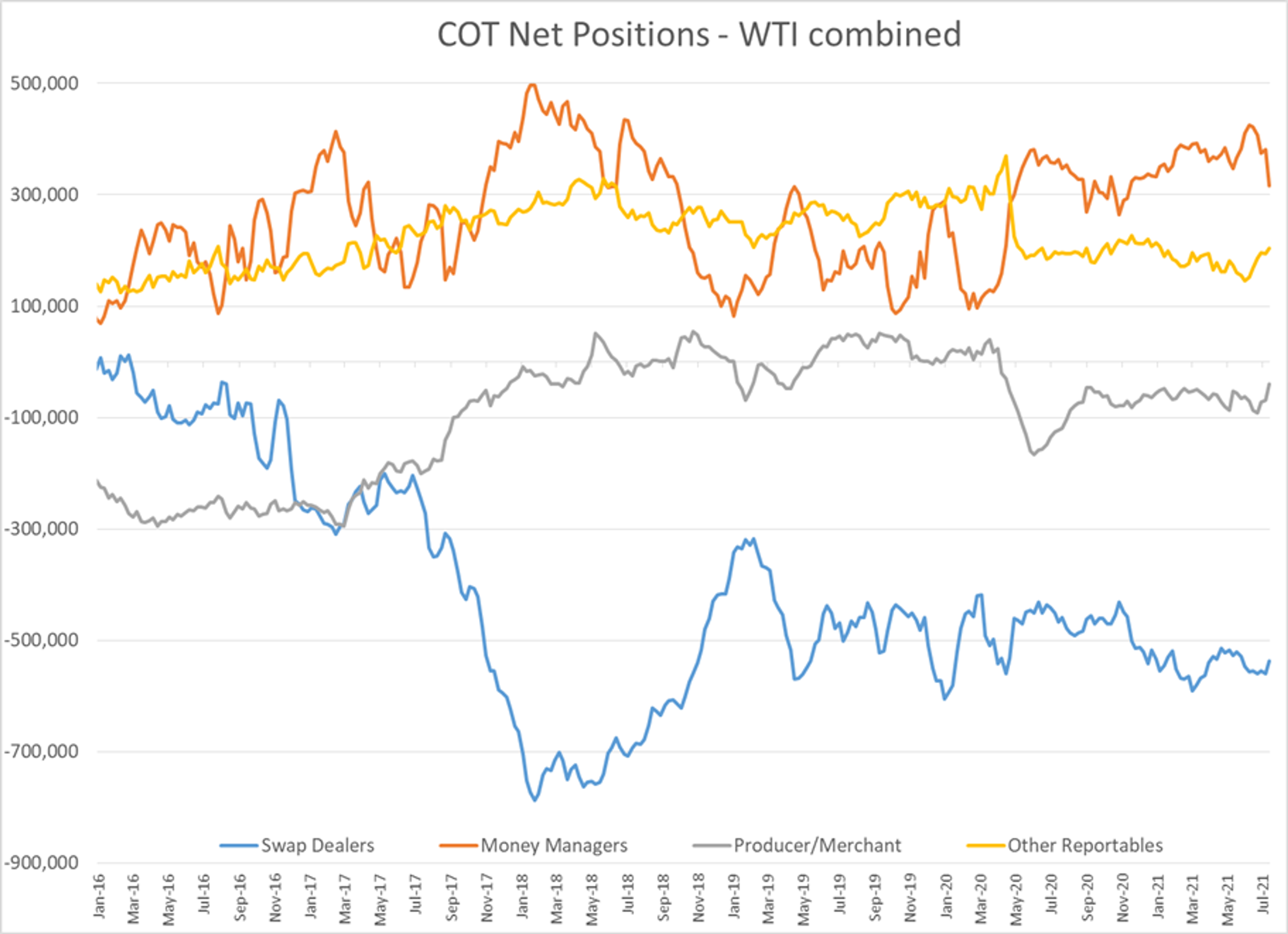
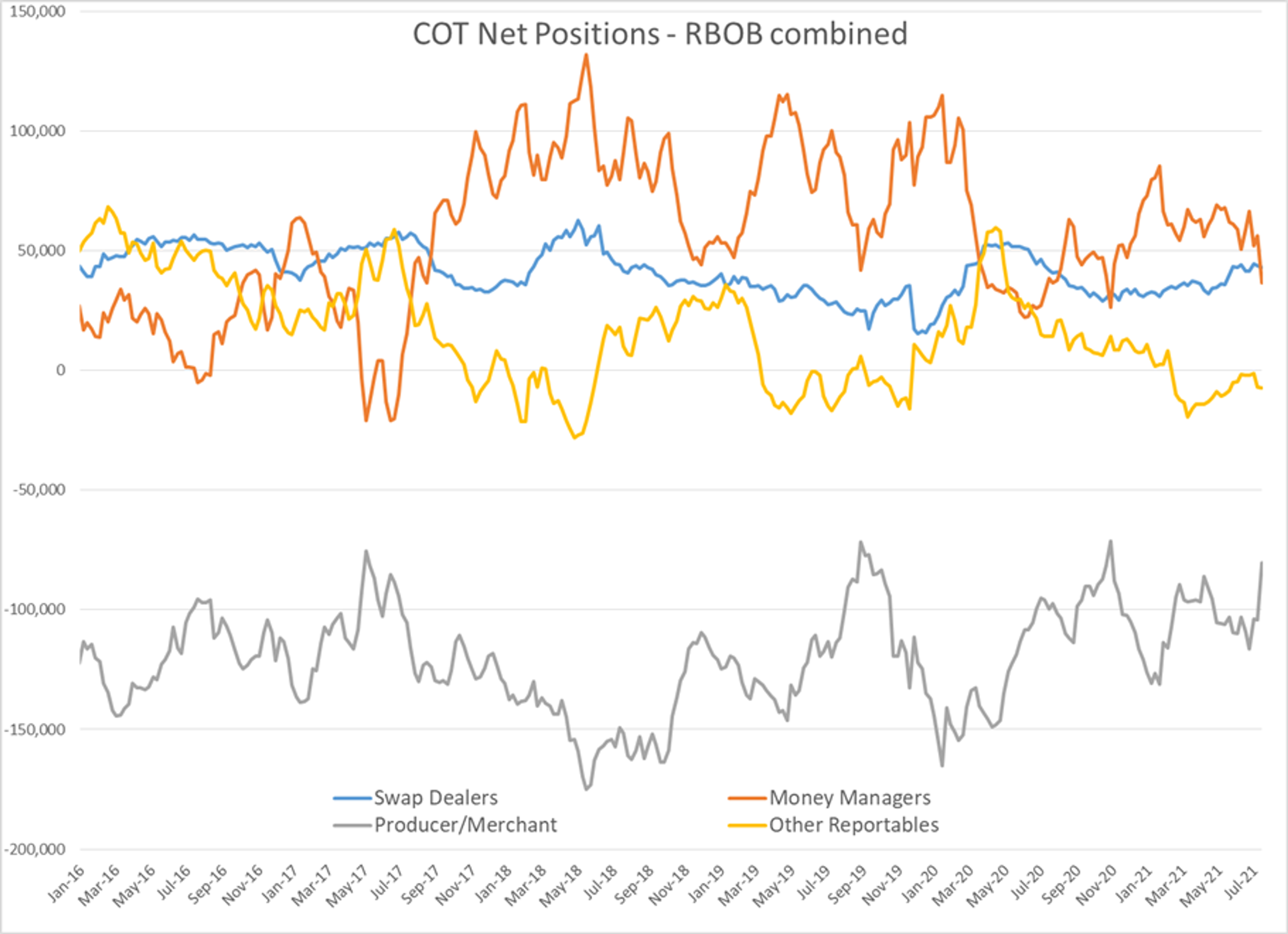
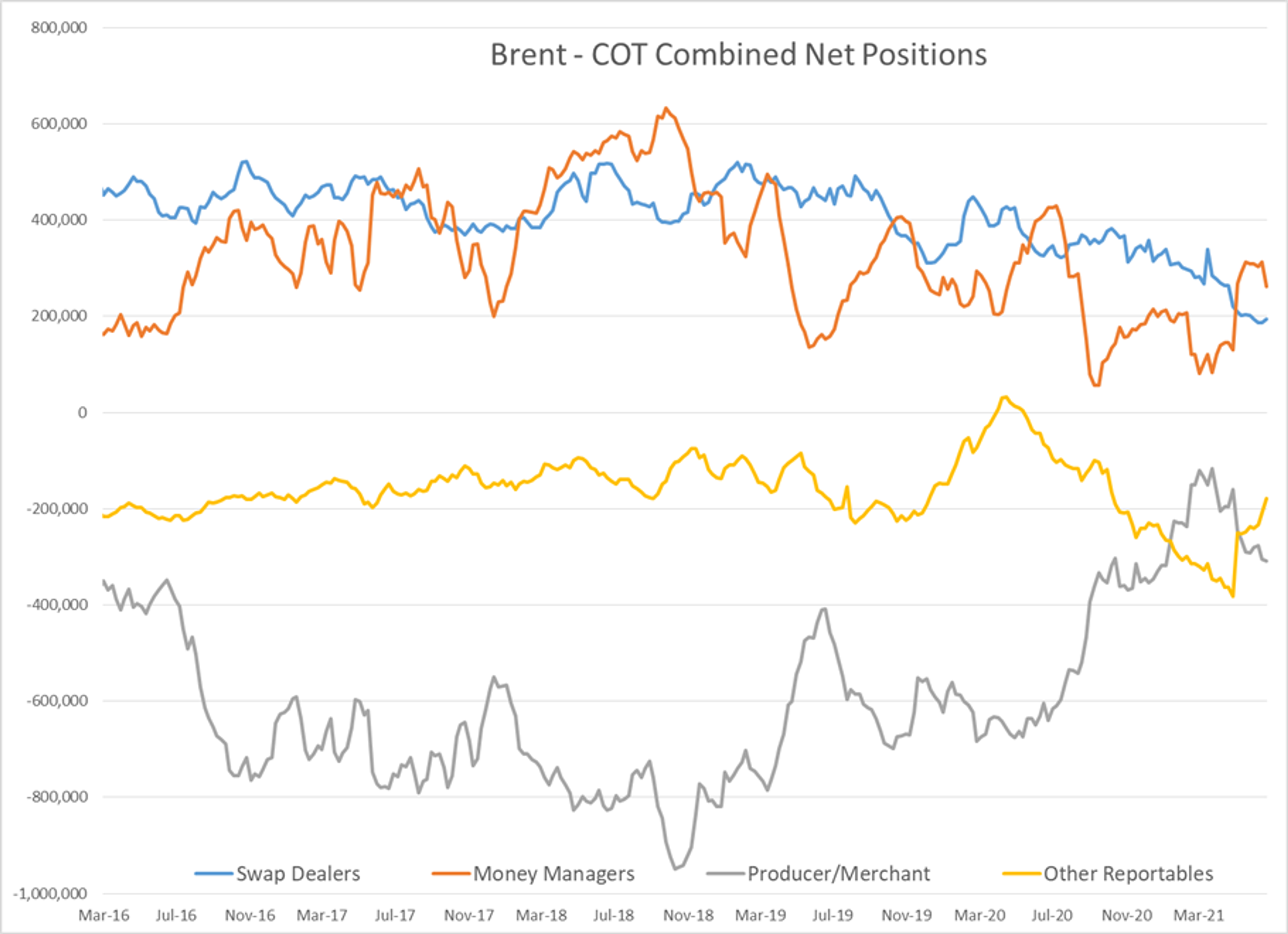
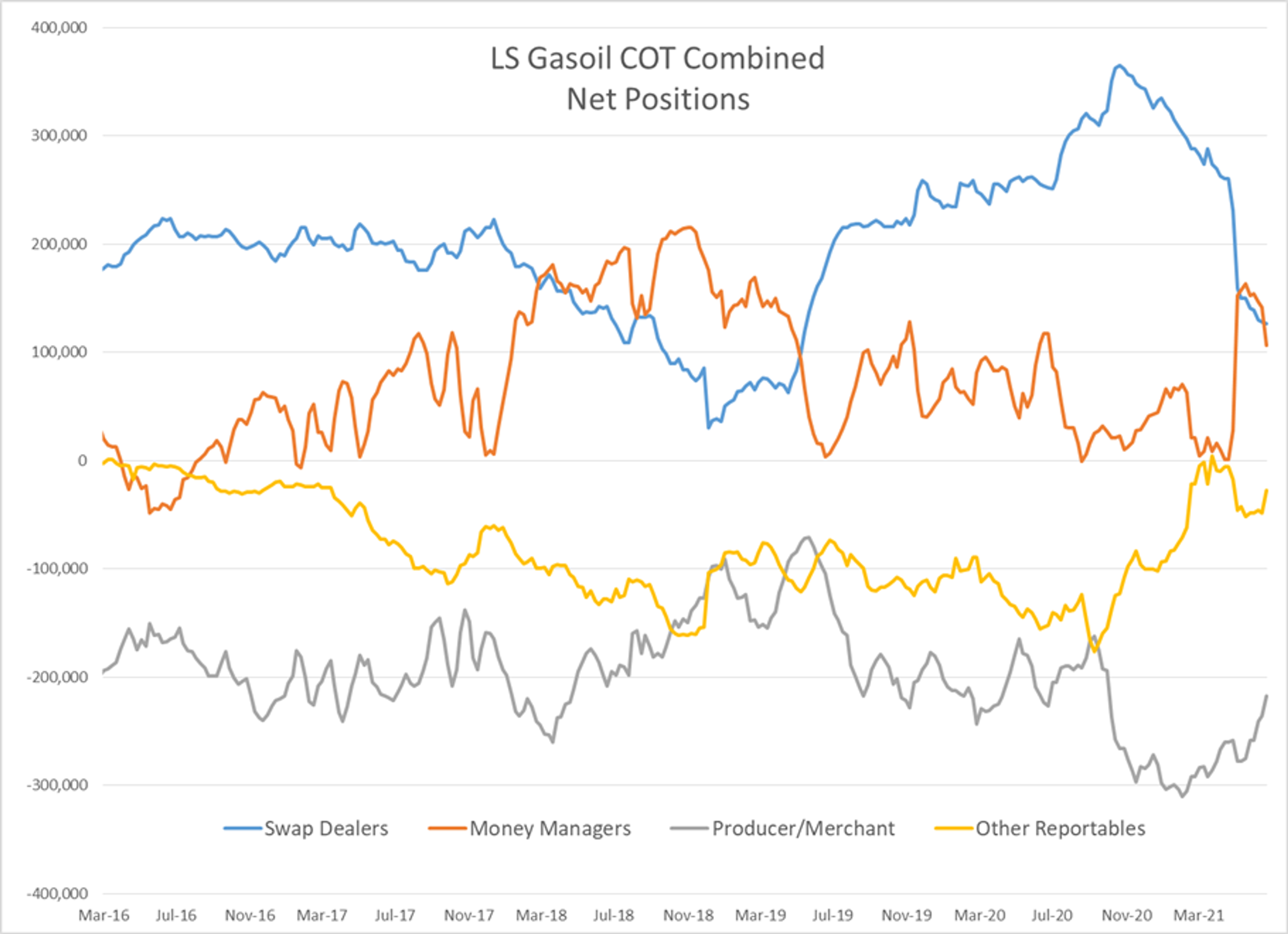
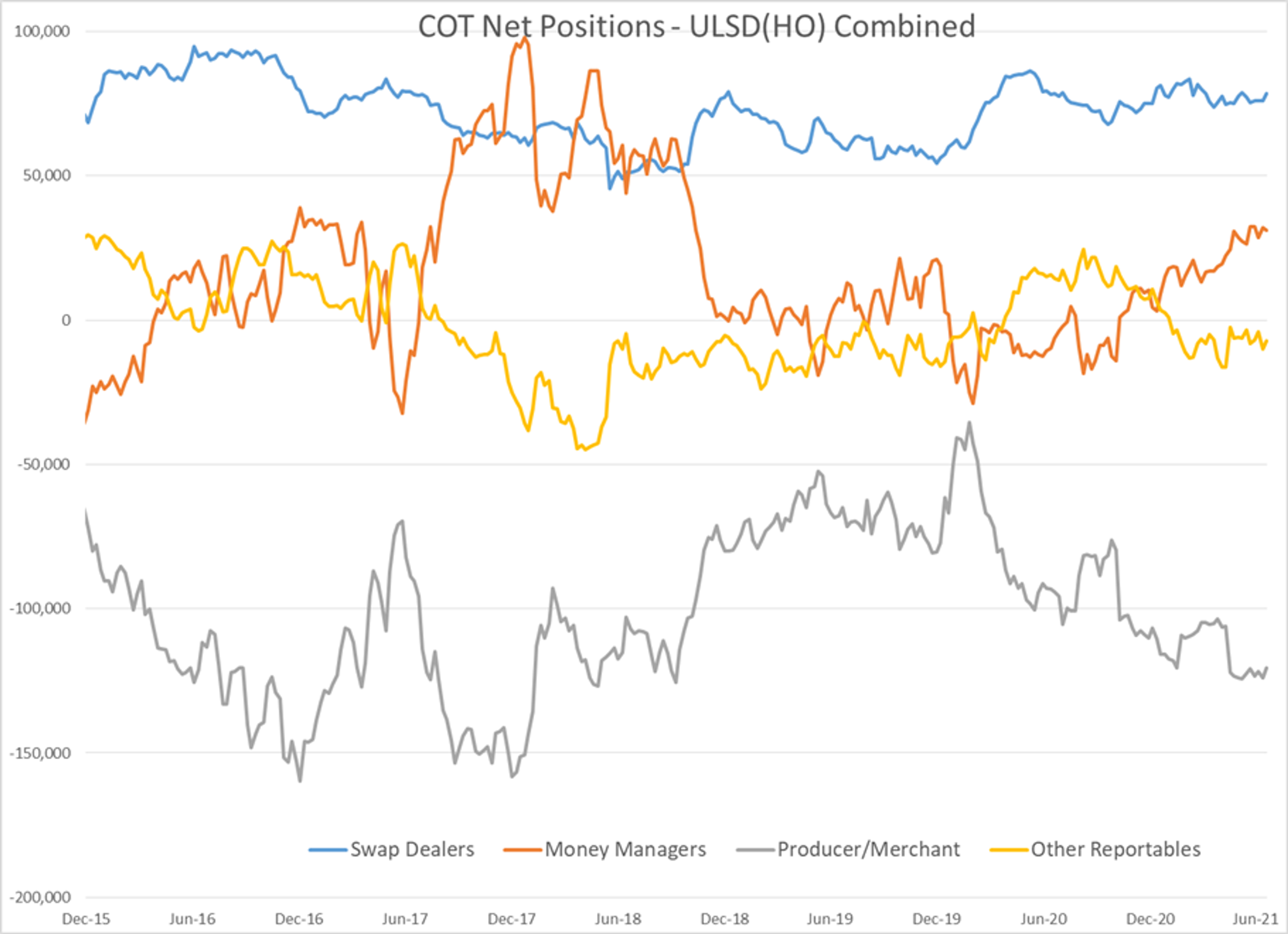
Hedge funds look like they may have thrown in the towel after last Monday’s brutal sell-off (and likely missing out on the subsequent rally) with managed money net length seeing sharp reductions across the energy board last week. WTI and RBOB net length plunged to the lowest levels since last October as long positions were cut, and new short positions were added. Those new shorts may help explain the strong rallies in WTI and RBOB Wednesday and Thursday if those new speculative shorts were getting squeezed out. Brent and Gasoil contracts also saw large declines in the large speculator books, while ULSD was the only contract to see a single digit percentage drop on the week, which could end up being a sign of hedge funds struggling to figure this market out as there’s a case that the ULSD contract looks the weakest currently on the charts.
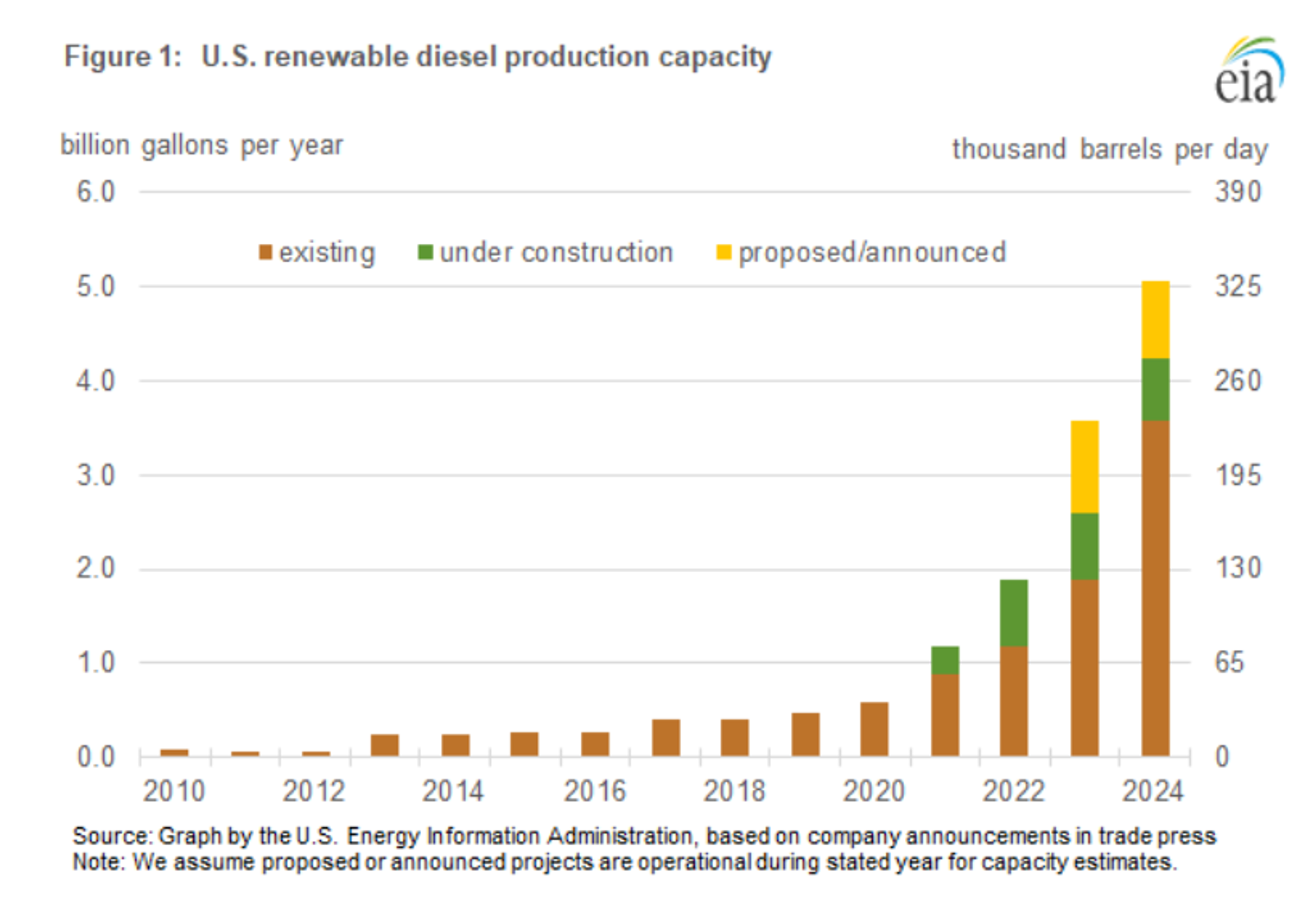
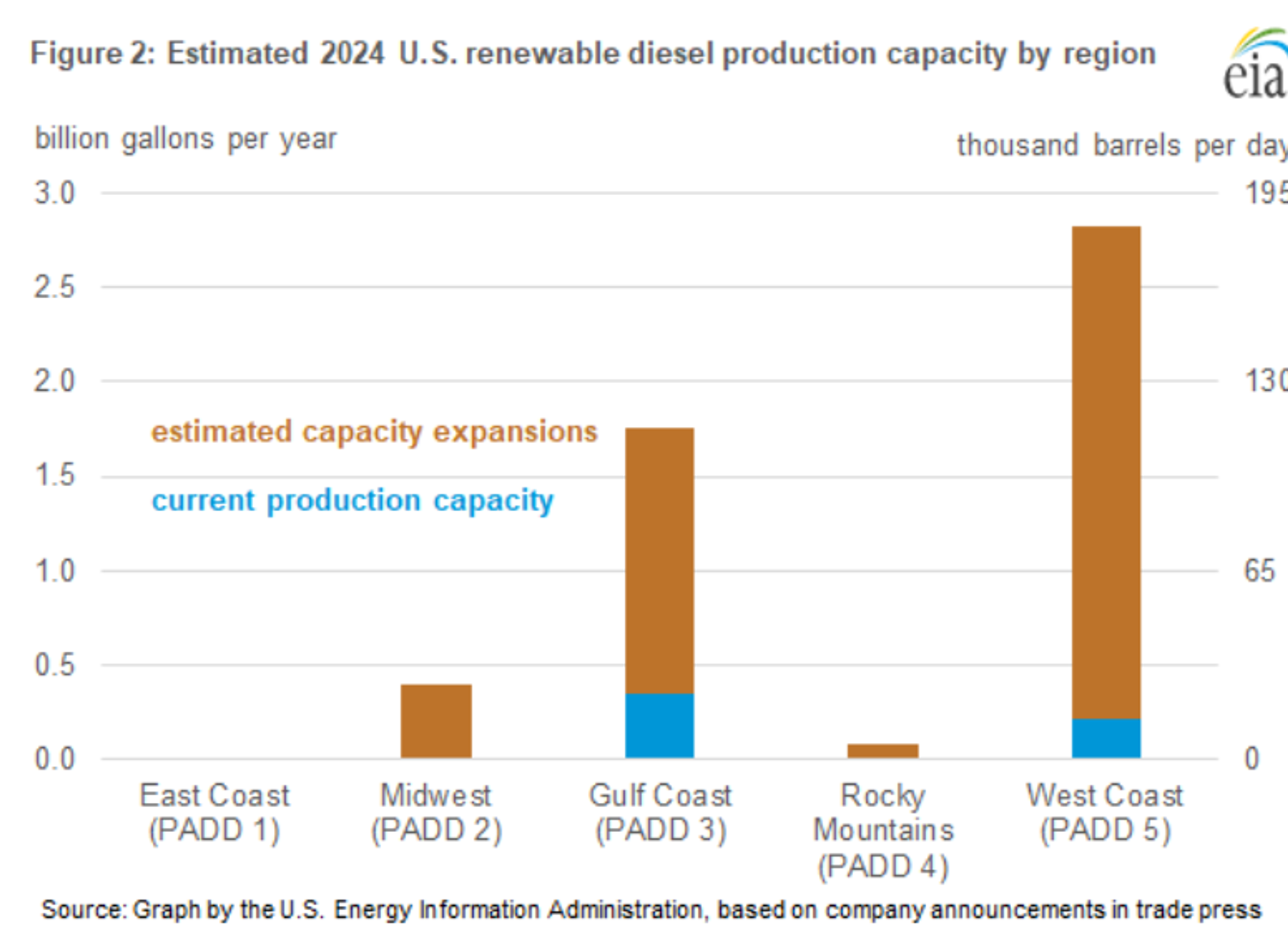
The EIA last week took a closer look at the spike in renewable diesel production expected over the next 3 years, which is forecast to bring US capacity from less than 1 billion gallons/year currently, to nearly 5 billion gallons by 2024. The report notes that even with this surge in production, RD will only account for roughly 20% of West Coast diesel refining capacity, and 4% of USGC capacity after these upgrades are made. The report also highlights the challenges the consequences of higher feedstock and RIN prices caused by this race to take advantage of California’s credits go green.
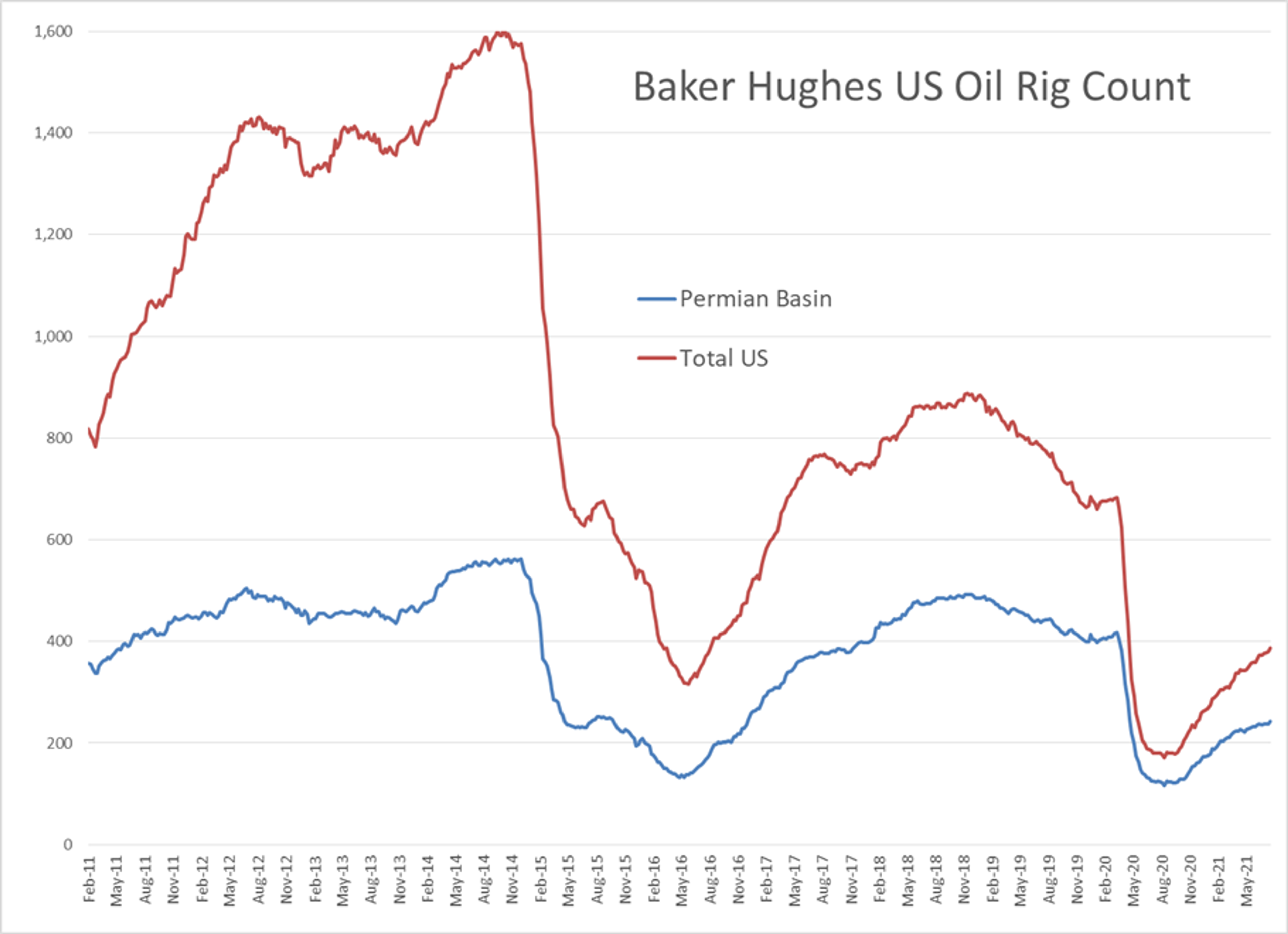
Baker Hughes reported 7 more oil rigs were put to work last week, continuing the steady increase in drilling activity as producers enjoy the highest prices in nearly 7 years. Unlike the past month, the Permian led the increases this week, with 4 more rigs operating in the country’s largest basin.
Click here to download a PDF of today's TACenergy Market Talk.

Latest Posts
Refinery Outages, Storm Risks, And Export Constraints Lift Distillates
Week 40 - US DOE Inventory Recap
Diesel Leads Energy Markets Lower Despite Mounting Geopolitical Risks
Energy Markets Mixed As Diesel Rallies And Supply Concerns Persist
Supply Disruptions Persist As Markets Focus Elsewhere
Geopolitics, Diesel Shortages, And Refinery Cuts Shape Energy Markets
Social Media
News & Views
View All
Refinery Outages, Storm Risks, And Export Constraints Lift Distillates
Week 40 - US DOE Inventory Recap