$5 Diesel Now Feels Inevitable: ULSD Blasts Past March Highs, No Resistance in Sight

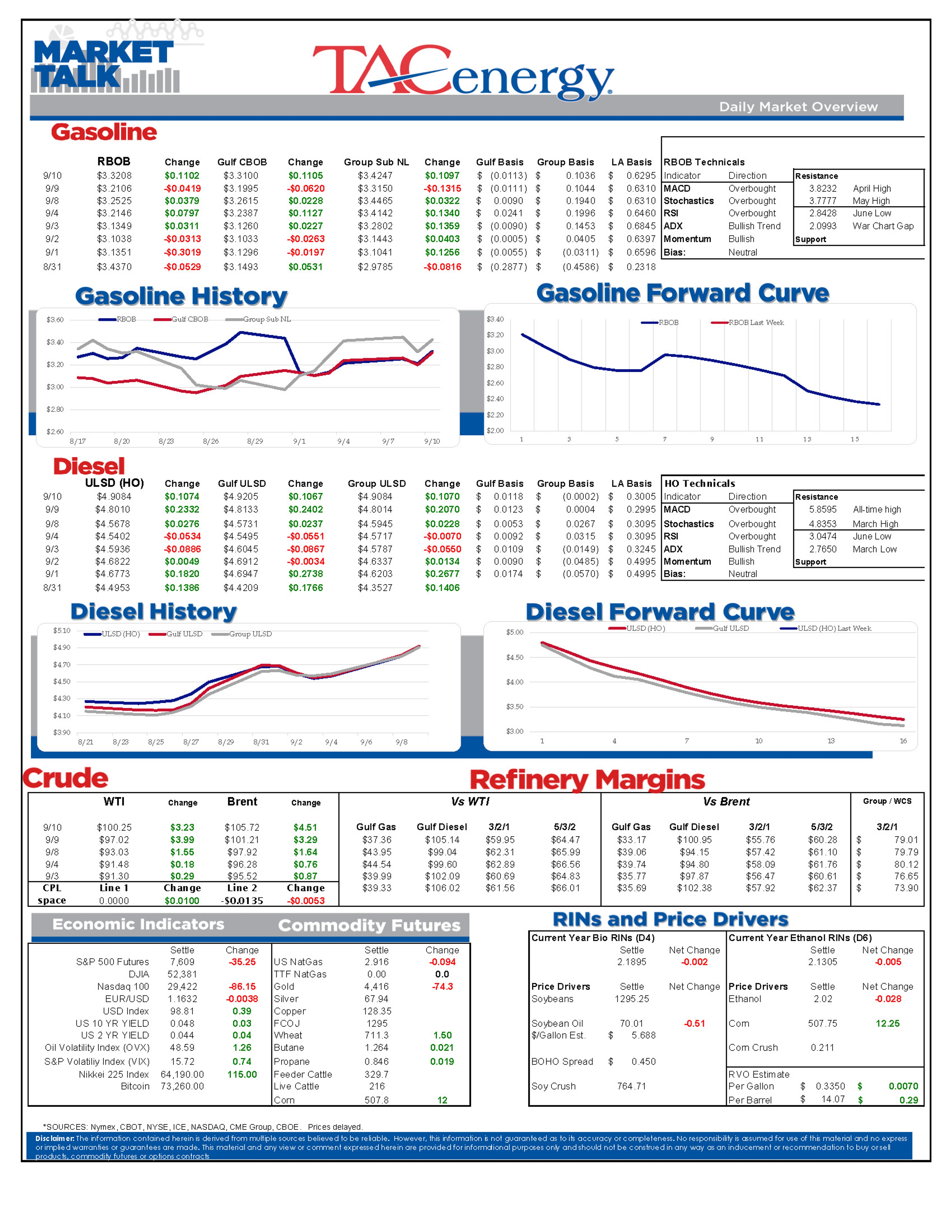
Energy markets continue to surge to multi-month highs this morning, with WTI breaking back above $100 for the first time since May, as the U.S. and Iran launched more attacks in and around Hormuz over the past 2 days than have been reported since the war began 6 months ago.
Does that mean we won’t get $5,000 either? The latest surge higher suggests the market isn’t believing the U.S. President’s claims from last night that the war will end right after the mid-term elections.
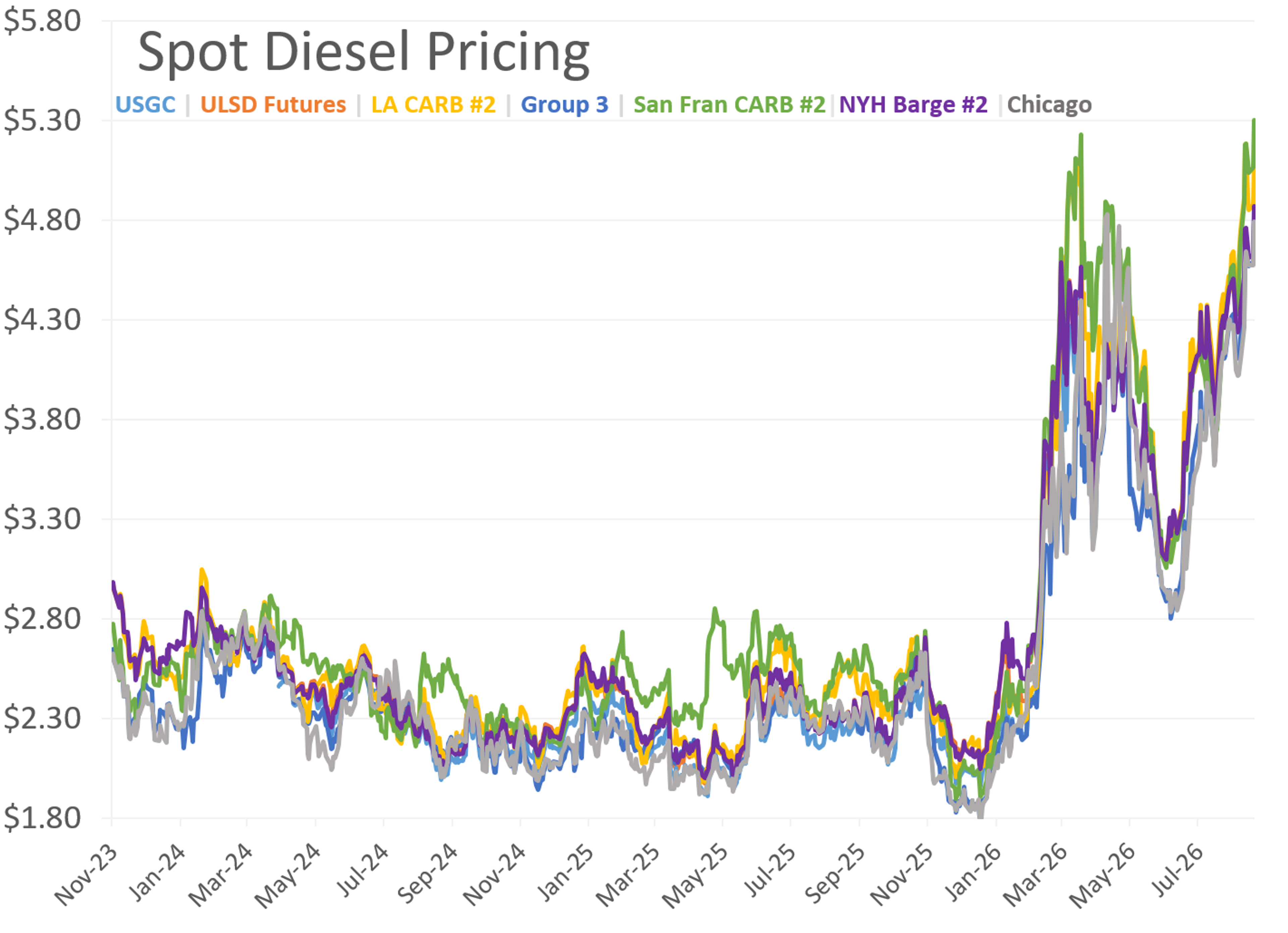
Just a casual 22-cent swing: ULSD futures took a brief breather overnight, dropping more than 9 cents at one point after settling at a fresh 4-year high Wednesday, but have since erased those losses, trading up more than 13 cents around 7:30 central, blasting past the March intraday high of $4.8353. With that little bit of chart resistance acting like nothing more than a speed bump, a run towards the $5 mark now feels inevitable with little resistance on the charts, and no signs of peace on the horizon.
While the pace of Ukrainian attacks on Russian refineries has slowed in September, with “just” 2 confirmed attacks in the first 10 days of the month, compared to 23 in August, their effectiveness is evident with both the 404mb/day Kirishi plant and the 343mb/day Ryazan facility (the 2nd and 3rd largest refineries in the country) reported to be completely shut down this week following recent attacks. In addition, Ukraine continues to flex its range, with an attack on a natural gas processing facility nearly 2,000 miles from the border reported Wednesday.
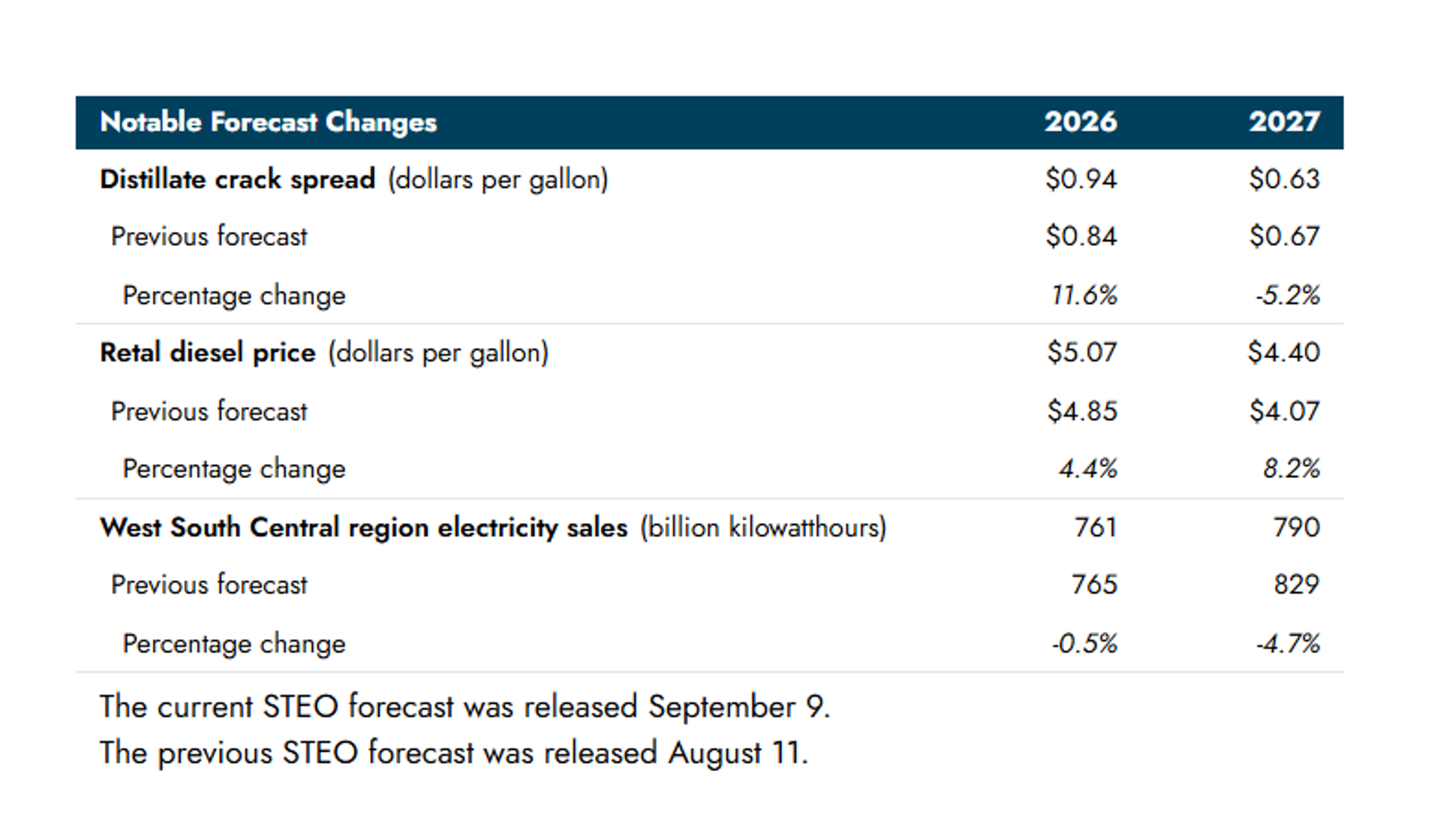
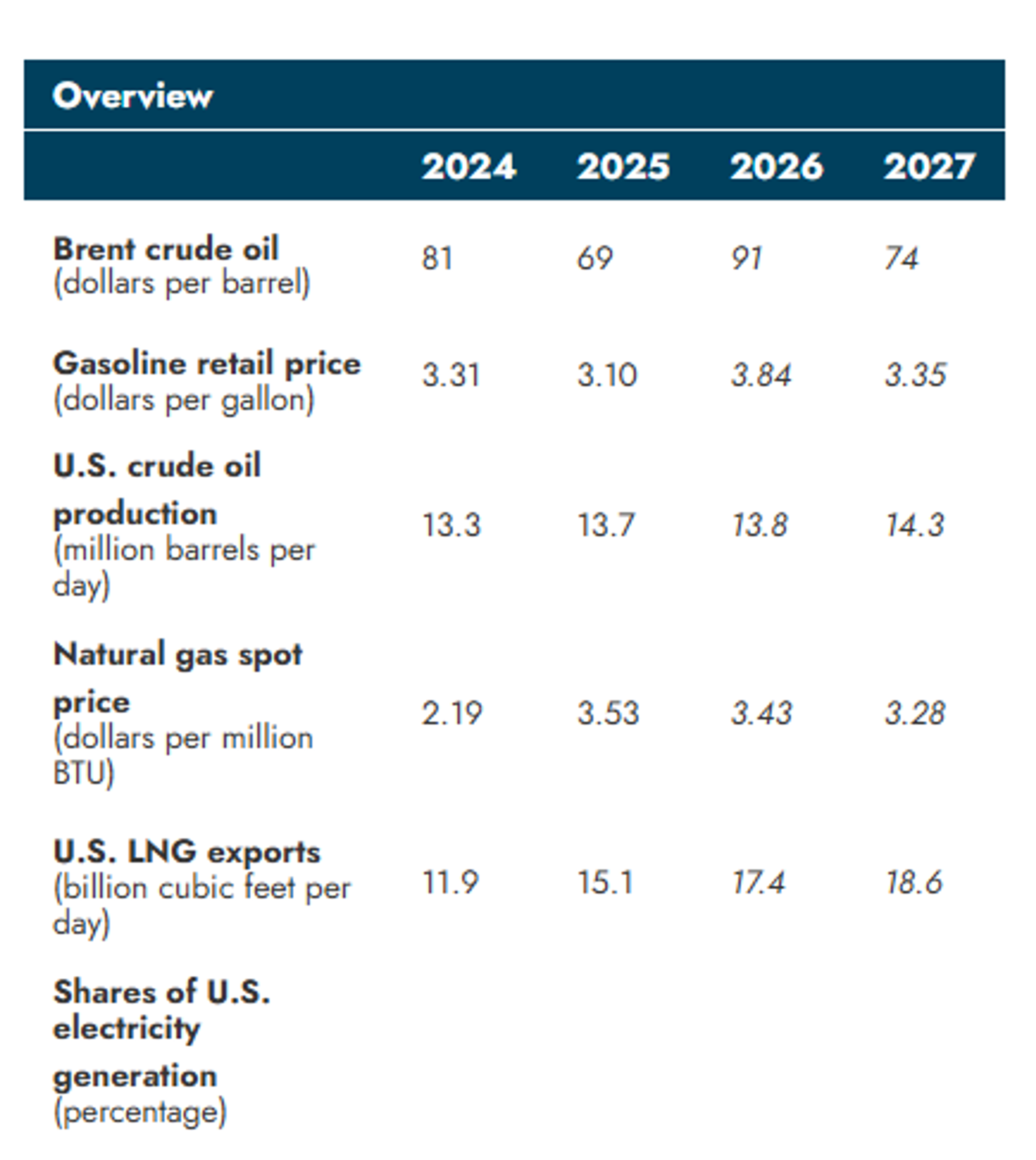
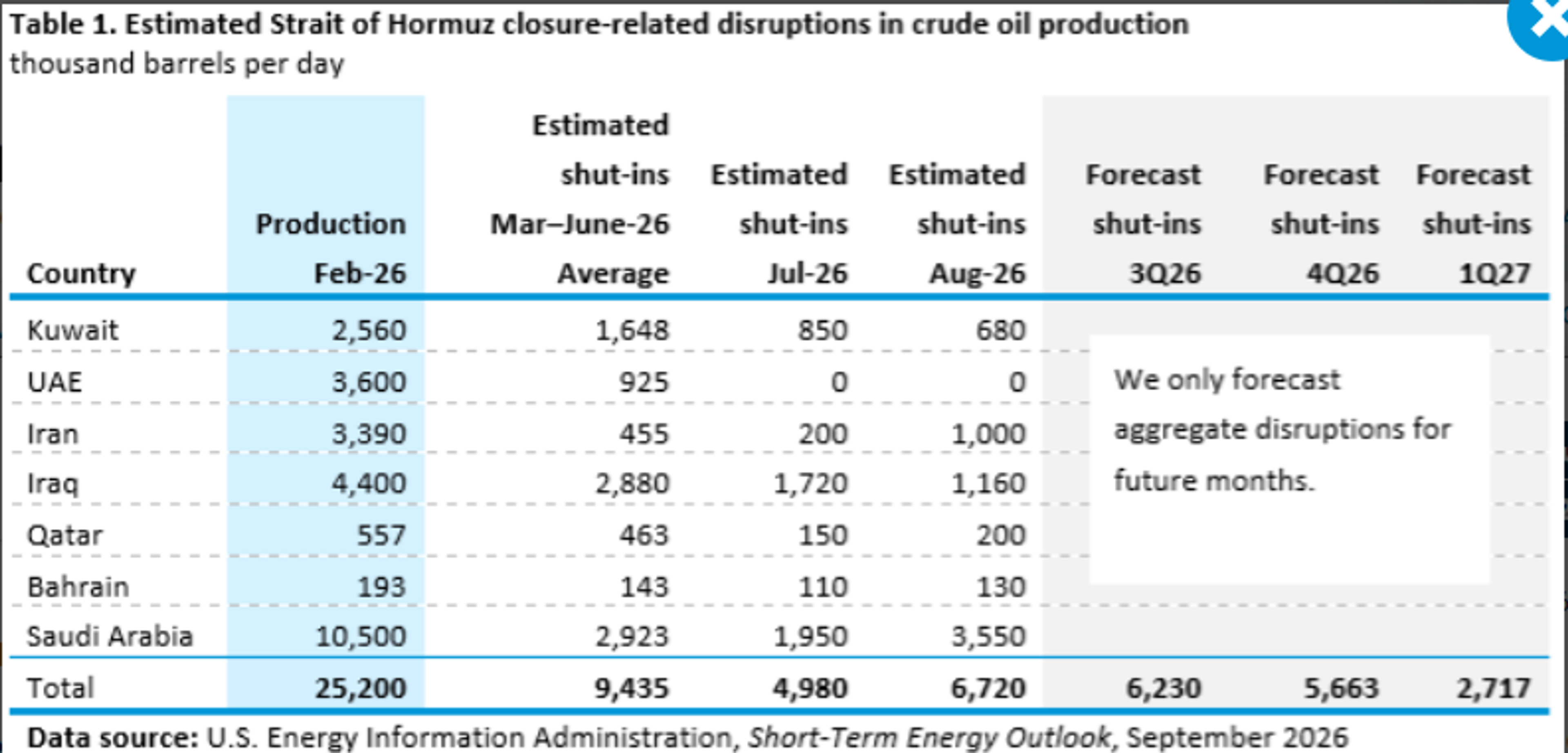
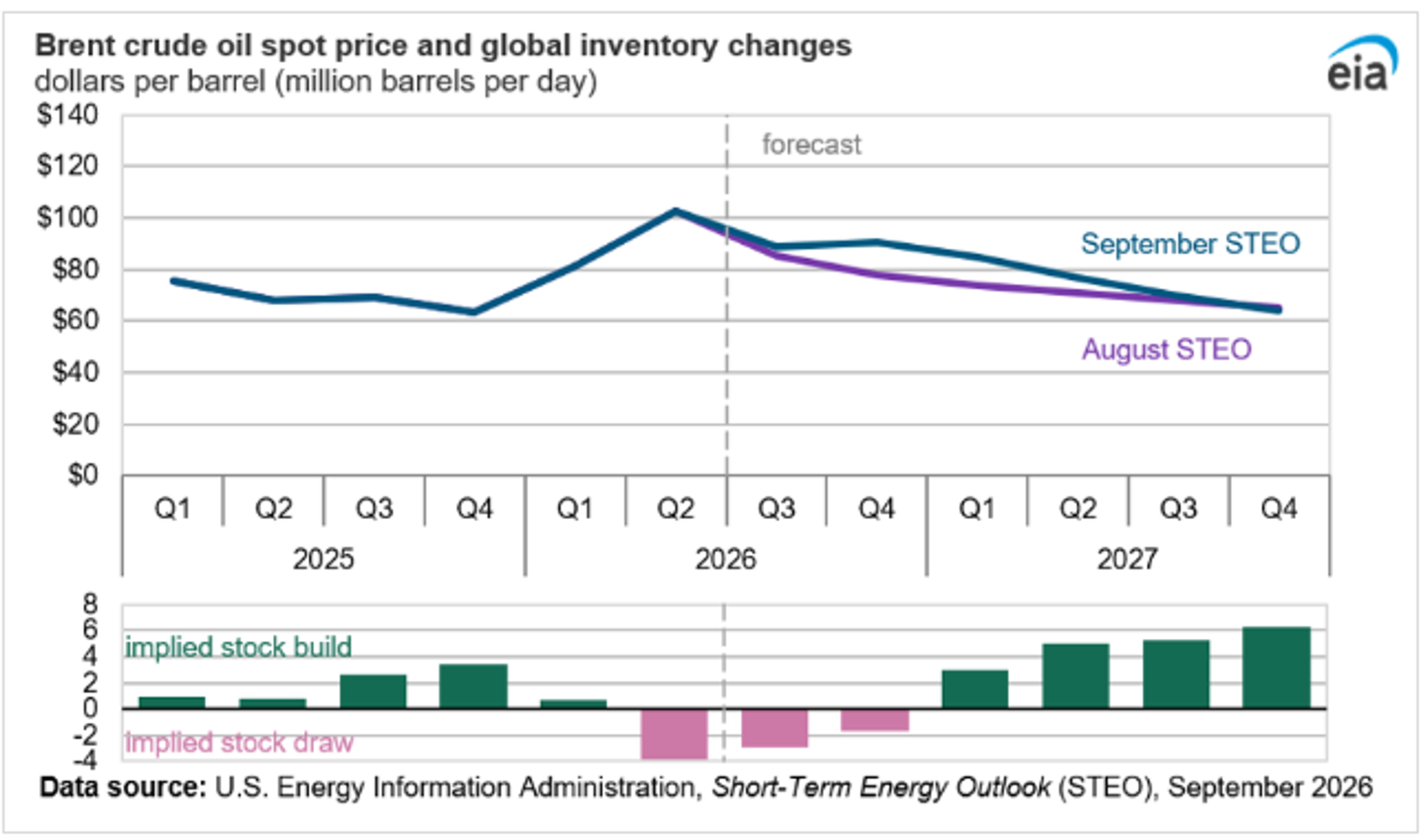
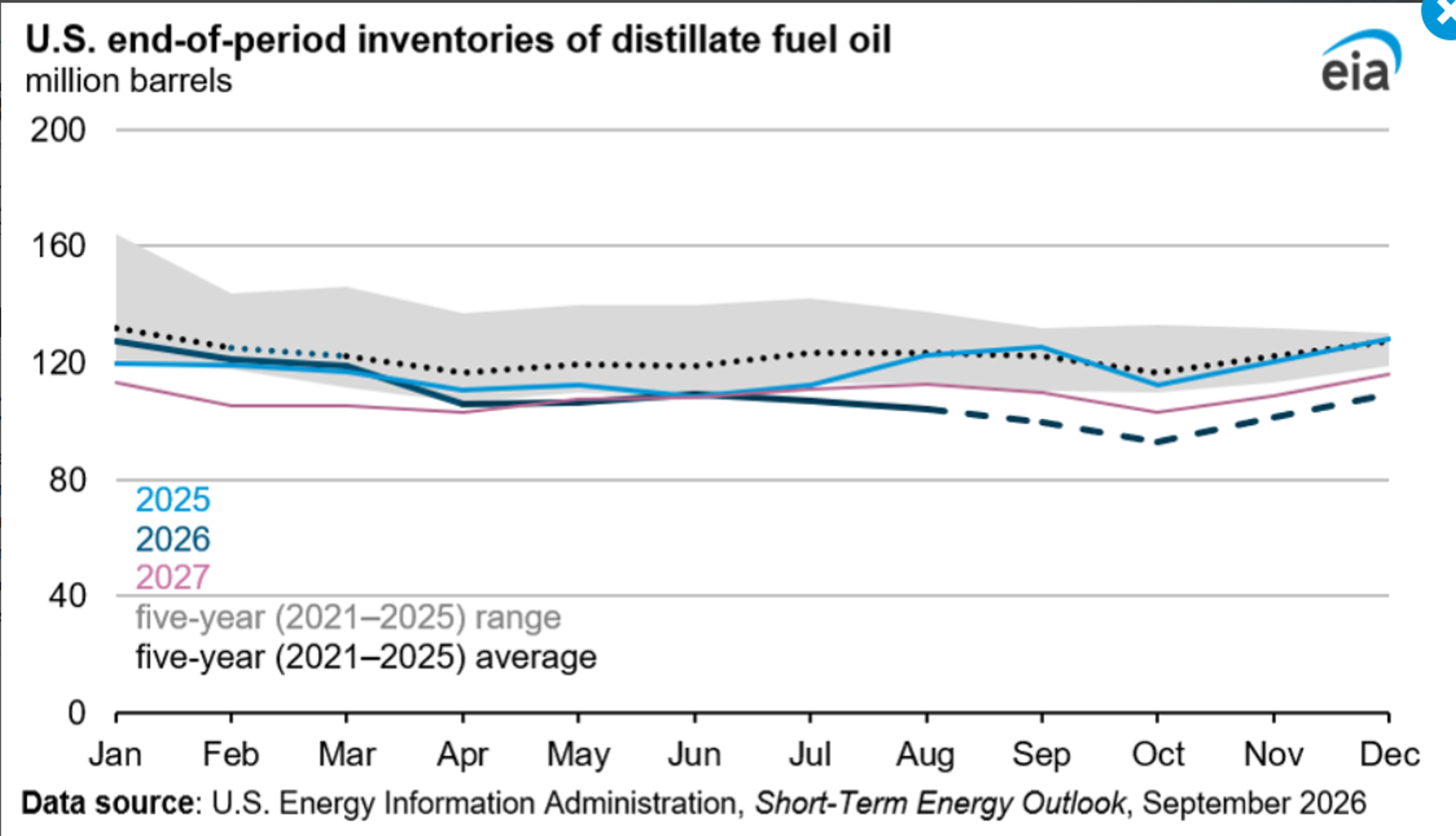
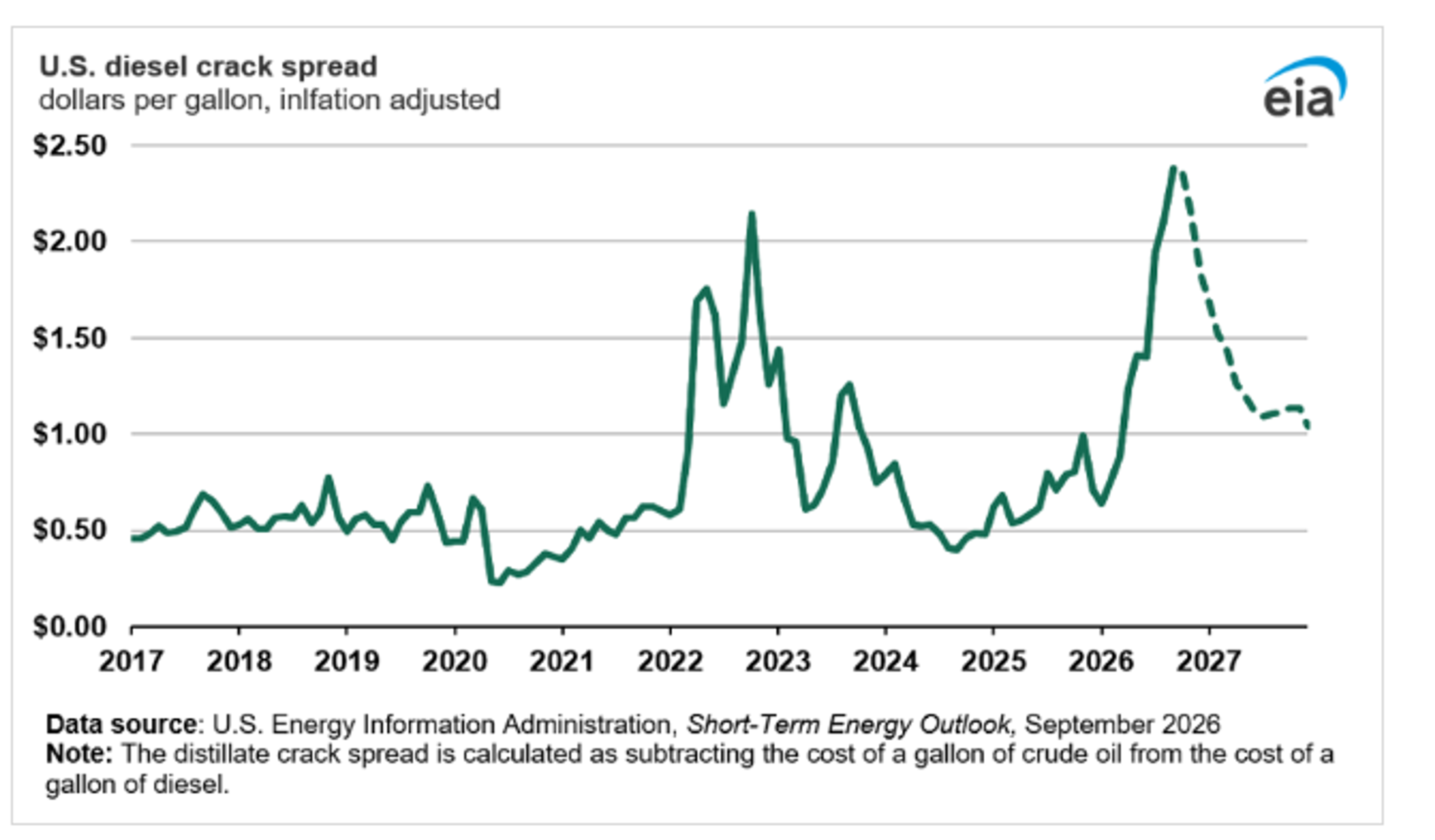
There’s always next year: The EIA’s Short Term Energy Outlook continues to predict that things will get better at some point, as they’ve done in the past 5 monthly reports. The outlook acknowledges that shut-in oil production around the Middle East will likely hold close to 6 million barrels/day through the end of the year, but they predict more workarounds to come online to help global inventories start to build again next year. While the government analysts predict oil inventories will start to heal next year, diesel inventories are projected to remain very tight through the first half of 2027 even IF Hormuz reopens due to the loss of Russian exports.
The API estimated a drop in gasoline inventories last week of 1.9 million barrels, consistent with the pre-holiday fill-up pattern that causes demand to spike one week and drop the next. Distillate inventories were estimated to build by 2 million barrels on the week, while commercial crude oil stocks dropped 300,000 barrels and the SPR drew by another 1.2 million barrels to reach a fresh 43-year low. The DOE’s weekly report is due out at noon Eastern today, and we expect to see a short-term dip in PADD 3 refinery runs along with some disruption to import and export flows due to TS Edouard.
Valero is initiating scheduled maintenance at its 200mb/day McKee, TX refinery today, reporting 5 days of upcoming flaring to the TCEQ. While the planned maintenance is certainly less disruptive than an unplanned shutdown, it will contribute to further tightness in the NM and G3 markets it serves.
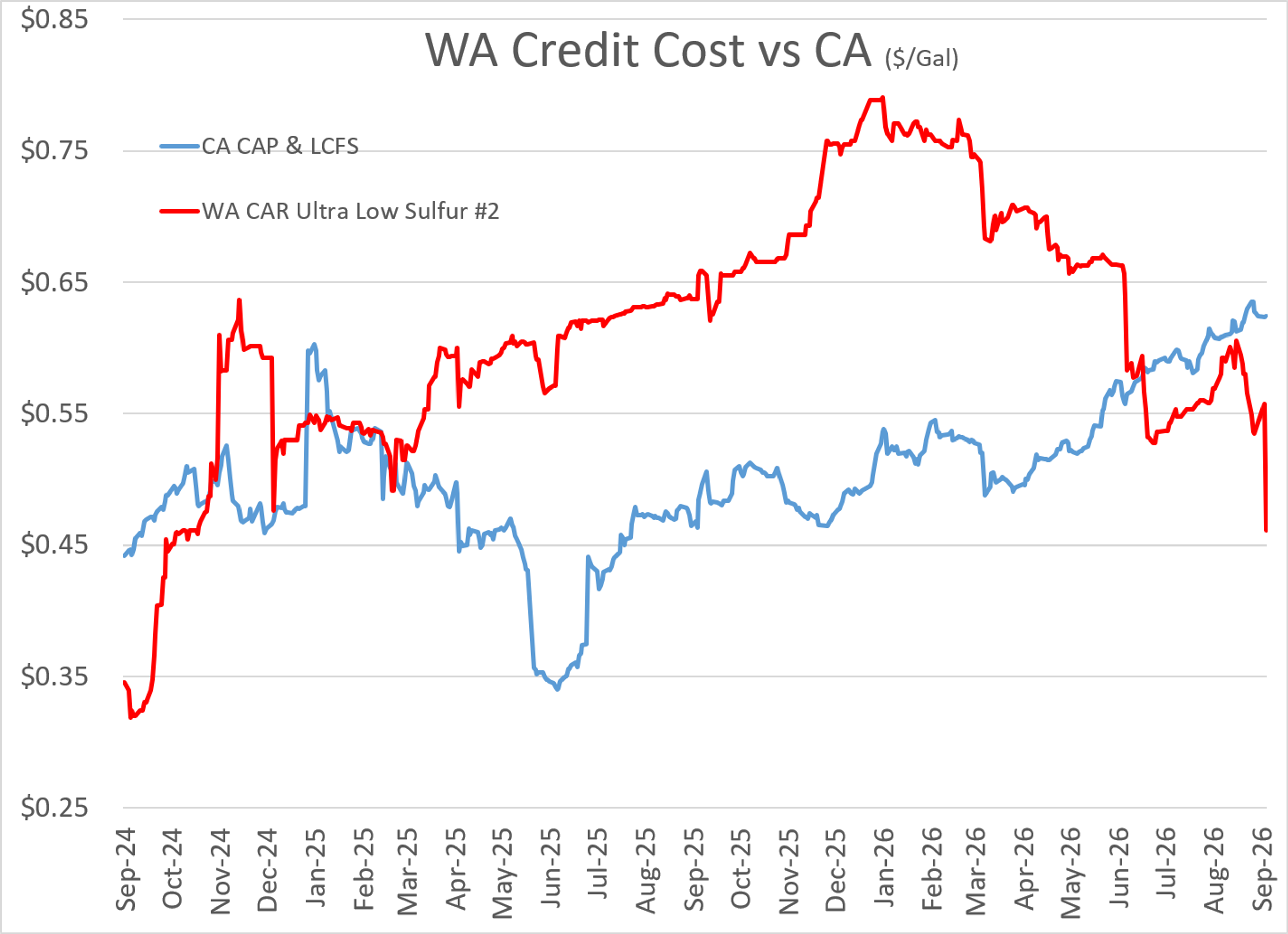
Washington state GHG credit values plummeted Wednesday, following results of the latest credit auction that cleared at heavily discounted values. The $/gallon cost of the GHG credits for ULSD started the year close to 80 cents/gallon and dropped to “only” 46 cents yesterday.
Latest Posts
Crude Strength, Refinery Disruptions, And Export Bottlenecks Support Fuel Prices
Global Supply Risks And Strong Refining Margins Drive Energy Market Rally
Week 42 - US DOE Inventory Recap
Diesel Prices Swing Wildly Amid Tanker Attacks And Supply Concerns
Diesel's Breakout Signals Renewed Pressure Across Energy Markets
Oil Opens Soft Despite Escalating Supply Threats
Social Media
News & Views
View All
Crude Strength, Refinery Disruptions, And Export Bottlenecks Support Fuel Prices
Global Supply Risks And Strong Refining Margins Drive Energy Market Rally