Attacks On Refineries Are Now 'Shockingly Ordinary', And The Market Is Underpricing The Risk

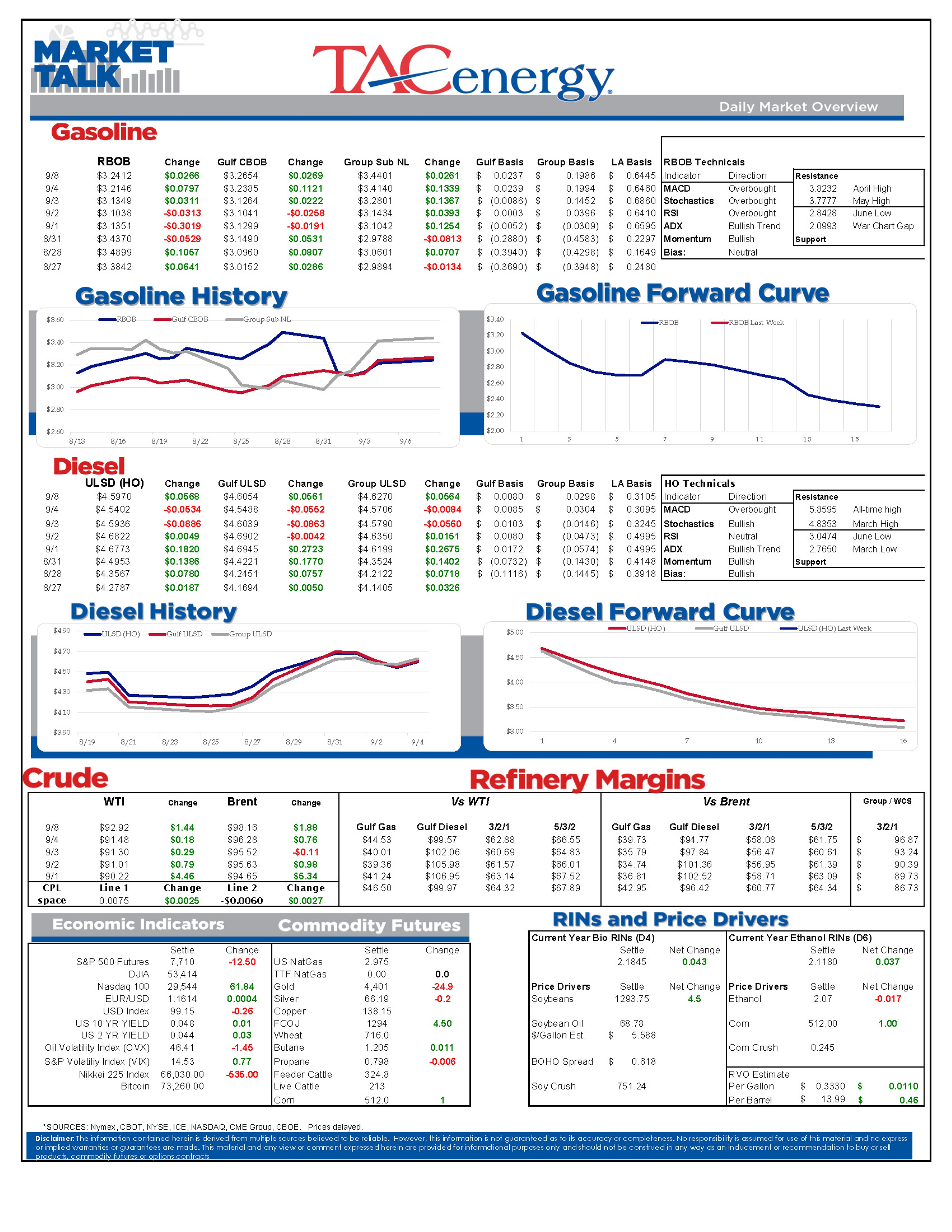
Energy markets are seeing healthy gains Tuesday, but are well off the highs set during Monday’s holiday trading session, which followed the latest round of strikes between the U.S. and Iran, while weather, drones, and missiles continue to stress refining assets elsewhere in the world.
Iran launched ballistic missile attacks against 2 U.S. Navy ships over the weekend, a notable escalation in targeting military assets with new missile technology, which, according to the U.S., were all shot down. United States forces then reportedly destroyed 3 IRGC oil tankers in retaliation. The IRGC claims it attacked 6 ships in response to the U.S. strikes, but the validity of those claims is in doubt.
Saudi Arabia’s 400mb/day Jizan refinery on the Red Sea near Yemen was struck again by an apparent Houthi attack Monday, marking at least the 3rd time that facility has been hit since July. As is the case with most of the attacks on refineries that have become shockingly ordinary this year, it’s unclear what damage the attacks caused, particularly in this case since the facility was already offline repairing damage from earlier attacks. While the Houthis are obviously still trying to disrupt energy flows, Yemeni government forces were said to take back territory seized by the Houthis earlier this year over the weekend, and there have not been any recent attacks on shipping through the Bab El Mandeb strait.
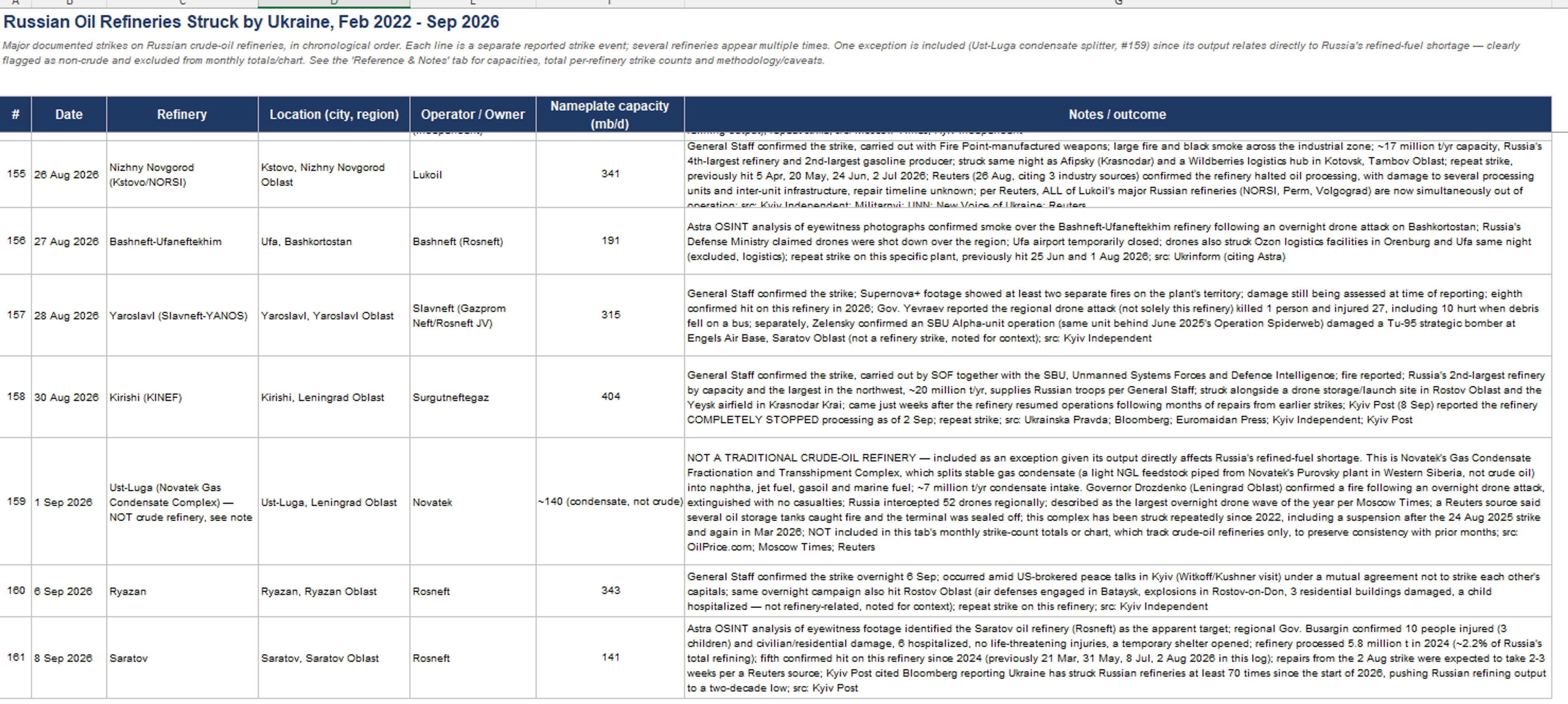
Ukraine struck 2 Russian refineries operated by Rosneft over the past 3 days. The 343mb/day Ryazan facility, which lies about 150 miles SW of Moscow, was hit during the meeting with U.S. officials at the Kremlin; it didn’t violate the agreement to avoid the capital during negotiations, but certainly gave a reminder of Ukraine’s expanding capabilities while they were there. Overnight, the 141mb/day Saratov refinery was struck, marking at least the 5th time it’s been hit in the past 2 years. See the table below for more details.
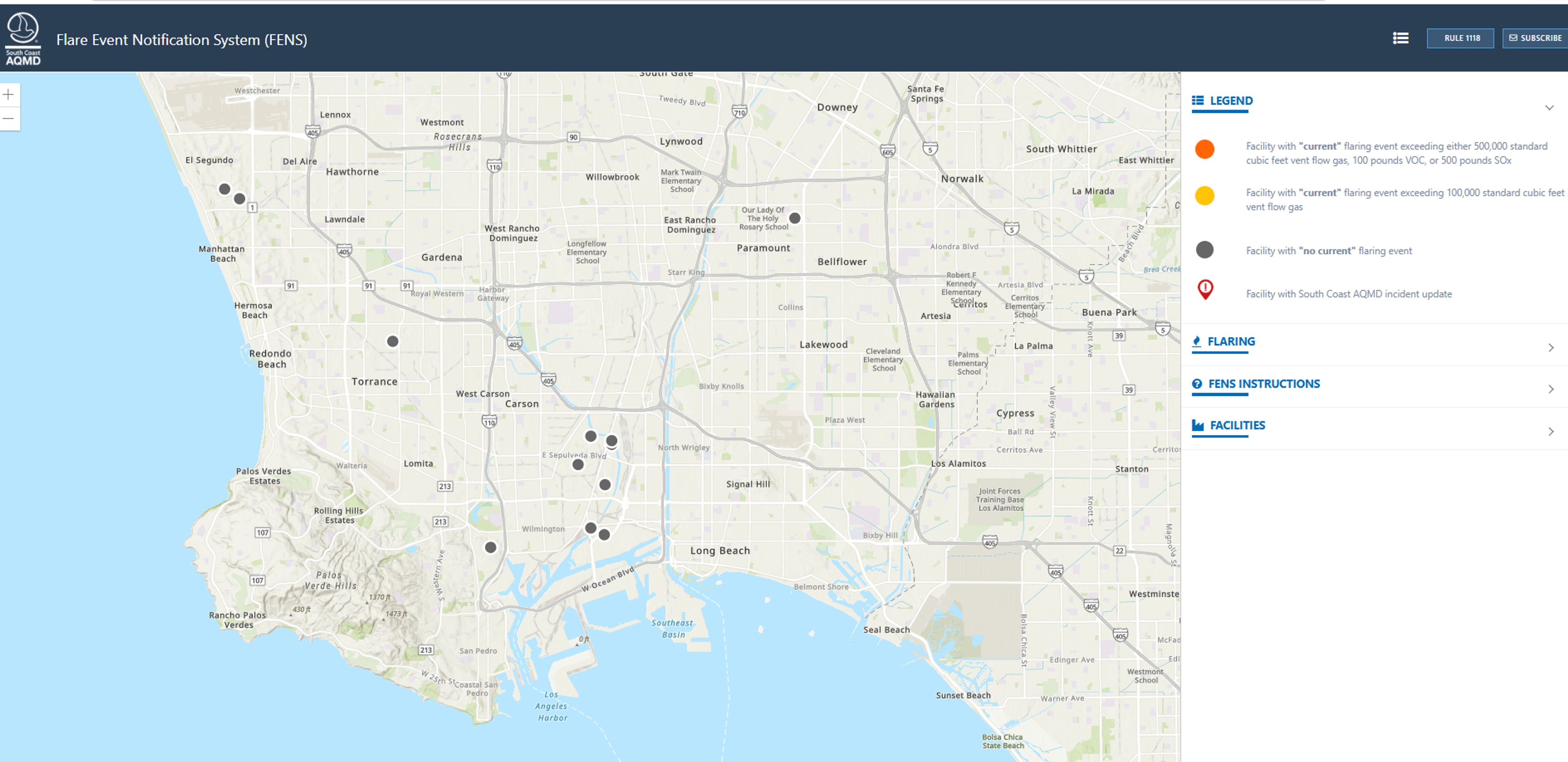
PBF reported emergency Flaring at its 166mb/day Torrance, CA refinery Monday afternoon. The filing with the AQMD did not provide additional details, but the event appears to have ended overnight with no ongoing flaring being reported. Meanwhile, Marathon’s 365mb/day Los Angeles-area refining complex is in the middle of planned maintenance, meaning just 2 of the 4 refineries still operating in the LA area appear to be at full strength. Gasoline basis values across California remain elevated as we wind down the summer RVP, and this latest upset could give state officials a reason to issue an RVP waiver to try and prevent prices from continuing to set new record highs.
The 275mb/day Pemex (formerly Shell) Deer Park, TX refinery reported multiple upsets Sunday afternoon after thunderstorms in the area caused a power outage. The TCEQ report suggests that the compressors were restarted and the refinery continues to operate.
Better late than never: The Pemex Dos Bocas refinery reached a record run rate in July, averaging more than 250mb/day of throughput, vs its nameplate capacity of 340mb/day that’s never been reached due to a comedy of errors and bureaucratic corner-cutting in its engineering. The increase comes at a particularly opportune time given the state of refining globally, and now it will be interesting to see how long they can keep the plant running near 67% capacity, while its competitors in the U.S. continue to run closer to 97%.
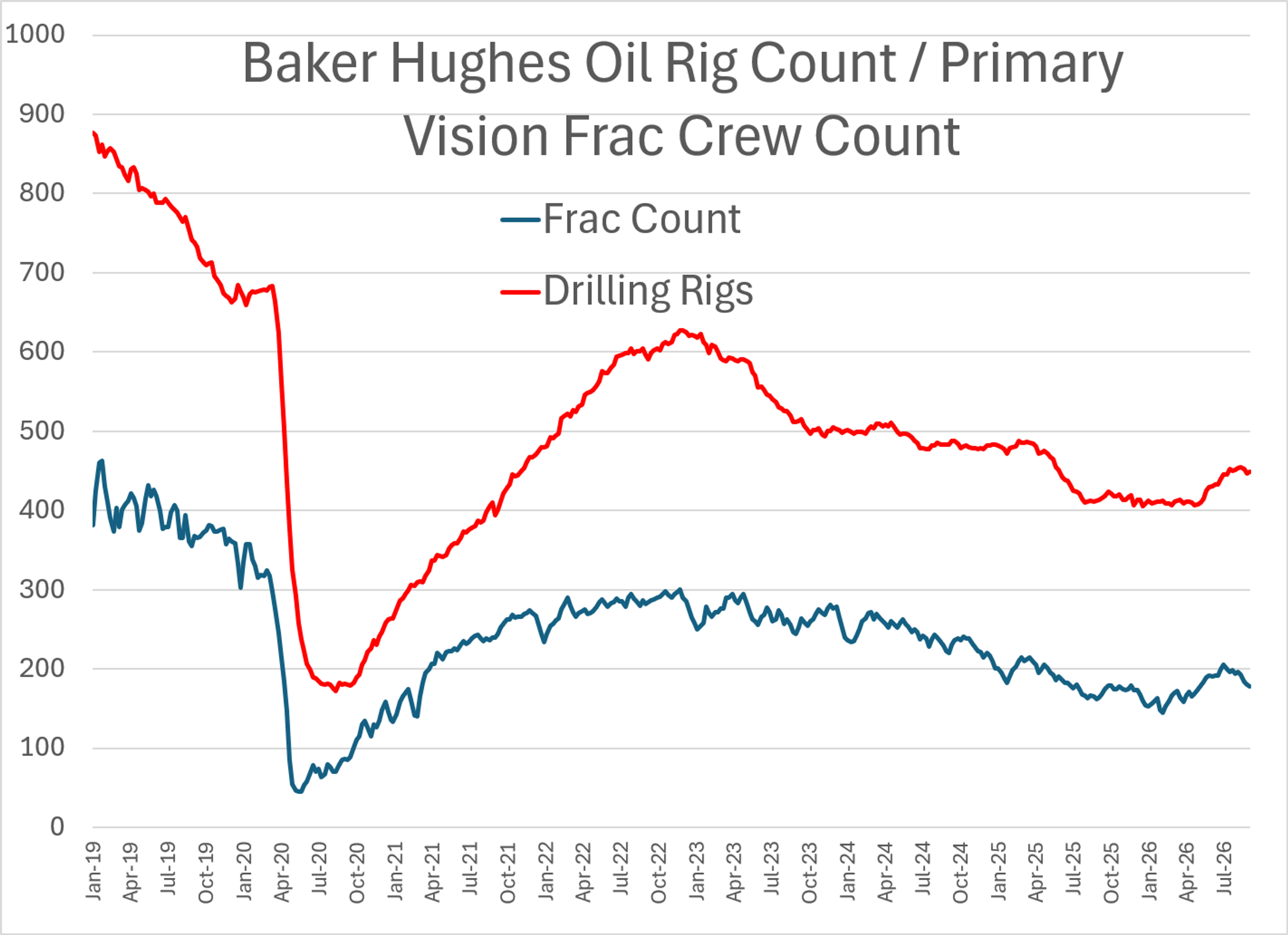
Baker Hughes reported an increase of 2 oil rigs last week, both of which were added in the Permian Basin, while the natural gas rig count dropped by 2. The primary vision count of fracking crews active in the U.S. also dropped by 2, marking a 4th straight week of declines, but remains 14 crews (8%) above year-ago levels.
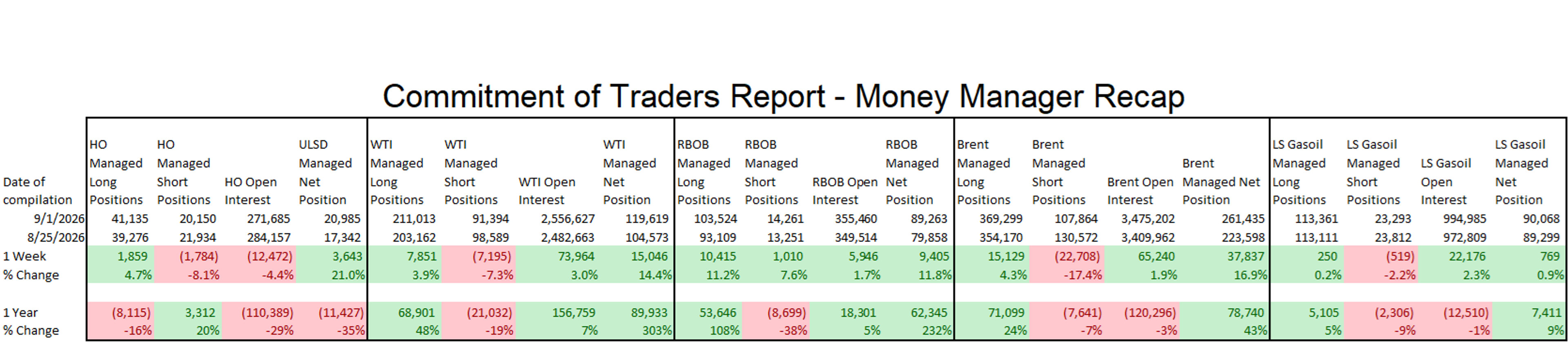
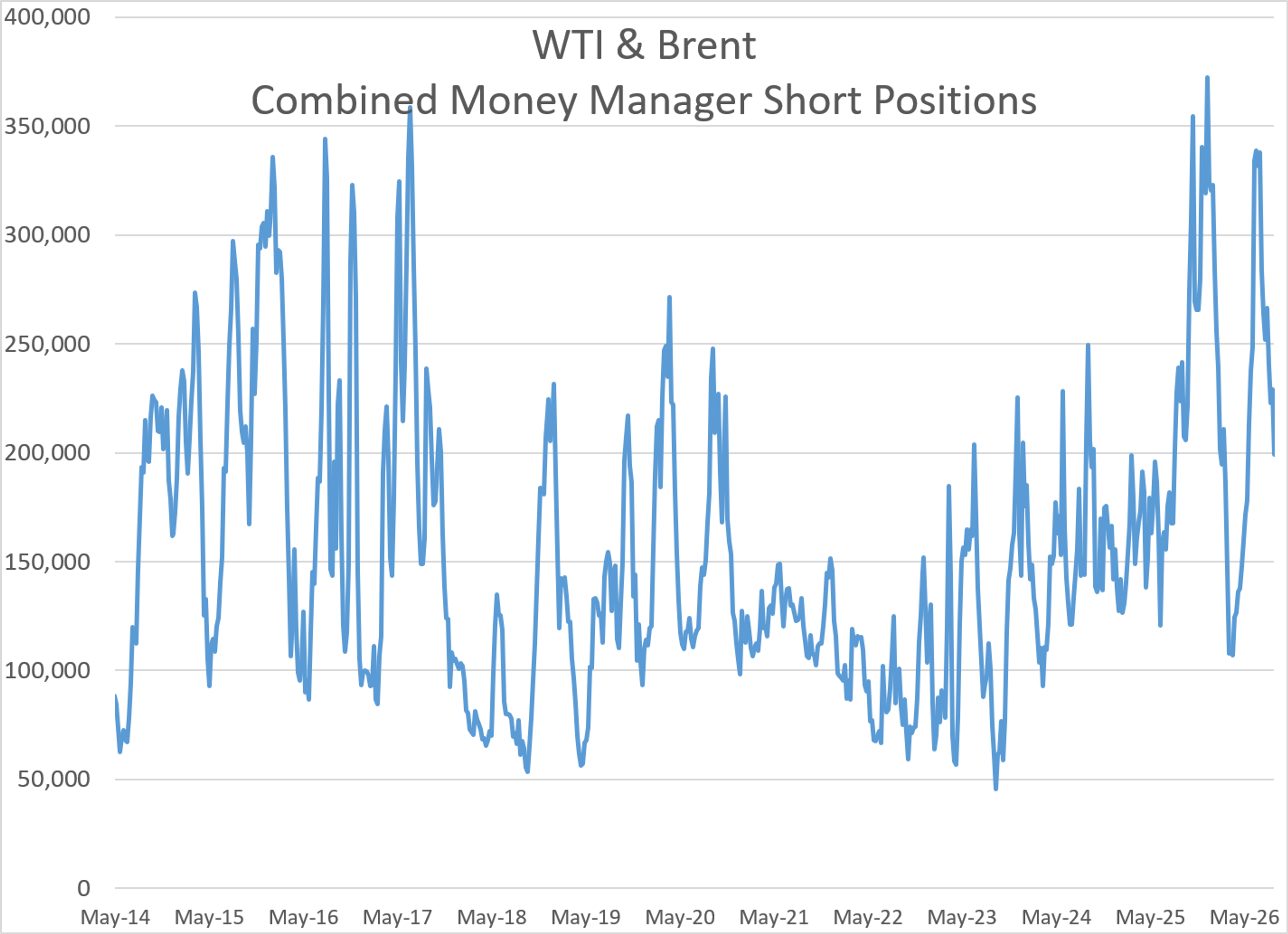
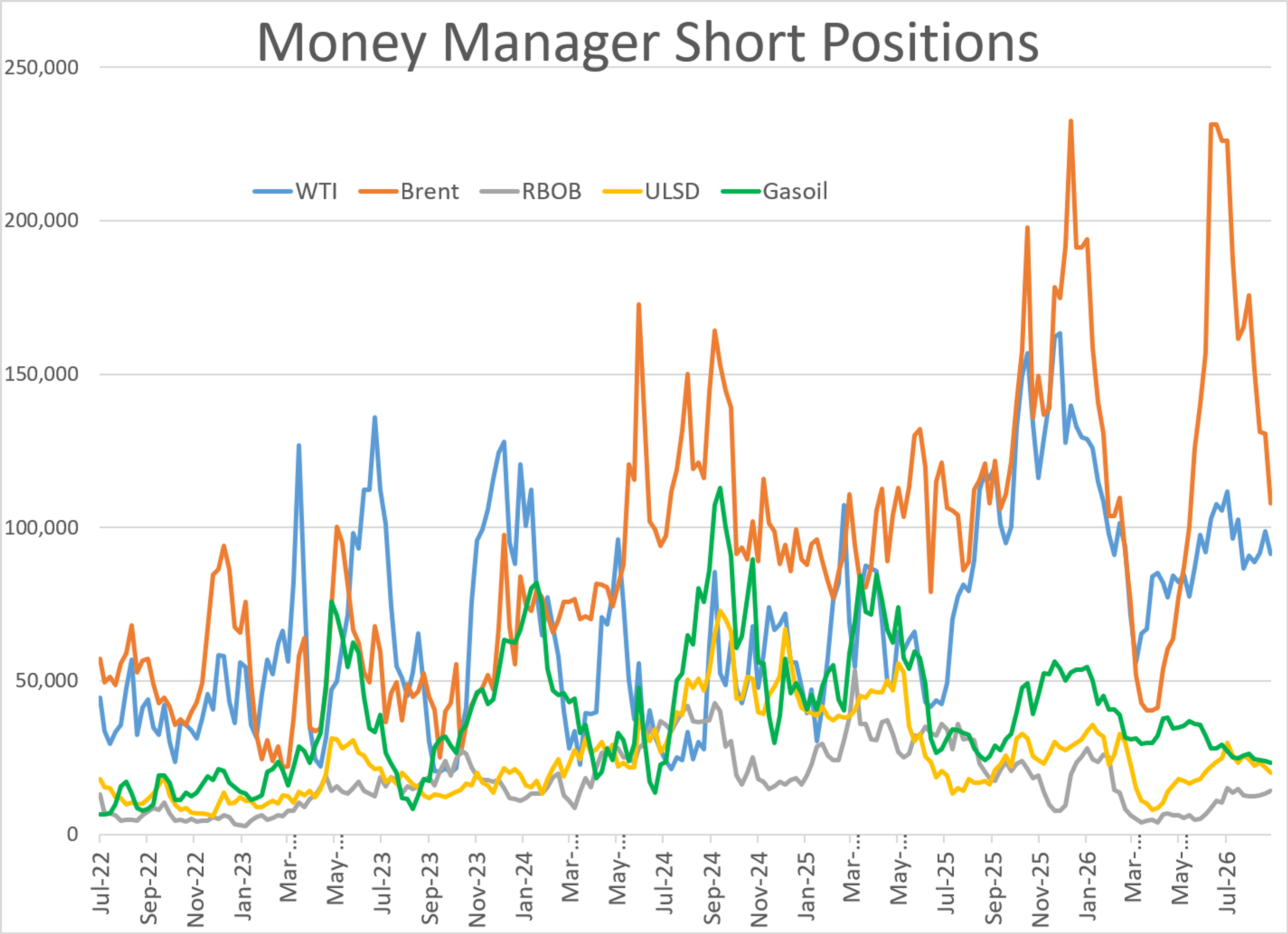
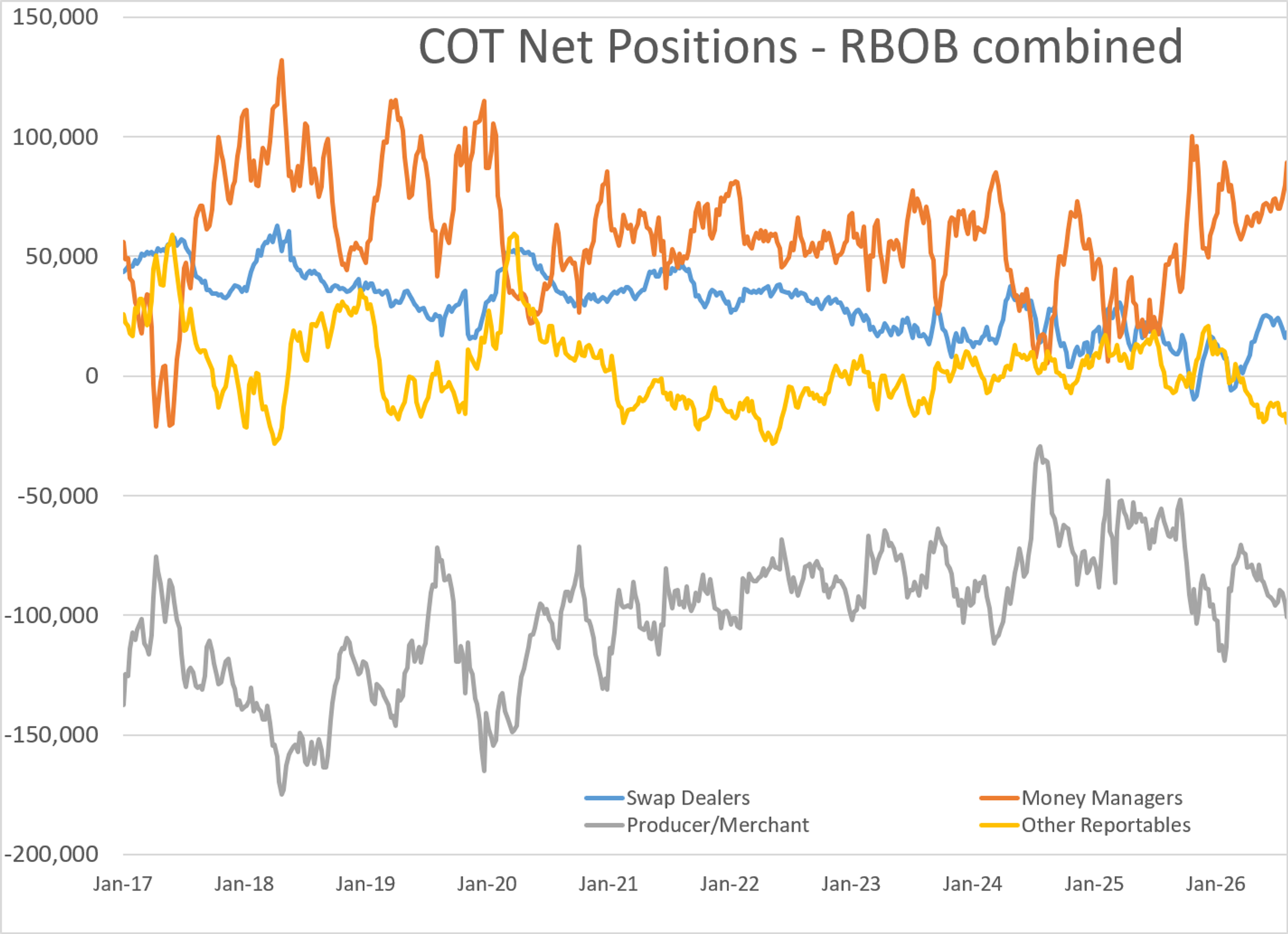
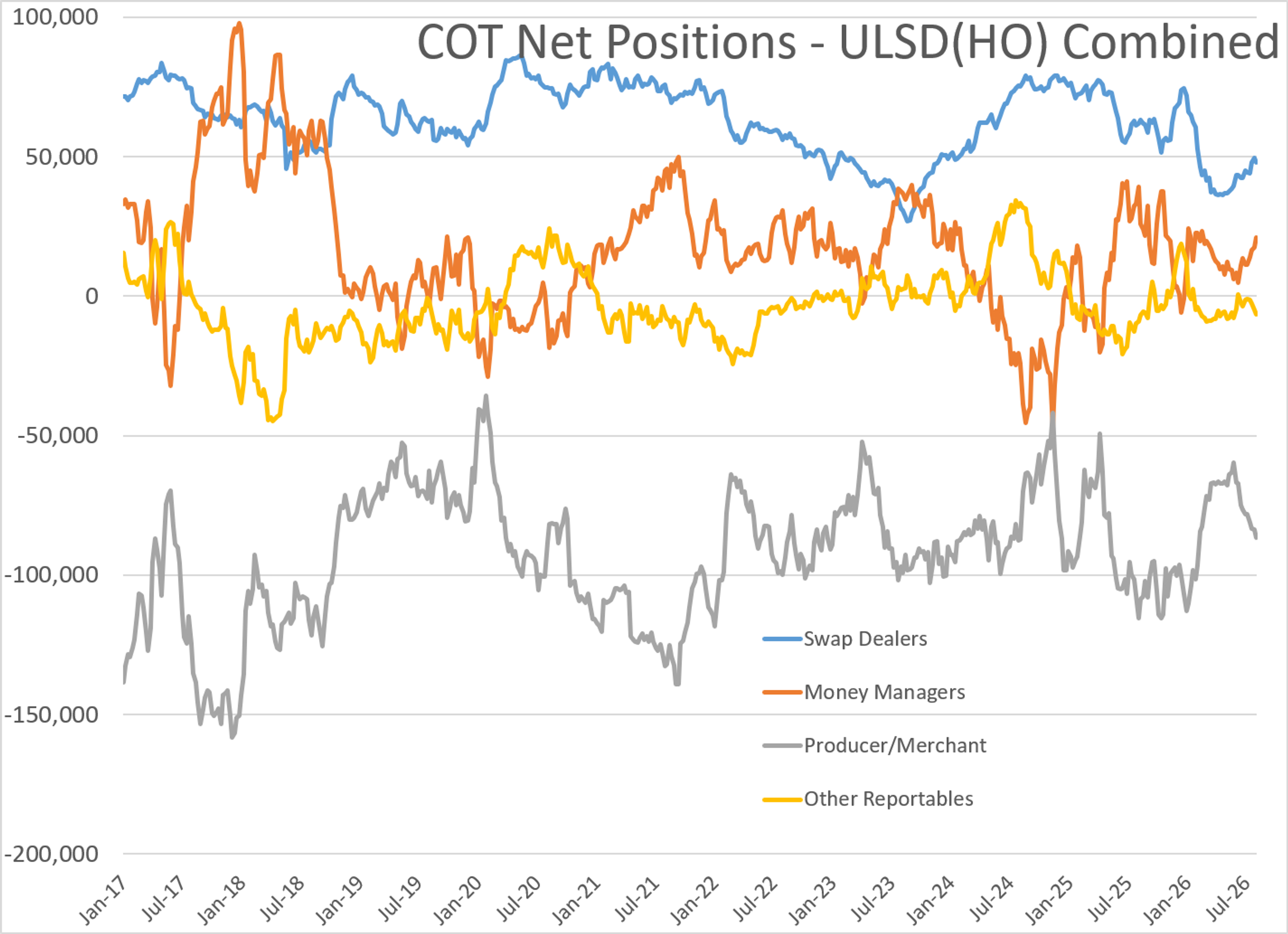
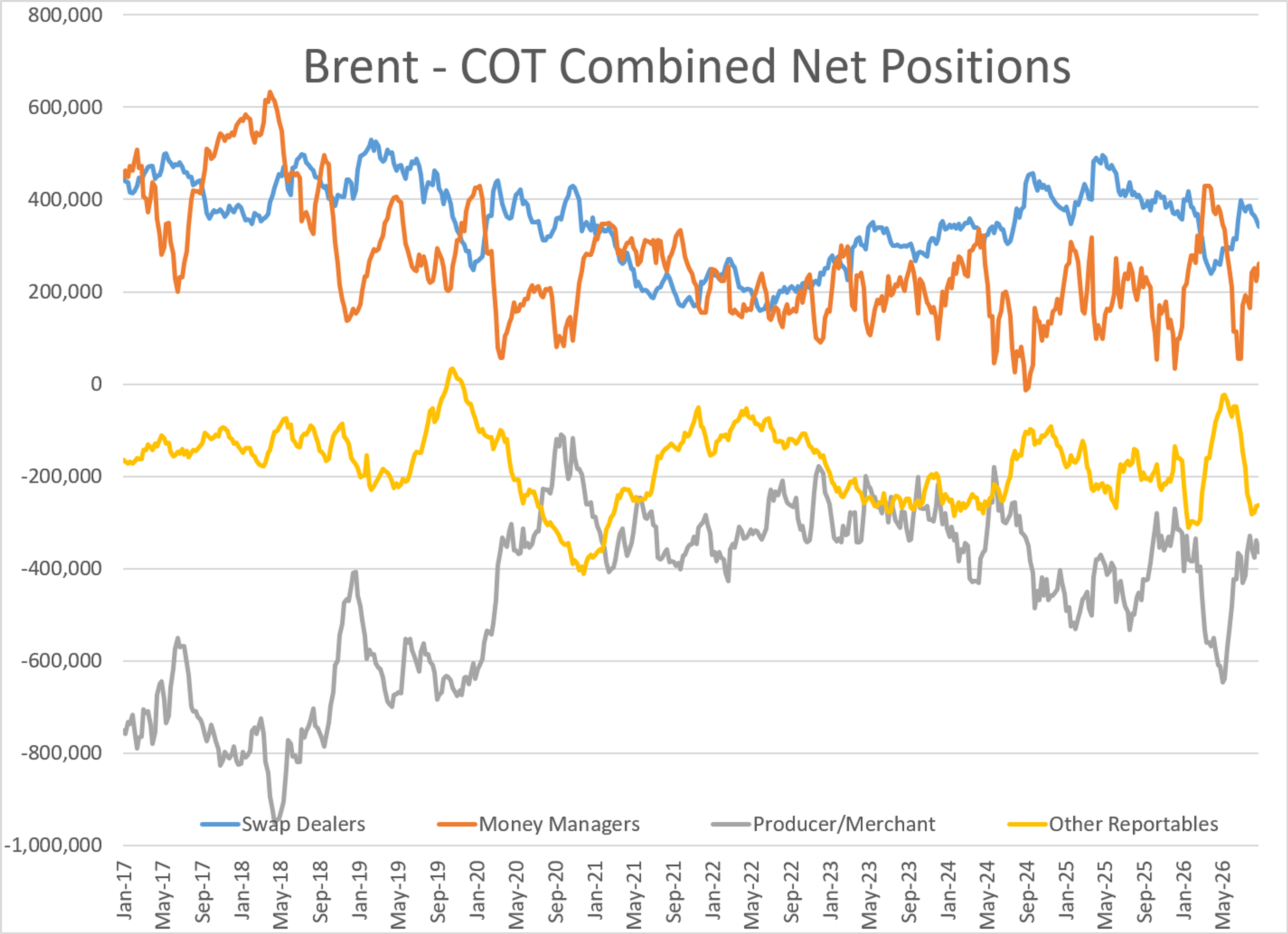
Money managers continue to jump back on the energy bandwagon, with net length increasing across the board in the latest CFTC report (released Friday, with data as of Tuesday 9/1). The large amount of “Smart Money” that bet on even lower oil prices in late June (AFTER they’d already dropped more than $40/barrel) continues to be squeezed out of the market, with another 22,700 Brent short positions covered during the week and more than 7,000 for WTI.
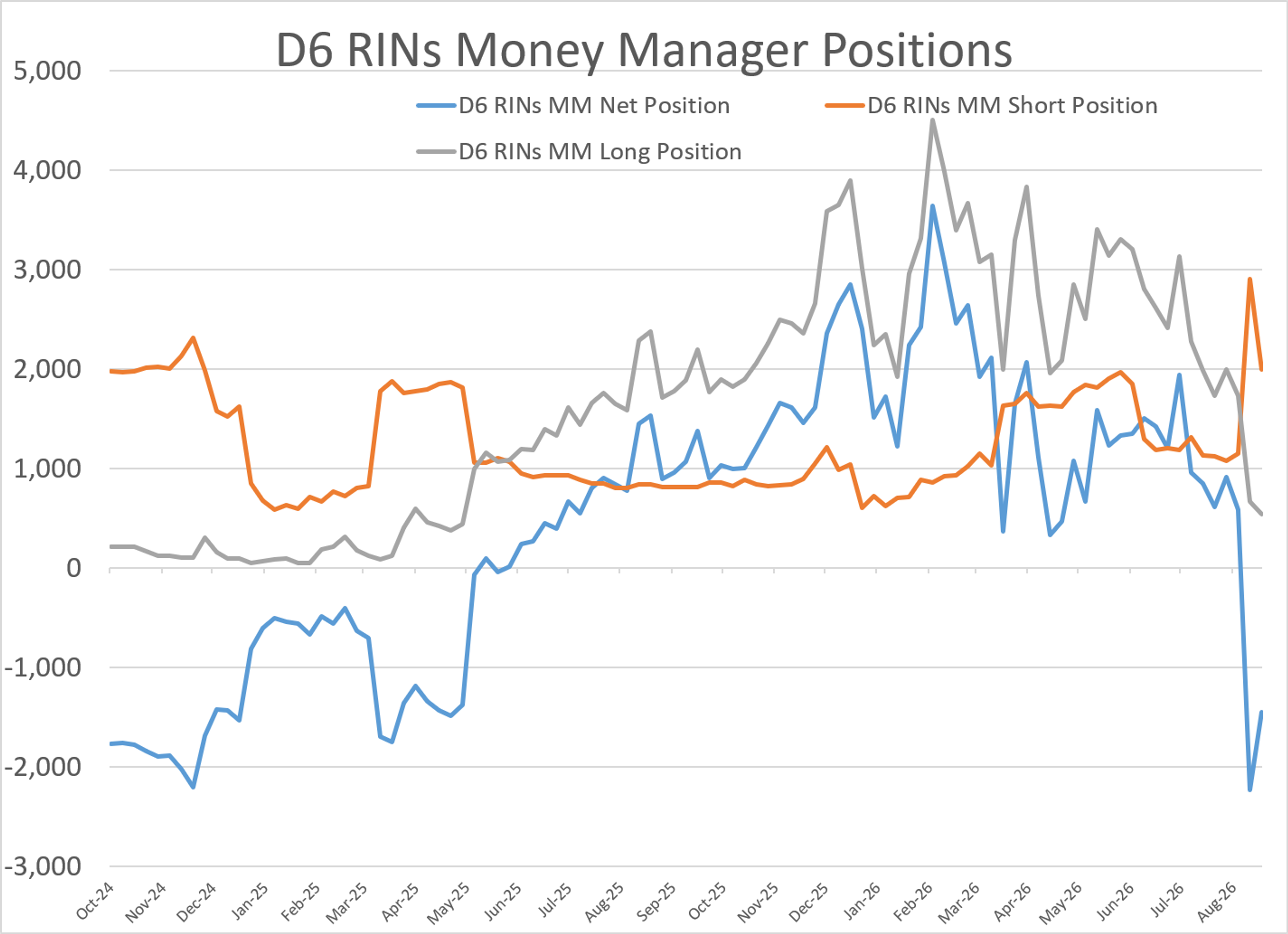
Hedge funds are also unwinding bad bets on lower RIN values, with nearly half of the short interest in D6 RINs that flooded the market 2 weeks ago on rumors of the EPA’s Small Refinery Waivers now squeezed out after the waivers came with a big catch in the form of 100% reallocation. D6 RIN values dropped from $2.25 to $1.60 during that wave of new speculative selling, but have since rebounded all the way to $2.30 following the reallocation news, and ended last week trading around $2.13/RIN.
Latest Posts
Crude Strength, Refinery Disruptions, And Export Bottlenecks Support Fuel Prices
Global Supply Risks And Strong Refining Margins Drive Energy Market Rally
Week 42 - US DOE Inventory Recap
Diesel Prices Swing Wildly Amid Tanker Attacks And Supply Concerns
Diesel's Breakout Signals Renewed Pressure Across Energy Markets
Oil Opens Soft Despite Escalating Supply Threats
Social Media
News & Views
View All
Crude Strength, Refinery Disruptions, And Export Bottlenecks Support Fuel Prices
Global Supply Risks And Strong Refining Margins Drive Energy Market Rally