Global Distillate Tightness Intensifies As Supply Threats Multiply

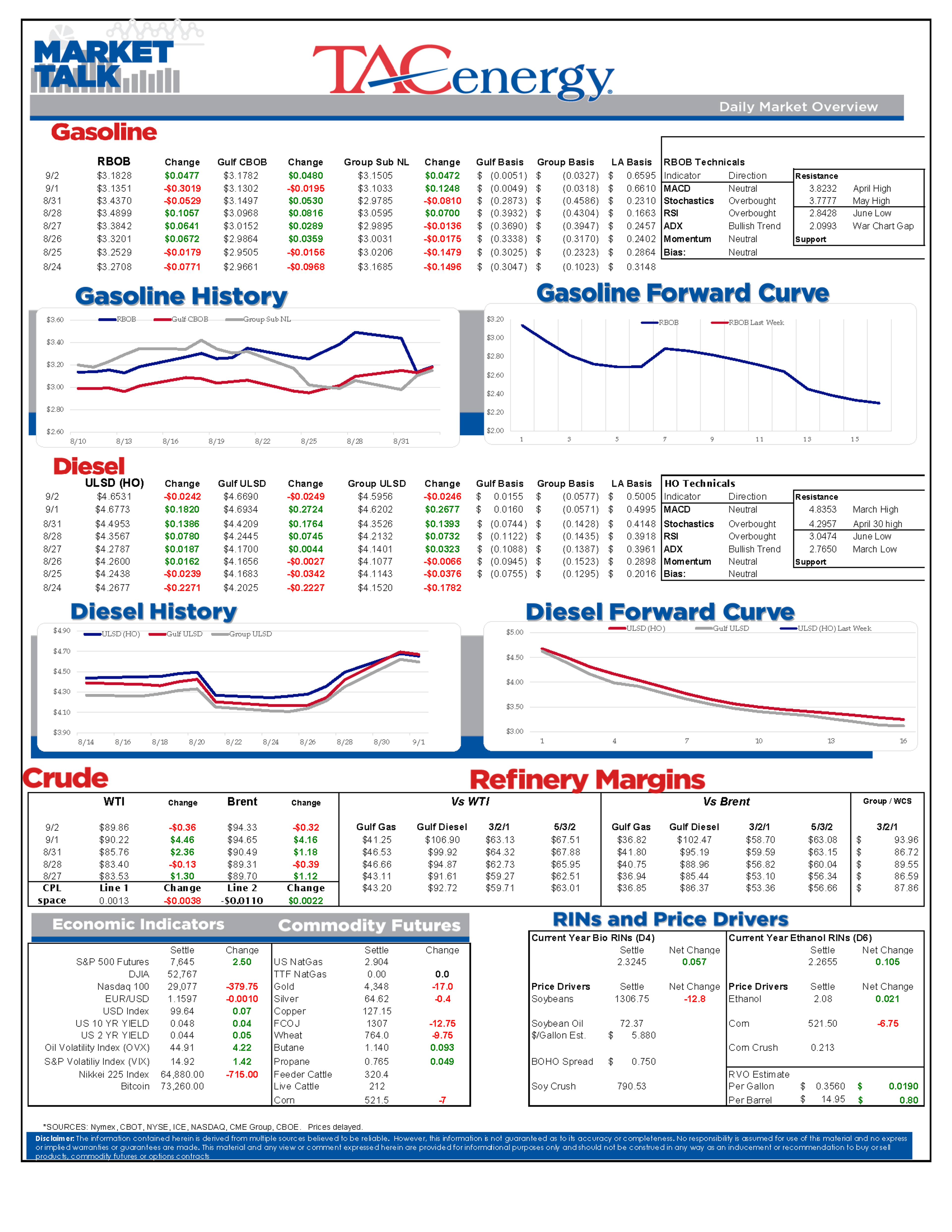
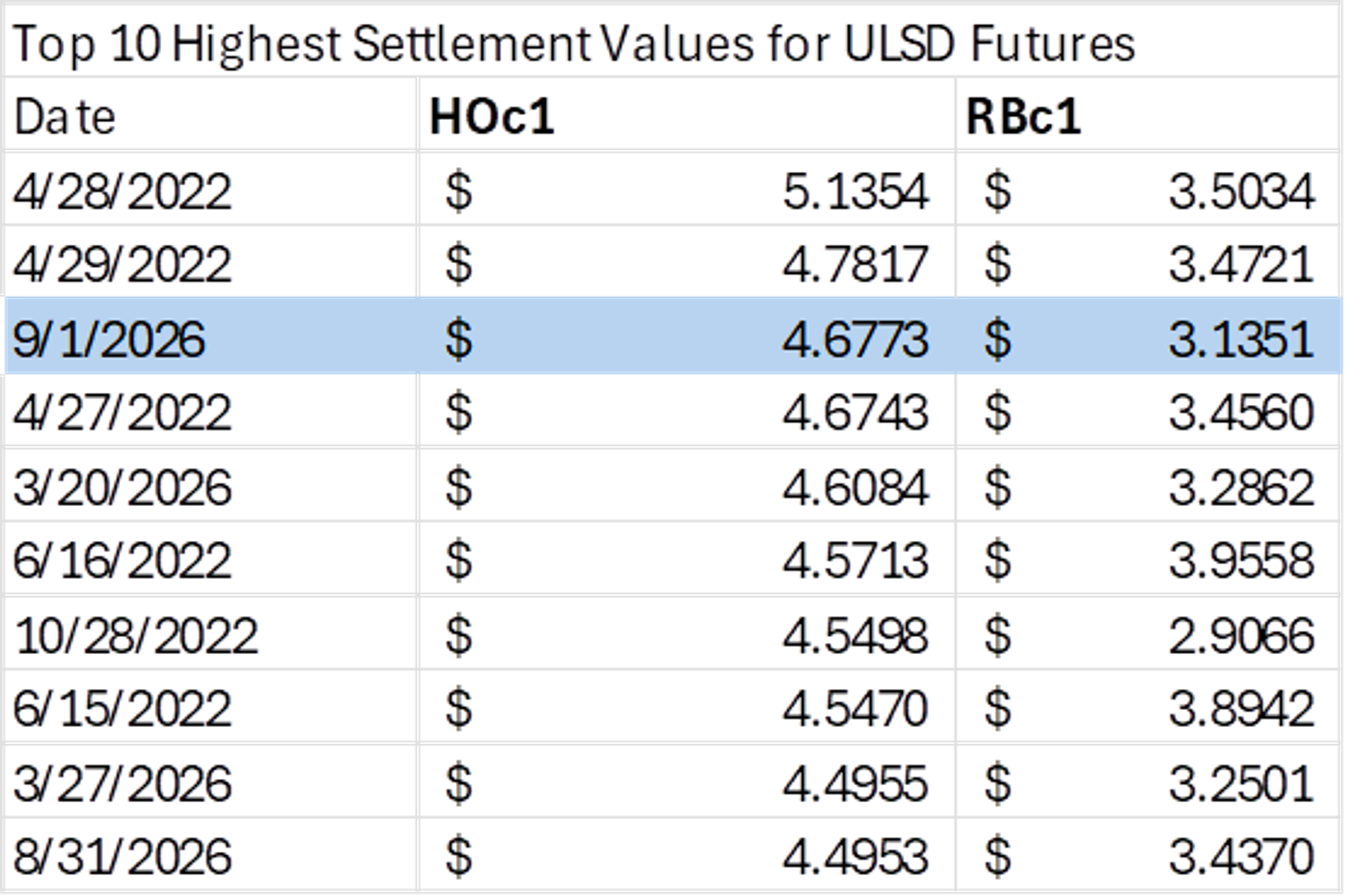
ULSD futures had their highest settlement in nearly 4.5 years Tuesday, and marked their 3rd highest close all time as the latest flare up in the Middle East highlighted the acute shortage of distillates plaguing the world.
U.S. CENTCOM said it had completed a wave of strikes Tuesday evening, roughly 6 hours after they began. So far the latest escalation seems to have paused overnight, which may explain the modest pullback in ULSD and WTI after the furious “War On” rally to start the week.
Iran is claiming 2 more ships were disabled near the strait after they struck mines, the 3rd such claim this week, but so far those stories have not been corroborated.
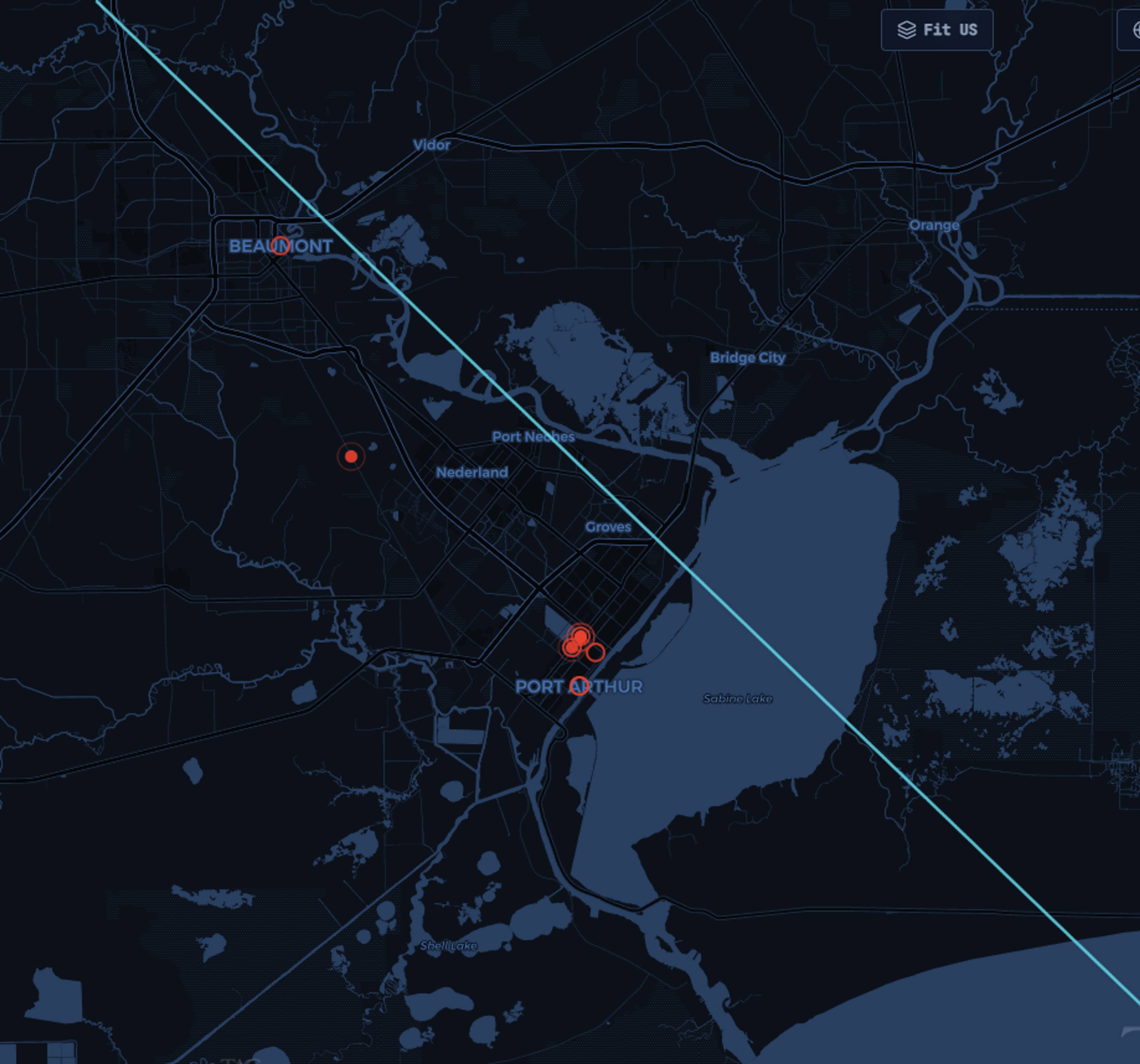
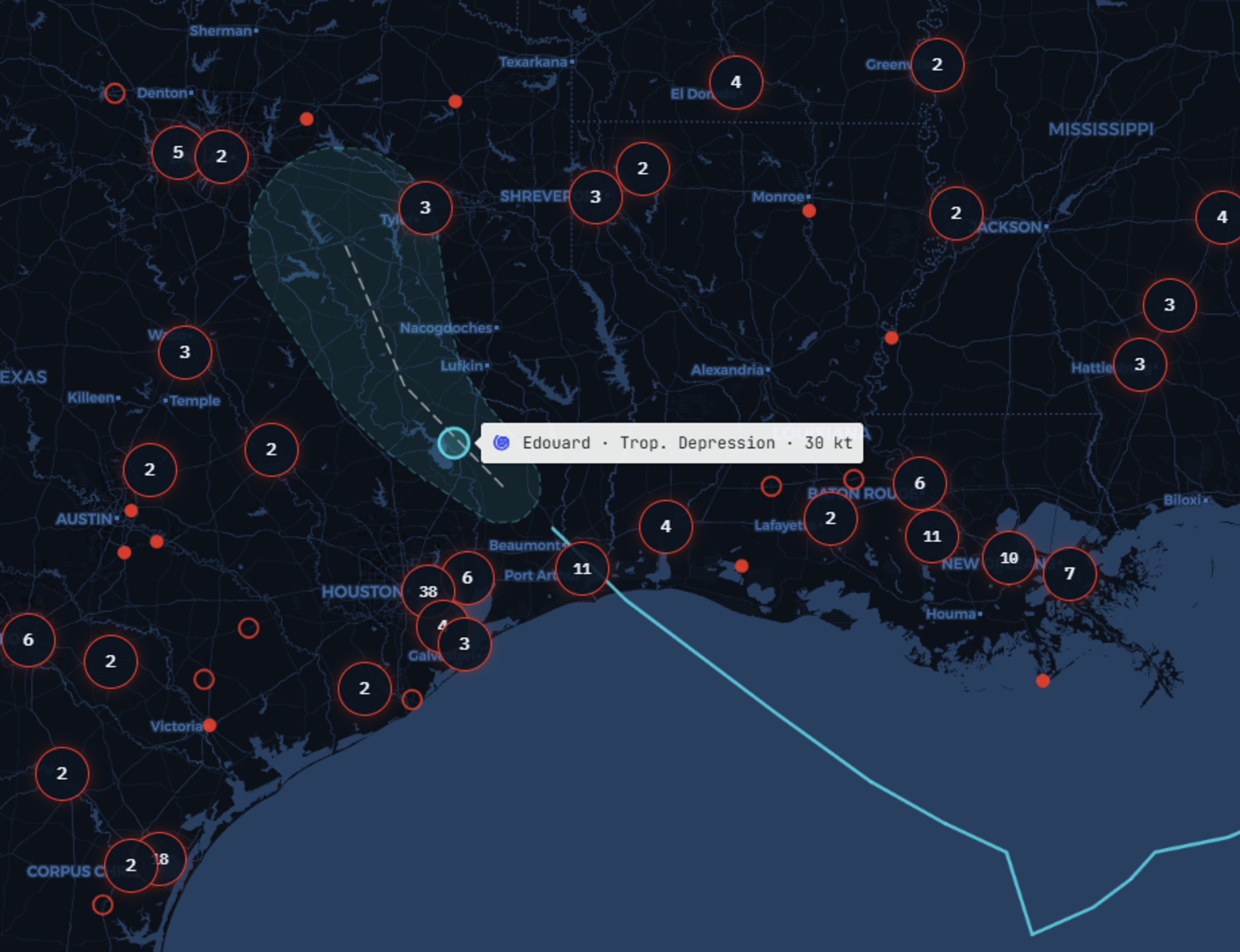
Edouard made landfall as a tropical storm Tuesday, with the center of the storm nearly passing over several of the country’s largest refineries. Fortunately the storm wasn’t over open water for long as it was rapidly developing in the last hours before landfall.
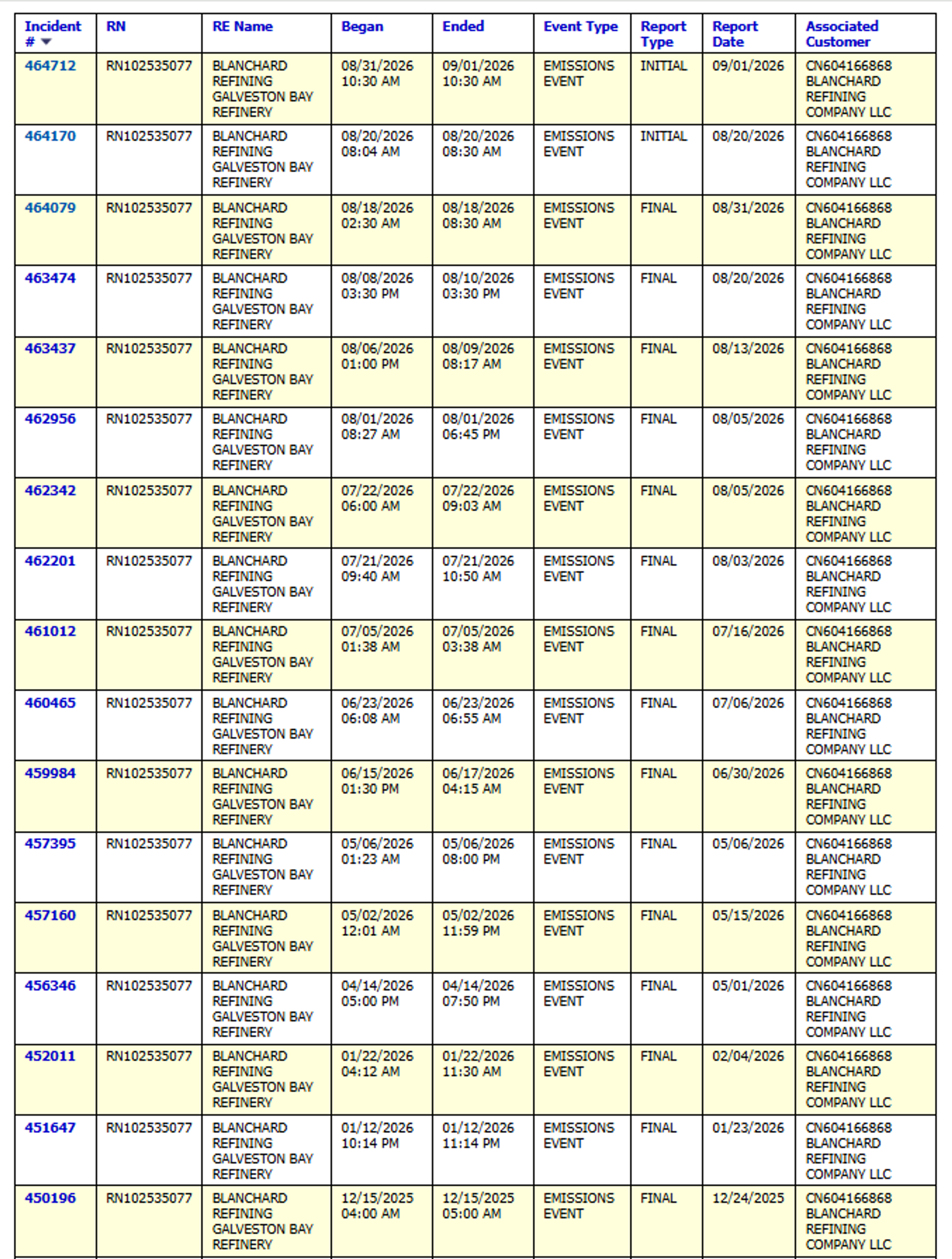
Marathon reported an upset at its 630mb/day Galveston Bay (Texas City) TX refinery ahead of the storm, but the malfunction seemed to be unrelated to the weather and more related to this facility being an executive platinum member of the TCEQ emergency filing system with 38 filings over the past 2 years.
Thousands of power outages were reported in the neighborhoods near the 4 major oil refineries, and the country’s largest RD facility as the storm passed through the Pt. Arthur/Beaumont area, and while none of those facilities have issued a report to the TCEQ report, Energy News Today is reporting that Valero lost power at its 380mb/day Pt Arthur refinery, although there’s not yet any word if operations at the adjacent Diamond Green Renewable plant was also affected.
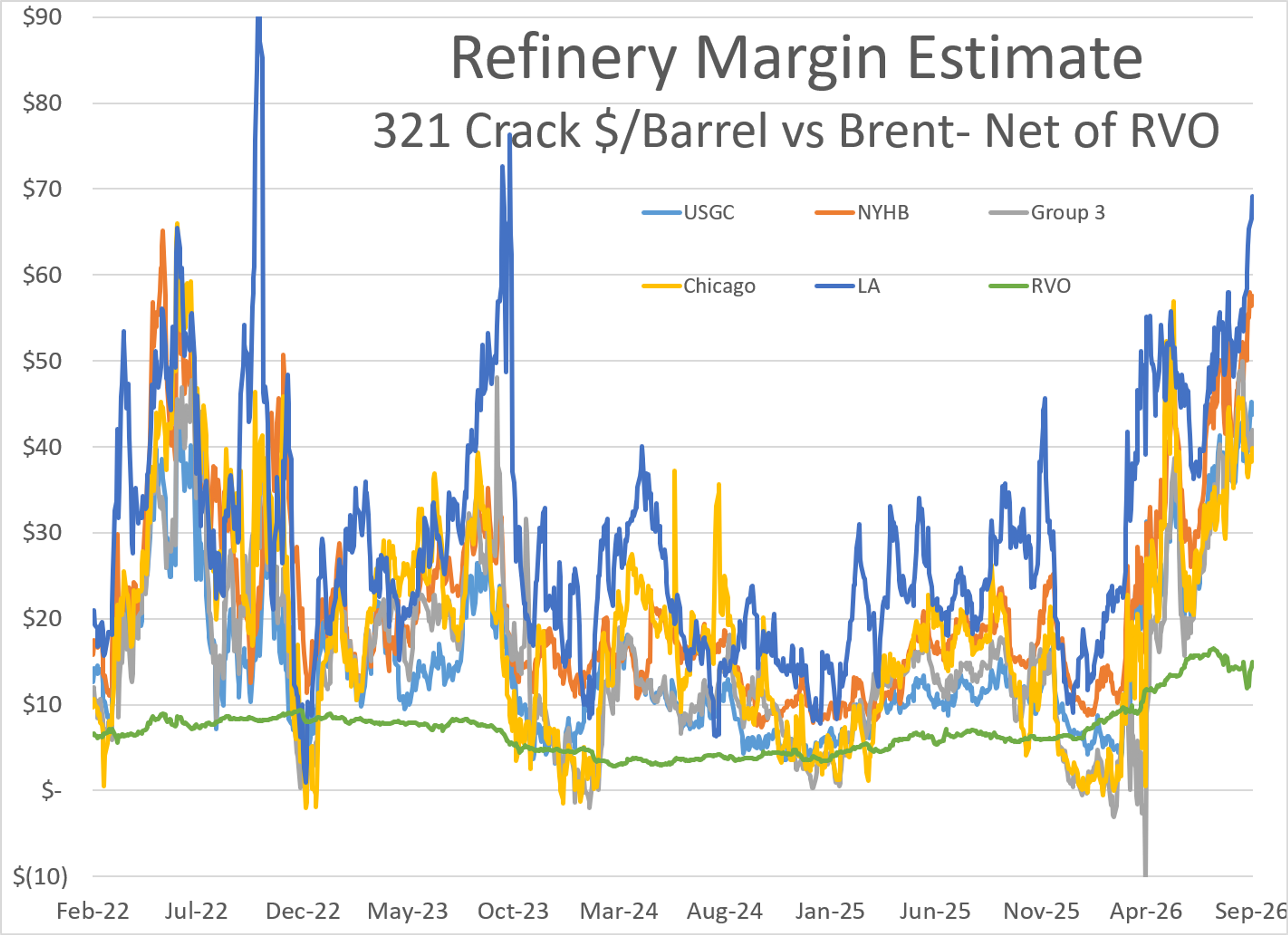
California legislators passed a bill to allow retail sites to sell E-15 gasoline blends (despite the fact that they pollute more in warmer air) without retrofitting their sites this week as the state continues to try and deal with the fallout of villainizing and losing refineries over the past decade. The state’s surviving refiners meanwhile are living their best life, with a 3/2/1 crack spread now worth nearly $70/barrel AFTER netting out the $15/barrel or so RVO cost with RINs spiking once again. (Chart below)
While California’s governor has not yet signed the E15 law, it seems to be a foregone conclusion based on the unanimous vote in the legislature, and the state’s vulnerable position on fuel supply.
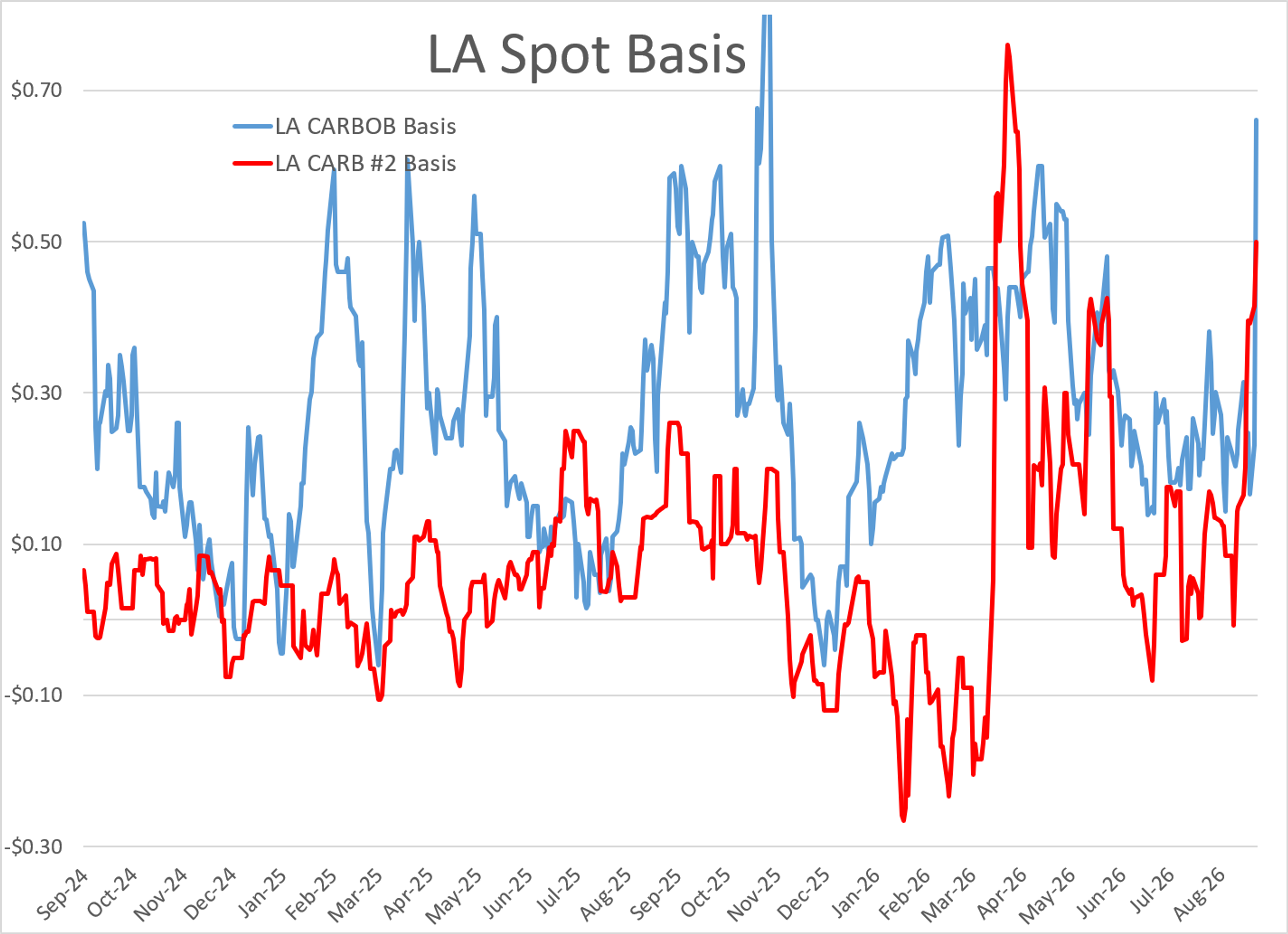
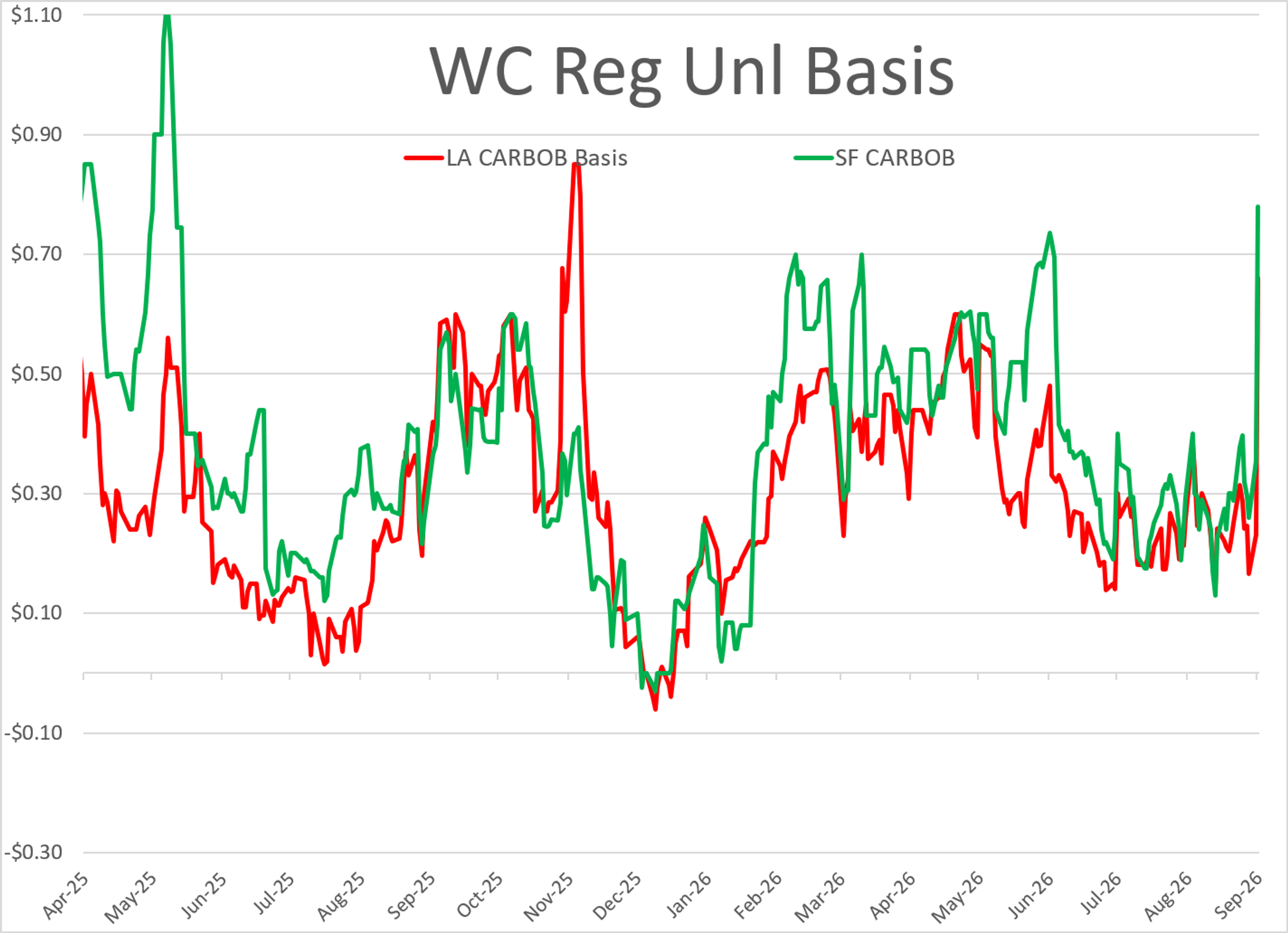
A rash of refinery hiccups and the wind down of the summer RVP season is combining to push California’s spot markets to large premiums over the already elevated and backwardated futures prices. Adding to the state’s challenges, an import cargo being offloaded from India’s Reliance refinery this week is a reminder that buyers in California are now competing with Russia to buy gasoline from the few Asian nations capable of making more than they need for domestic consumption.
One thing to watch in the coming days, While California has not joined the EPA’s various waivers on gasoline over the past 4 months, it seems plausible that state officials may allow winter grade gasoline to be moved earlier – as they’ve done previously to try and limit the damage done by the end of summer price spike.
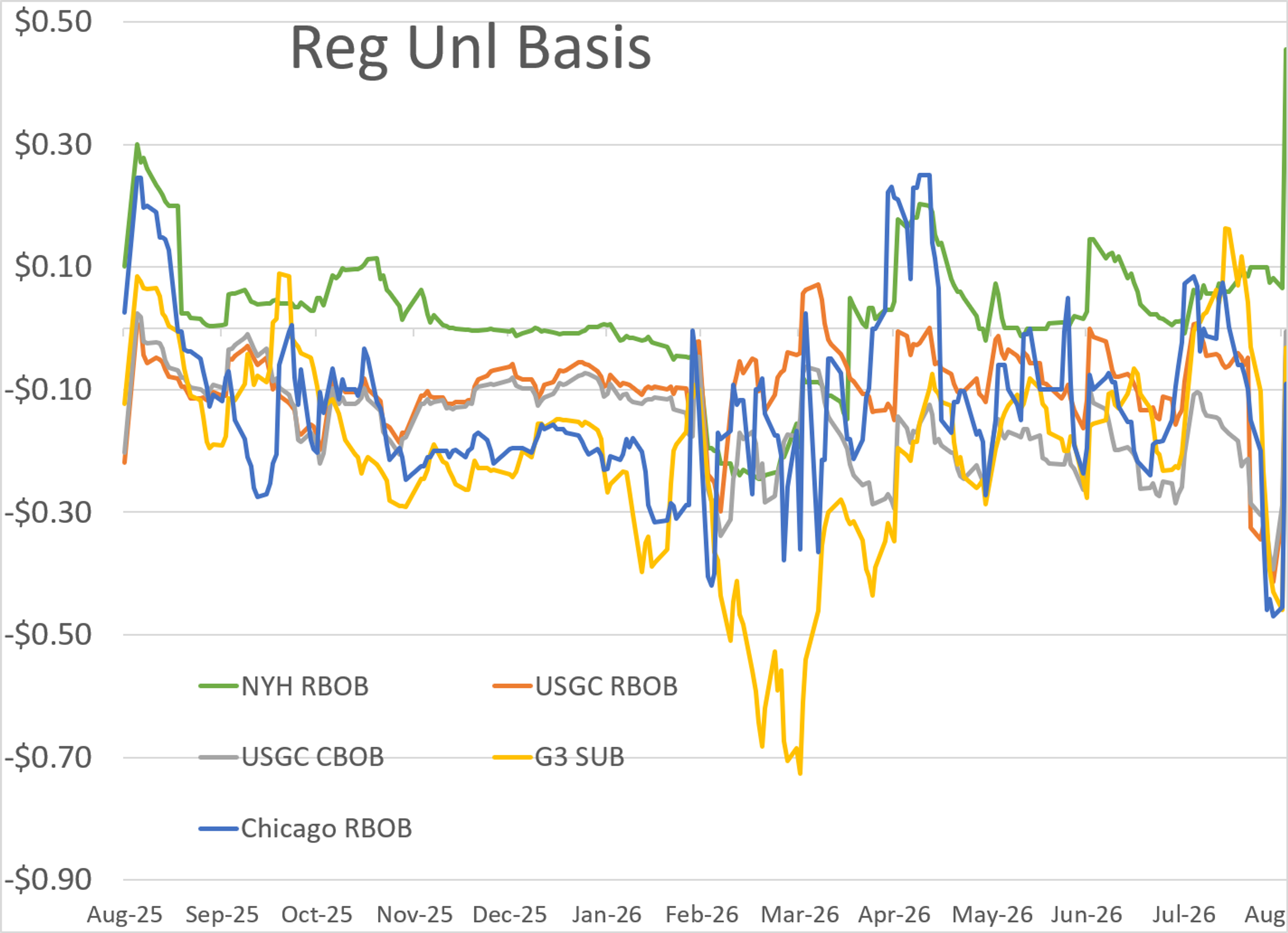
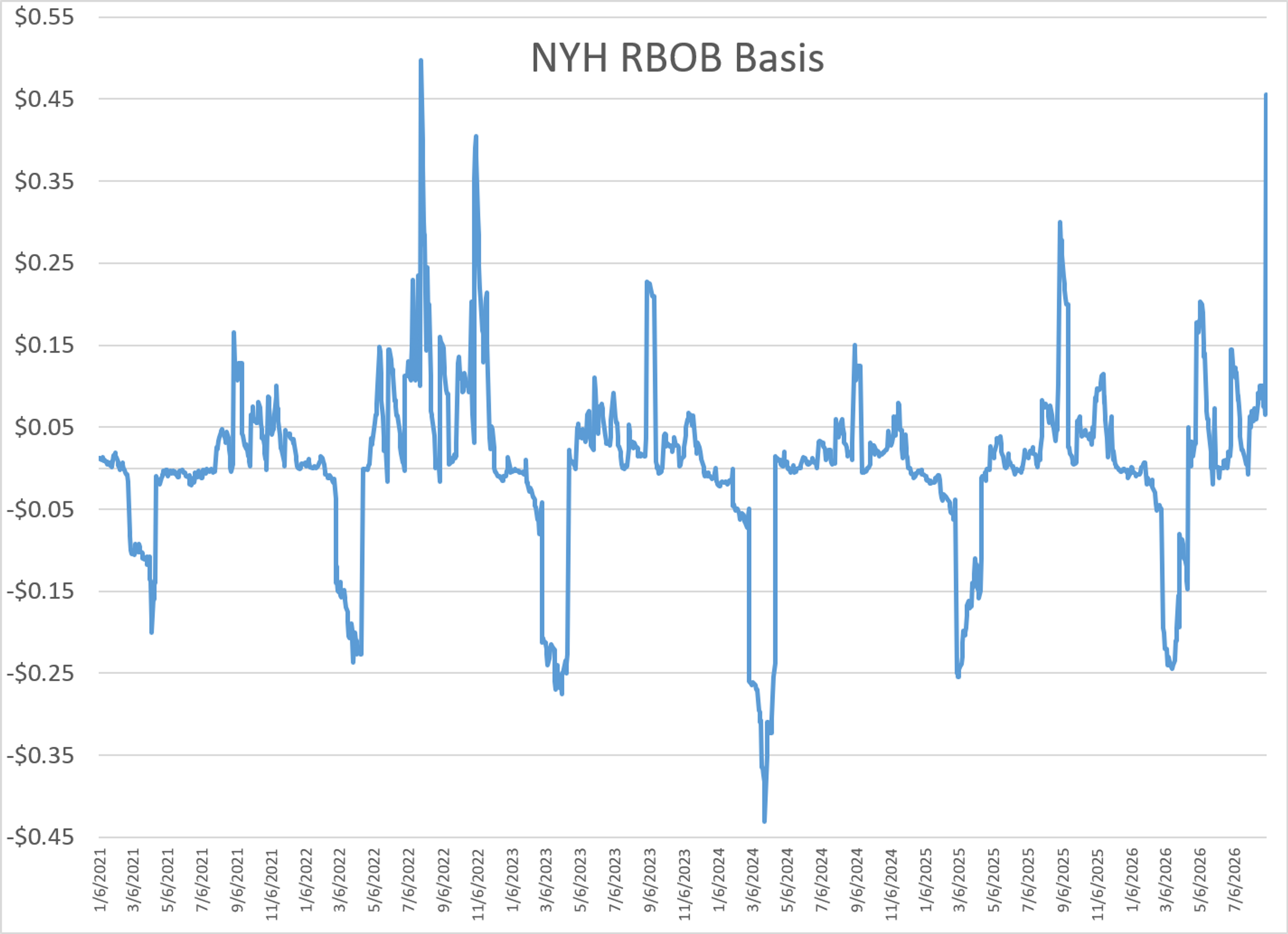
California is not the only market with huge premiums for gasoline this week. New York Harbor RBOB differentials are holding around 45 cents/gallon over October futures, the highest premium since the chaotic summer of 2022. That huge premium for prompt barrels is a remnant of cash markets adjusting to the extreme backwardation in RBOB futures as the September contract went off the board, which a 4 letter PRA completely botched in a “news” article Monday but refuses to correct. The forward curve suggests a shipper will lose on average a penny a day for any RBOB they hold over the next two months, which certainly won’t encourage any inventory building. Most of that premium will vanish in the next 2 weeks as the remaining markets that didn’t join the EPA’s waivers start allowing winter fuel grades to be sold.
Putin’s presidential penchant for phony purporting is in fine form this week as he claimed that only around 10% of the country’s refining network needs to be repaired due to Ukraine’s drone attacks. Meanwhile the country was forced to extend its export ban on diesel fuel this week because in the real world, the country that used to be the world’s largest diesel exporter now can’t make enough to fulfill its own needs.
Meanwhile, the U.S. President showed off his uncanny timing Tuesday, ordering the latest wave of attacks on Iran and making threats to wipe out the country, as he was set to meet with refinery executives to come up with ideas on lowering fuel prices. Early reports don’t offer much hope for new ideas, suggesting that the President pushed the companies to build more refineries, which realistically will take the better part of a decade IF any of them actually are convinced to give it a go.
Latest Posts
Bullish Diesel Fundamentals Overshadow Weakness In Gasoline Markets
Week 41 - US DOE Inventory Recap
Energy Markets Juggle Supply Risks, Inflation Pressures, And Geopolitical Conflict
Crude Climbs For A Fifth Day While Global Fuel Supplies Remain Under Pressure
Refining Margins, Tanker Attacks, And OPEC Growth Shape Energy Outlook
Oil Rises As Political Chaos And Supply Risks Shake Markets
Social Media
News & Views
View All
Bullish Diesel Fundamentals Overshadow Weakness In Gasoline Markets
Week 41 - US DOE Inventory Recap