Refiners Win, Biofuels Worry, And Fuel Bulls Stay In Control

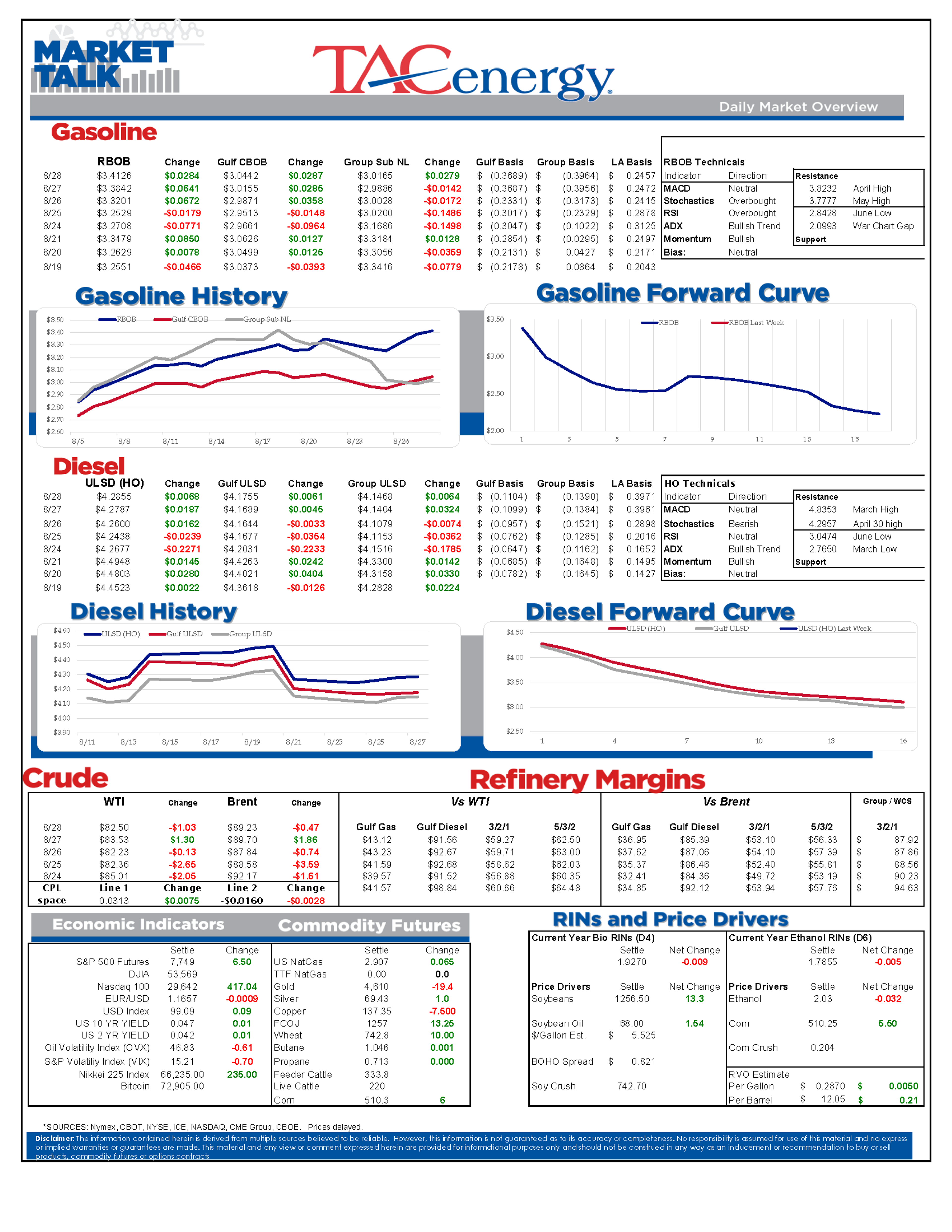
After two straight sessions of seeing heavy overnight losses turn into afternoon gains, refined product markets are moving higher to start Friday’s session with RBOB futures touching a fresh 6 week high (which is more impressive given that futures are now based on a winter grade product) while ULSD futures continue to chip away at Monday’s heavy losses, keeping the bullish trendlines on the weekly charts intact.
There doesn’t appear to be much new in the stalemate across the strait, with no new attacks on tankers around the region in the past 24 hours. U.S. CENTCOM’s Commander published an update on the military’s activities around the Strait of Hormuz last night, highlighting their mine clearing operations (which they say are now complete) while preventing any Iranian oil from leaving since the latest blockade was instated. The video also highlights how the military has escorted more than 1,500 ships through the straight in the past “few months” while not highlighting the fact that the pre-war rate of transit was 1,500 ships every 2 weeks.
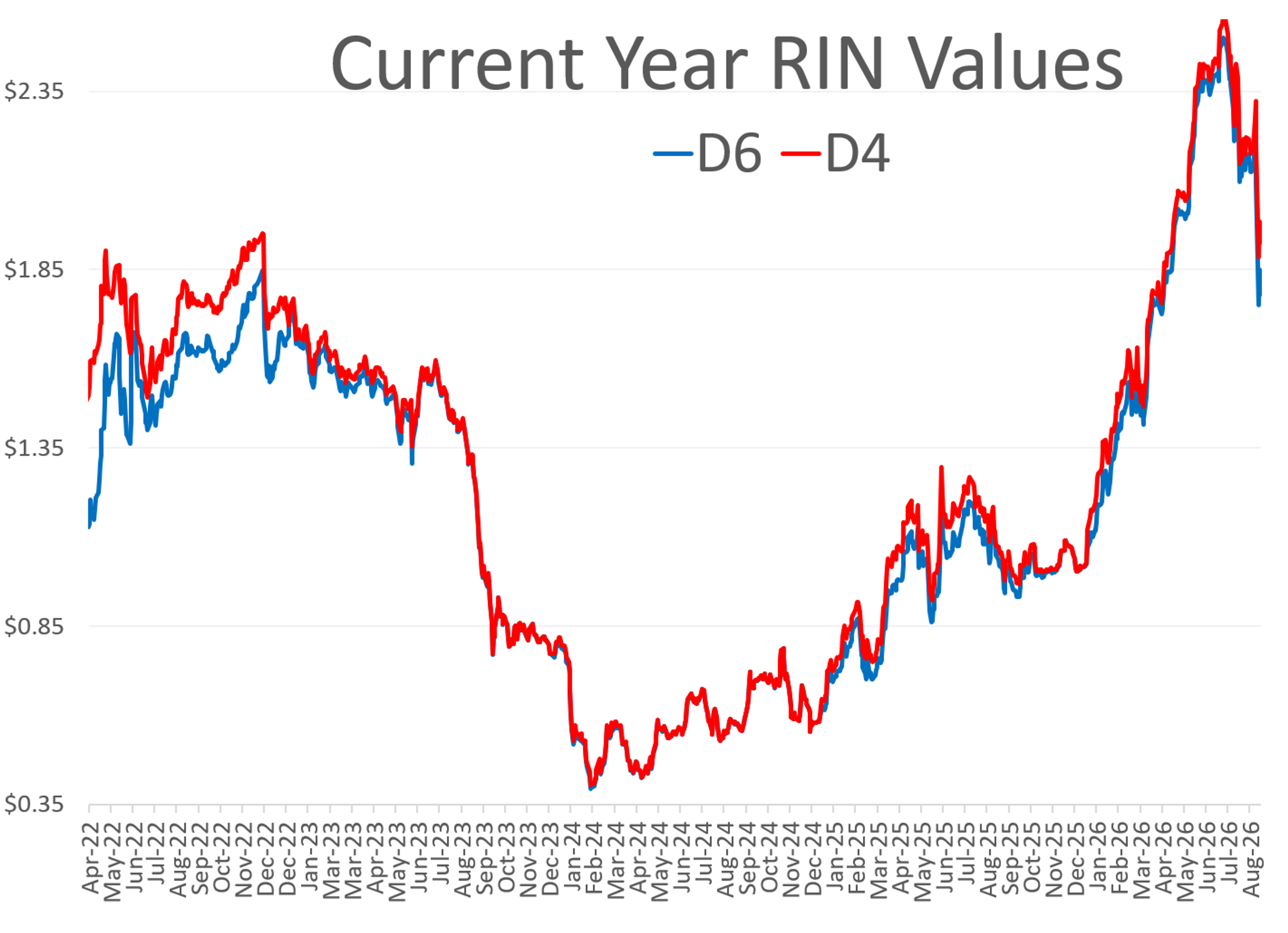
RIN Prices had another roller coaster session Thursday, with the most active D6 (ethanol RIN) values dropping down to $1.60 to start the day only to rally back to $1.88 mid-morning, before another drop to $1.70 followed by another rally to end the day north of $1.85. The ongoing rumors of what the EPA may or may not announce on Small Refinery Exemptions (which they’ve promised by Monday) seems to be the driver of the big swings, with the Reuters rumor mill continuing to roil markets.
The key nuance in the latest SRE drama is that although the EPA agreed to reallocate 70% of any exempted volume from 2023-2025 applications in the 2026-2027 RVOs, the 2025 portion of that reallocation was based on their projected number, not the actual, so if the exemptions do in fact come in stronger than expected, there will not be an increase to current obligations to offset that amount. You may find it surprising that biofuel advocates are already protesting the decision that hasn’t yet been announced.
It’s certainly an interesting time for the small refinery debate, as on one hand it’s difficult to claim “hardship” for any operating refiner these days as crack spreads hold near record-territory and $100 diesel cracks (also known as $2.50/gallon gross margin) make headlines. On the other hand, the wars and chronic drone attacks have made the security aspect of not relying on fewer larger refineries painfully obvious, which may encourage the administration to make its latest flip flop on the biofuel policy.
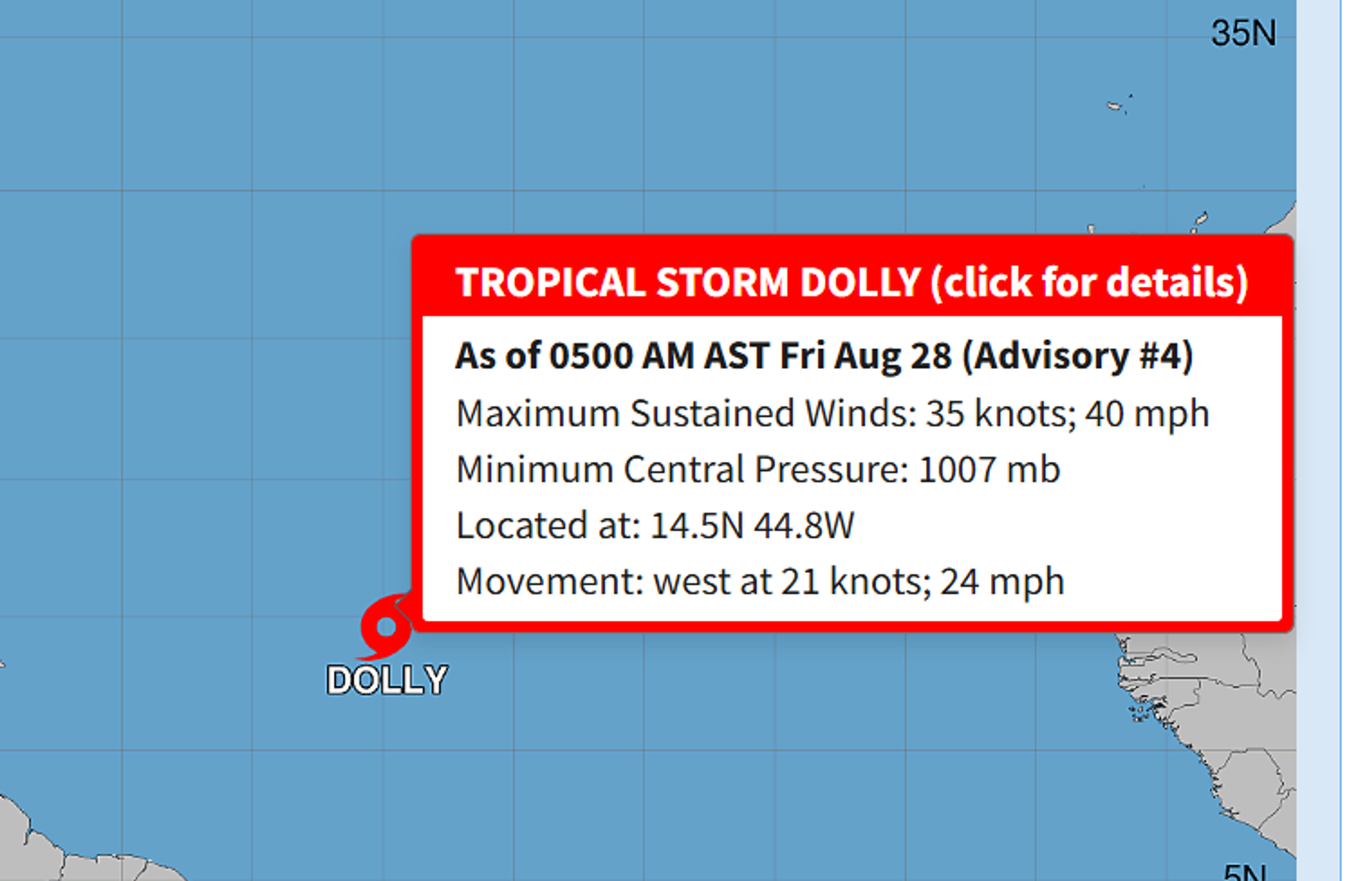
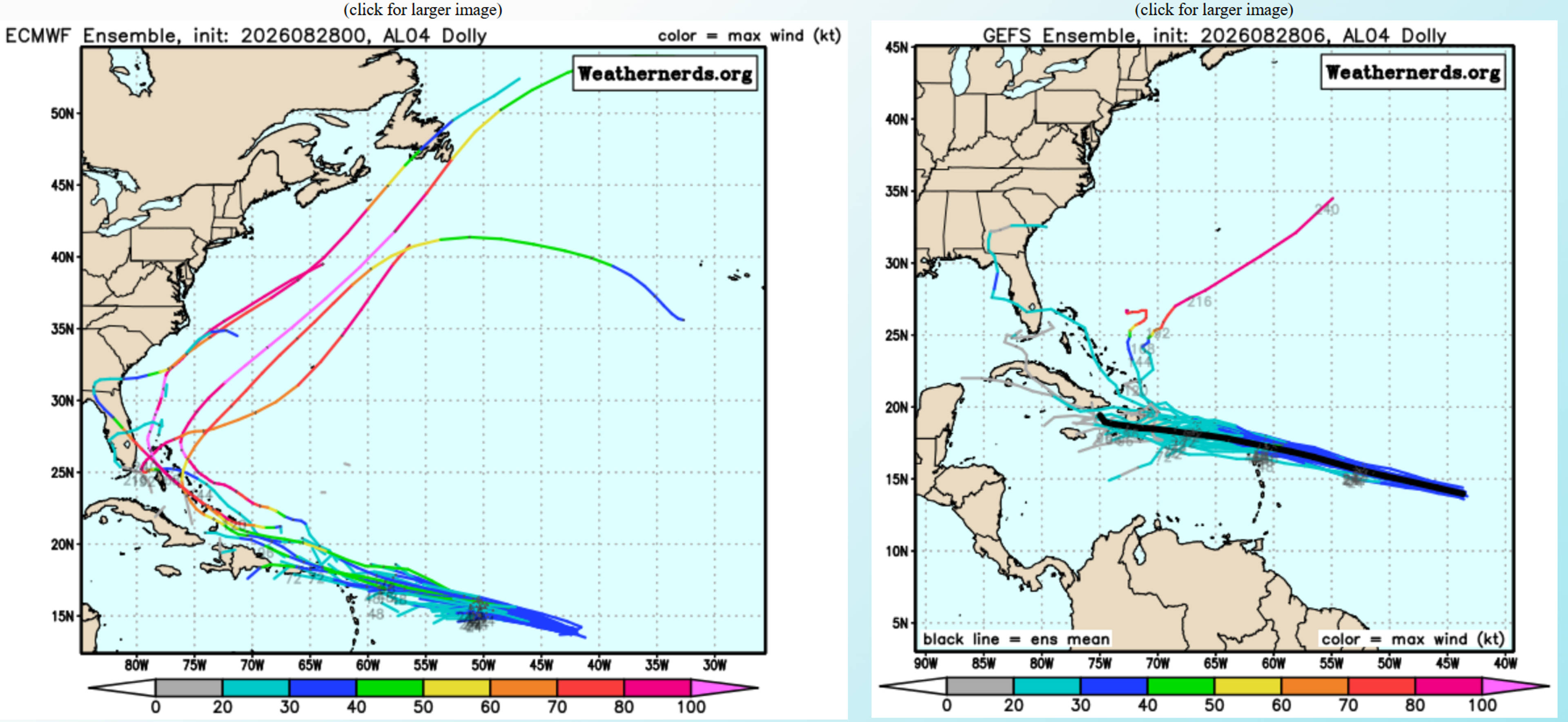
How about that for timing? A tropical storm was named in the Atlantic overnight, and while “Dolly” may appear to be a tribute by forecasters to an American icon, the naming list was actually created decades ago. Earlier in the week, long range forecasts suggested there was almost no chance this storm would threaten the U.S. coastline, the European model now shows a potential that this storm could be a hurricane approaching Miami next week (see the weathernerds plot of that forecast here), while other models suggest that wind shear (thanks to El Nino) will likely prevent the storm from developing into a major threat. None of the current forecasts have this storm threatening energy infrastructure along the Gulf Coast.
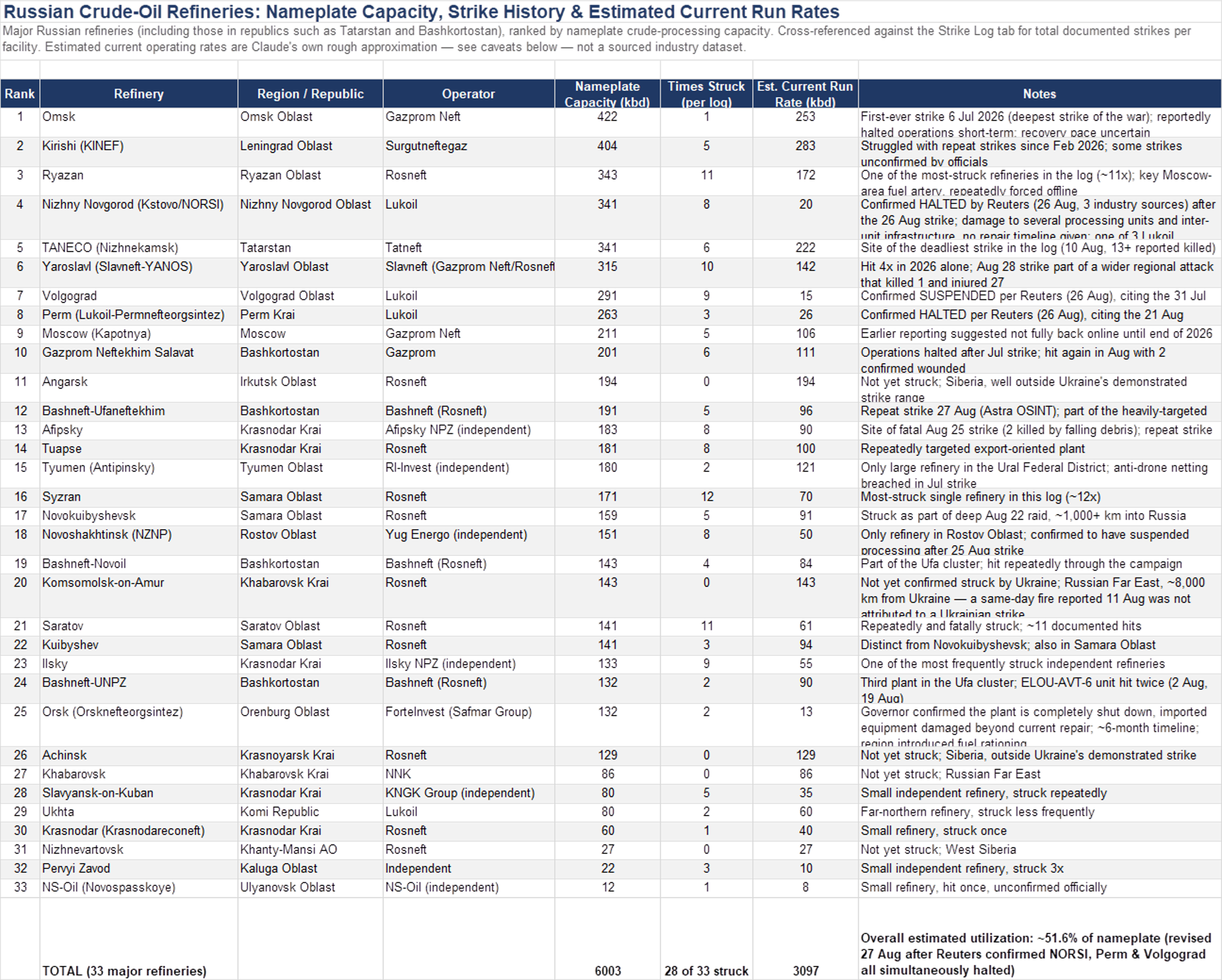
Ukrainian drones hit the 315mb/day Yaroslavl refinery overnight, marking the 4th time that facility has been hit this year, and adding to the record setting run of attacks. While the near-daily strikes can become something of a broken record, even though they’ve flipped one of the world’s top 5 refined product exporters into an importer, there is a new wrinkle this week that adds more interest to the story. Russia’s President has announced that the government now has the right to seize any assets attacked by Ukraine’s drones as a penalty for not adequately protecting themselves. The attempt to place blame while tacitly admitting the military’s inability to prevent the attacks looks particularly desperate, but more importantly, it may further alienate the oligarchy that owns much of the infrastructure and is critical to the dictatorship’s grip on power.
Latest Posts
Oil Rises As Political Chaos And Supply Risks Shake Markets
Volatility Returns As Traders Weigh Storm Risk And Global Supply Threats
Crude, Diesel, And Storm Risks: Key Drivers Behind Today's Rally
Refinery Outages, Storm Risks, And Export Constraints Lift Distillates
Week 40 - US DOE Inventory Recap
Diesel Leads Energy Markets Lower Despite Mounting Geopolitical Risks
Social Media
News & Views
View All
Oil Rises As Political Chaos And Supply Risks Shake Markets
Volatility Returns As Traders Weigh Storm Risk And Global Supply Threats