Markets React Cautiously As Middle East Tensions Escalate Again

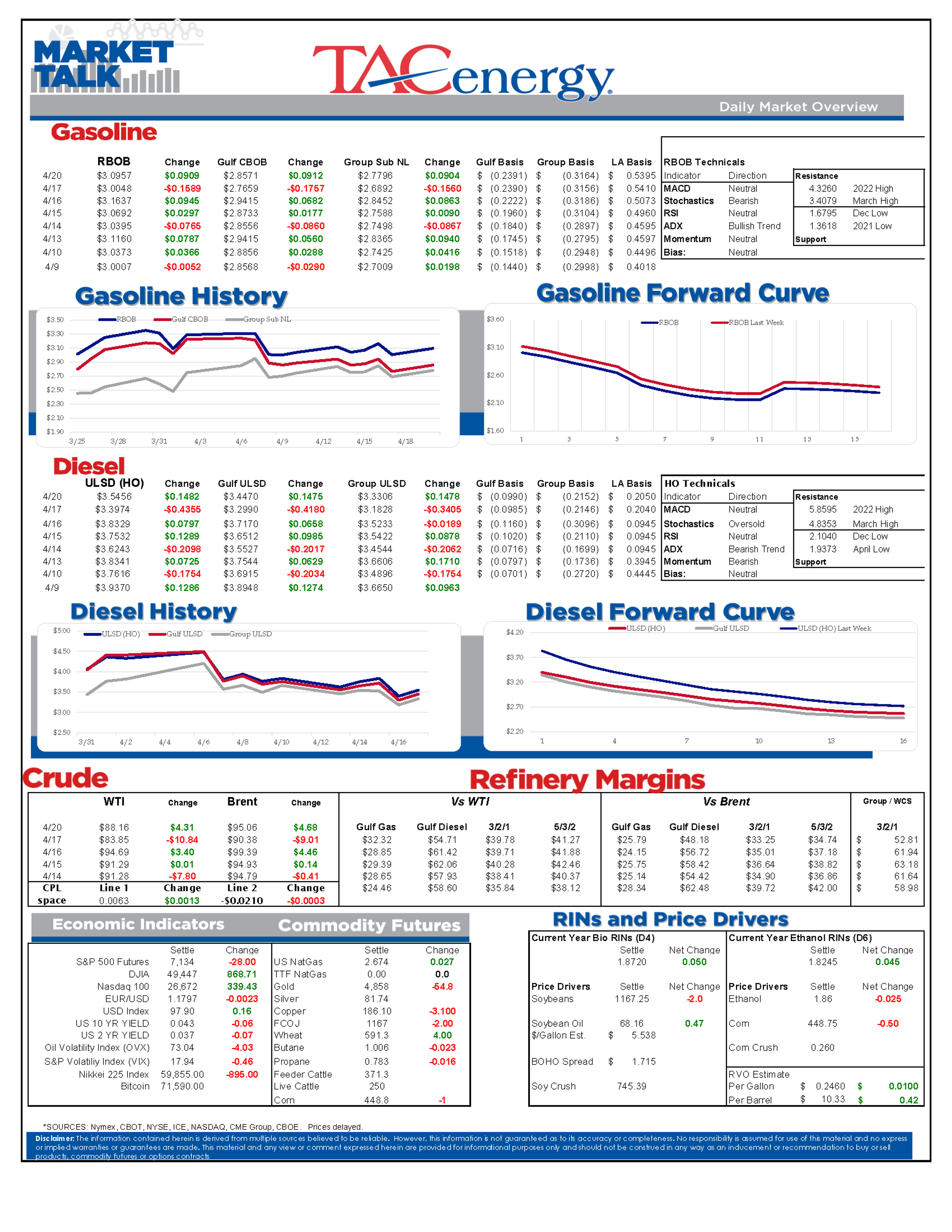
Energy futures are rallying once again Monday after the Strait of Hormuz was closed again over the weekend with reports of multiple ships being attacked by Iranian forces Saturday and the U.S. seizing an Iranian cargo ship on Sunday. While 15 cent gains for ULSD and 10 cents for RBOB are certainly noteworthy, the rally so far is surprisingly soft considering Friday’s huge selloff following claims that the strait was re-opened for business. Adding to the concern for physical markets already stretched to their breaking point, Iran has apparently called off negotiations with the U.S., suggesting that there will be no relief to the situation anytime soon.
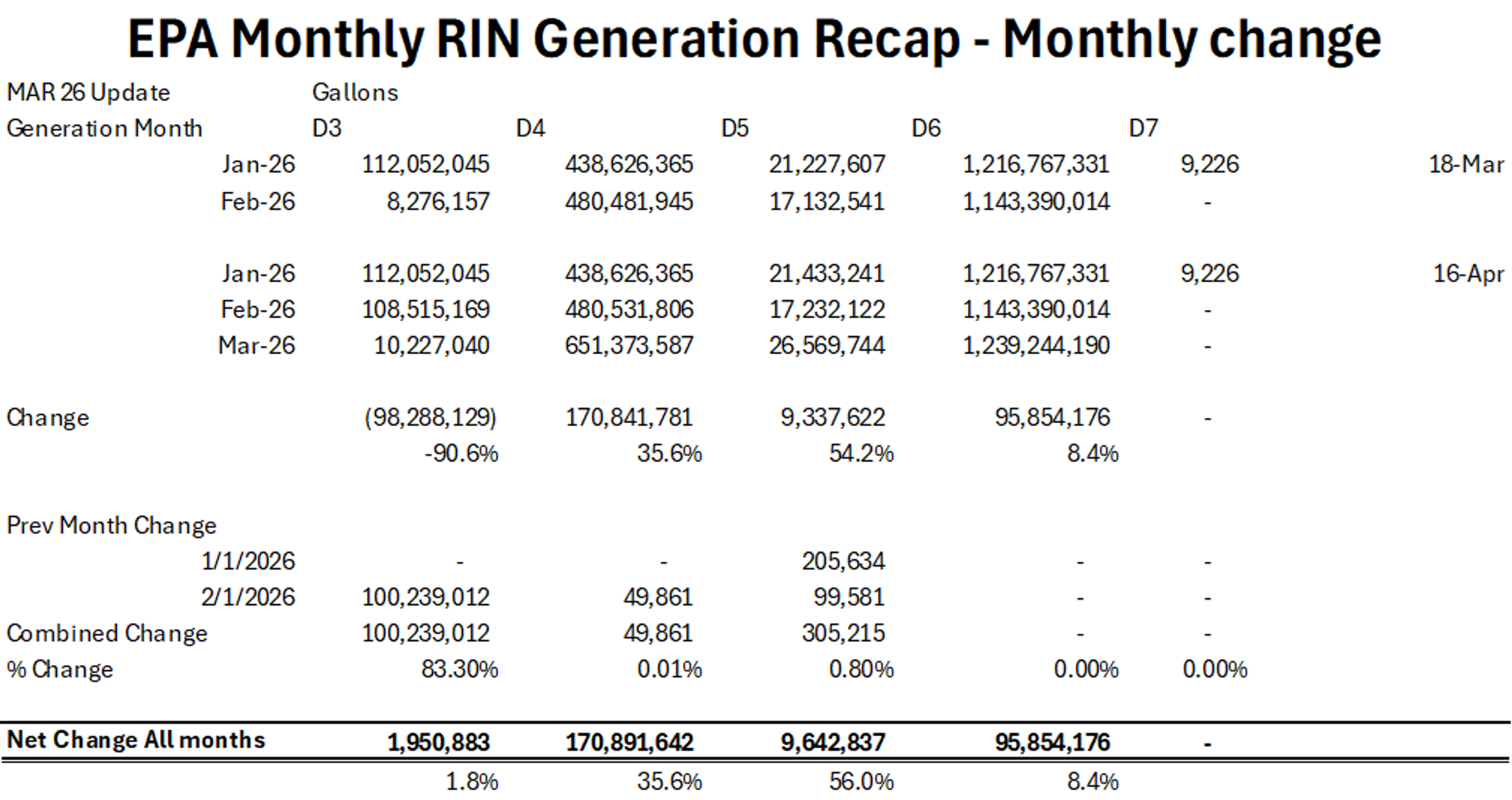
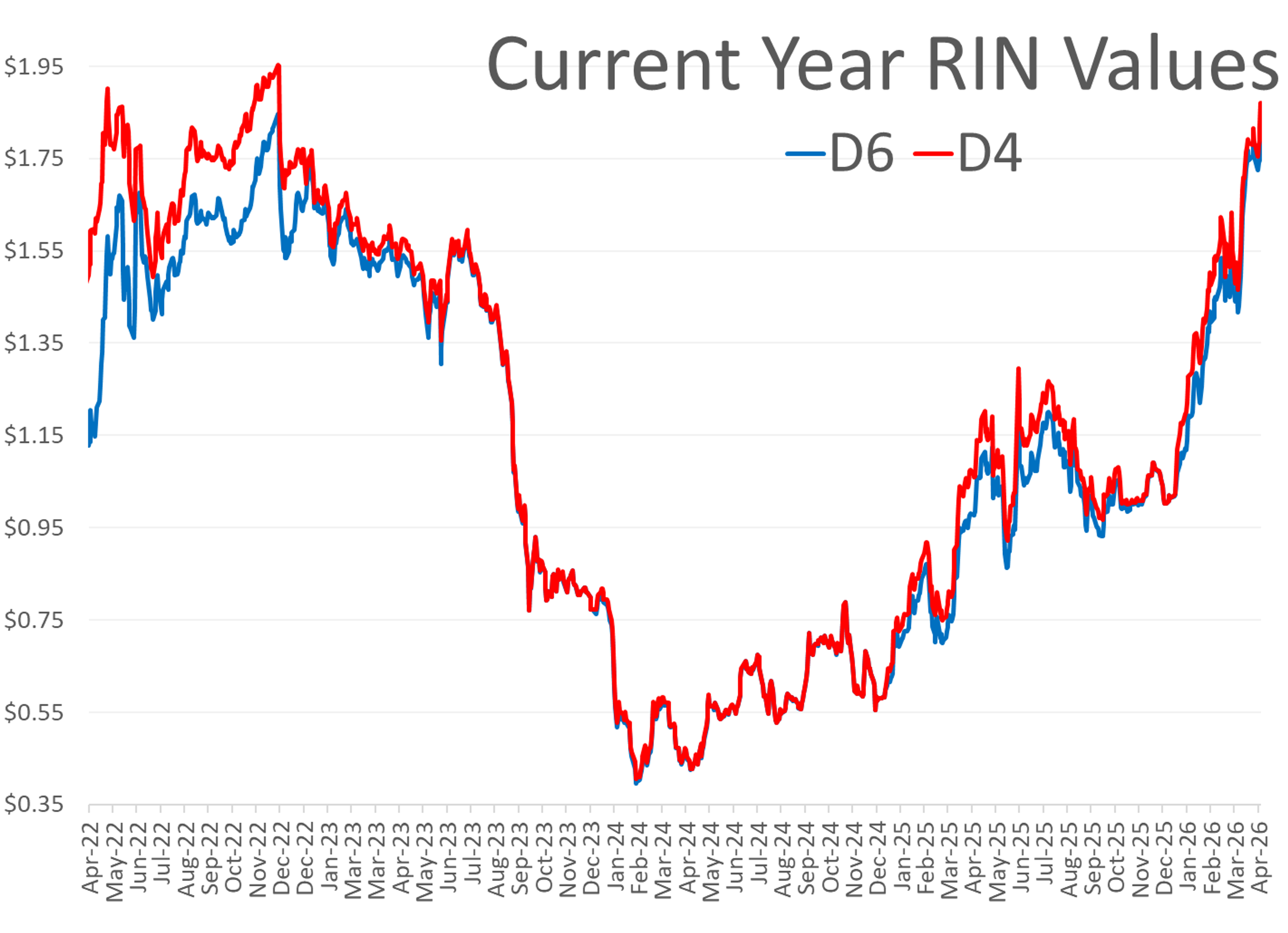
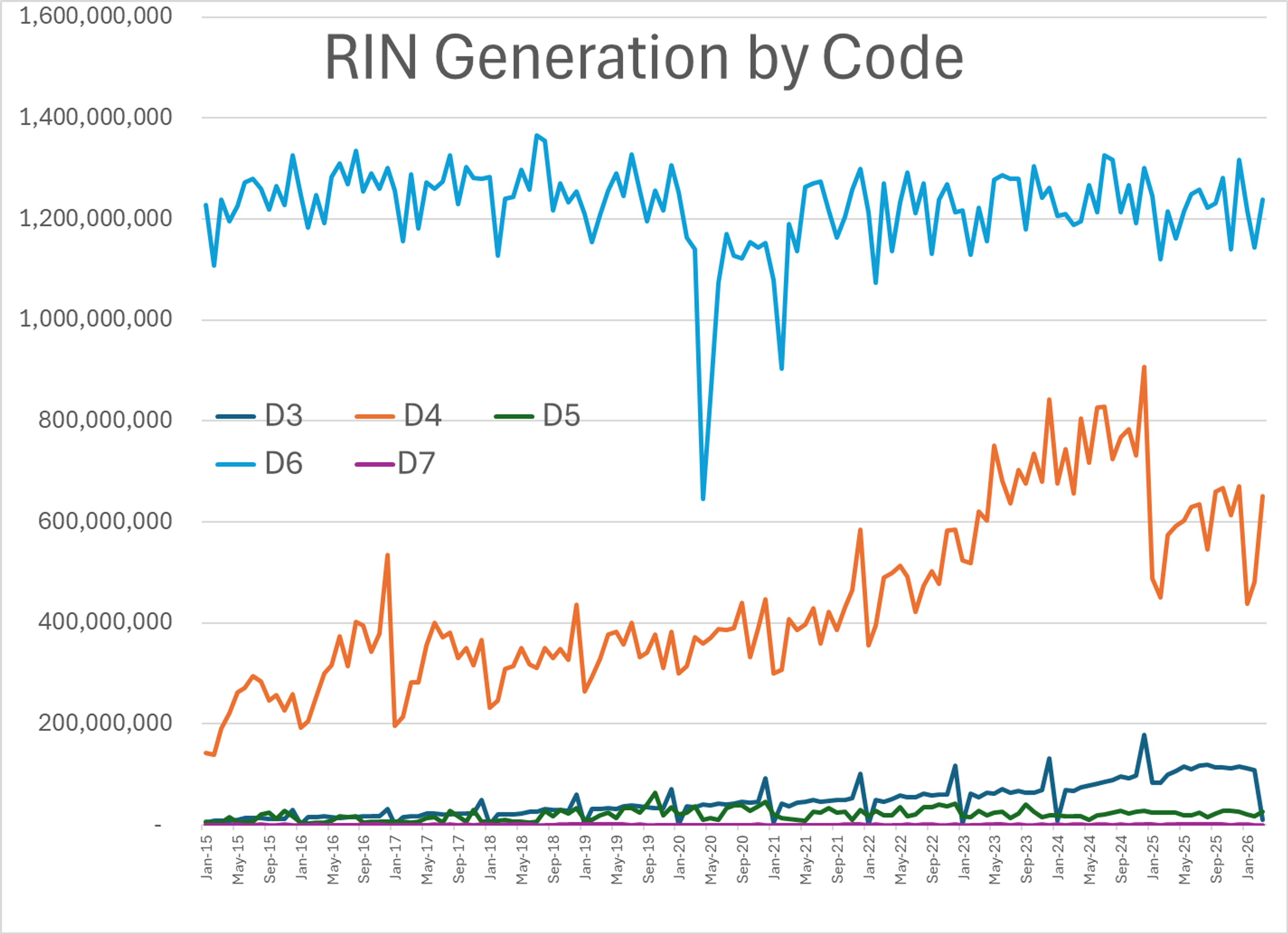
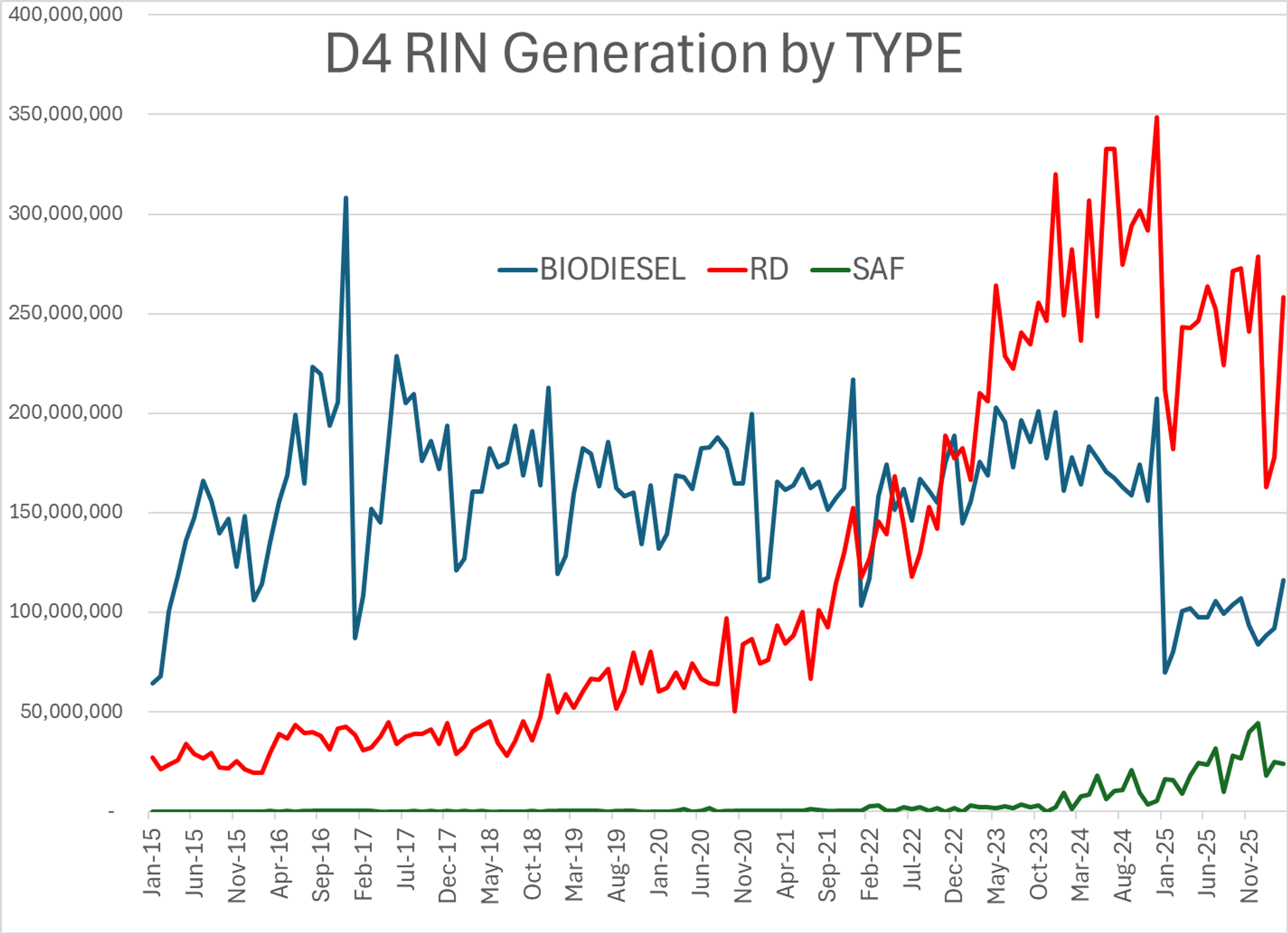
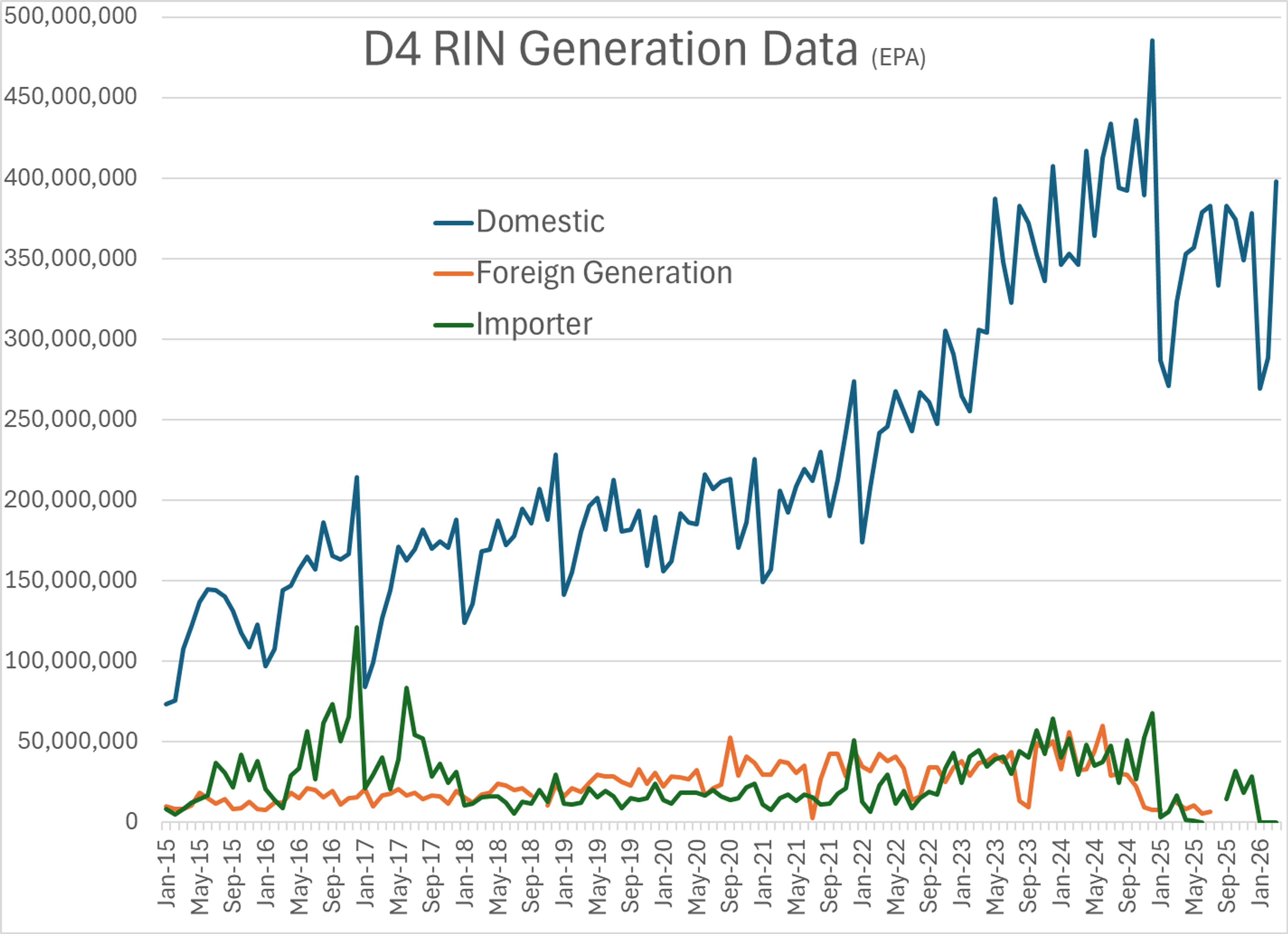
RIN values jumped to a fresh 3-year high north of $1.80/RIN for D4 and D6 values Friday after the EPA’s monthly RIN generation report showed production is still far behind the new RFS targets for the year, despite a 35% increase in D4 generation for the month. Through the first quarter, the Bio-Mass based RIN generation is on track to miss the new 2026 target of 9 billion D4 RINs by more than 1 billion, even though domestic production has surged to its highest level since 2024, suggesting the U.S. will need to increase imports – which have been largely absent since the $1/gallon BTC expired in 2024 – in order to reach the goal.
The surge in domestic RD and bio production, most of which gets sold on the West Coast to capitalize on the environmental program subsidies, has prompted heavy discounting with reports of RD being sold at 30-50 cents below CARB diesel (plus fees) across California, while Biodiesel is being sold for 30-40 cents below ULSD futures in several spots. The saga of the non-existent CARB diesel market in San Francisco continues, with sales downstream in Reno 20 cents lower, rack prices 25 cents lower and the heavy discounts on RD still not enough to convince the pricing agencies that the number they posted April 1 isn’t still a real number today.
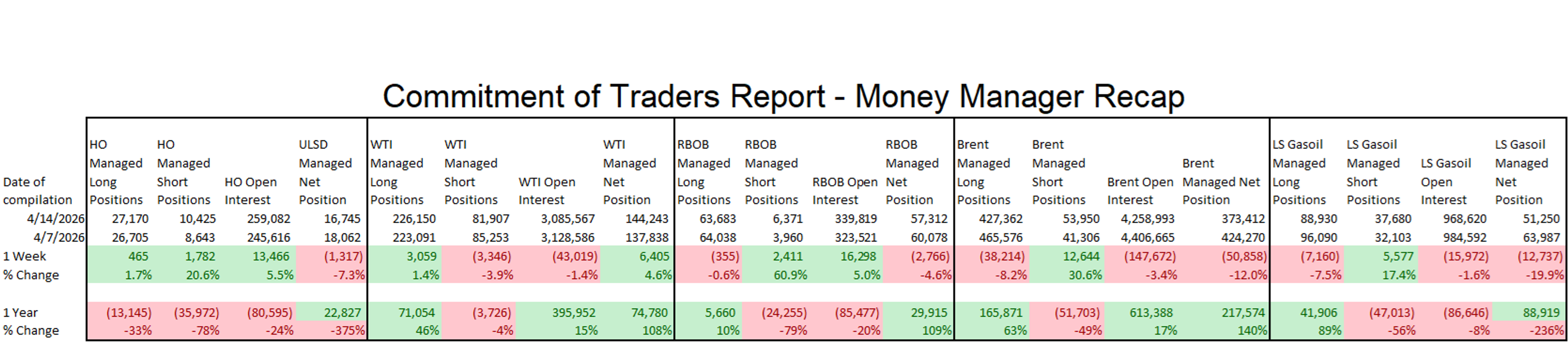
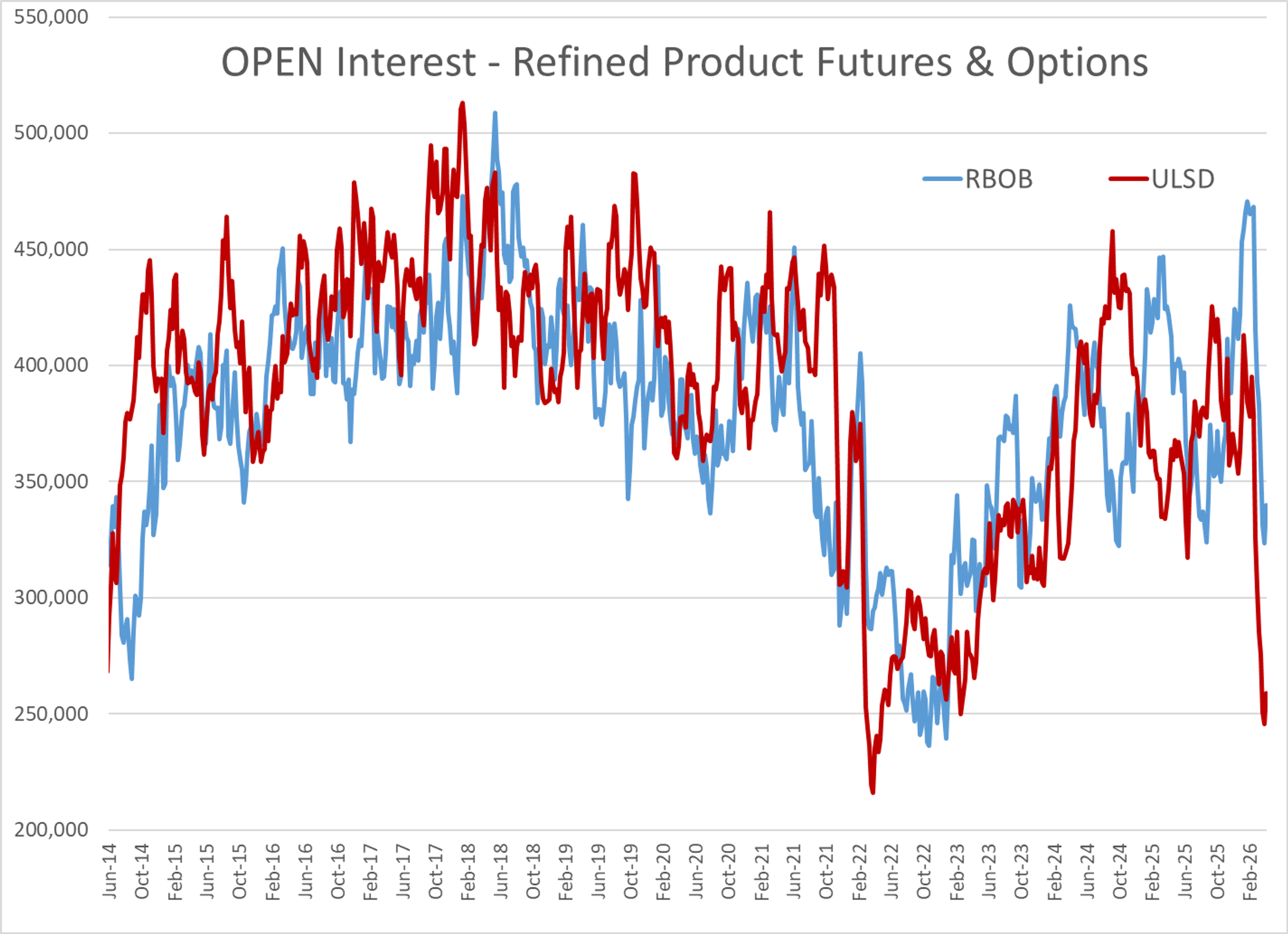
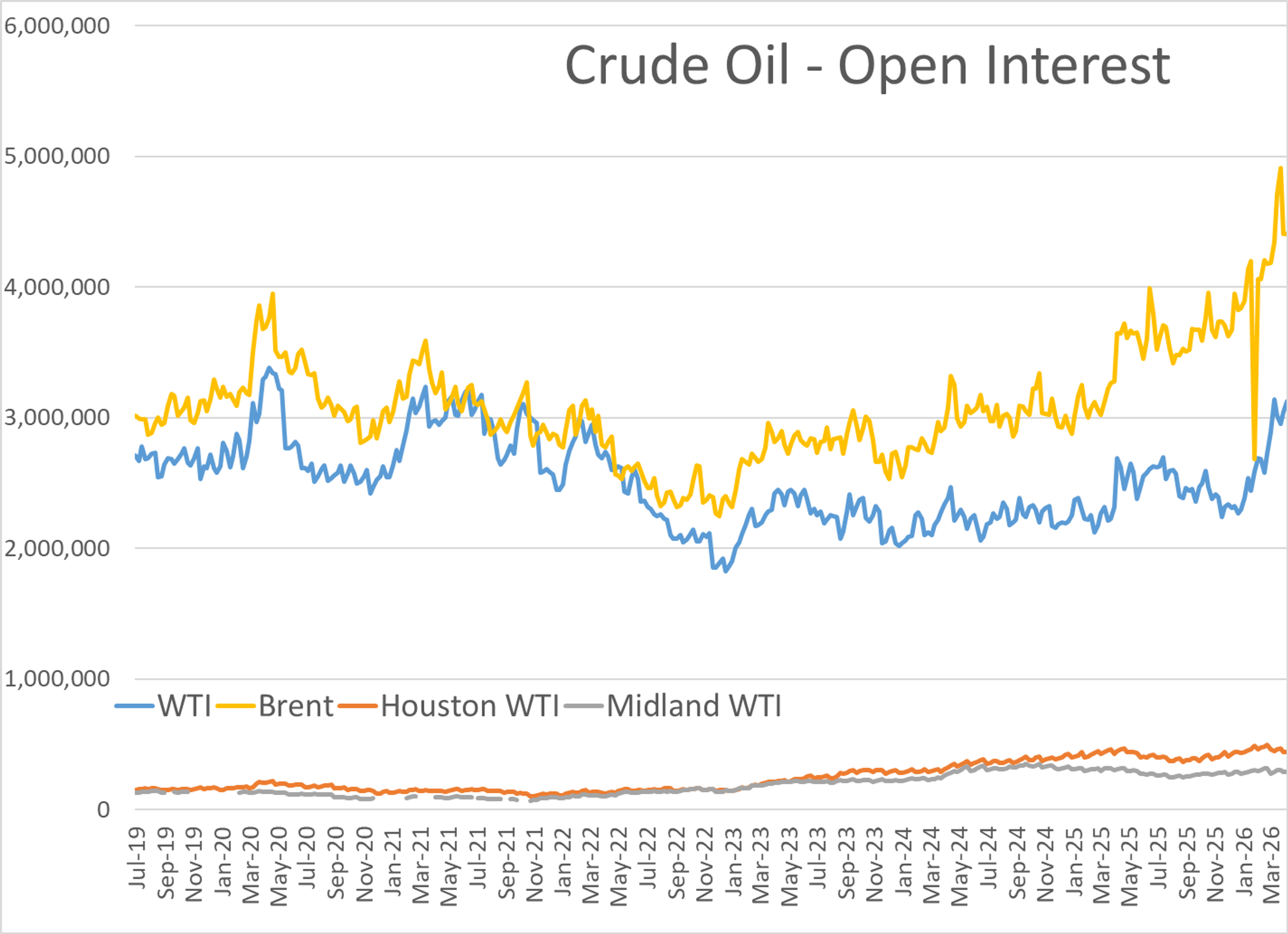
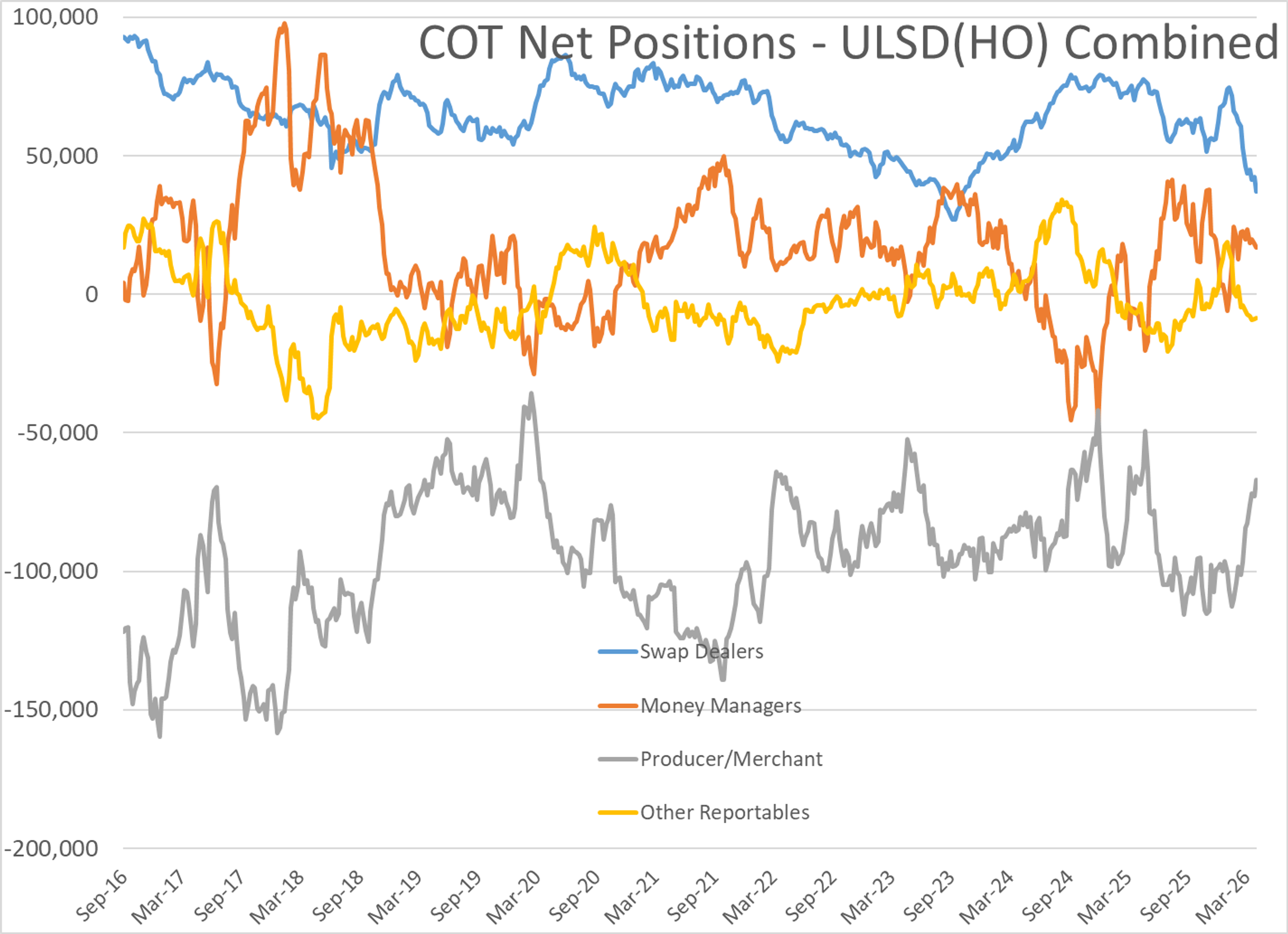
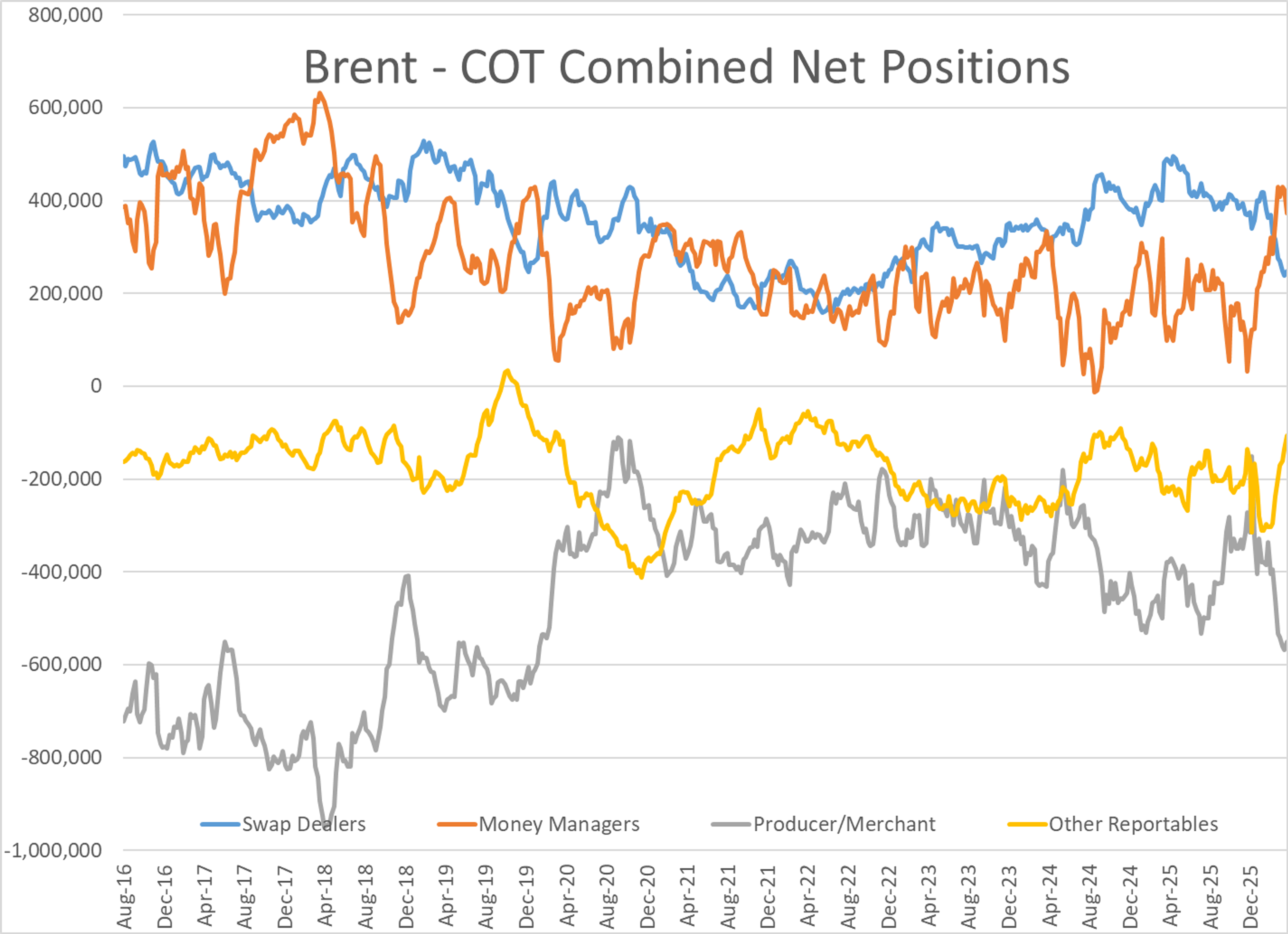
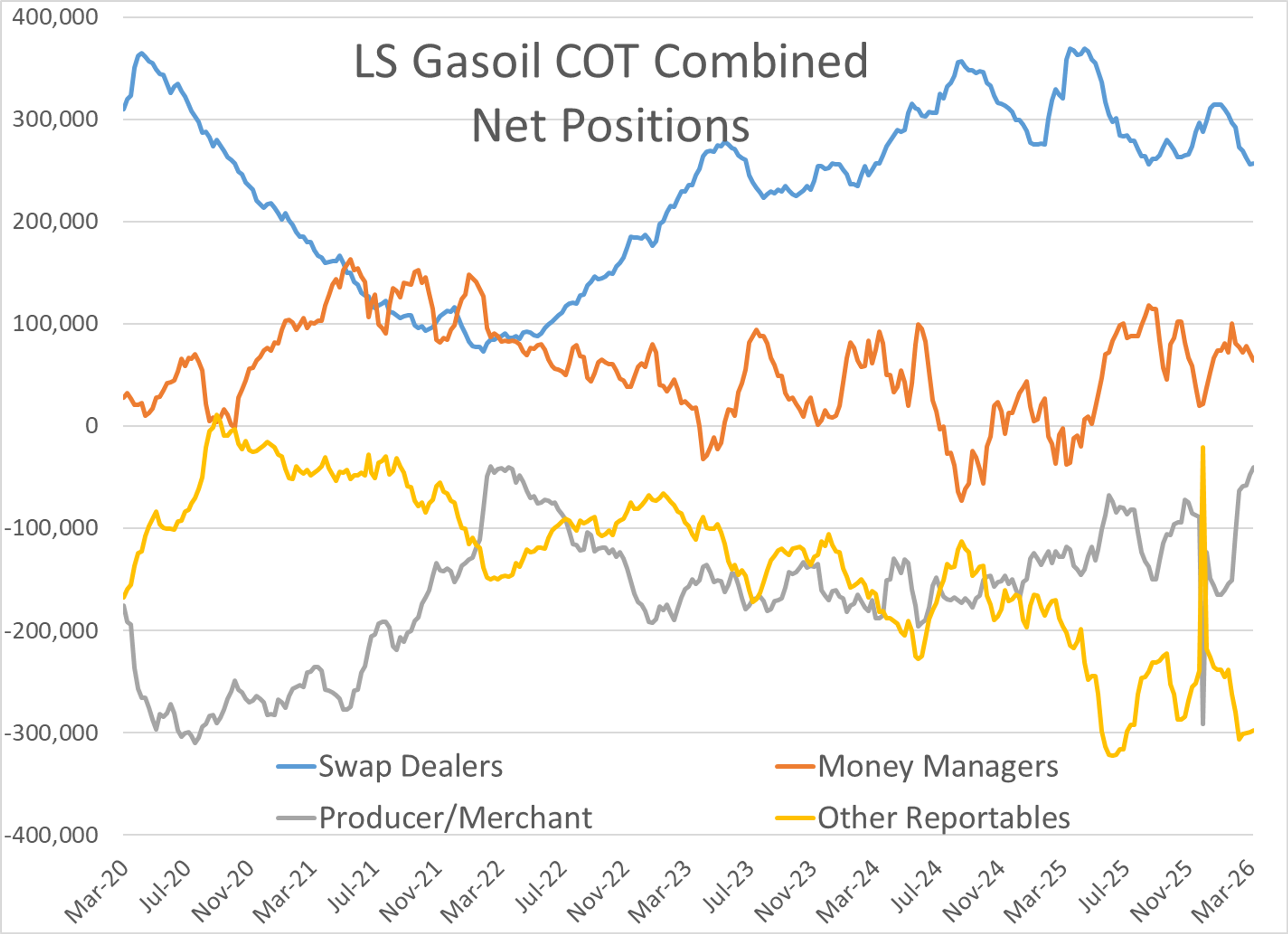
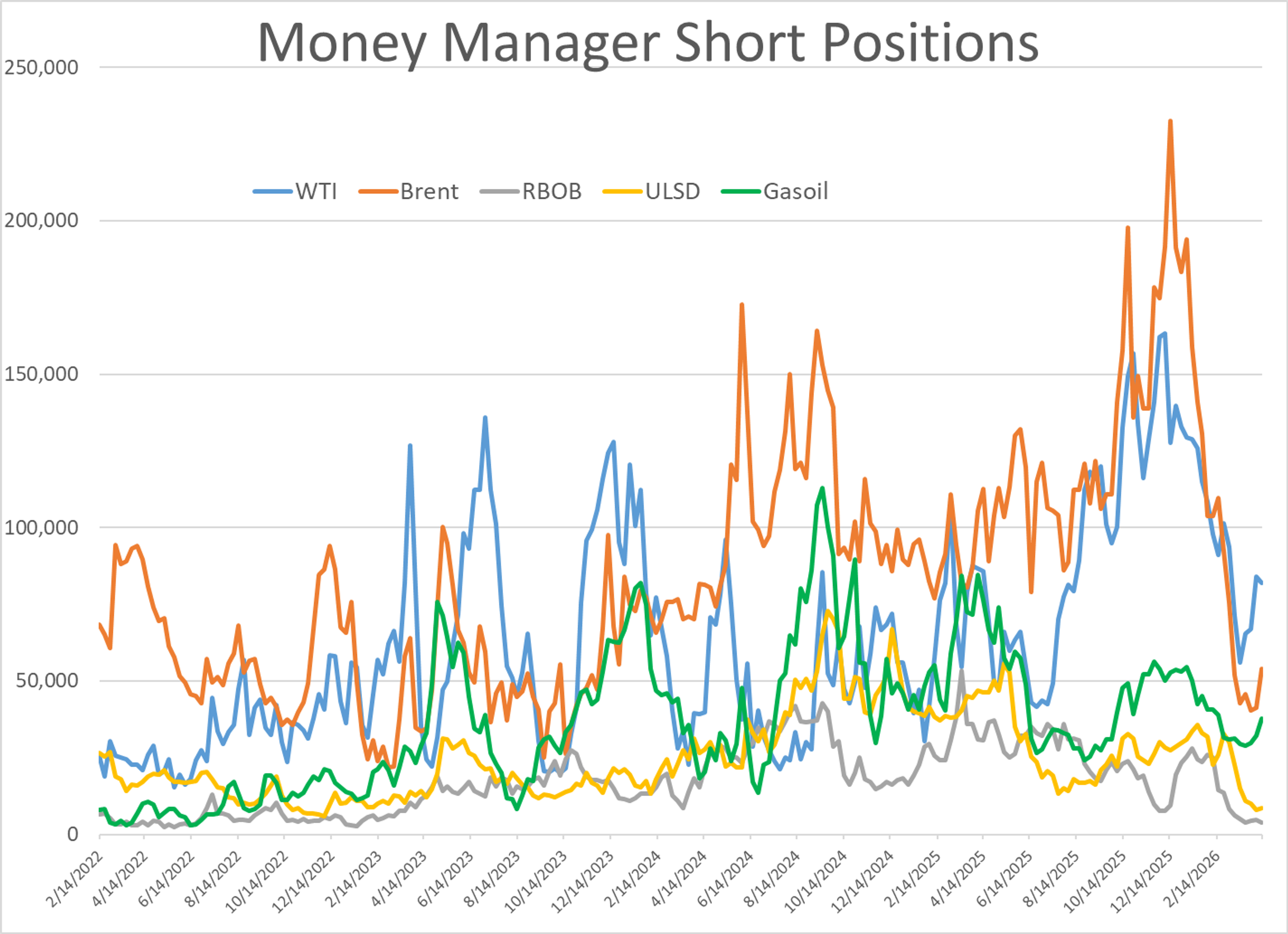
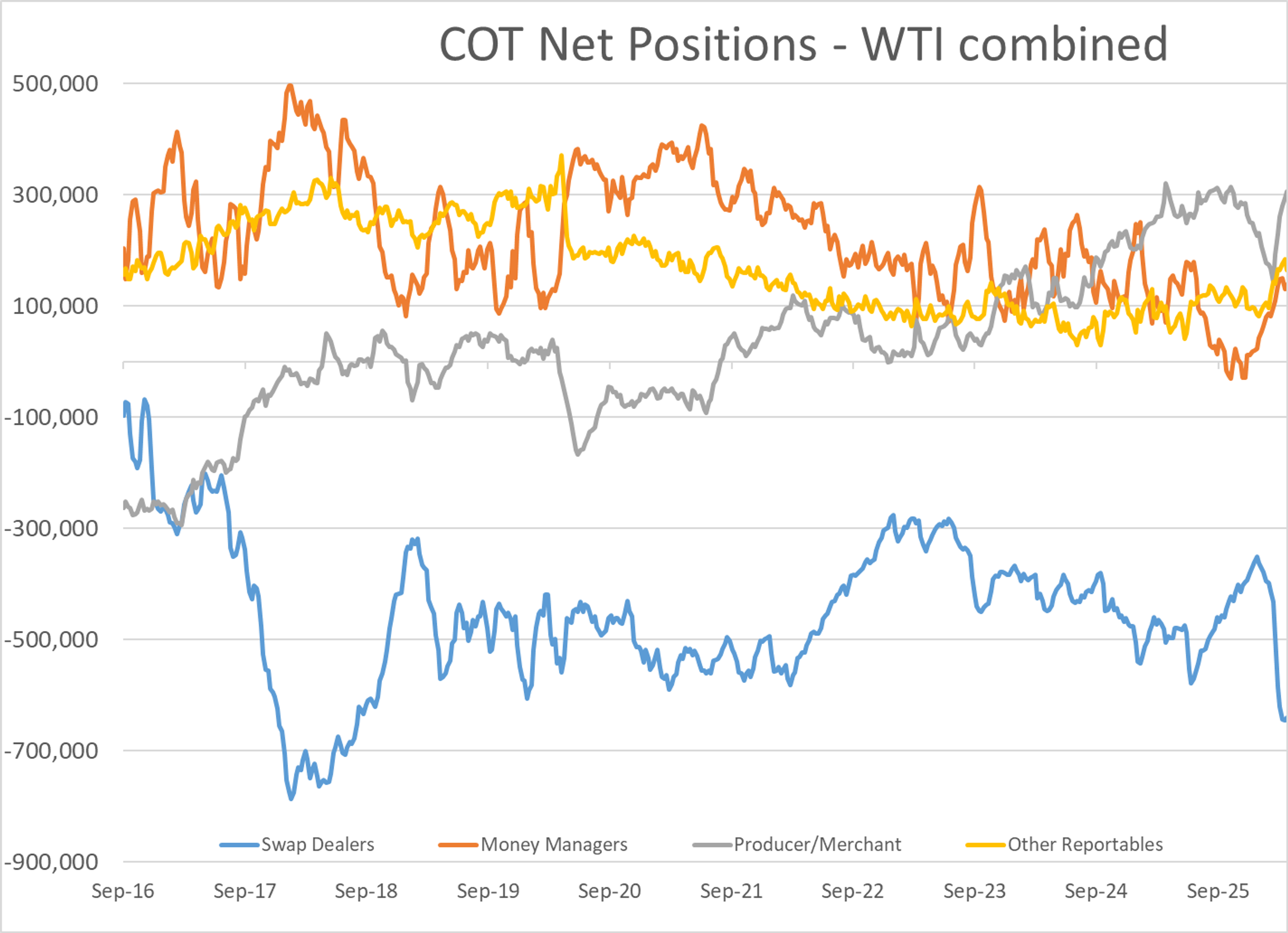
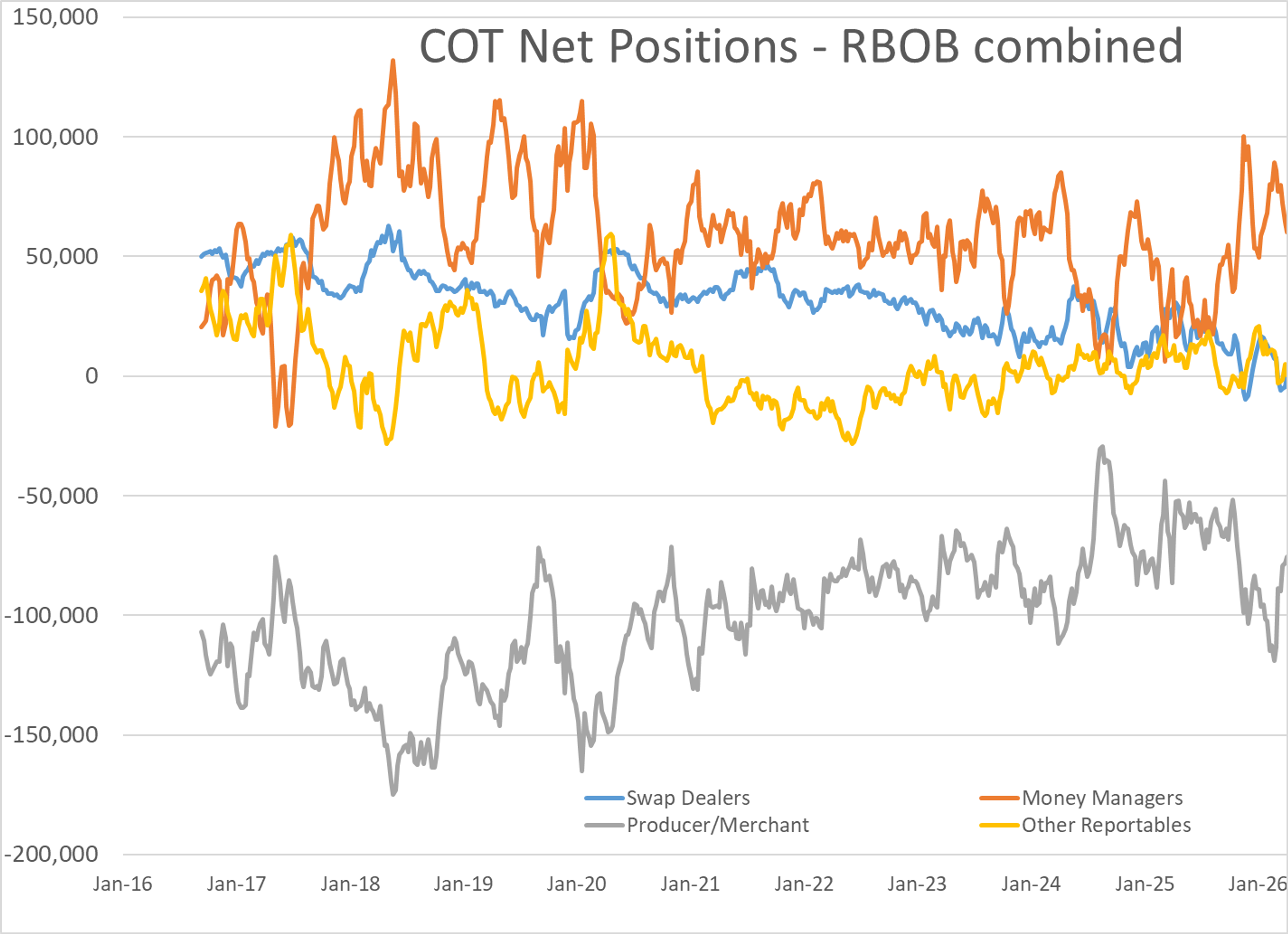
Money managers trimmed their net length in most petroleum contracts as of last Tuesday, according to the latest Commitments of Traders reports. WTI was the only holdout of the big 5 petroleum contracts that saw a tick higher in large speculative bets on higher prices. For the first time since the war broke out, open interest in RBOB and ULSD contracts ticked higher last week, ending the biggest exodus since the chaos of 2022. The CME required margin for the prompt 2 months of ULSD are around $19k per contract today, compared to just $5k per contract before the war broke out, which combines with the volatility and backwardation in the market to show why so many have headed for the exits. The short interest held by swap dealers in WTI reached a 7.5 year high (biggest negative position) last week, which suggests that producers are gladly selling into the price rally to hedge their future production, while those that like conspiracies may use this as evidence that the U.S. Treasury may have intervened to try and limit prices from rallying too much.
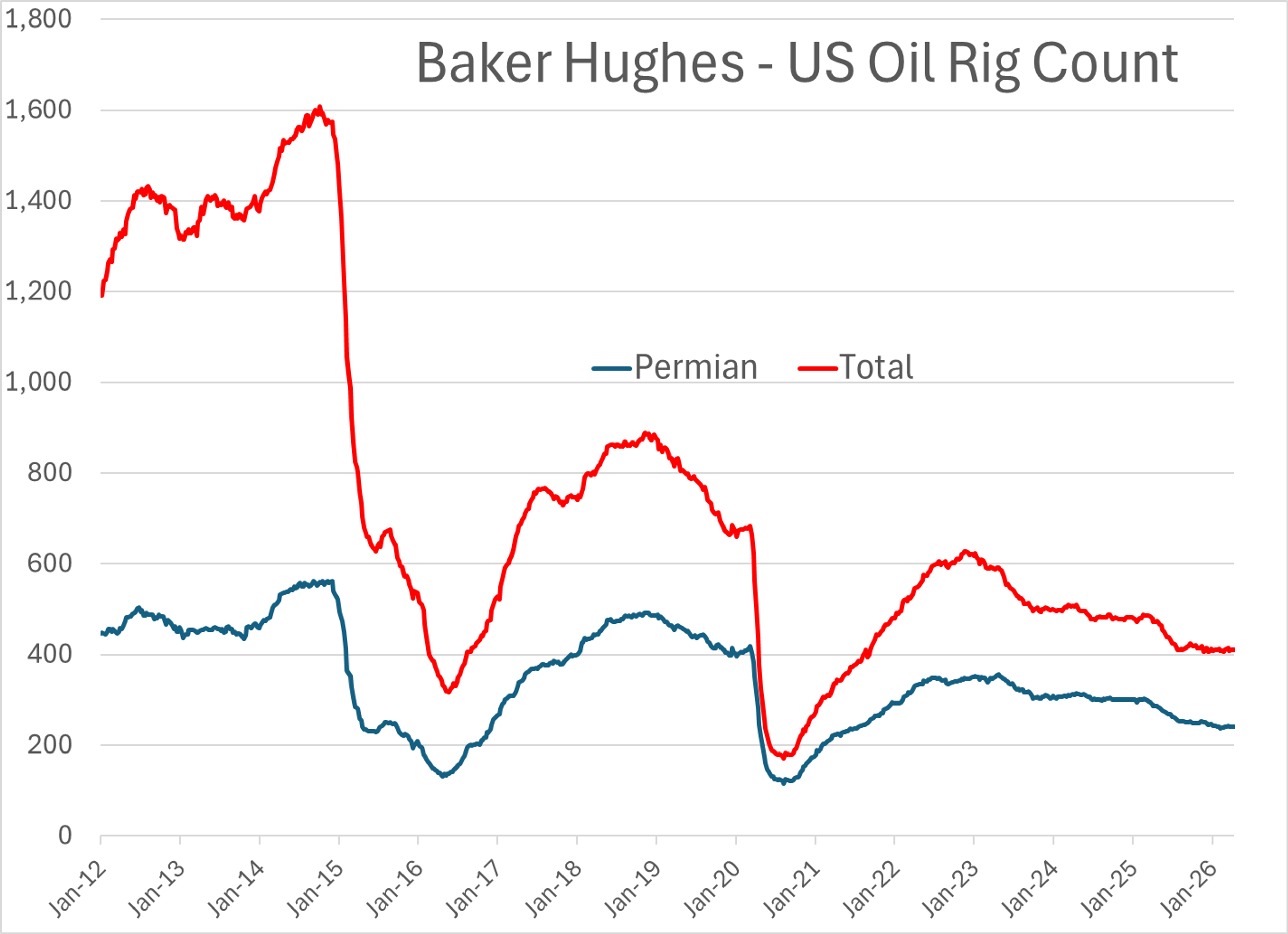
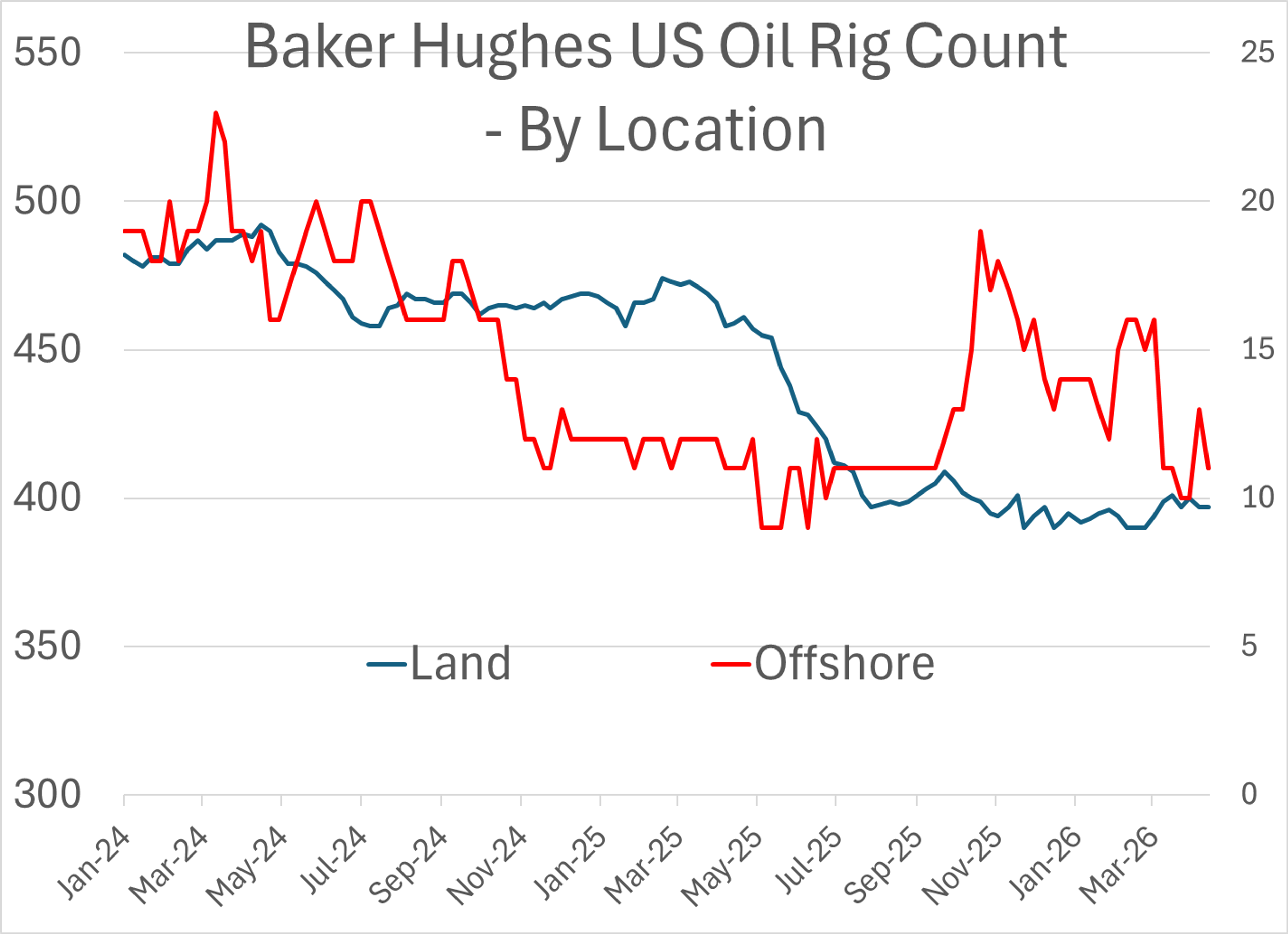
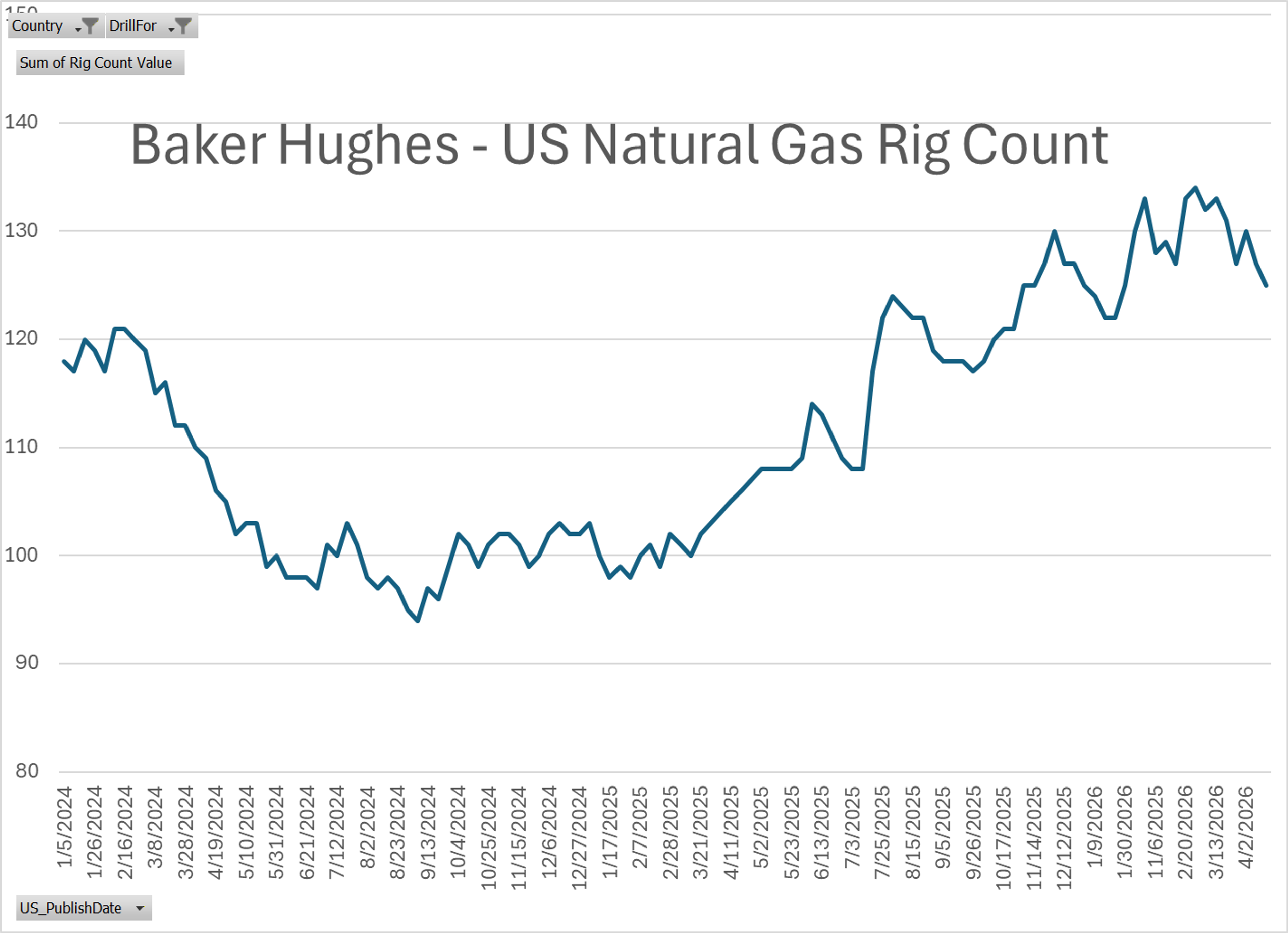
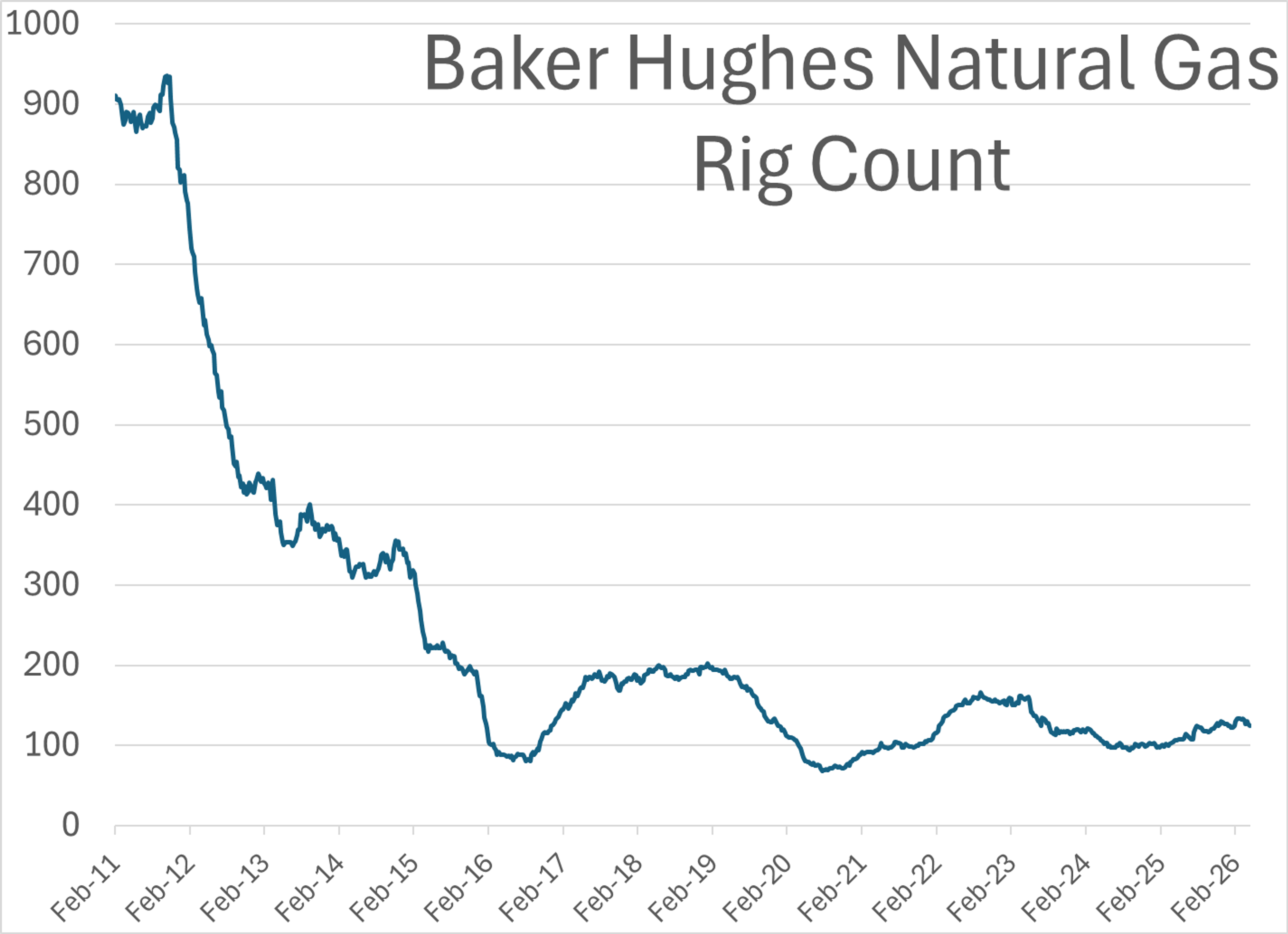
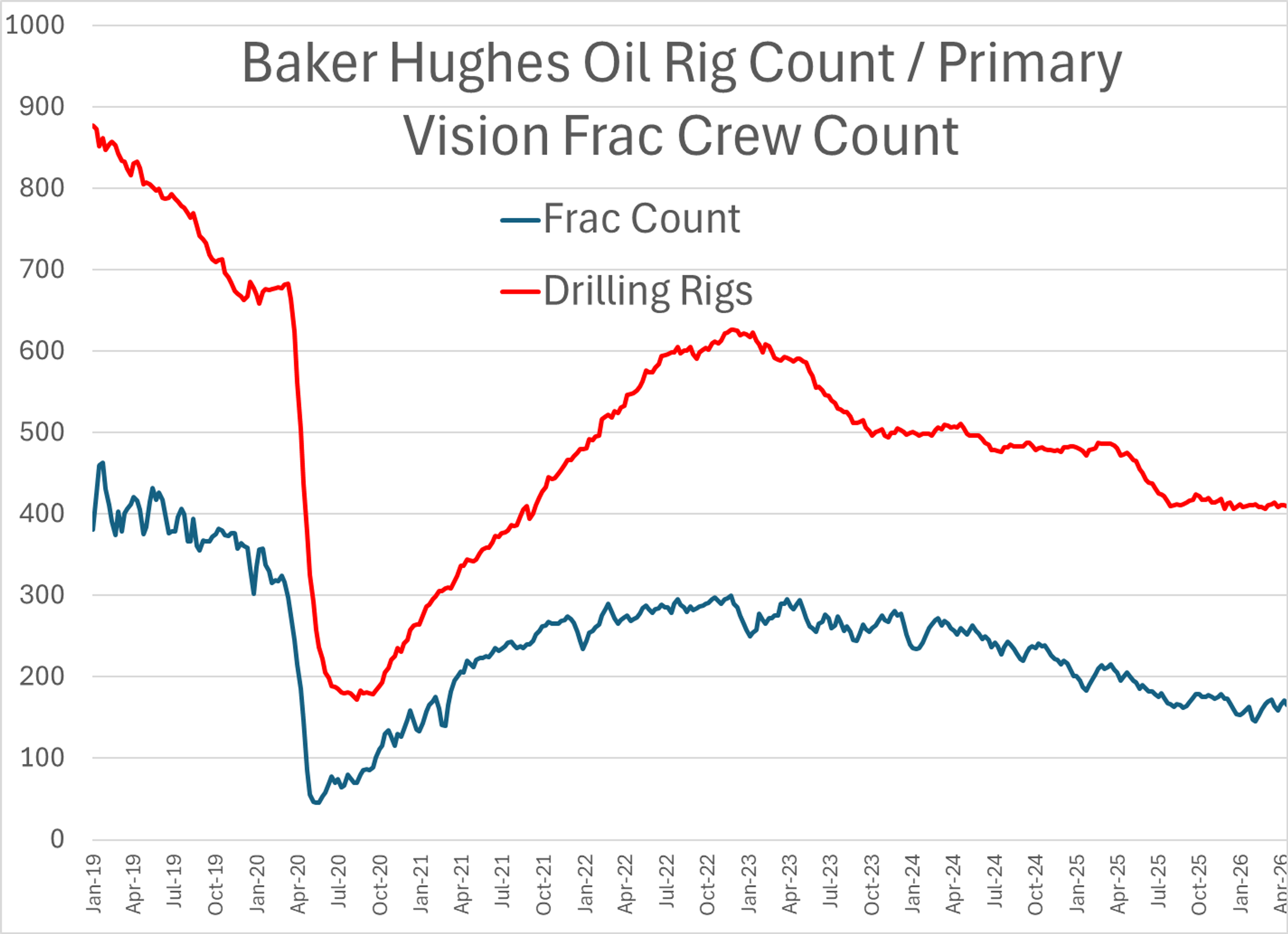
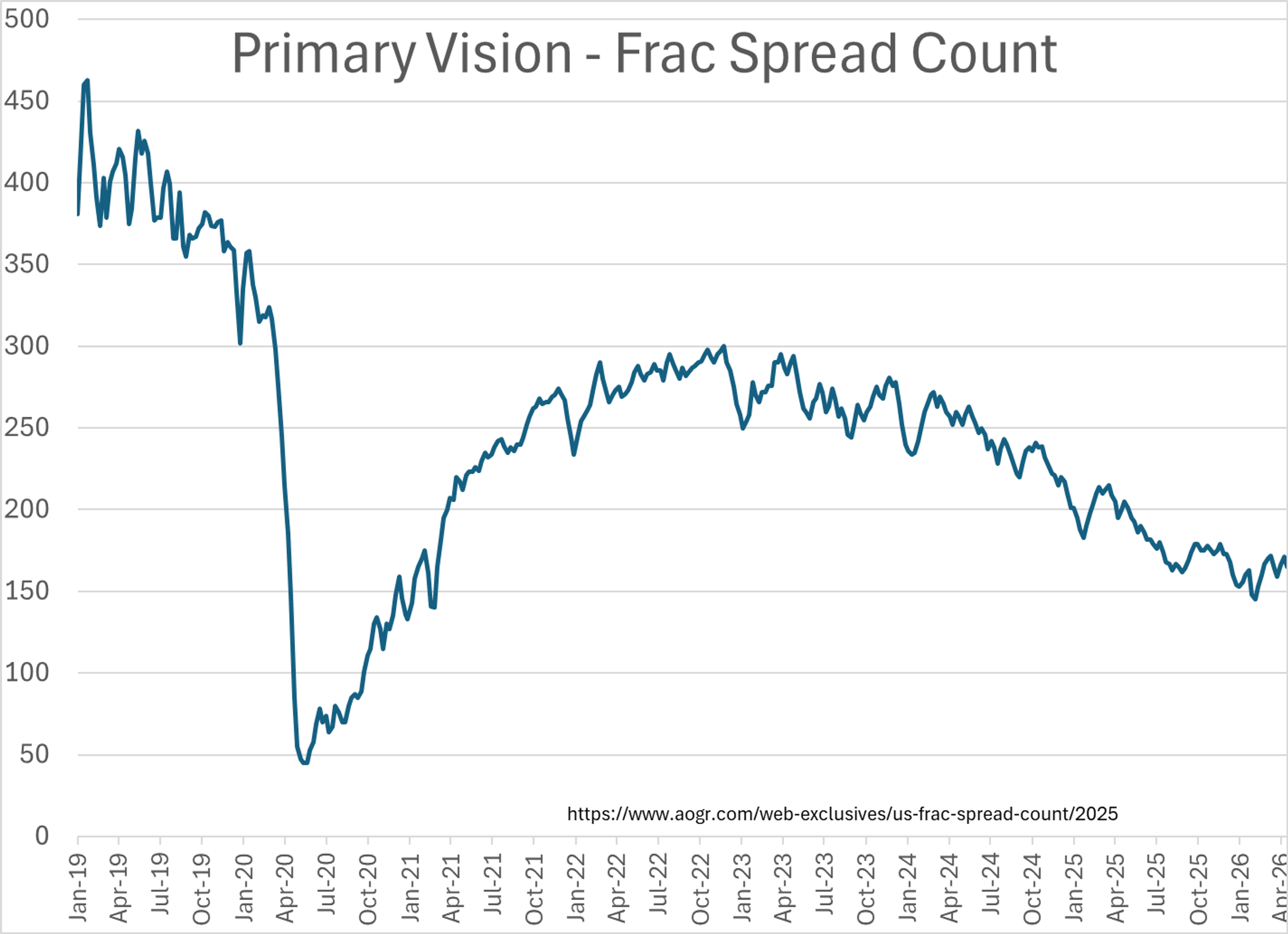
Baker Hughes reported a net decrease of 1 oil rig and 2 natural gas rigs drilling in the U.S. last week. The Primary Vision count of active fracking crews dropped by 6 on the week to a total of 165.
There’s never a good time for a refinery upset, but right now is particularly painful given the supply shock globally and huge margin potential for many plants.
BP’s 250mb/day Cherry Point WA refinery had an apparent explosion over the weekend that injured 3 workers according to local media reports.
Chevron reported a leak and fire in a reformer unit at its 125mb/day Pasadena refinery over the weekend according to a filing with the TCEQ. That unit was reportedly closed following the incident.
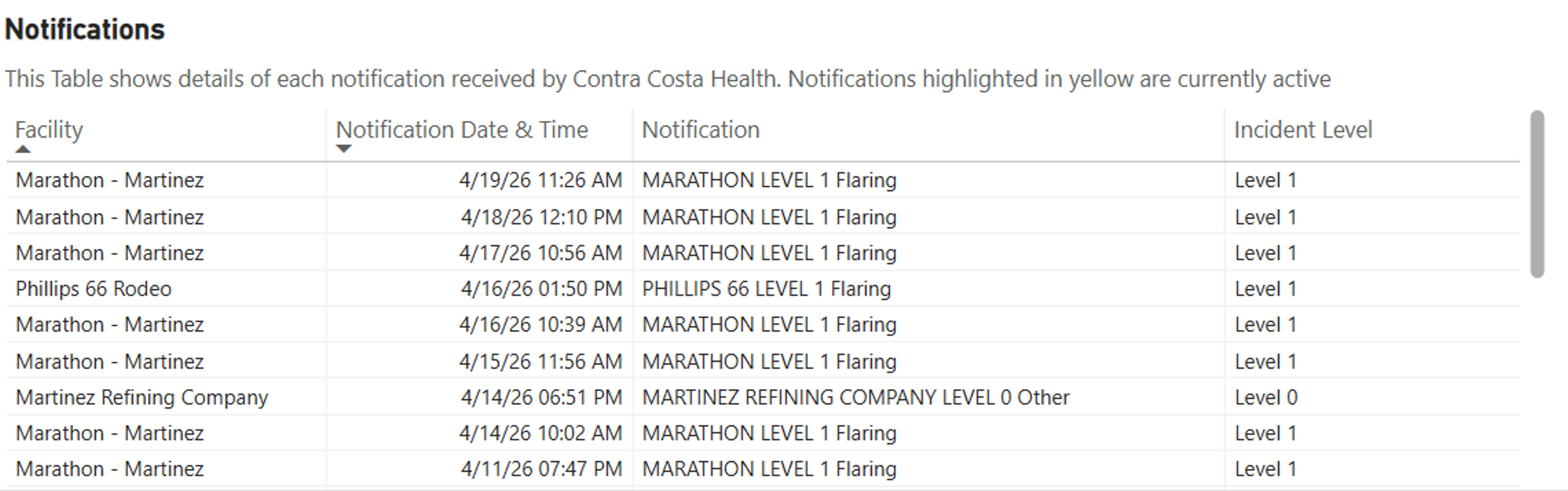
Marathon’s 48mb/day Martinez RD refinery has reported 6 level 1 flaring incidents to Contra Costa Health officials in the past week. It’s not clear from the filings what’s causing the continued flaring, but that facility was undergoing maintenance earlier in the year.
Latest Posts
Bullish Diesel Fundamentals Overshadow Weakness In Gasoline Markets
Week 41 - US DOE Inventory Recap
Energy Markets Juggle Supply Risks, Inflation Pressures, And Geopolitical Conflict
Crude Climbs For A Fifth Day While Global Fuel Supplies Remain Under Pressure
Refining Margins, Tanker Attacks, And OPEC Growth Shape Energy Outlook
Oil Rises As Political Chaos And Supply Risks Shake Markets
Social Media
News & Views
View All
Bullish Diesel Fundamentals Overshadow Weakness In Gasoline Markets
Week 41 - US DOE Inventory Recap