Energy Volatility Returns As Supply Risks And Demand Weakness Collide

It’s another choppy start for energy markets caught in a battle between optimistic headlines for peace agreements, and a stubborn reality that suggests things are not getting better in the Middle East.
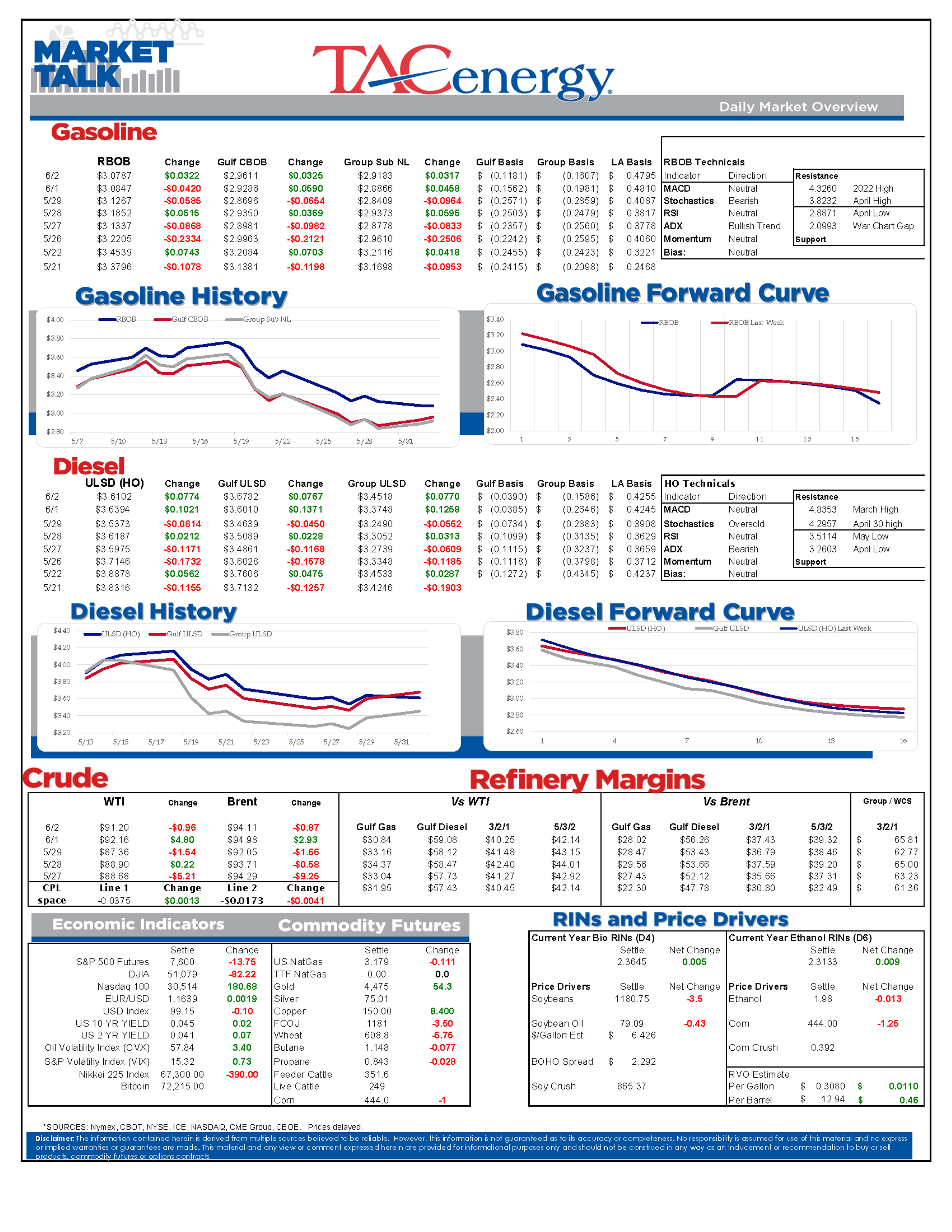
Prices pulled back from strong gains Monday after the U.S. president insisted that peace negotiations with Iran were ongoing despite reports that Iran was ending negotiations due to Israel’s advances in Lebanon.
Meanwhile 2 drones reportedly attacked a cargo vessel off the Iraqi coastline Monday, adding to a string of recent attacks that contradict claims of progress by negotiators. There are also reports that Iran’s President submitted his resignation, adding to the confusion over who – if anyone – has control of the country and can truly negotiate a deal that will stick.
Part of the reason for the big drop in oil prices during May was that China slowed its imports to the lowest levels in more than a decade, choosing to use up some of the massive stockpile it accumulated last year when prices were low. New reports today say the country is also allowing some refiners to cut run rates despite earlier bans on run cuts, as slowing domestic demand is causing some facilities to lose money, even while refiners in some other parts of the world (namely the U.S.) are seeing profits hold near record levels.
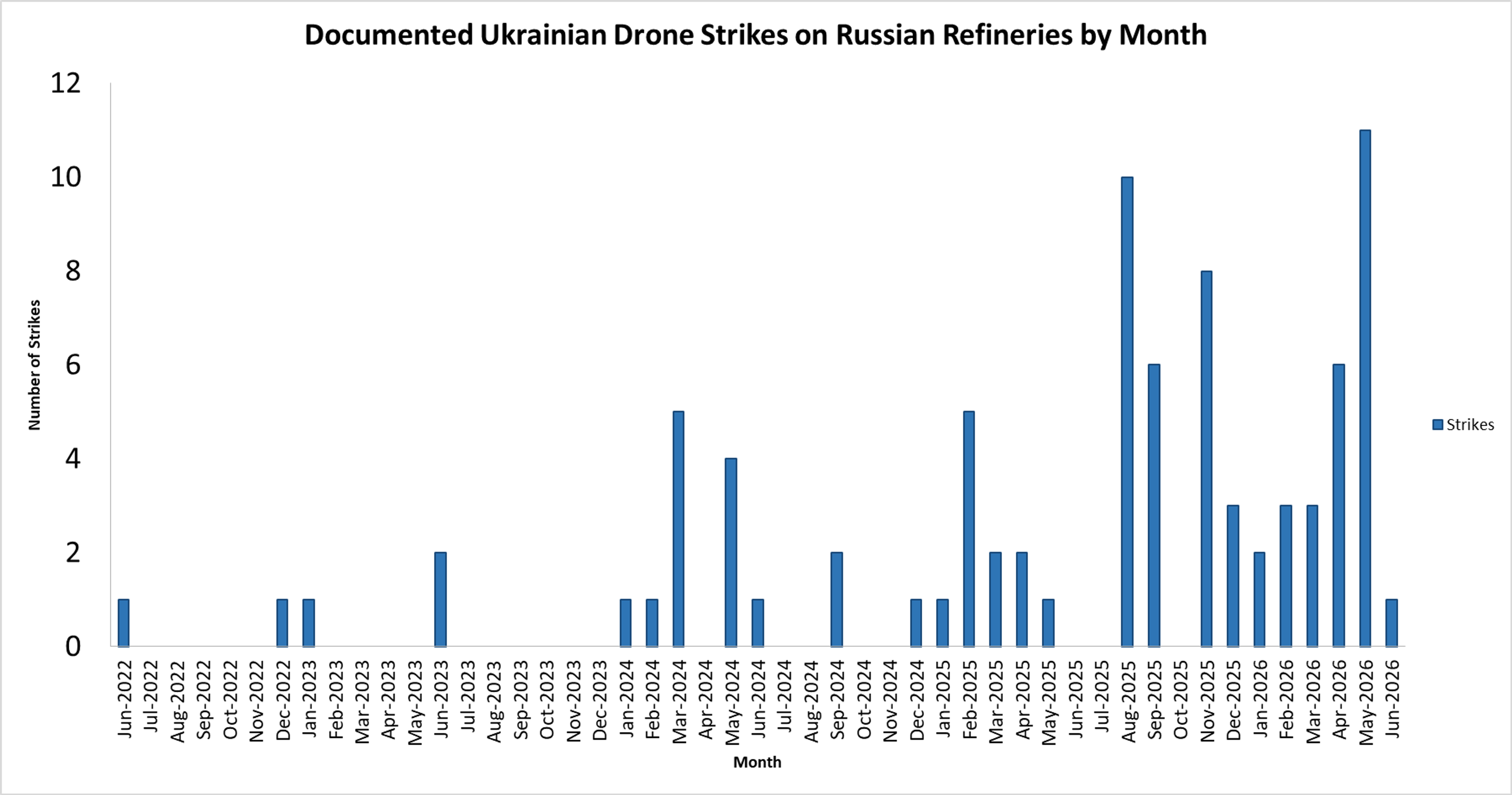
While Russia launched a major attack on Ukrainian cities overnight, Ukraine continued the record-setting pace of attacks on Russian energy infrastructure with another refinery hit by a drone attack overnight. While the total impact of these strikes is unclear, estimates suggest that a 3rd of the country’s facilities are now running below target levels due to the attacks, and the new ban on jet fuel exports highlights the domestic concerns of supply shortages.
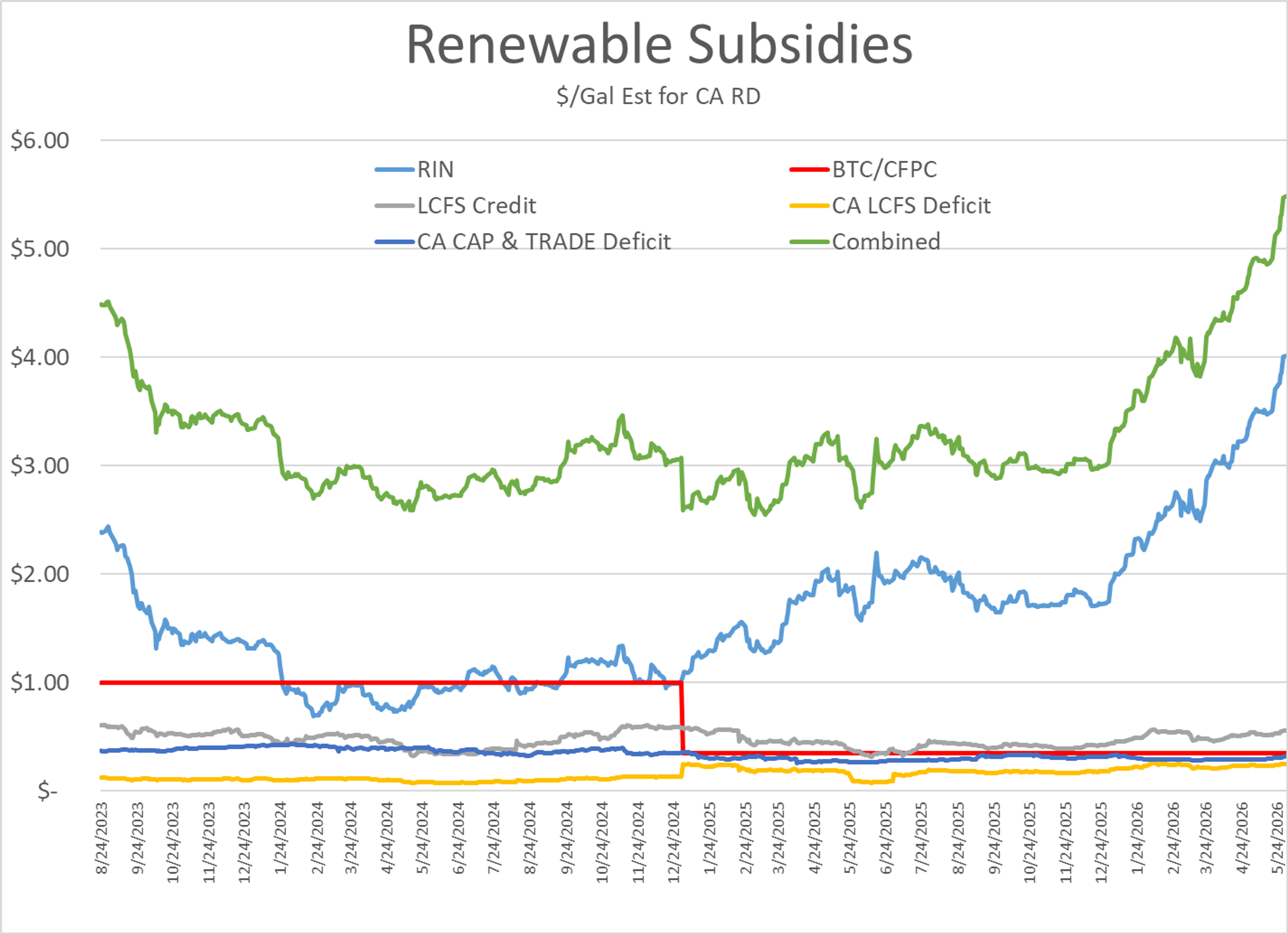
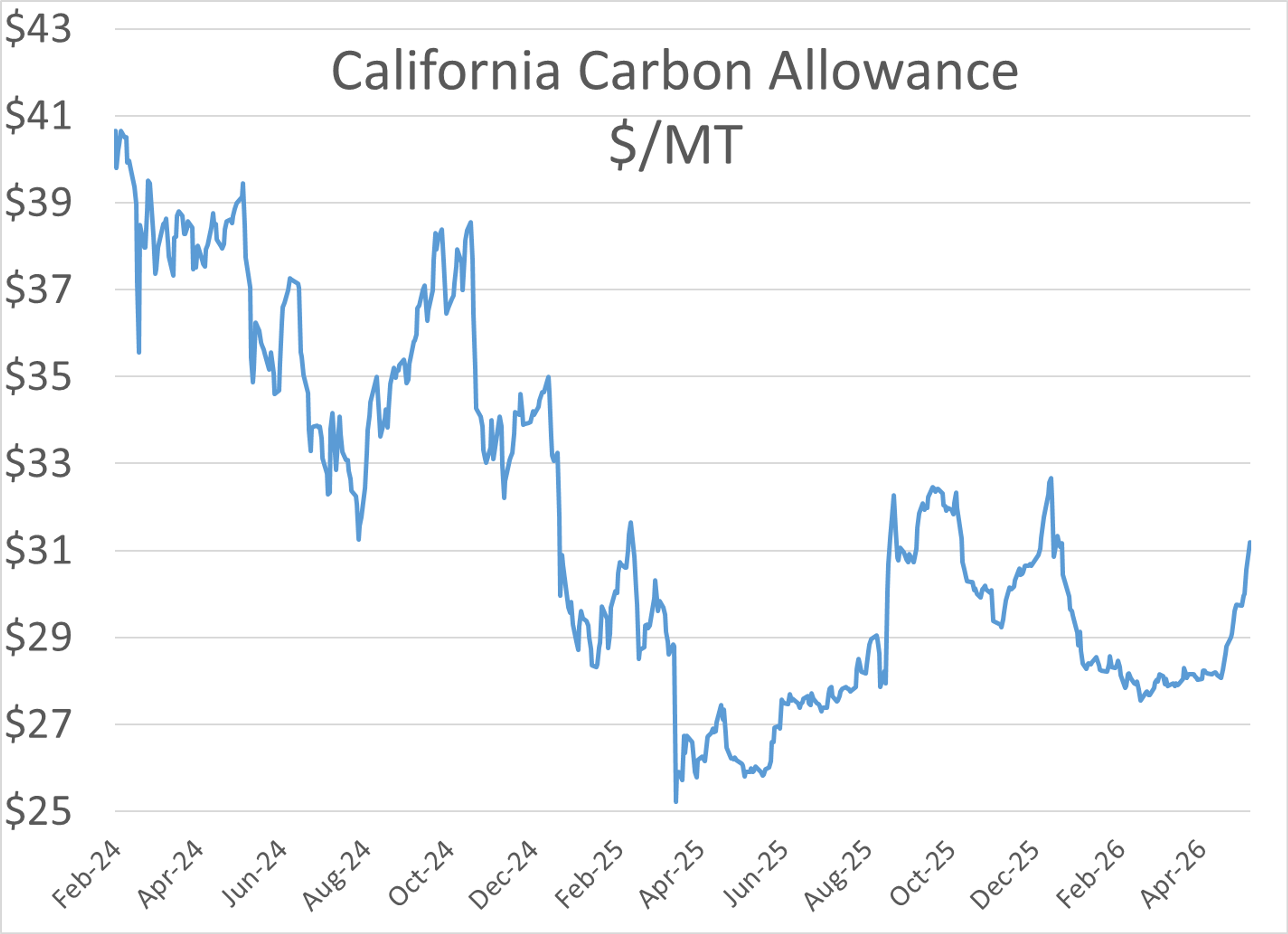
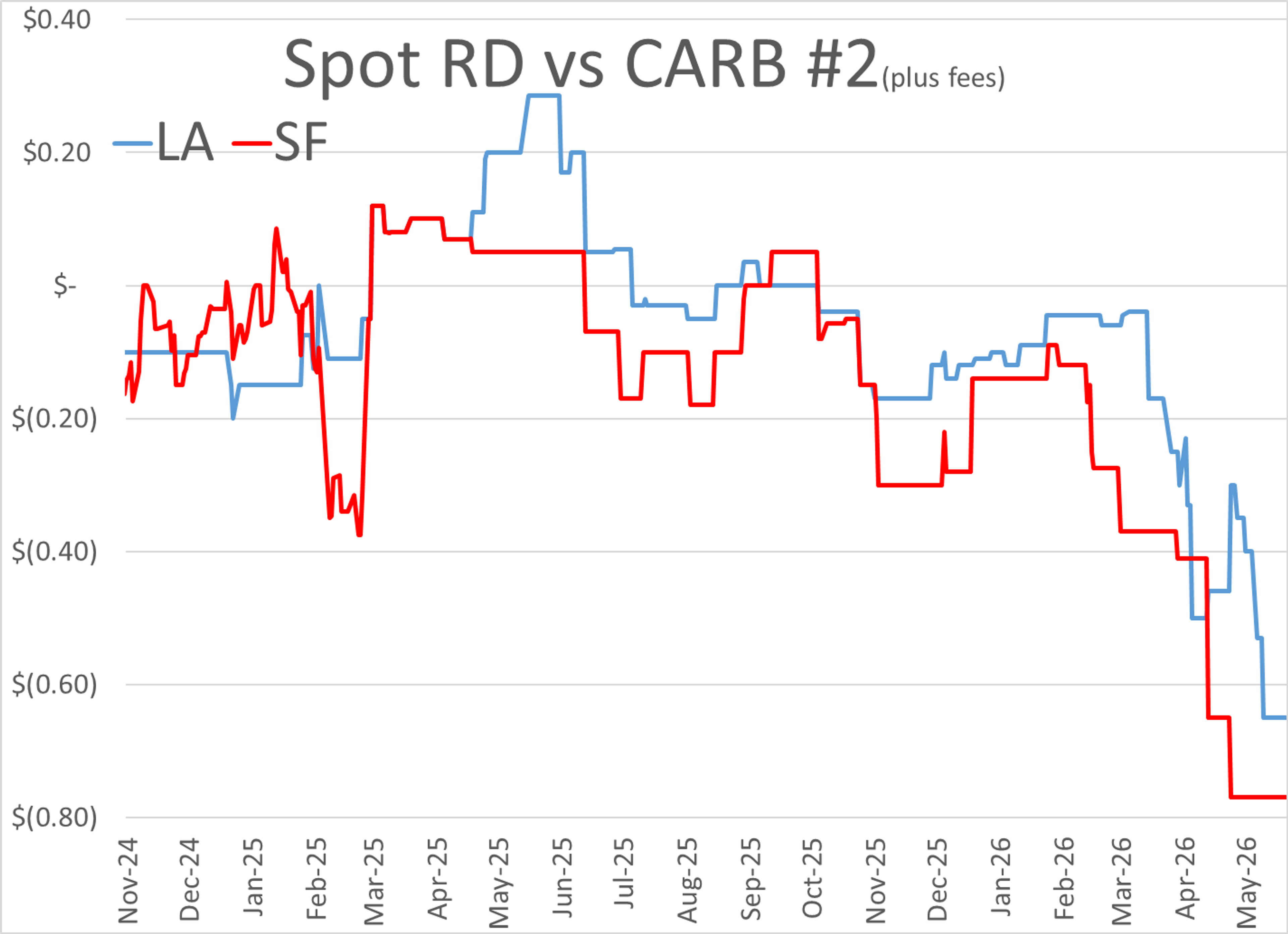
While most of the world is focused on shortages of fuel supply, California is struggling with a glut of Renewable Diesel flooding the market as the spike in RIN, CCA and Diesel prices all combine to create a record-setting margin environment for domestic producers, some of which have shifted away from SAF output since renewable jet fuel lost its extra incentive vs RD in the latest updates to the CFPC (45-Z) this year. While basis differentials for traditional diesel grades across California still command lofty premiums to futures of 40 cents or more per gallon, RD is being offered for discounts of 70-80 cents/gallon to its ULSD cousins plus their fees. The challenge is that even with domestic producers maximizing their output, the country is still on pace to fall short of the RVO target for the year, meaning we’ll need imported supplies to ramp up again, which will only add to the RD supply overhang, and push producers to find new markets beyond California to keep things moving.
Latest Posts
Week 41 - US DOE Inventory Recap
Energy Markets Juggle Supply Risks, Inflation Pressures, And Geopolitical Conflict
Crude Climbs For A Fifth Day While Global Fuel Supplies Remain Under Pressure
Refining Margins, Tanker Attacks, And OPEC Growth Shape Energy Outlook
Oil Rises As Political Chaos And Supply Risks Shake Markets
Volatility Returns As Traders Weigh Storm Risk And Global Supply Threats
Social Media
News & Views
View All
Week 41 - US DOE Inventory Recap
Energy Markets Juggle Supply Risks, Inflation Pressures, And Geopolitical Conflict