From War to Truce: Energy Markets Reprice And Oil Finds New Lows

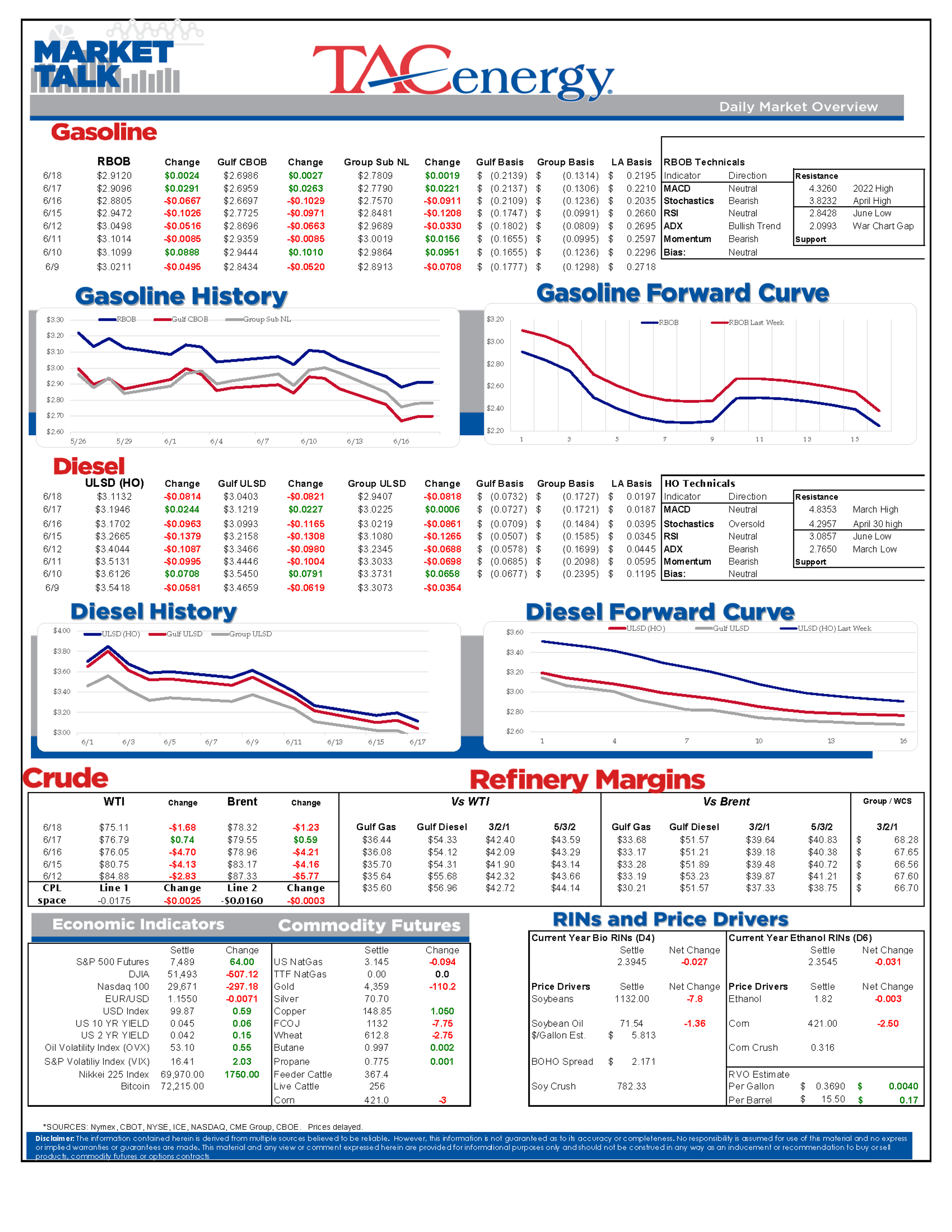
Energy markets touched fresh 3 month lows overnight after the U.S. & Iranian presidents Docu-signed a memo designed to end the war. Even though the document is only a temporary truce, and has more holes in it than a Las Vegas goaltender, the removal of the U.S. Naval blockade and sanctions is enough for now to take most of the risk premium out of the futures market.
So, how low can we go? WTI is nearing its next bit of chart support at the 200 day Moving Average just below the $74 mark (today’s low so far was $74.13) which could make for a natural stopping point as traders consolidate positions (and the recent influx of speculative shorts may take profits) but if that support doesn’t hold we look destined to make an attempt at the war’s chart gap that comes in around $67 a barrel.
Since last Thursday’s high trade, ULSD futures have dropped more than 60 cents/gallon, but they still have about 20 cents to drop until reaching their 200 day Moving average, and there’s little on the chart to slow down the selloff at this point after the March 10th low acted as only a speed bump in the great price unwind. RBOB gasoline doesn’t look quite as bearish on the charts, still holding above the 3 month low it set on Tuesday.
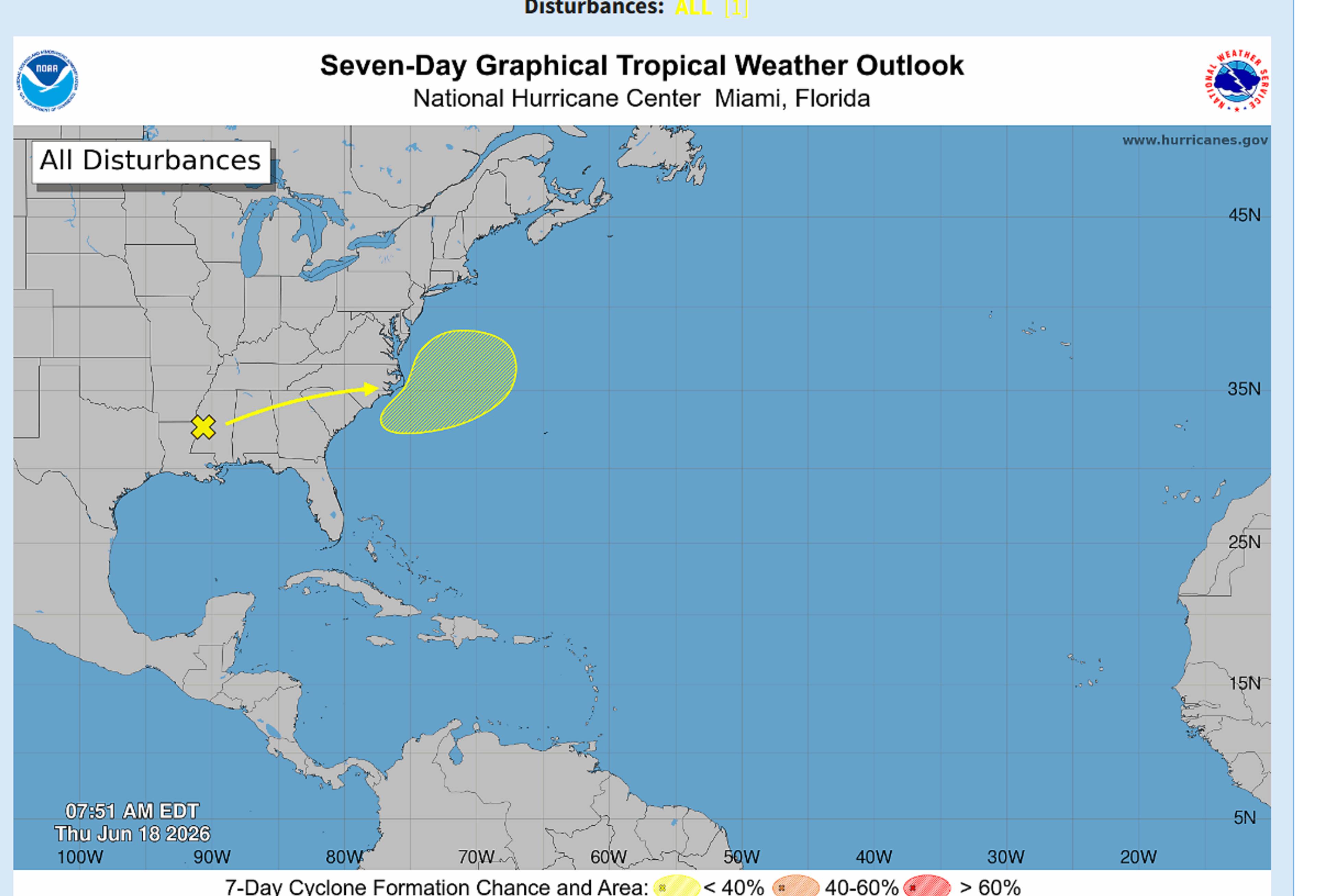
Gulf Coast refiners seem to have dodged their first major weather bullet of the year as Tropical Storm Arthur passed through the region without any major upsets reported so far despite widespread flooding reports and localized power outages. The storm is no longer named, but will dump heavy rains across the Southeast over the next 24-48 hours.
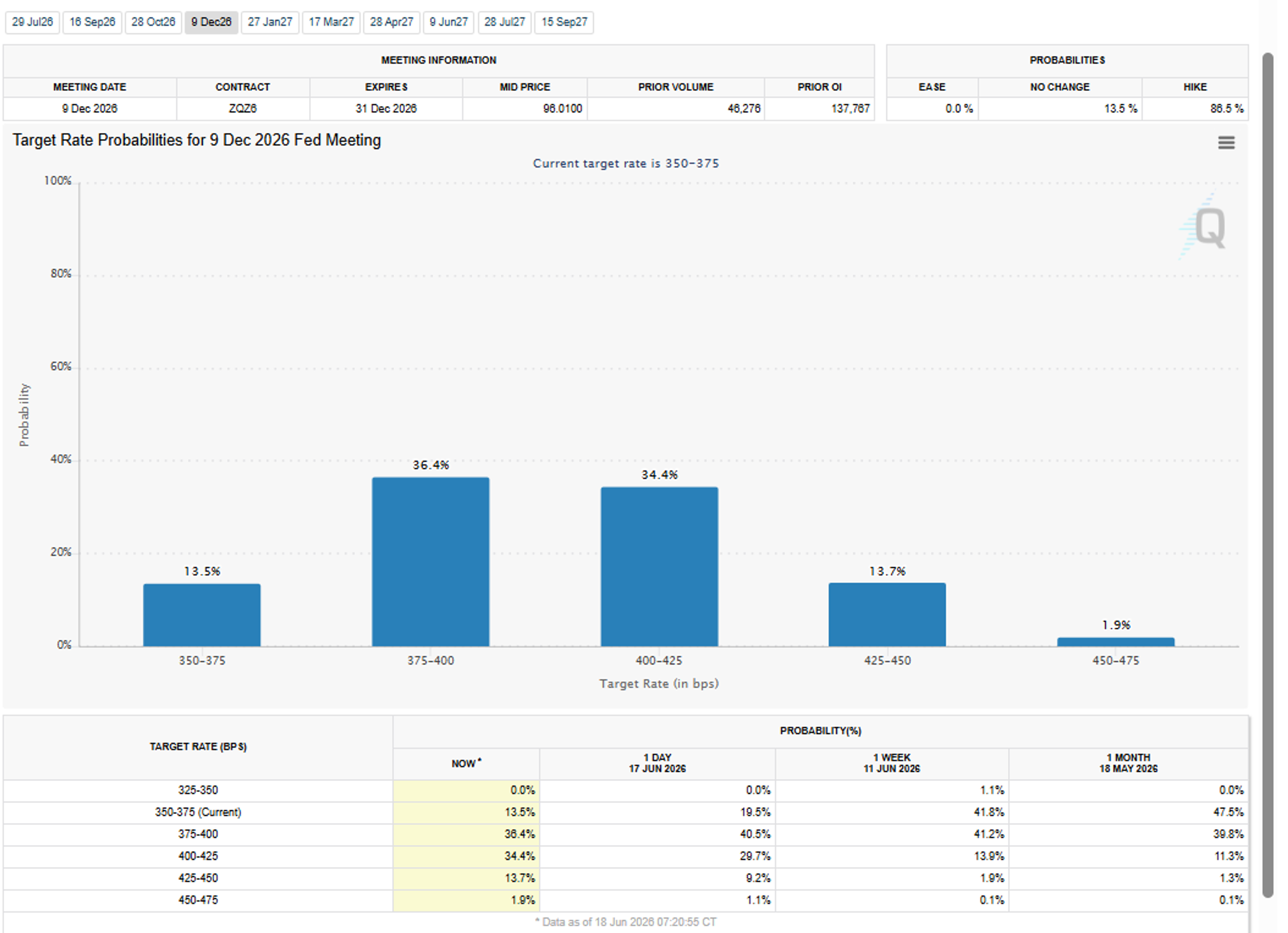
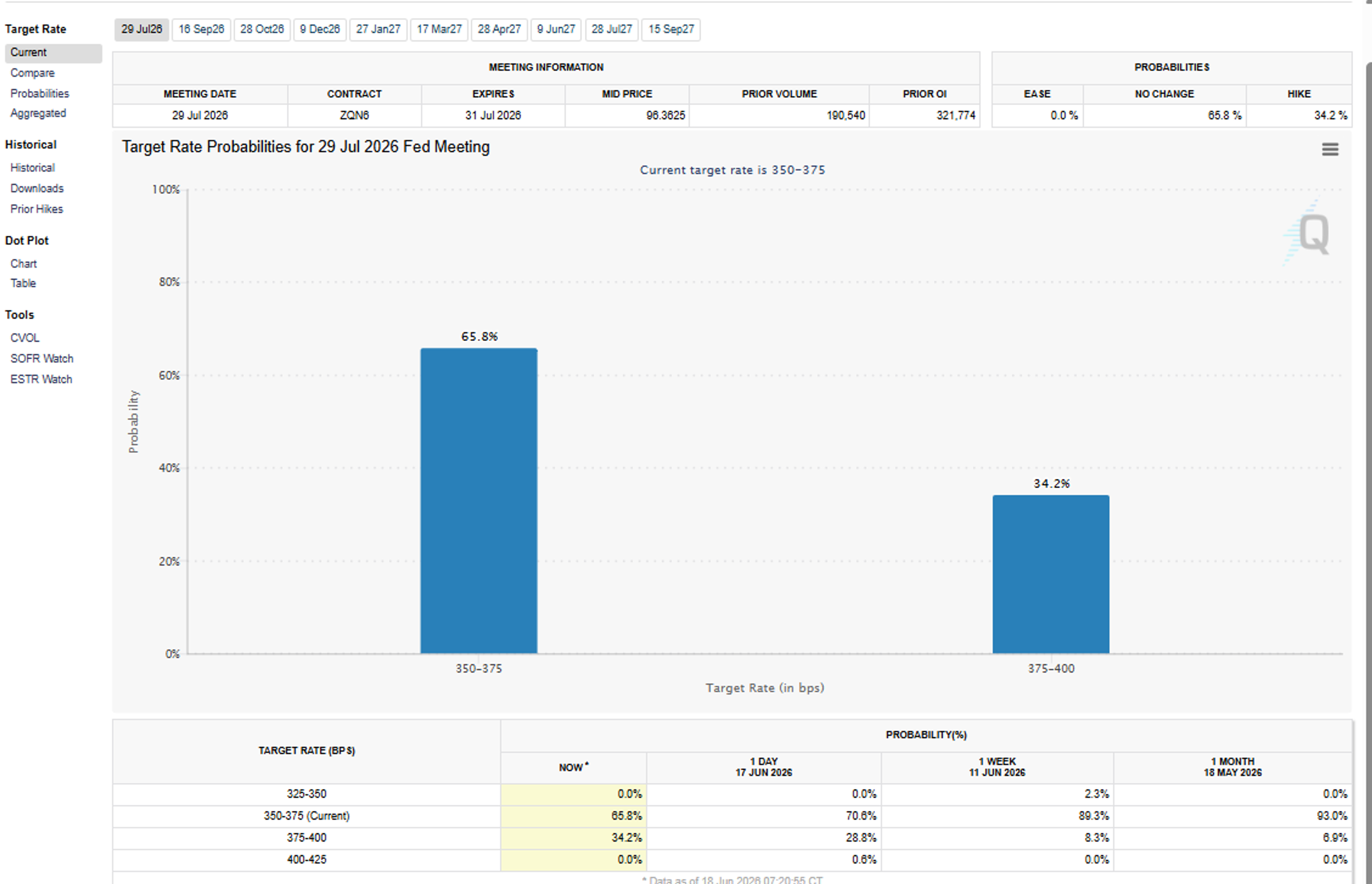
Equity markets didn’t seem to care for the new Fed Chair’s hawkish tone on interest rates with a big selloff following the latest policy update Wednesday afternoon. The CME Fedwatch tool shows 34% odds of a rate hike at the July meeting following that announcement, compared to just 8% odds a week ago. By December the market is now pricing in an 87% chance of at least 1 rate hike, and 50% odds of a 50 point increase, compared to just 14% a week ago.
Ukraine’s recent advances in the war, including their increasingly accurate strikes on energy infrastructure, are leading some to believe that a deal is more likely to bring an end to the war, while others caution that Putin’s track record suggests he is more likely to try and escalate and draw more countries into the fighting. IF a deal is made to end the war, and sanctions are thereby lifted on both Russian and Iranian exports, the stage really would be set for a big oil supply overhang sometime next year once producers have had a chance to make repairs to damaged and shut in facilities.
Human analysis of the EIA’s weekly report below, see charts and AI analysis attached.
Commercial crude stocks fell to the bottom of the 5-year range with imports dropping to a seasonal low not seen since 1988. The SPR drew down to a 43 year low leaving total U.S. crude at levels we haven’t seen since the early 80s. Production ticked up over 13.8 million barrels per day, but exports held at the high end of the 5-year range despite another large decline.
Refinery runs moved to a 2026 high with rates picking up across all 5 PADDs. Utilization also hit a high for the year with a small capacity change reported in PADD 3 and Valero Benicia’s closure now showing in PADD 5’s chart. All PADDs except 5 are running well above average with PADD 2’s 114 kbd increase setting an all-time high for the region.
Diesel stocks increased a bit with a downturn in demand but are still at 26-year seasonal lows. Despite the decline on the week, production held at seasonal highs to keep up with the elevated export levels we’ve seen over the past couple months. PADD-level inventories remain at the bottom or under their 5-year ranges except for PADD 2, which is still almost 2 million barrels shy of average.
Gasoline stocks matched the move in diesel but in the opposite direction as demand picked back up. Production increased alongside demand, but lowered exports still sit at the high end of the chart. The inventory decline was driven entirely by PADD 3 sliding to a 9-year seasonal low (even with imports hitting a 2026 high) while all other regions posted builds. Total gas stocks are about 15 million barrels below their 5-year average.
After a 12-week run of historic highs for this time of year, jet fuel stocks dipped back into the 5-year range with demand shooting up to a fresh seasonal high. Exports held well above their 5-year range while production set back-to-back all-time highs.
Latest Posts
Week 37 - US DOE Inventory Recap
Oil Pulls Back After Rally While Distillates Extend Gains
Refinery Disruptions And Strait Closures Fuel Diesel Rally
Oil And Diesel Rally On Escalating Infrastructure Attacks
Energy Markets Pause After Historic Rally As Supply Risks Persist
$5 Diesel Now Feels Inevitable: ULSD Blasts Past March Highs, No Resistance in Sight
Social Media
News & Views
View All
Week 37 - US DOE Inventory Recap
Oil Pulls Back After Rally While Distillates Extend Gains