Chinese Stocks On Hopes It Will Stabilize Stock and Property Markets

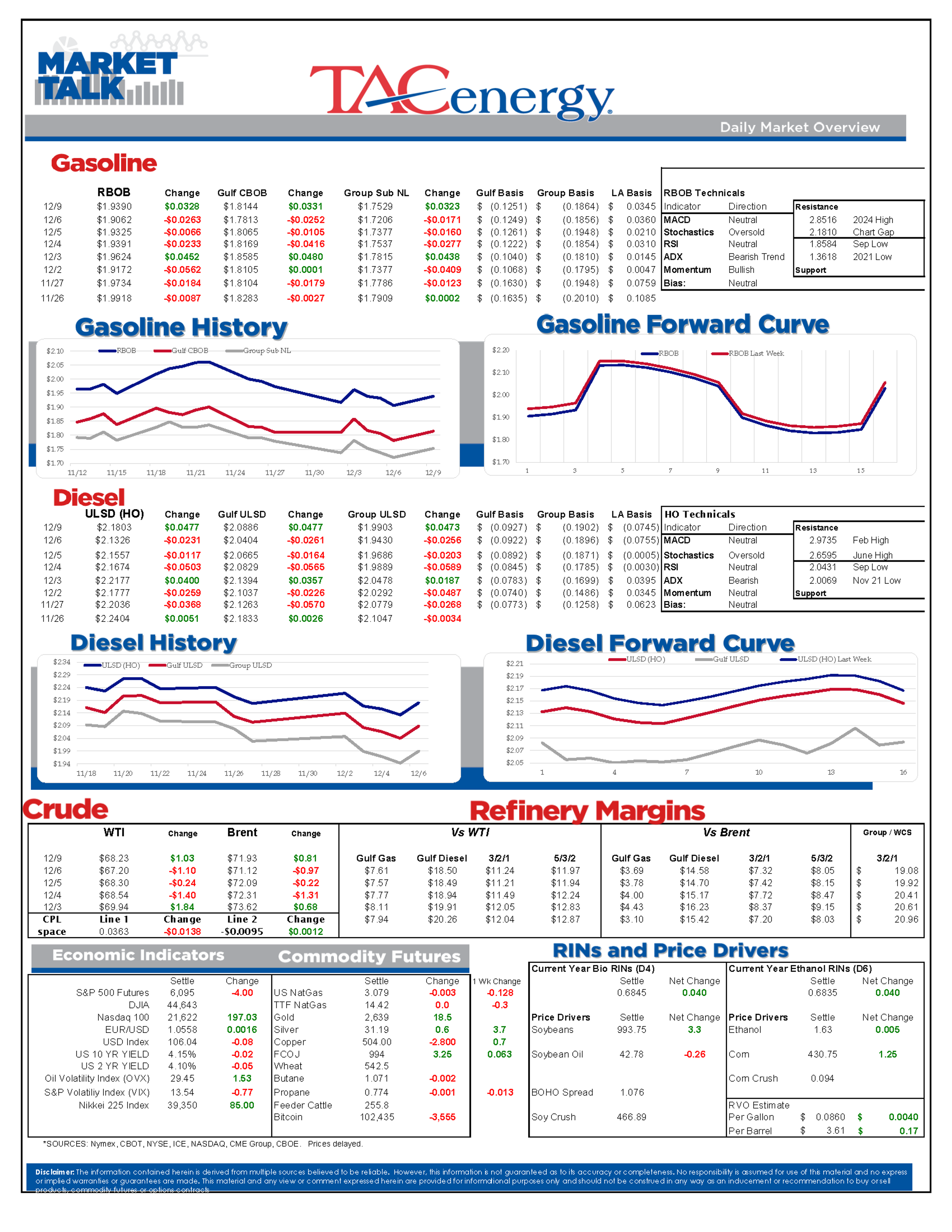
Energy prices are up 1.5-2% so far this morning following a busy weekend of headlines from overseas. Since the Middle East tensions are already top-of-mind, it’s the toppling of the Assad regime in Syria that is taking center stage this morning, presumably marking the end of a 13-year civil war.
China's Politburo has signaled a shift towards a more accommodative monetary policy to the country’s much-discussed economy. This move, reminiscent of actions taken during previous crises, has led to a rally in Chinese stocks on hopes it will stabilize stock and property markets.
While headlines surrounding the prospect of a stronger Chinese economy have yet to mention what that looks like for oil demand, both American and Europeans benchmarks are up nearly $1 per barrel so far this morning, despite news of the most recent fallout from OPEC+’s production policy. Saudi Arabia, de facto leader of the cartel, is lowering the prices on their Arab Light crude oil, further lending credence to the bearish stance of “we have too much oil”.
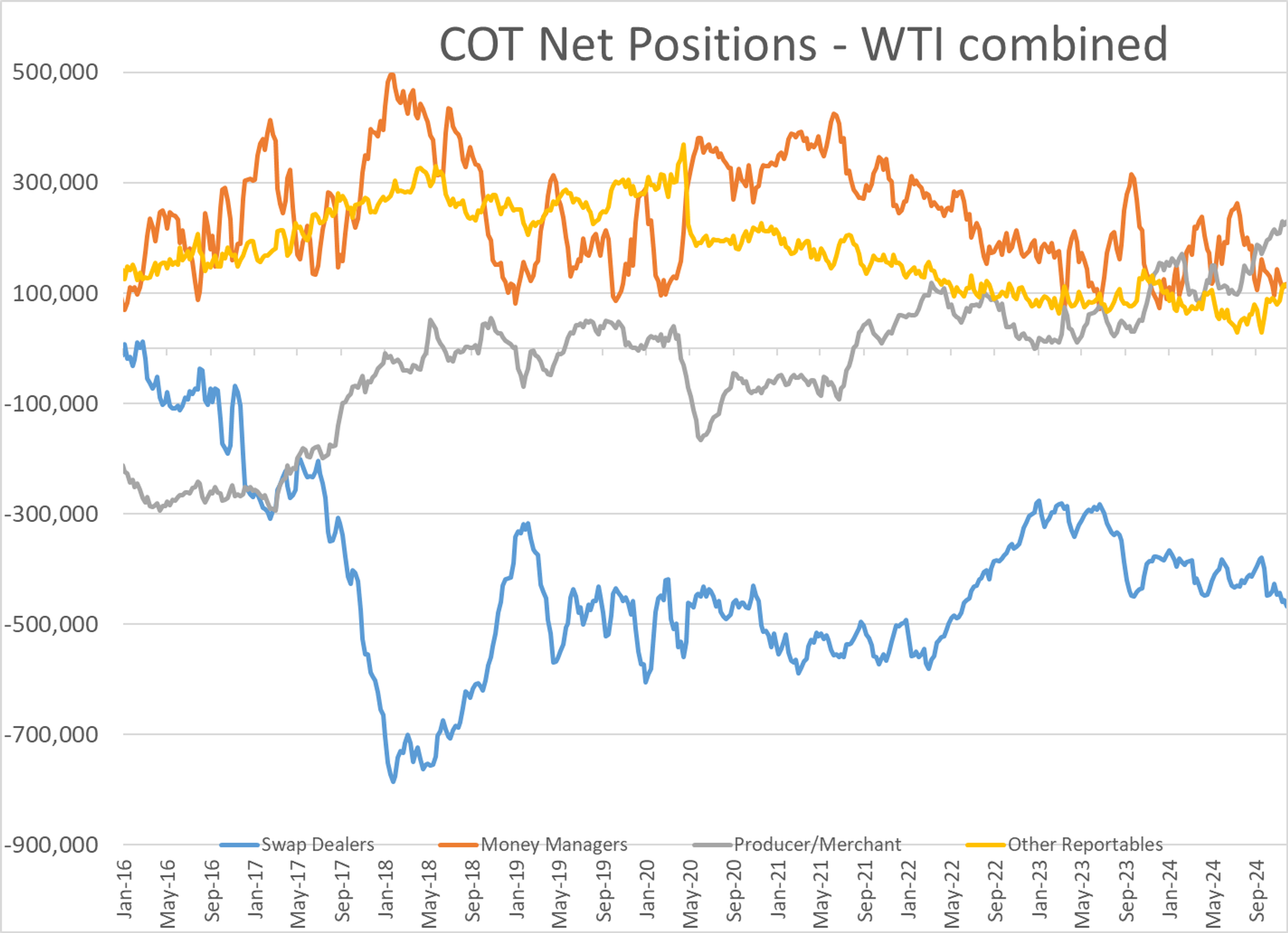
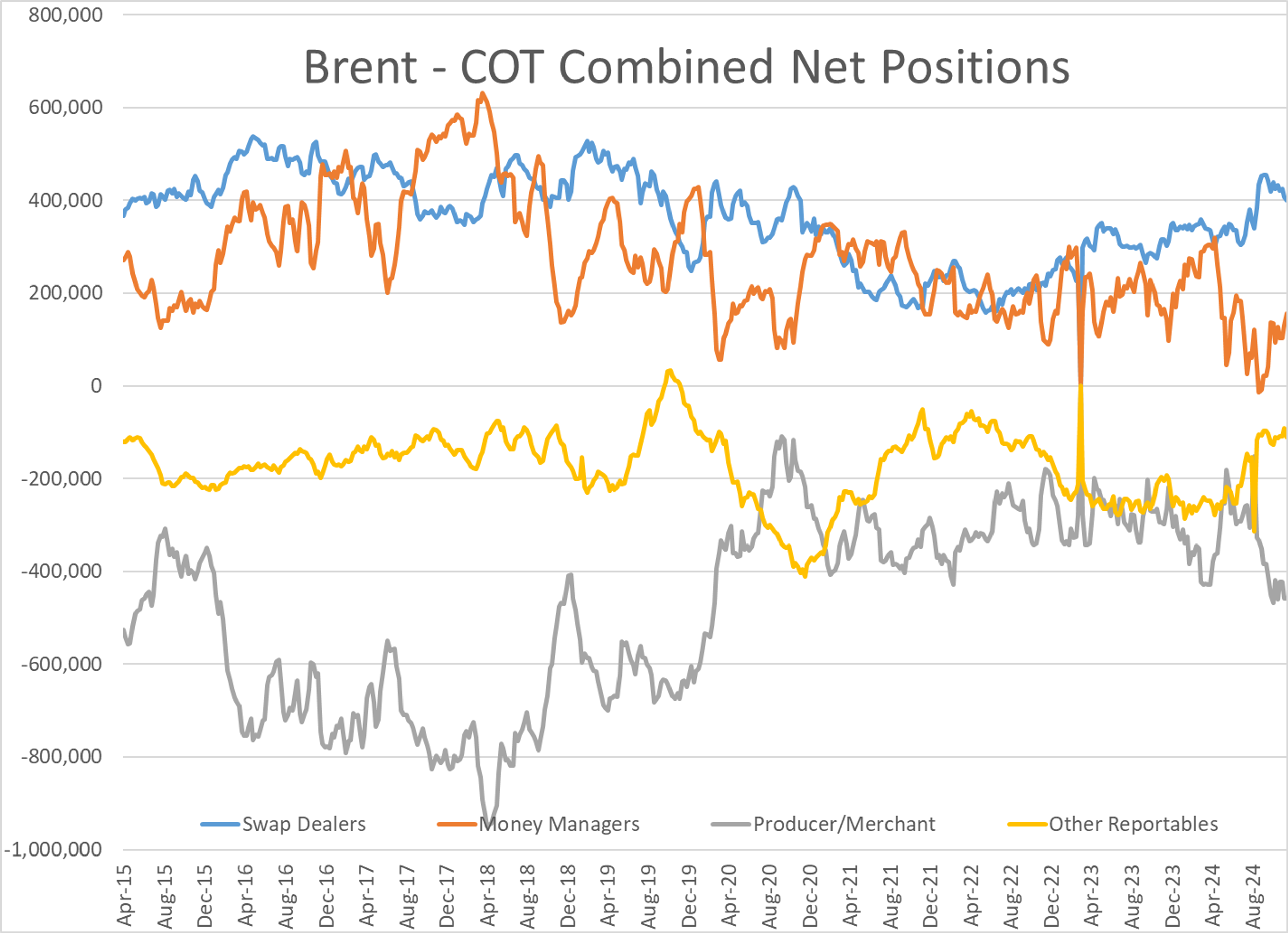
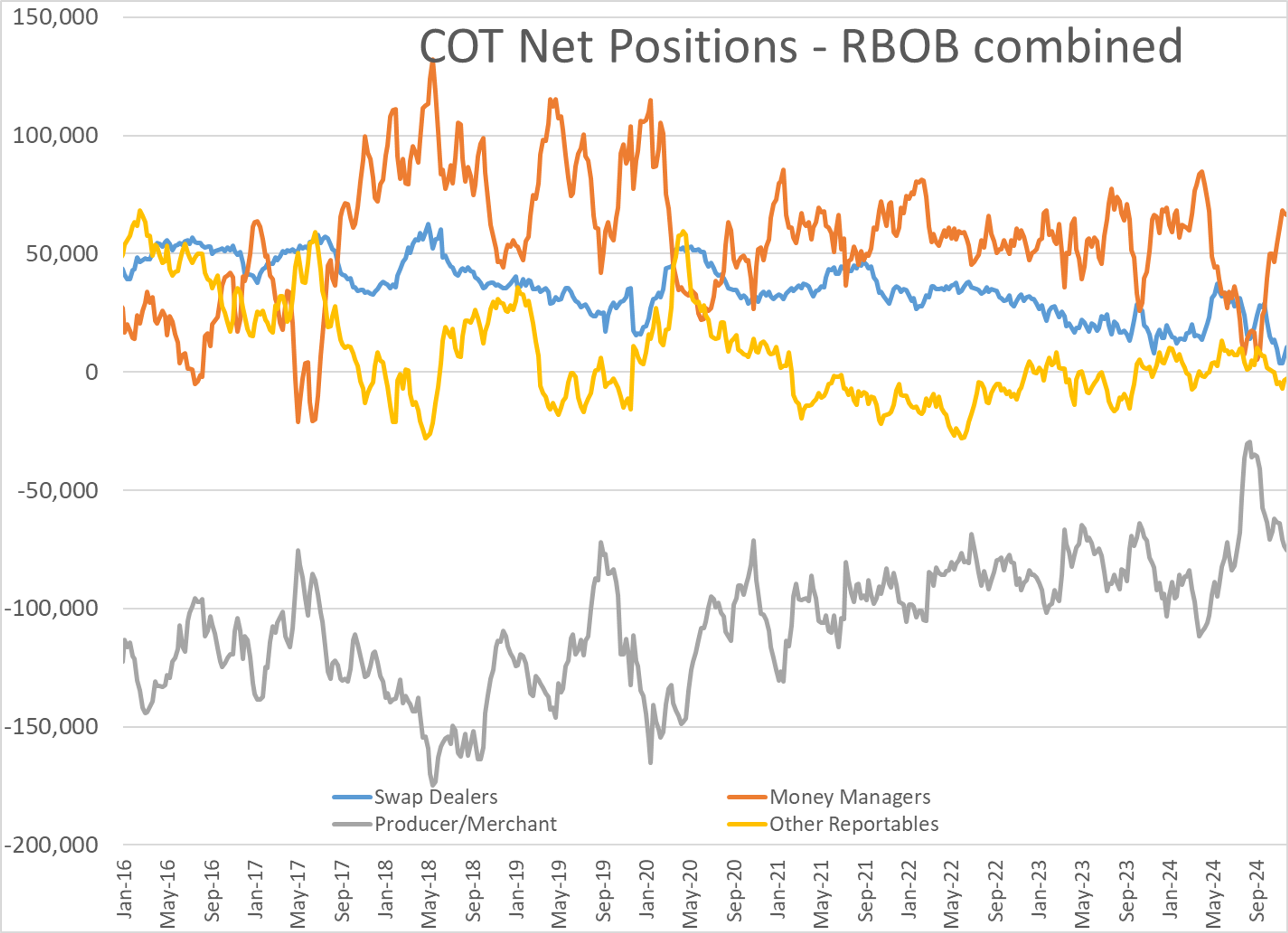
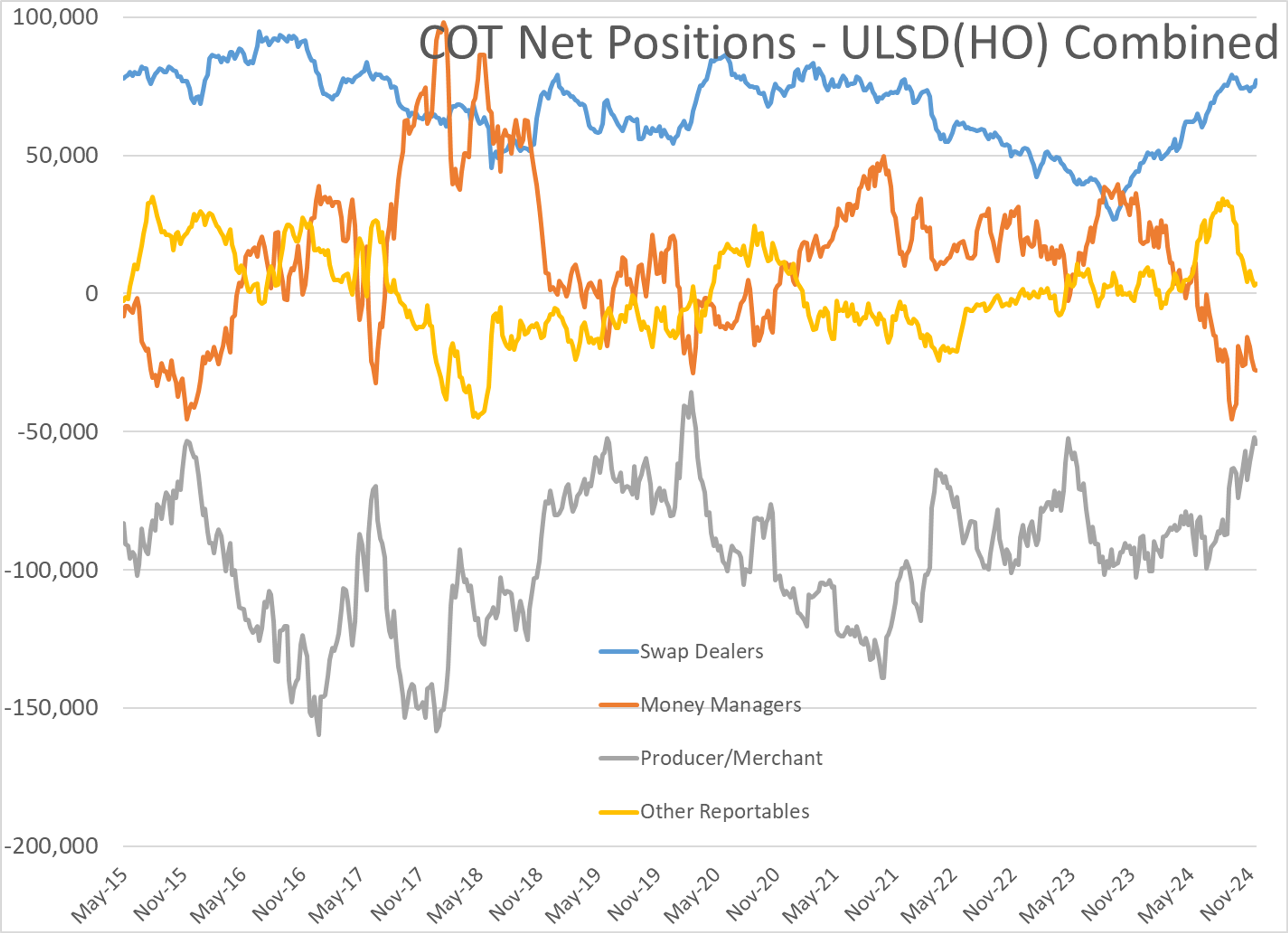
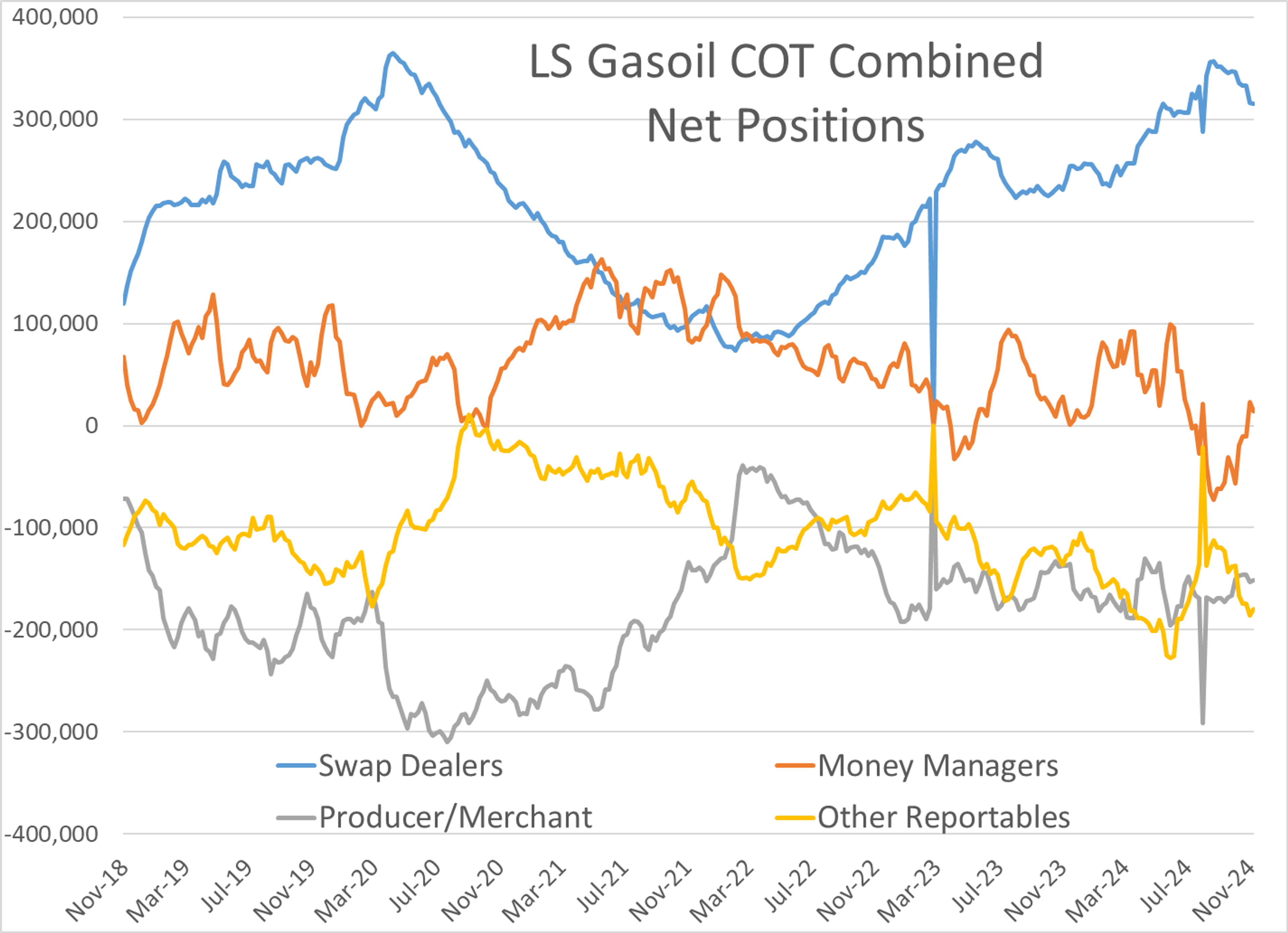
Both WIT and Brent crude oil futures saw some fresh bullish interest from money managers last week, according to the Commitment of Traders report issued by the CFTC. Refined products saw the reverse treatment, with the amount of short bets outpacing buy-side speculators for all three RBOB, HO, and LS Gasoil futures contracts.
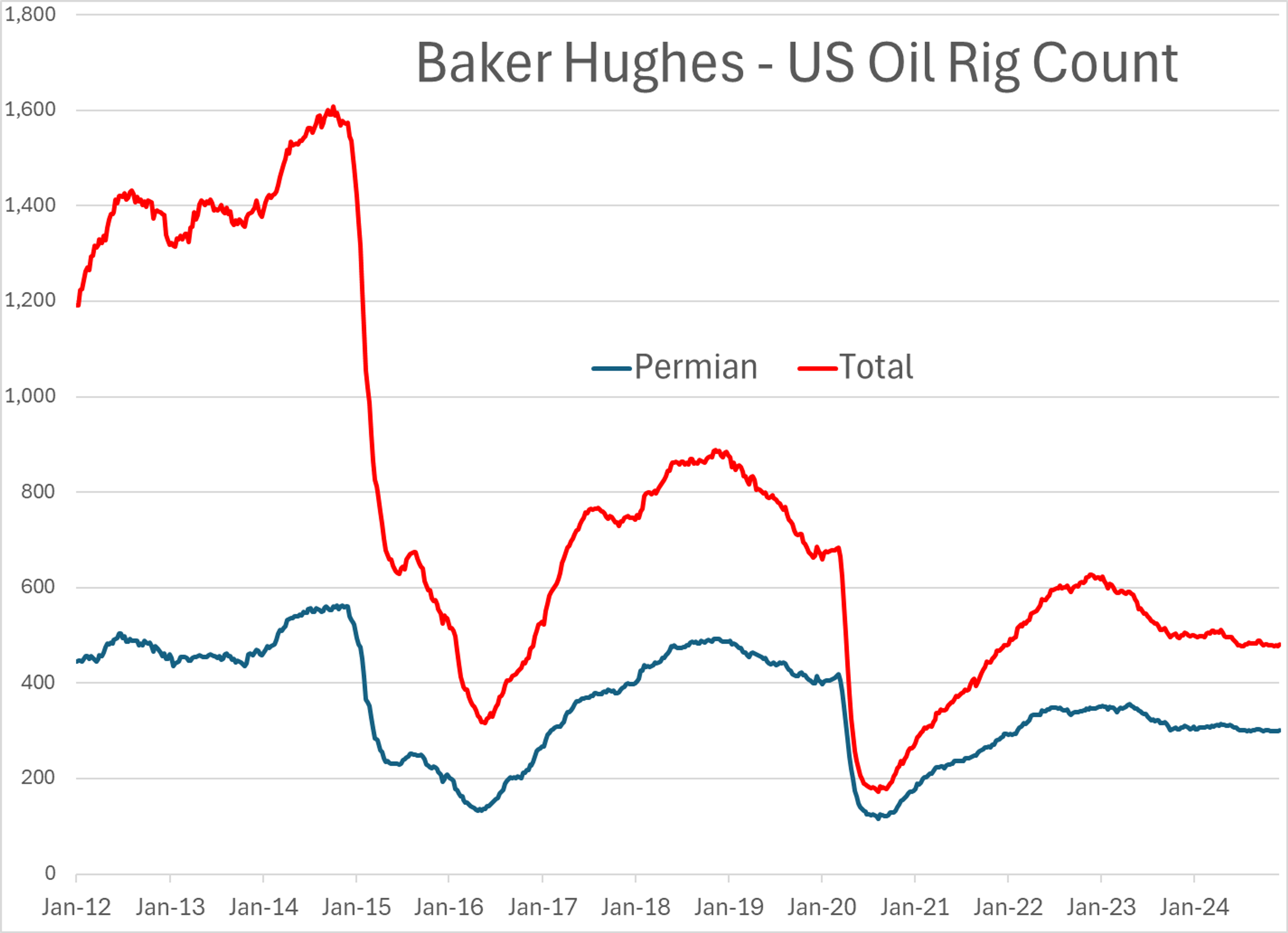
The total number of operating crude oil production platforms increased by 5 last week, as reported by Baker Hughes.

Latest Posts
Crude, Diesel, And Storm Risks: Key Drivers Behind Today's Rally
Refinery Outages, Storm Risks, And Export Constraints Lift Distillates
Week 40 - US DOE Inventory Recap
Diesel Leads Energy Markets Lower Despite Mounting Geopolitical Risks
Energy Markets Mixed As Diesel Rallies And Supply Concerns Persist
Supply Disruptions Persist As Markets Focus Elsewhere
Social Media
News & Views
View All
Crude, Diesel, And Storm Risks: Key Drivers Behind Today's Rally
Refinery Outages, Storm Risks, And Export Constraints Lift Distillates