Winter Storm Disrupts Energy Markets As Diesel Rallies And Refineries Struggle

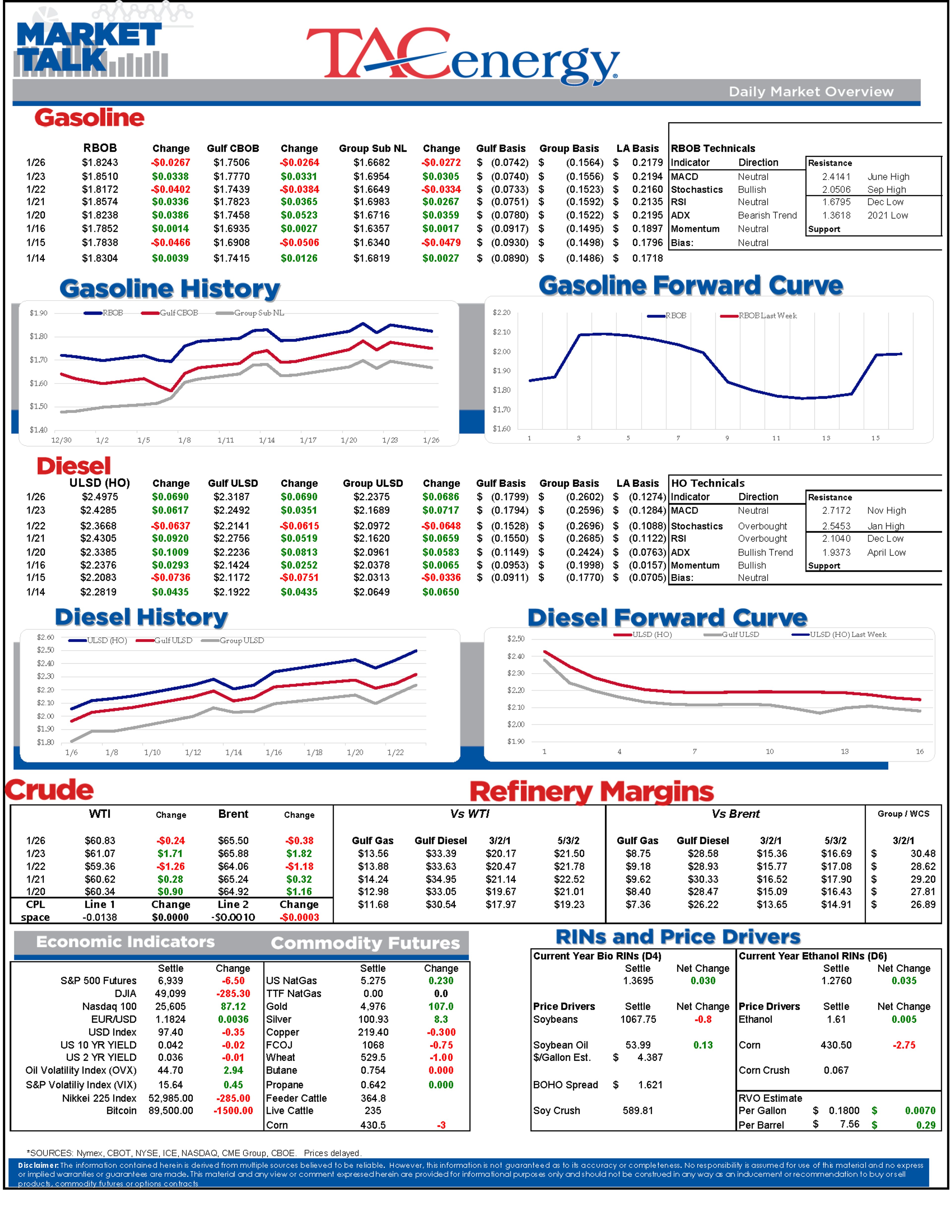
It’s a widely varied start for energy markets Monday as the largest winter storm to hit the country in 5 years moves offshore and millions wait for warmer temperatures to melt the ice before moving again. February ULSD futures were up a dime overnight but have since pulled back to “only” trade 7 cents higher on the day, while the March contract is moving 2 cents higher. RBOB prices are falling with February down $.0265 at the moment while March futures are down $.0240. WTI was hovering near break-even overnight but has since dropped around 30 cents/barrel.
While the million or so people in the U.S. who don’t have power today are certainly having a hard time, generally speaking it appears most regions have come through with relatively minor damage.
There were roughly 2 dozen reports of upsets at natural gas processing plants and compressor stations in Texas according to TCEQ filings over the weekend, but that pales in comparison to the more than 200 reported upsets during the first 5 days of the 2021 winter storm. U.S. natural gas futures are up another 11 percent this morning, and international markets are rallying on apparent expectations that LNG exports may be limited near term due to the upsets.
The department of energy told ERCOT to push non-essential customers to backup generators to preserve natural gas for the power grid. This will increase demand for diesel and be a good test for the industry to learn just how much demand the data centers can really swing. Similar emergency declarations are in place for New England and the Mid-Atlantic regions to mitigate blackouts.
There are multiple reports of refinery upsets, but they also seem to be limited so far. Reuters reports that Exxon was shutting units at its 588mb/day Baytown refinery due to the weather Sunday, just a few days after breaking ground on a reconfiguration project that marks a major long-term shift towards more base stock and diesel production and less gasoline output.
The 180mb/day Cenovus facility in Lima Ohio was reported by Energy News Today to be shutting most of its facility due to the cold.
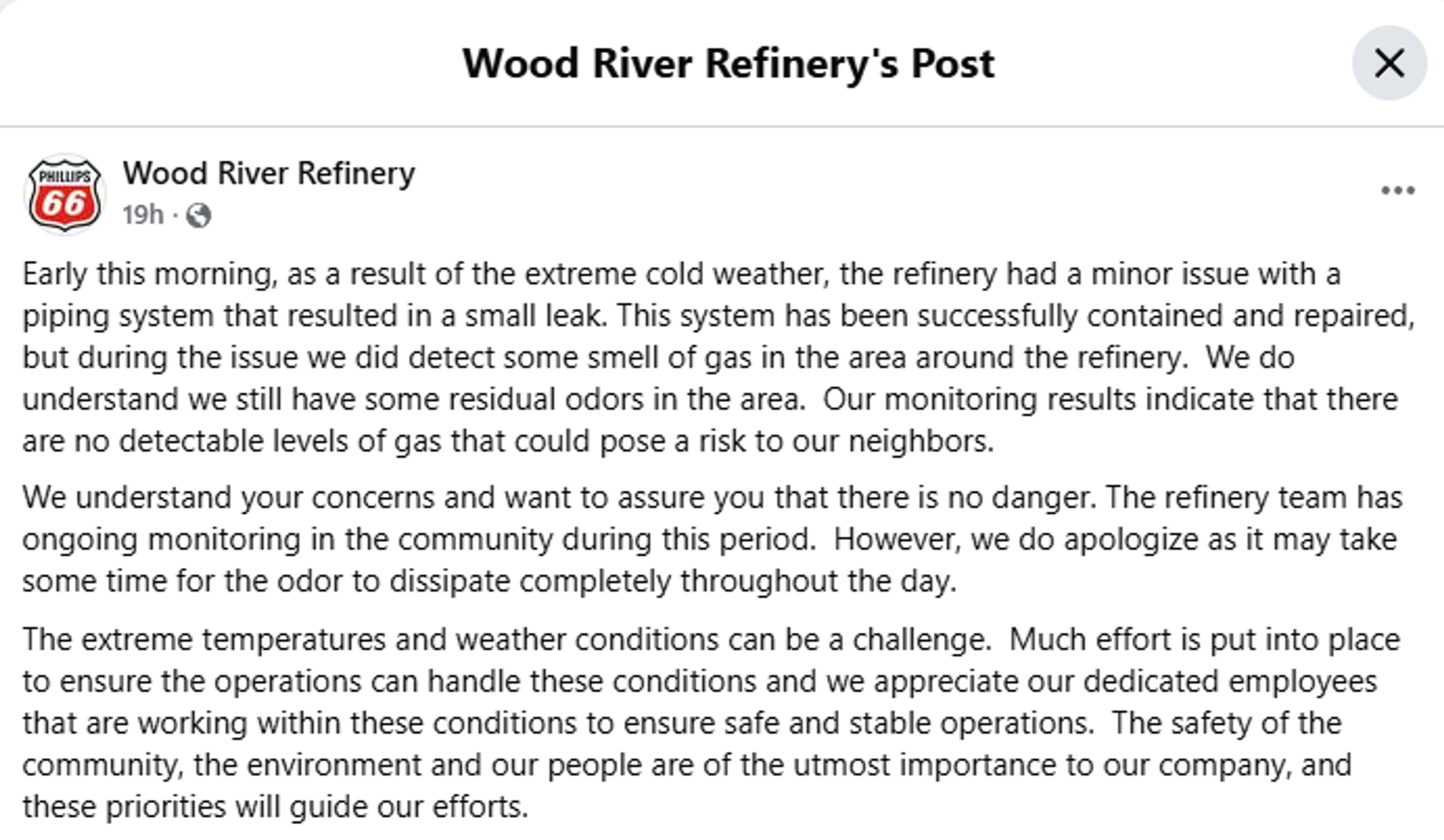
Phillips 66 reported unplanned flaring at its 360mb/day Wood River IL refinery Saturday night due to “unknown causes”. A Statement from the company Sunday said that there was a small leak caused by the extreme cold, which was contained and repaired, so operations continue.
Citgo reported a possible leak at its 183mb/day Lemont IL refinery Friday afternoon after witnesses saw a sheen in a neighboring waterway. So far there are not any follow up reports to know if the plant was forced to curb operating units while clean-up was underway.
Numerous terminals stretching from Texas to Maine shut down operations over the weekend but that was mostly due to dangerous road conditions rather than damage at the facilities or loss of power. We’ll find out more today if any aren’t able to come back online.
While the market has largely focused on domestic concerns, the Ukraine war continues to rage on with lingering consequences to the supply network. Thousands of people in Kyiv were left without power after Russian attacks, while Ukraine hit another Russian refinery over the weekend. Kazakhstan said it was set to restart its largest oilfield, but production seems to be limited by damage done to the CPC oil port in Russia that moves most of that supply to market, and the country has told OPEC it will “hold back” more than 600mb/day to offset overproducing in prior years.
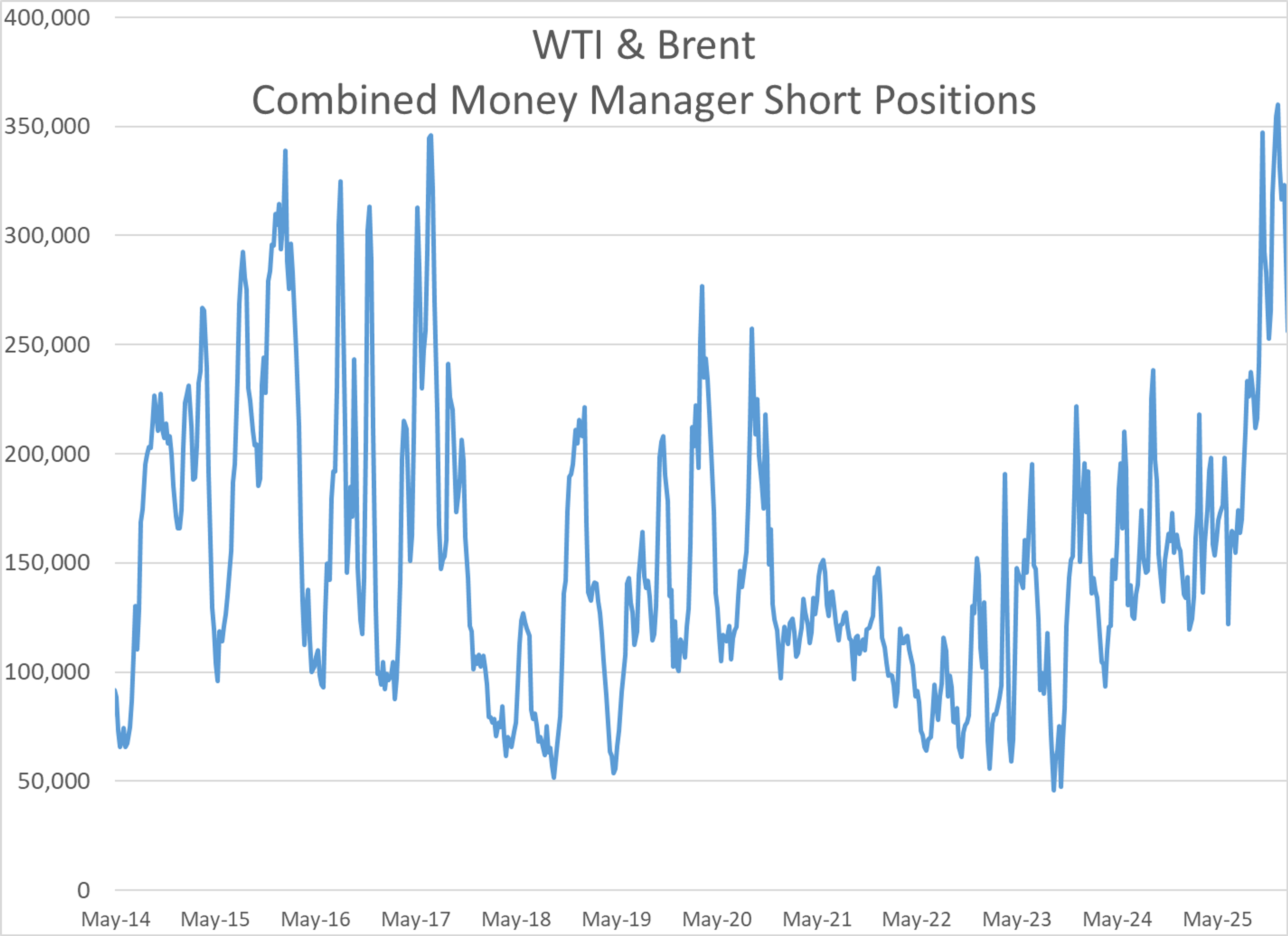
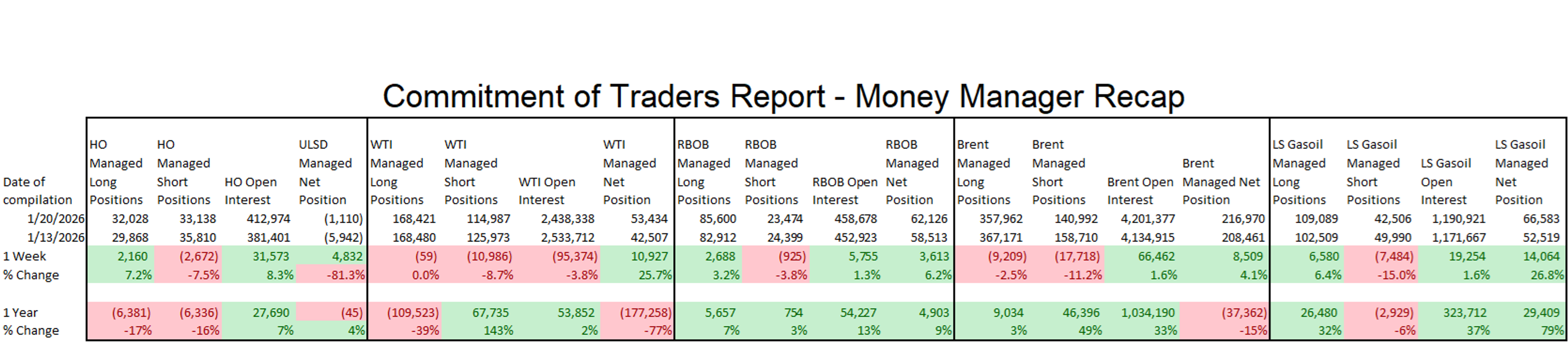
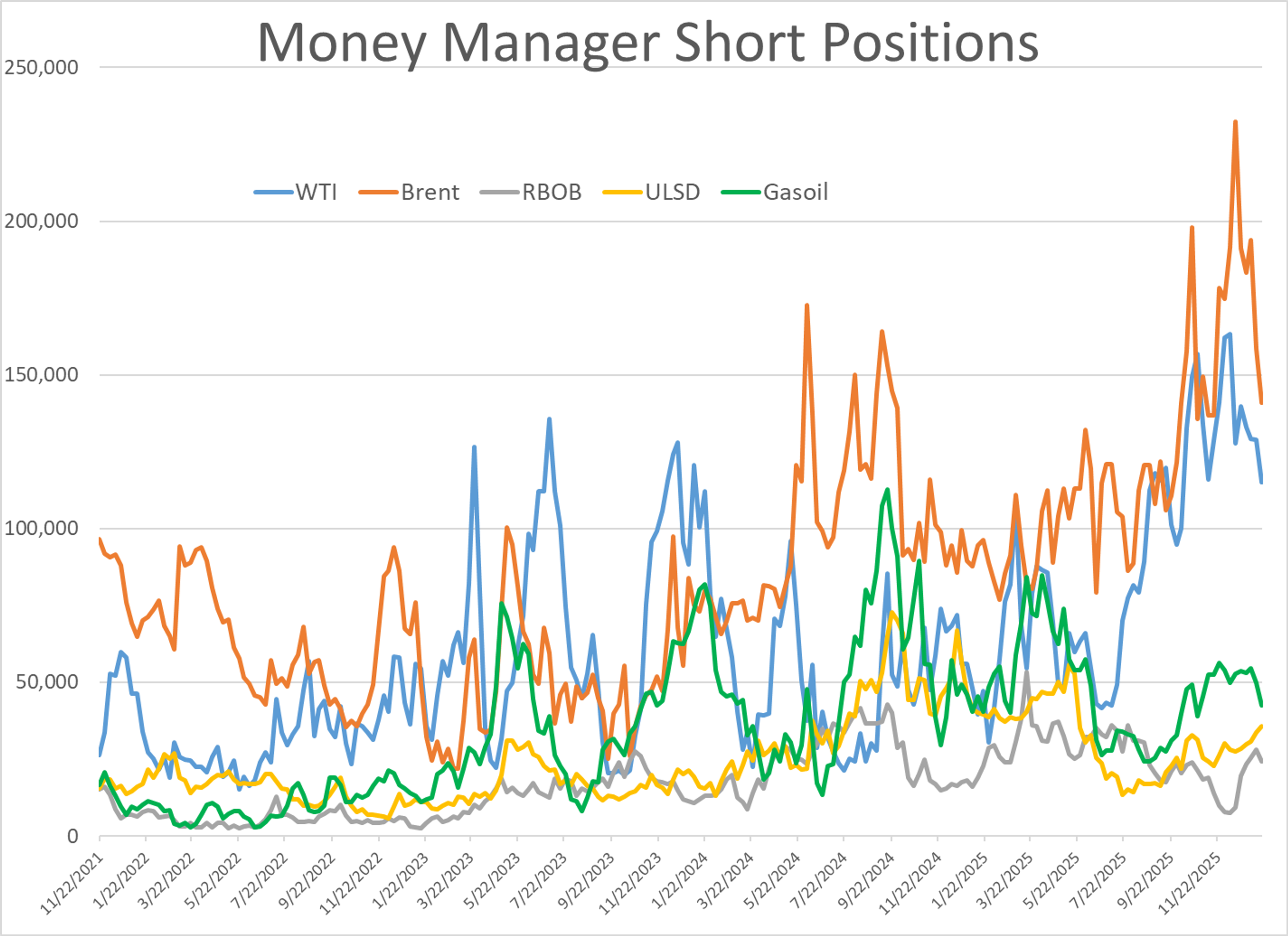
Short covering was the theme for large speculators in the latest Commitments of Traders report. Nearly 40,000 short positions were closed out as of Tuesday across the big 5 petroleum contracts as big money funds continue to unwind what was the largest bet ever on lower oil prices that has gone largely wrong. While the crude oil contracts have the most activity, the pain is more acute for those that bet on falling diesel prices after ULSD has rallied 30 cents/gallon in the past week.
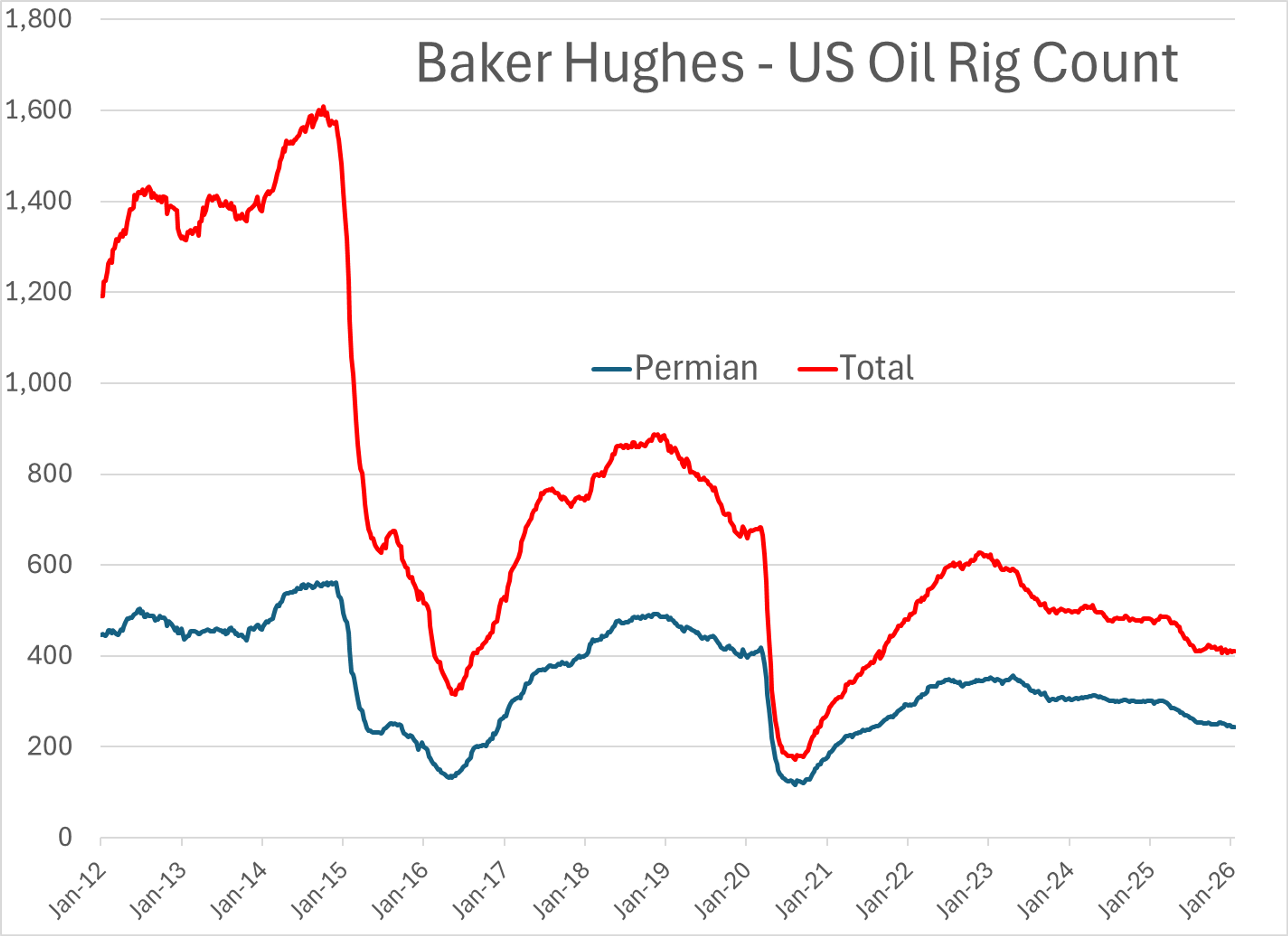
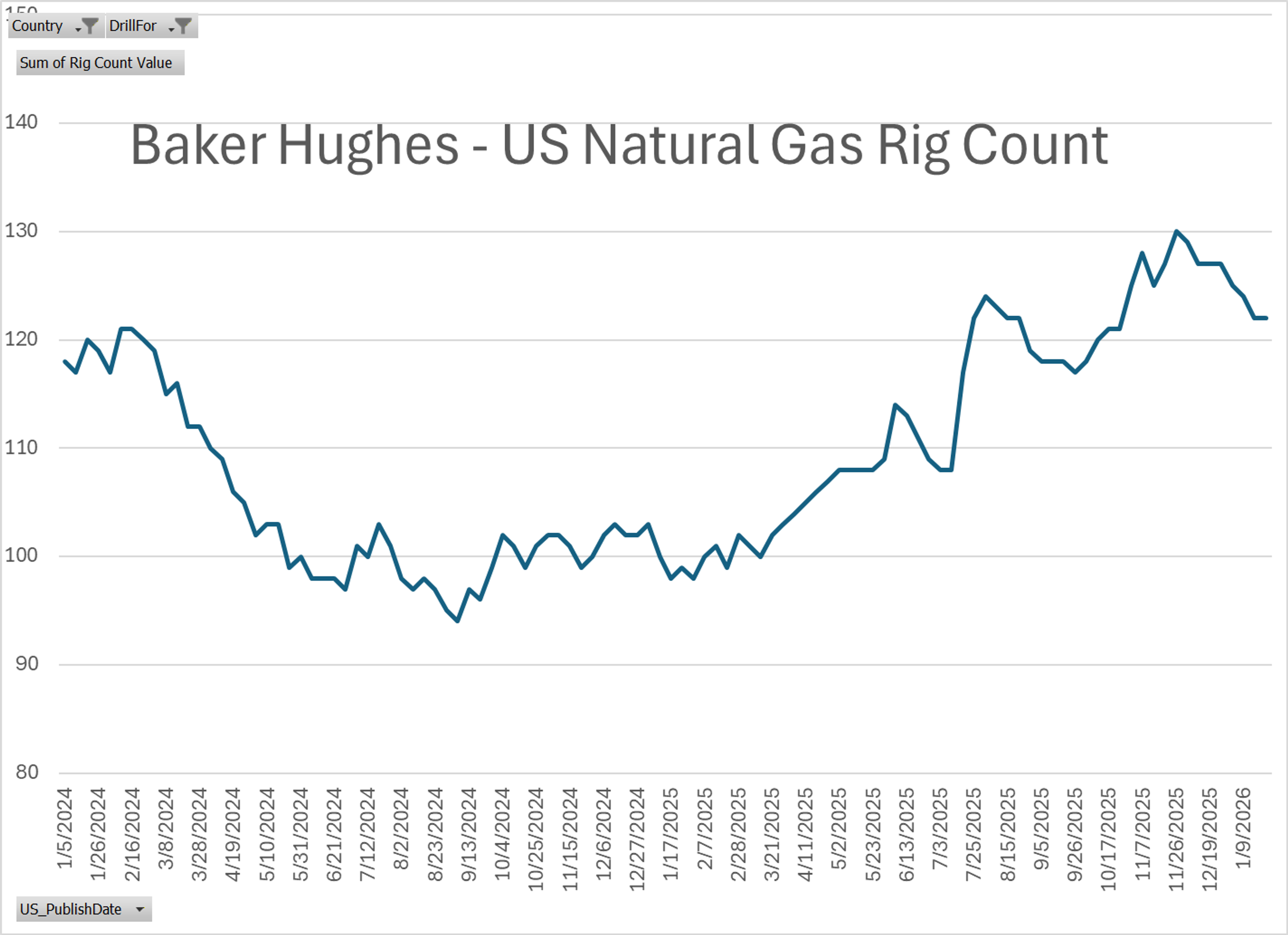
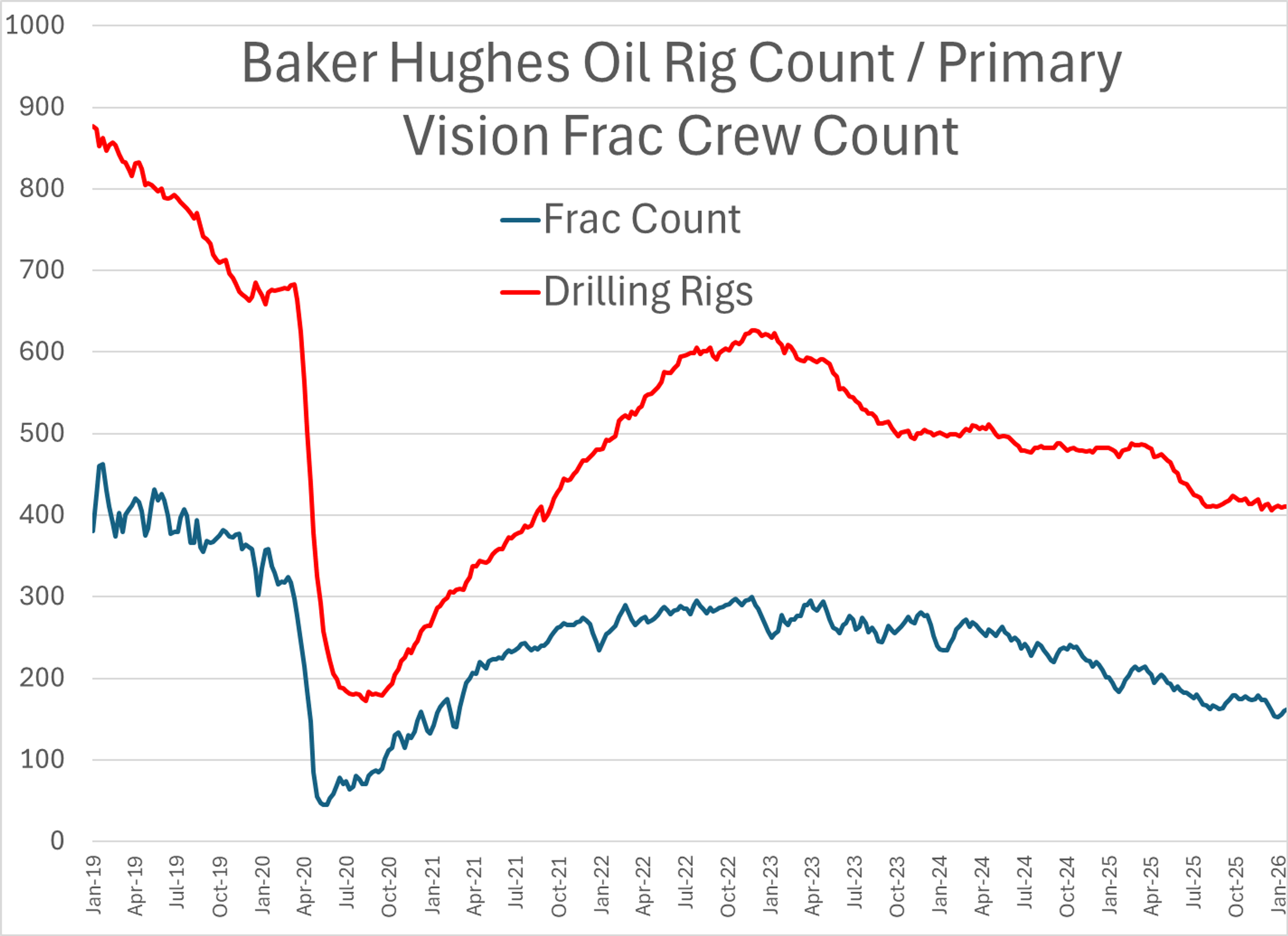
Baker Hughes reported a net increase of 1 oil rig active in the U.S. last week, bringing that count to 411, while the natural gas count held steady at 122.
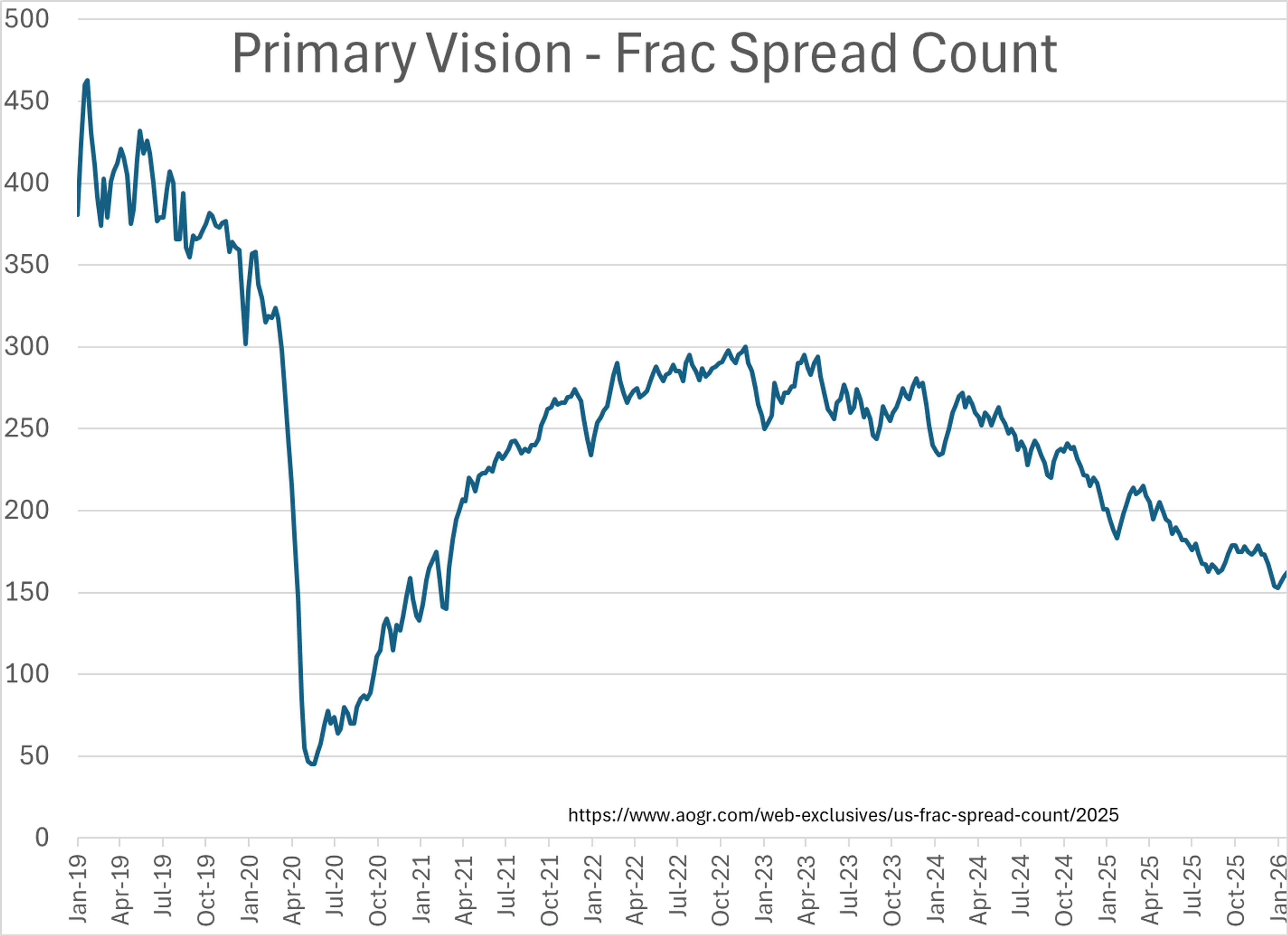
The Primary Vision count of fracking crews increased by 3 to 163 during the week.
Latest Posts
Crude Strength, Refinery Disruptions, And Export Bottlenecks Support Fuel Prices
Global Supply Risks And Strong Refining Margins Drive Energy Market Rally
Week 42 - US DOE Inventory Recap
Diesel Prices Swing Wildly Amid Tanker Attacks And Supply Concerns
Diesel's Breakout Signals Renewed Pressure Across Energy Markets
Oil Opens Soft Despite Escalating Supply Threats
Social Media
News & Views
View All
Crude Strength, Refinery Disruptions, And Export Bottlenecks Support Fuel Prices
Global Supply Risks And Strong Refining Margins Drive Energy Market Rally