Refineries At Full Capacity Amid Escalating Global Fuel Supply Crunch

RBOB gasoline futures are taking a turn leading the energy complex higher Tuesday morning, with early gains of around 4 cents, gallon, as ULSD futures take a breath after another strong rally Monday. The strait stalemate continues, with no signs of diplomatic progress but another ship reportedly struck by Iran early this morning keeping most vessels from attempting to transit.
The U.S. Energy Secretary met with some refiners Monday to discuss what steps the government could take to help them increase production, and promised new measures will be announced in days. Since the administration has already issued broad waivers on RVP, RFG, Butane blending and the Jones Act to try and limit the fallout from the war, it’s hard to imagine these new steps moving the needle.
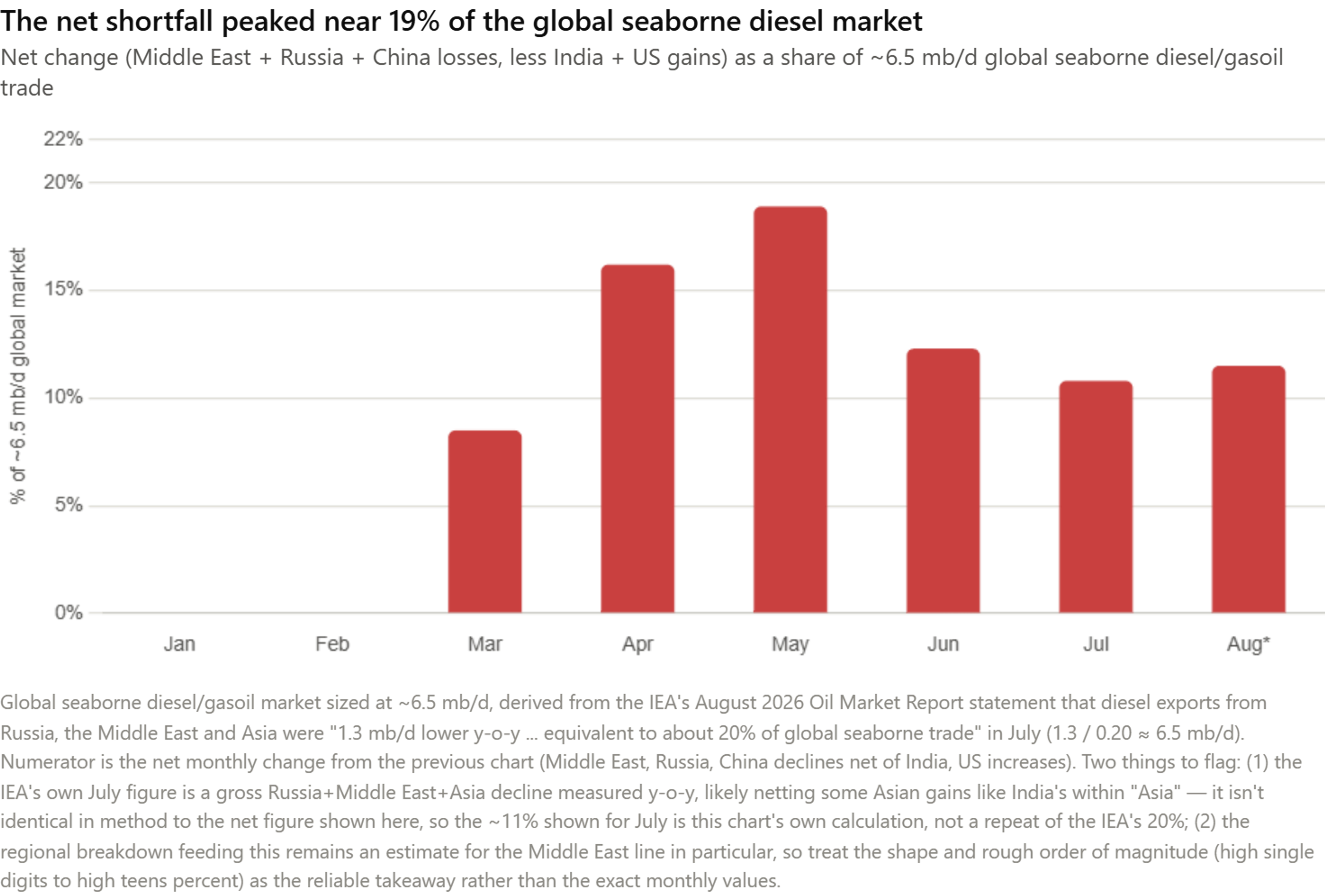
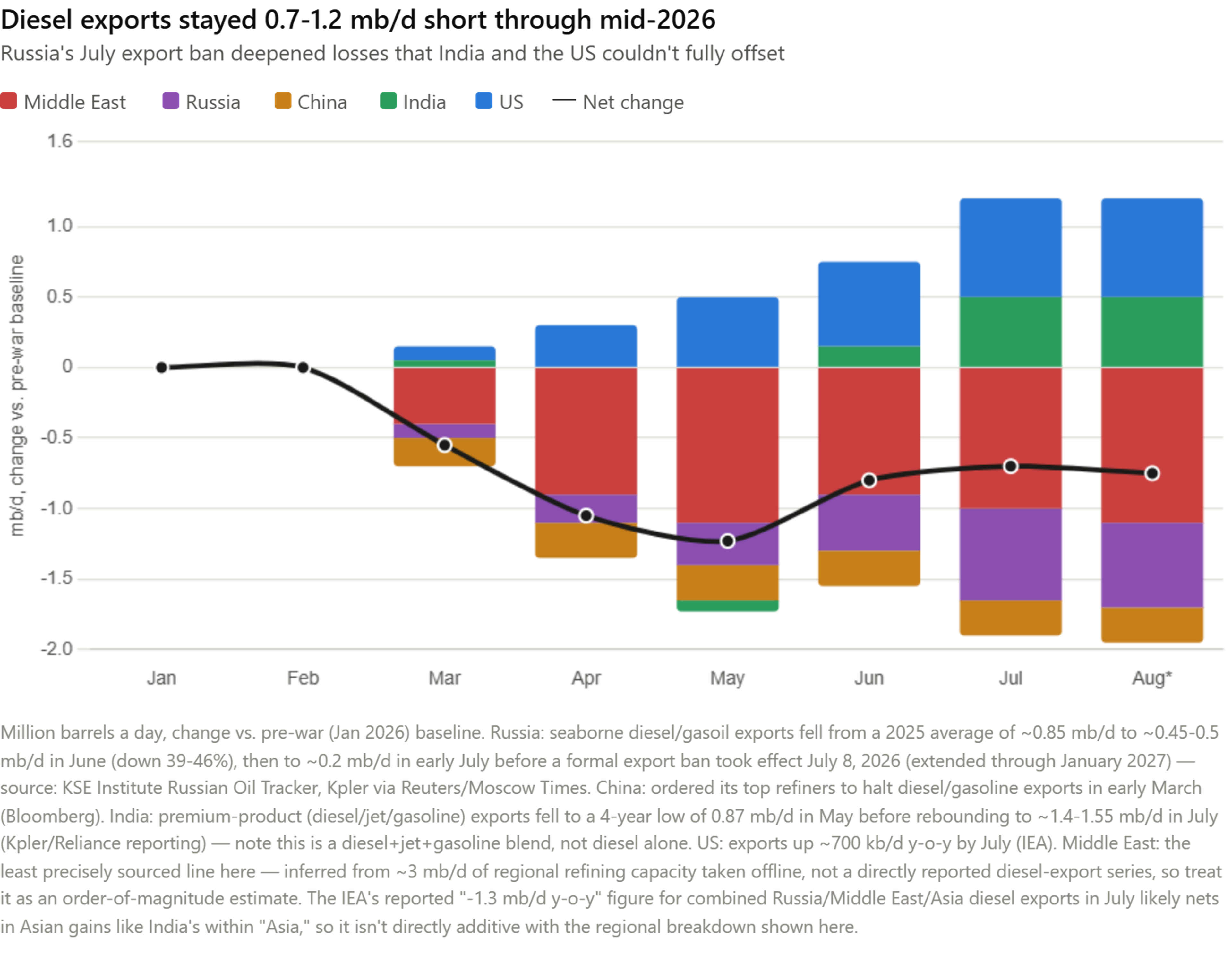
Unfortunately the reality seems pretty simple: U.S. refineries are already maxing out their capacity and deferring maintenance to keep up the pace, so any requests to do any more seem somewhere between unlikely and impossible at least near term. That max production is allowing record amounts of exports to countries desperate for alternative supplies, but as the chart below shows, that’s still just a fraction of what’s been due to the wars. The lack of diesel shipments from the Middle East, Russia and China is taking nearly 1/3 of the global seaborne supply off the market, and even maximum output from U.S. and Indian refineries can only replace around half of that lost volume, and no one else has the functioning spare capacity to make up the difference.
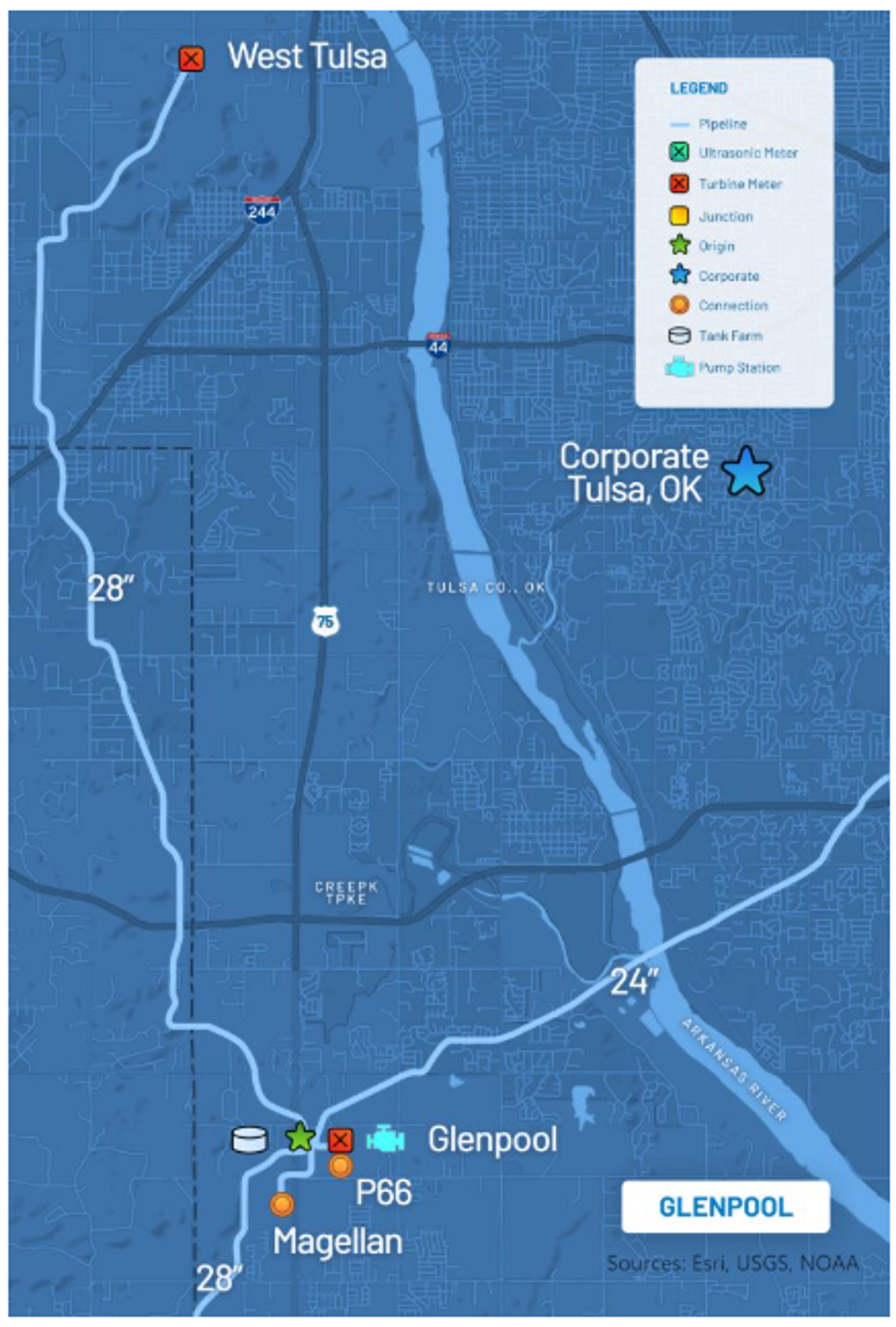
A lightning strike set 3 fuel tanks on fire at Explorer Pipeline’s Glenpool tank farm south of Tulsa Monday morning. Explorer pipeline originates on the U.S. Gulf Coast, and drops off refined products to the Group 3 market in Glenpool, before making its way through the St. Louis (Wood River) area and terminating outside of Chicago. The 3 tanks contained natural gasoline (not conventional or reformulated gasoline blendstocks) so this shouldn’t have a direct impact on refined product supplies in the region, unless the fire and cleanup efforts delay pipeline batches. Explorer sent a note to shippers Monday saying it would assess and update schedules soon.
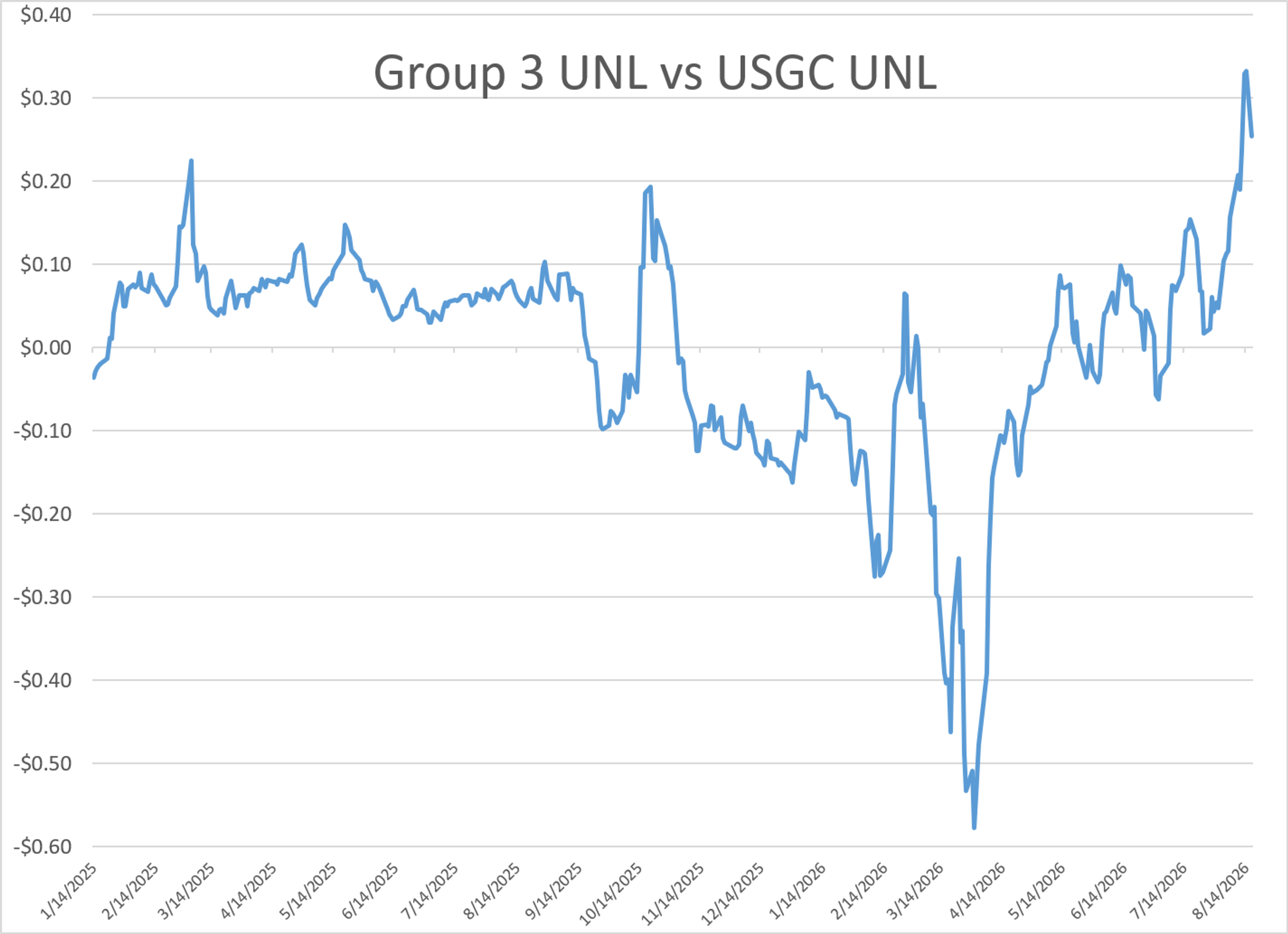
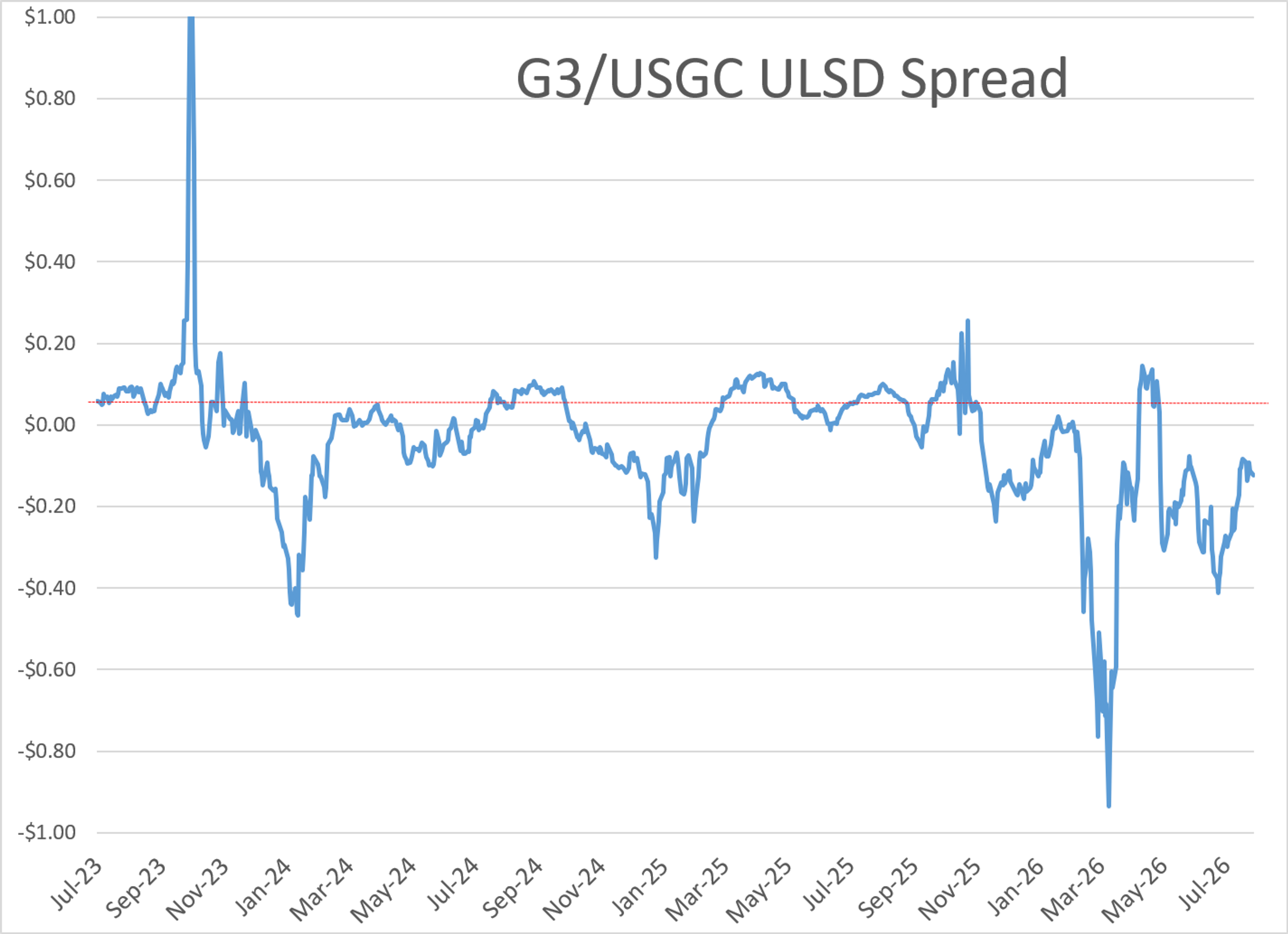
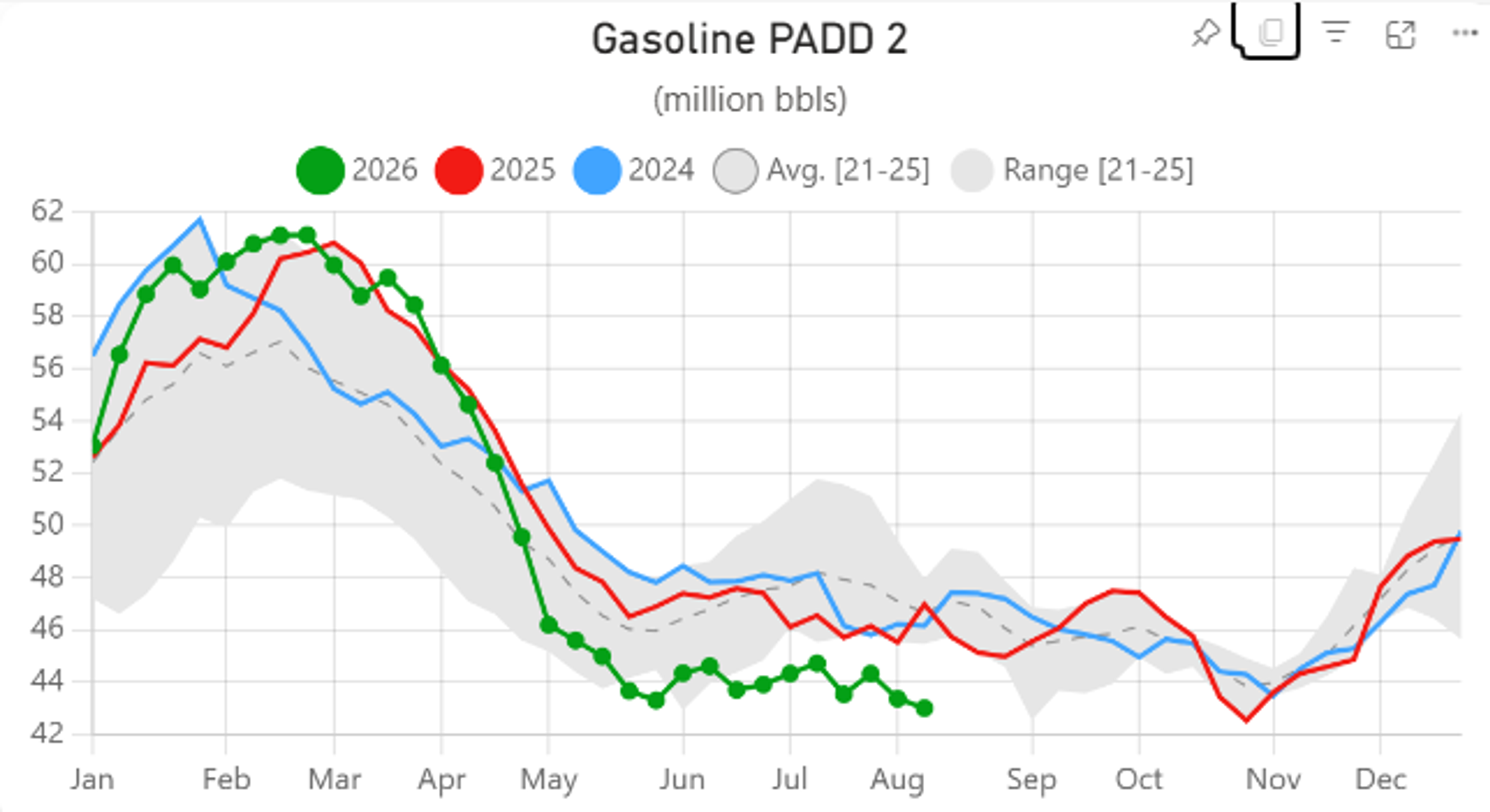
PADD 2 refined gasoline (not natural gasoline) inventories were already sitting well below their seasonal range, which has pushed values for conventional gasoline to unusually large premiums to neighboring markets in the past couple of weeks, so any delays to supplemental supplies from the Gulf Coast has the potential to create additional challenges especially as we approach the fall maintenance season. See charts below.
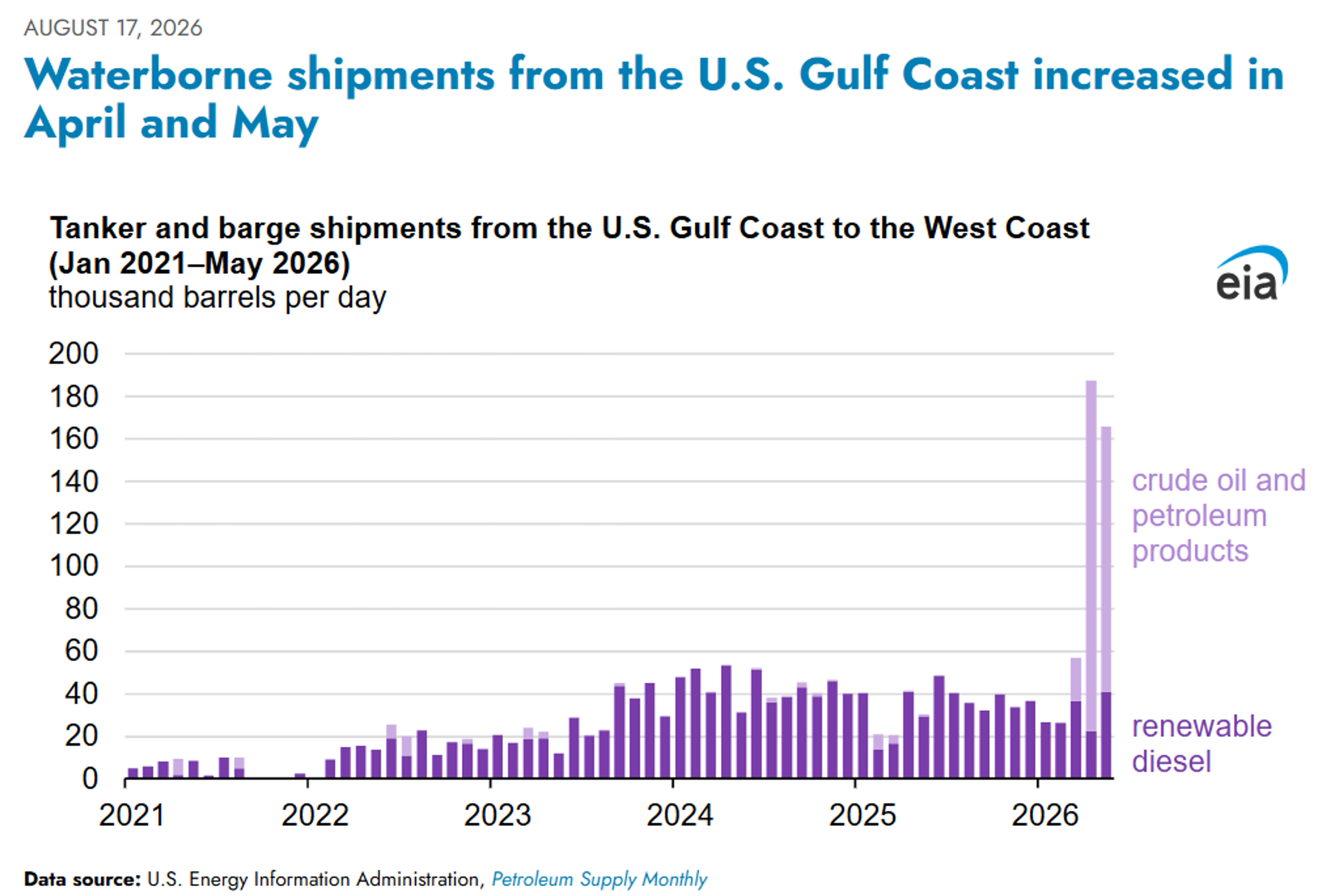
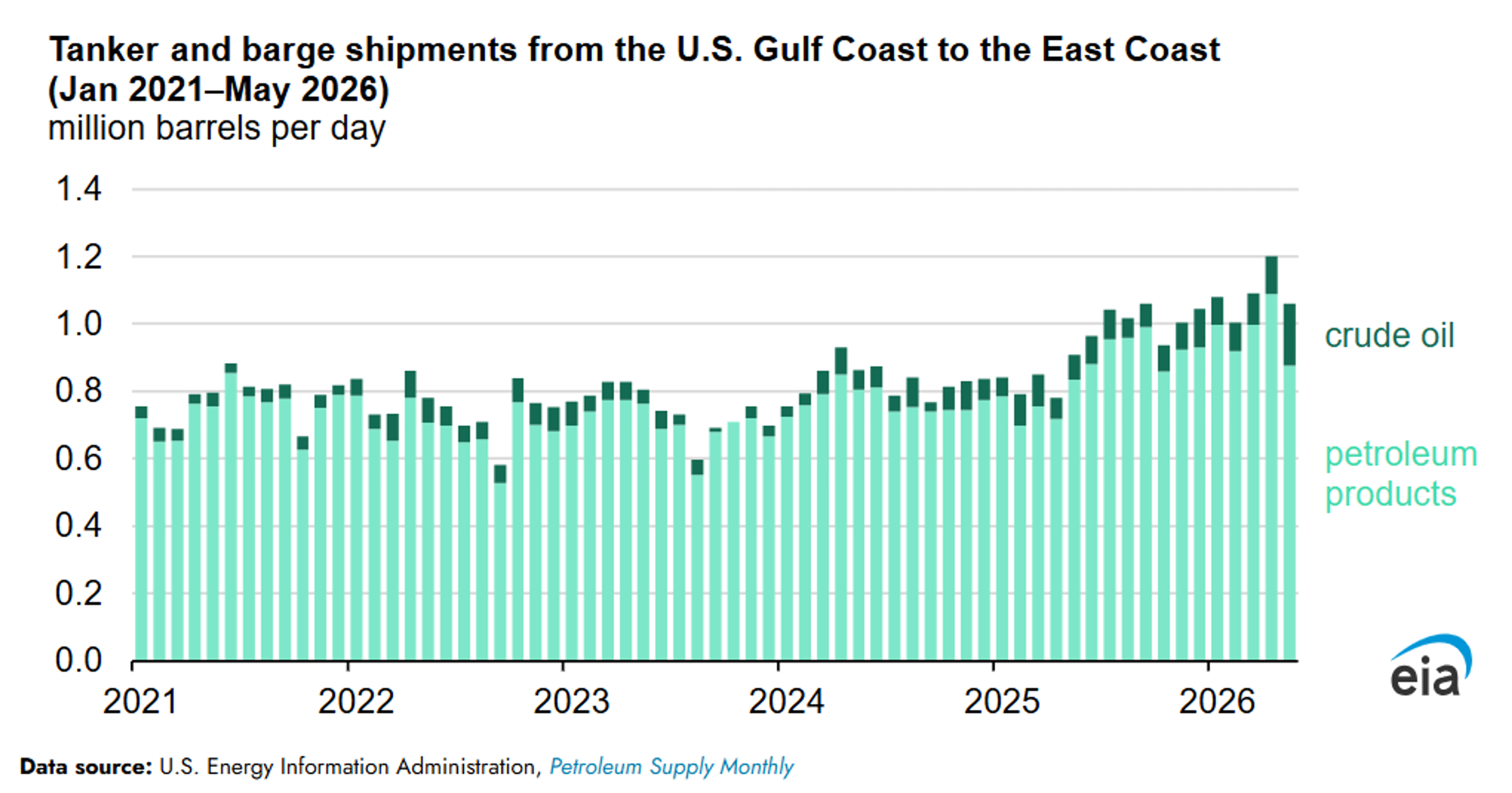
The EIA Monday highlighted the dramatic increase in fuel shipments from the U.S. Gulf Coast to the West Coast since the Jones Act waivers were issued in March. The influx of crude and refined product shipments is roughly the equivalent of 1 of the 2 refineries that closed down in California in the past year, and helps explain why the extreme shortages and price spikes so many pundits railed about over the past year haven’t come true, and why in fact Southern California gasoline markets are acting weaker from a spot to rack perspective than they have in years. This also helps explain why many in the fuel industry believe it to be insane that the country so harshly restricts the ability to self-supply domestically through the Jones Act restrictions. The increase in shipments to the East Coast has been much more modest, as Florida already received most of its fuel from the Gulf Coast before the waivers and there are just a few East Coast refineries left to take advantage of the domestic shipping routes.
Ukraine continues the pause in its attacks on Russian refineries, with no new strikes reported in the past 5 days. The Houthis meanwhile have reportedly struck Saudi Arabia’s 400mb/day Jazan refinery for the 3rd time in 2 weeks. The Houthi’s also claim they struck 5 Saudi military vessels in a ballistic missile attack near a port Monday. The Saudis have apparently not made any public statements about these attacks, but have been quietly building a coalition of ships to secure shipping through the Red Sea, and building up for a potential land invasion, so expect this situation to continue ramping up.


Latest Posts
Supply Disruptions Persist As Markets Focus Elsewhere
Geopolitics, Diesel Shortages, And Refinery Cuts Shape Energy Markets
Geopolitics, Diesel Shortages, And Refinery Cuts Shape Energy Markets
Week 39 - US DOE Inventory Recap
Volatility Returns As Diesel Surges And Global Supply Chains Tighten
Governors Take Action As Energy Markets Navigate Volatility
Social Media
News & Views
View All
Supply Disruptions Persist As Markets Focus Elsewhere
Geopolitics, Diesel Shortages, And Refinery Cuts Shape Energy Markets