Peace Talk Optimism Pressures Prices, Not Supply Constraints

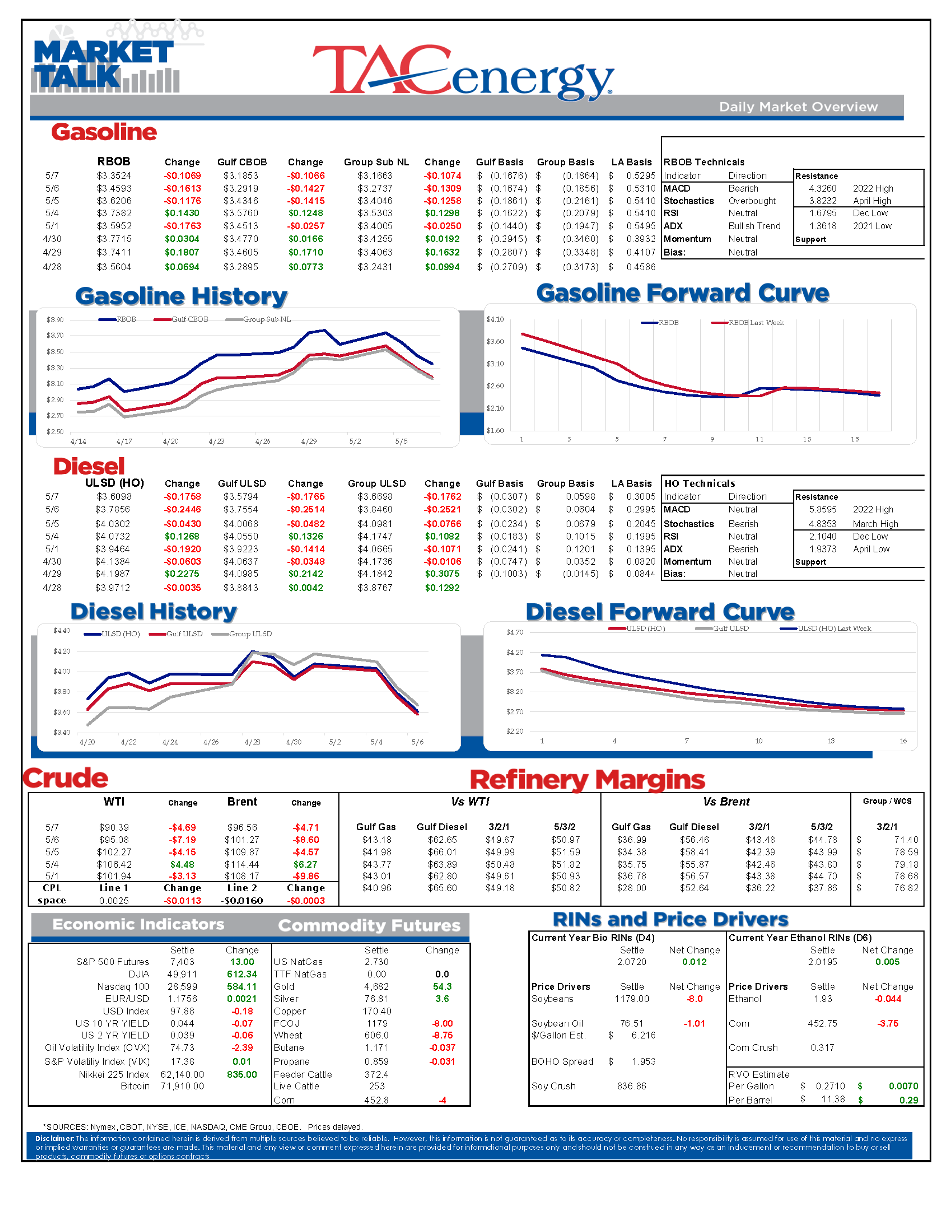
The optimism sell-off continues for energy markets Thursday, with diesel futures down 19 cents on the day while gasoline prices are down around 11 cents. It’s worth noting that despite the big moves lower this morning both RBOB and ULSD prices are still trading above the lows set early Wednesday morning when “the Memo” was announced.
You can read here for a recap of what is, and isn’t, in that 14 point memo that appears to be the best chance yet of ending the war.
While energy futures continue to act like the worst is behind us, physical markets continue to tell a different story with the U.S. rapidly depleting its inventory buffers and numerous refinery issues complicating efforts to maximize output.
Los Angeles Diesel basis values jumped another dime Wednesday, and are now holding at a 30 cent premium to futures after a pair of hiccups at local refineries earlier in the week although gasoline differentials have been unfazed so far likely thanks to the influx of imported gallons.
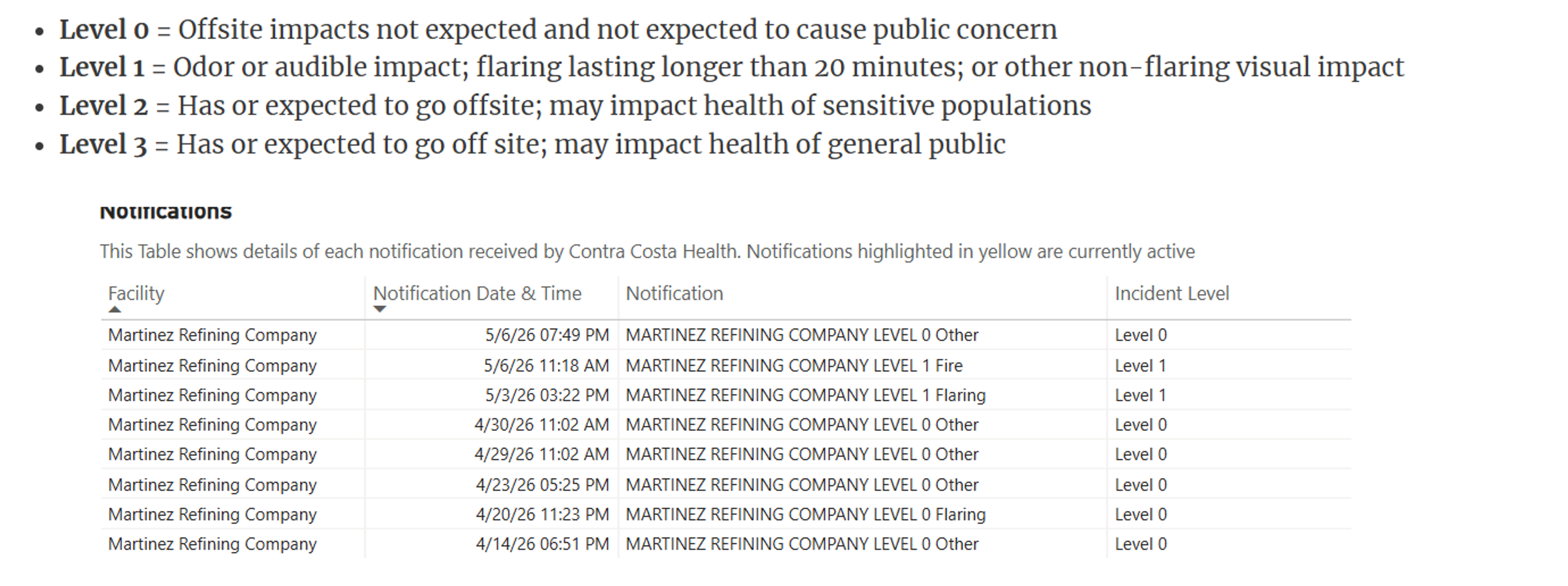
The San Francisco spot market remains elevated yet largely illiquid after 1 of the 2 remaining refineries still processing crude oil (there were 5 just 5 years ago) reported a small fire on Wednesday. PBF’s 157mb/day Martinez plant reported level 1 flaring associated with a fire at the facility that the company has been working to bring fully back online since a major fire in February 2025. This latest upset was one of 6 flaring events reported to local officials in the past 2 weeks as the facility moves through startup phase. So far it does not appear that the most recent fire will be a major hindrance to those efforts.
Chicago area markets continue to see unusual premiums to futures as most of the refineries in the region are struggling to come back online after their spring turnarounds, and a power loss at BP Whiting last week has further complicated the issue. The EPA’s waivers on RVP and RFG restrictions should hep alleviate that tight supply situation, but only for the states smart enough to get on board with the program.
Marathon’s 630mb/day Galveston Bay (FKA Texas City) refinery reported a power interruption Wednesday morning that caused its East/West sulfur recovery unit trains to go offline. If you read the notice to the TCEQ and note how that upset caused unplanned emissions at 37 different points across the facility, you get a good feel for just how complex these facilities are, and how challenging operating them can be, even when no one is launching drones at them.
Speaking of which, Ukraine’s attacks on Russian oil export and refining facilities continued overnight with the 260mb/day Lukoil facility near Perm struck for a 3rd time in the past week. On top of the stepped up pace of attacks over the past month, the fact that that facility stands more than 900 miles from the border shows that Ukraine’s range is also improving.
Human analysis from the DOE’s weekly status report below. AI analysis and charts are attached.
Crude inventories drew despite a huge slowdown in export activity, although the decline came off a record high and levels still sit at seasonal highs. Don’t expect the drop in exports to last as more and more tankers that would ordinarily fill up in the Persian Gulf head to the U.S. Gulf coast instead, but the weekly figures can be volatile as just one or two large tankers can swing the whole number. Imports fell back to the low end of the range along with a drop in the balance adjustment. Draws on the reserve balance continued but crude stocks alone are still a few million barrels above the 5-year average.
Refinery runs dipped slightly and were tame across PADDs with 1 & 2 seeing some units return from maintenance while the rest slowed. PADDs 4 & 5 remain at seasonal 5-year lows but total U.S. rates held at the high end of the chart.
Diesel stocks slid with a big week to week drop in implied demand seemingly being offset by exports climbing to a record high. The weekly demand estimates are notoriously unreliable, but the drop will still be a point to watch in the coming weeks to see if it was an anomaly or the start of demand destruction caused by high prices. The inventory draw was limited by a bump in PADD 3 stocks; however, the lone build was off a seasonal 5-year low. An updated look at renewable diesel stats (which were just published as of February) shows RD no longer being enough to prop up PADD 5’s total inventory picture. All PADDs are running well below average levels with the total U.S. diesel stocks now sitting at a 21-year low.
Gasoline stocks fell for a 12th straight week despite softened demand and heavily increased import activity. Outside of a negligible tick ahead on the East Coast, PADD levels are below average across the country, holding total U.S. inventories at seasonal lows. The Midwest has seen the most dramatic drawdown in gasoline stocks, with PADD 2 levels going from above the top end of the seasonal range 6 weeks ago to the low end of that range last week with lingering refinery issues across the Chicago market pushing premiums to futures sharply higher. While gasoline imports to California get much of the attention as that state loses refining capacity, the bulk of the imports continue to come in PADD 1, and the healthy increases in recent week have helped the Florida market (PADD 1C) heal up quickly after severe shortages in March.
Despite so much news about shortages, Jet fuel inventories are above average across all PADDs except 4, having spent the past few weeks at seasonal highs despite above average demand and record export levels while imports have become nearly non-existent.
Latest Posts
Diesel Strength Offsets Gasoline Weakness As Supply Concerns Mount
Diesel Under Pressure As Traders Discount Supply Disruptions
Week 37 - US DOE Inventory Recap
Oil Pulls Back After Rally While Distillates Extend Gains
Refinery Disruptions And Strait Closures Fuel Diesel Rally
Oil And Diesel Rally On Escalating Infrastructure Attacks
Social Media
News & Views
View All
Diesel Strength Offsets Gasoline Weakness As Supply Concerns Mount
Diesel Under Pressure As Traders Discount Supply Disruptions