Energy Markets Rally As Iran Ceasefire Hopes Fade

Energy markets are rallying again Tuesday after prospects for a ceasefire in Iran quickly faded Monday and the optimistic sellers we saw in the morning quickly vanished in the afternoon.
One, Two, Two and a half: The U.S. President’s shifting deadline for Iran to re-open the Strait of Hormuz is currently set at 8pm eastern, with all sorts of threats via social media on what will happen if it doesn’t open. Perhaps an off ramp to the deadline and threats is the fact that 20 ships reportedly transited the strait yesterday, the most daily volume since the war began, and even though that’s less than 15% of the normal pre-war volume, it’s 3-4X what was transiting a week ago.
Not fooling around: Saudi Arabia raised the premiums for its Arab Light oil grades to $19.50/barrel over regional benchmarks in Dubai and Oman for May, a record setting increase from a $2.50/barrel premium in April. That puts the notional value of those barrels somewhere close to $140/barrel, with the billion dollar question of course just how much can they actually get to market.
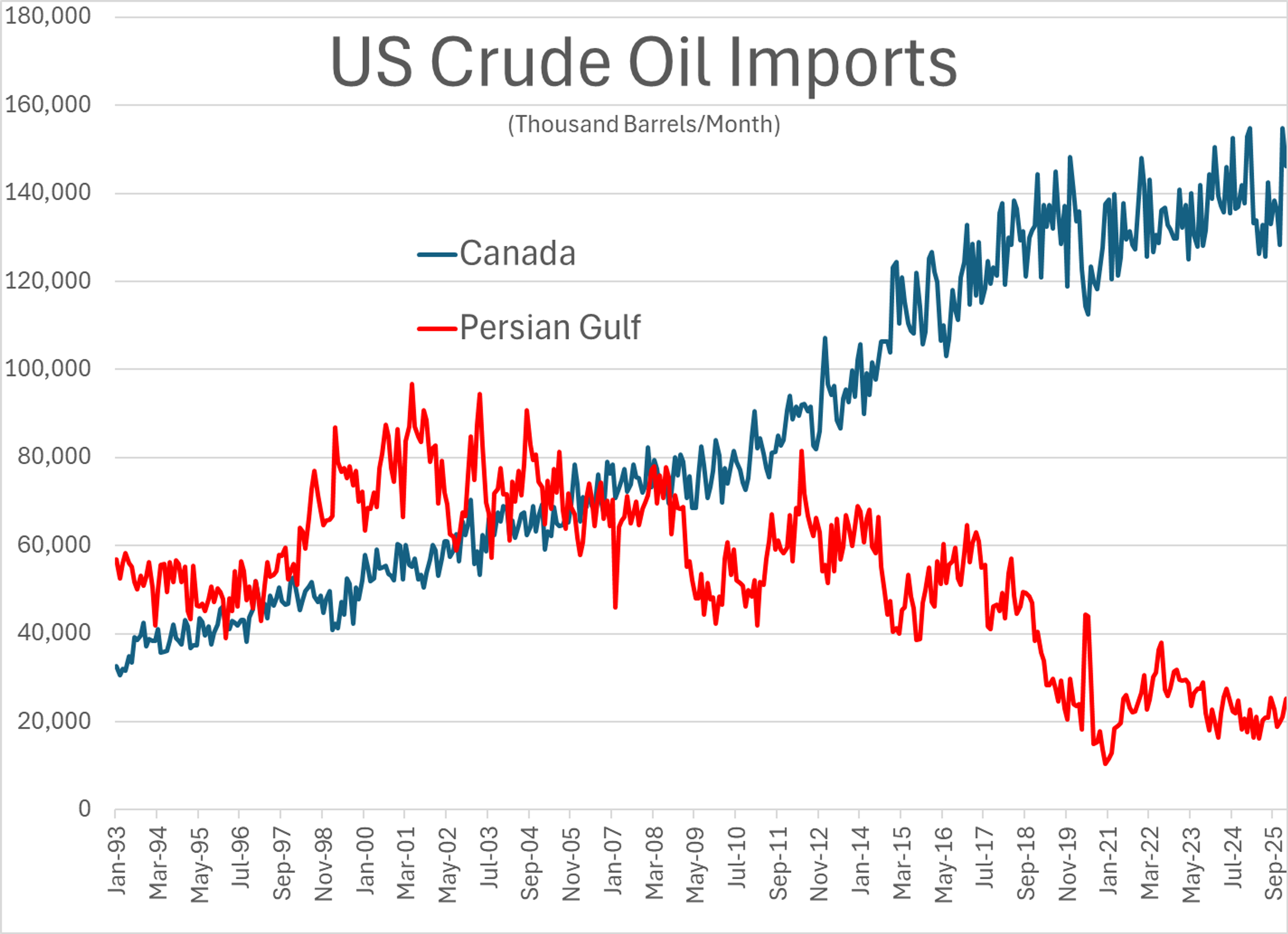
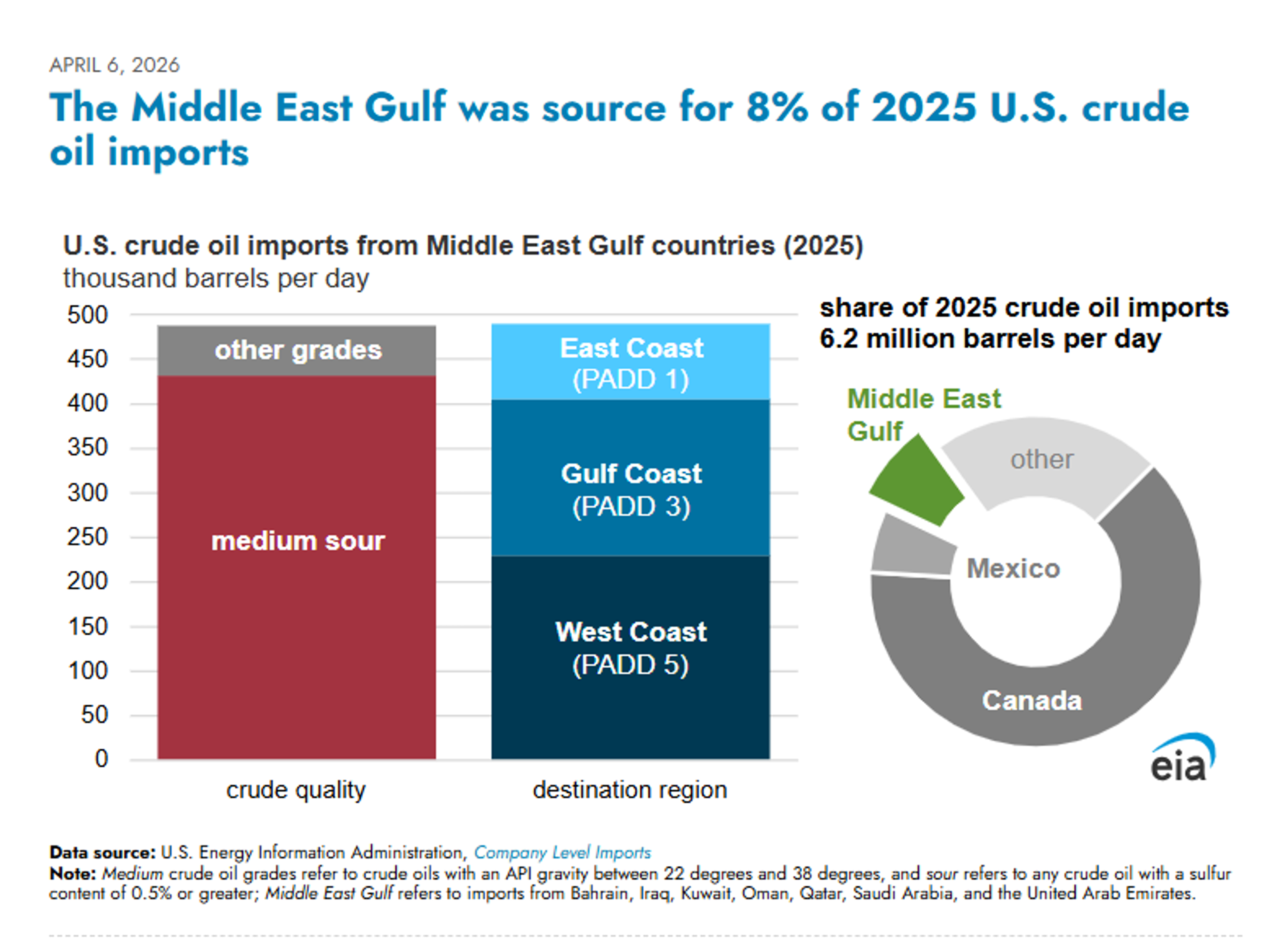
The EIA Monday highlighted U.S. Imports of crude oil from the Persian Gulf region that have been largely taken offline due to the war. In 2025 those imports made up 8% of total U.S. imported volumes, at just under 500mb/day, compared to 13.5 million barrels/day of domestic oil production and refinery runs of 18 million barrels/day. The West Coast was the largest regional destination for that crude last year, which is good news in some regards given that 2 of the 12 remaining refineries in California shut down permanently in the past 6 months, reducing the need for that oil.
It’s worth noting that when the Renewable Fuel Standard was created 20 years ago, it was pitched as an Energy Independence and Security bill at a time when the U.S. was the world’s largest buyer of petroleum and the majority of its oil imports came from the Persian Gulf region. Today, the U.S. is the world’s biggest petroleum seller and 2/3s of our oil imports come from Canada so the record volumes required by the RFS are instead touted as a way to help farmers and the environment.
Meanwhile, Malaysian biofuel producers are attempting to take a page out of the U.S. Playbook, urging the country to pass a B30 mandate – at least in regions that have the infrastructure for higher biofuel blends - attempting to take advantage of the supply crisis for distillates to burn more palm oil.
Hedging is hard. P66 issued an SEC filing for Q1 noting $900 million in mark to market losses on its various hedging programs during the first quarter caused primarily by the rapid increase in prices during March. While the lag in prices means that the company should have huge gains in Q2 as its refinery margins catch up to the forward hedge positions, the company did also note a loss of production during Winter Storm Fern negatively impacting its midstream results as well.
Latest Posts
Diesel Leads Energy Markets Lower Despite Mounting Geopolitical Risks
Energy Markets Mixed As Diesel Rallies And Supply Concerns Persist
Supply Disruptions Persist As Markets Focus Elsewhere
Geopolitics, Diesel Shortages, And Refinery Cuts Shape Energy Markets
Geopolitics, Diesel Shortages, And Refinery Cuts Shape Energy Markets
Week 39 - US DOE Inventory Recap
Social Media
News & Views
View All
Diesel Leads Energy Markets Lower Despite Mounting Geopolitical Risks
Energy Markets Mixed As Diesel Rallies And Supply Concerns Persist