End To A Choppy Week For Energy Prices

Optimism is back to end a choppy week for energy prices as fundamental reports from around the world seem to be better than expected, and technical are starting to favor more upside.
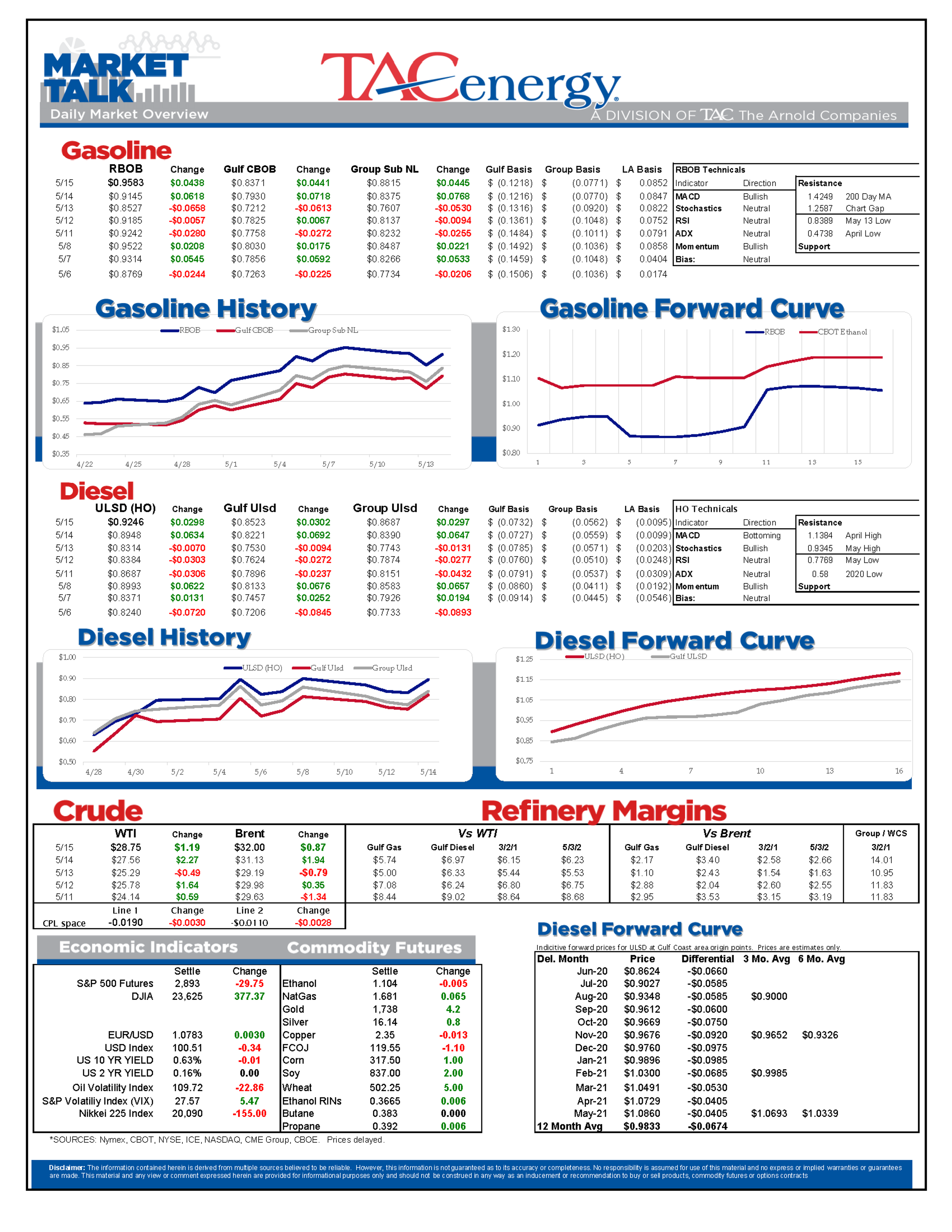
WTI and ULSD futures are both breaking through the top end of their May trading range this morning, putting oil prices at their highest level in six weeks. If those contracts can end the week above that range, the door is open for them to make a run at the chart gaps left behind in early March when prices first started their collapse. If that happens, the target for WTI is around $33, ULSD is in the $1.35 range and RBOB should make a run at $1.25.
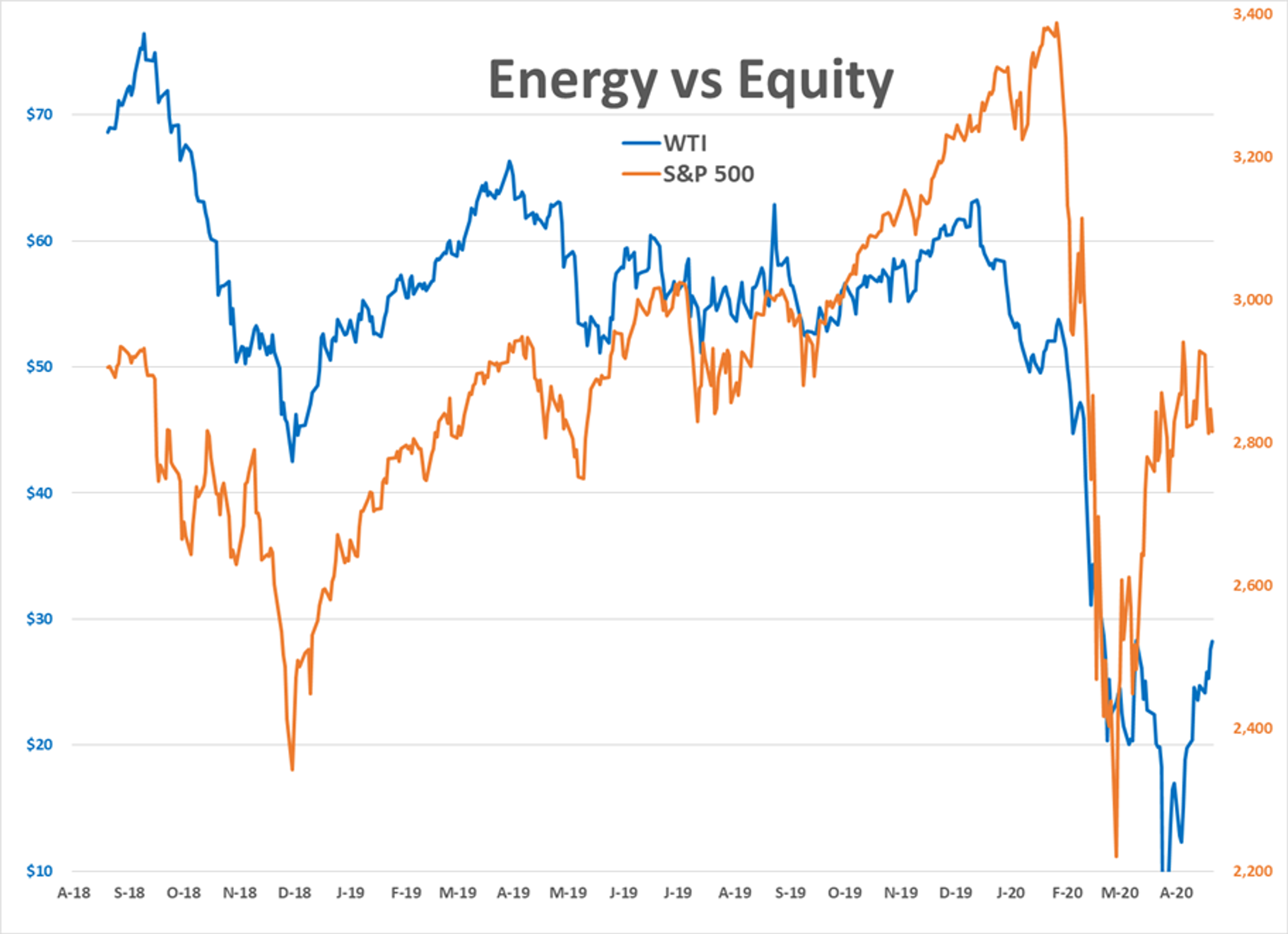
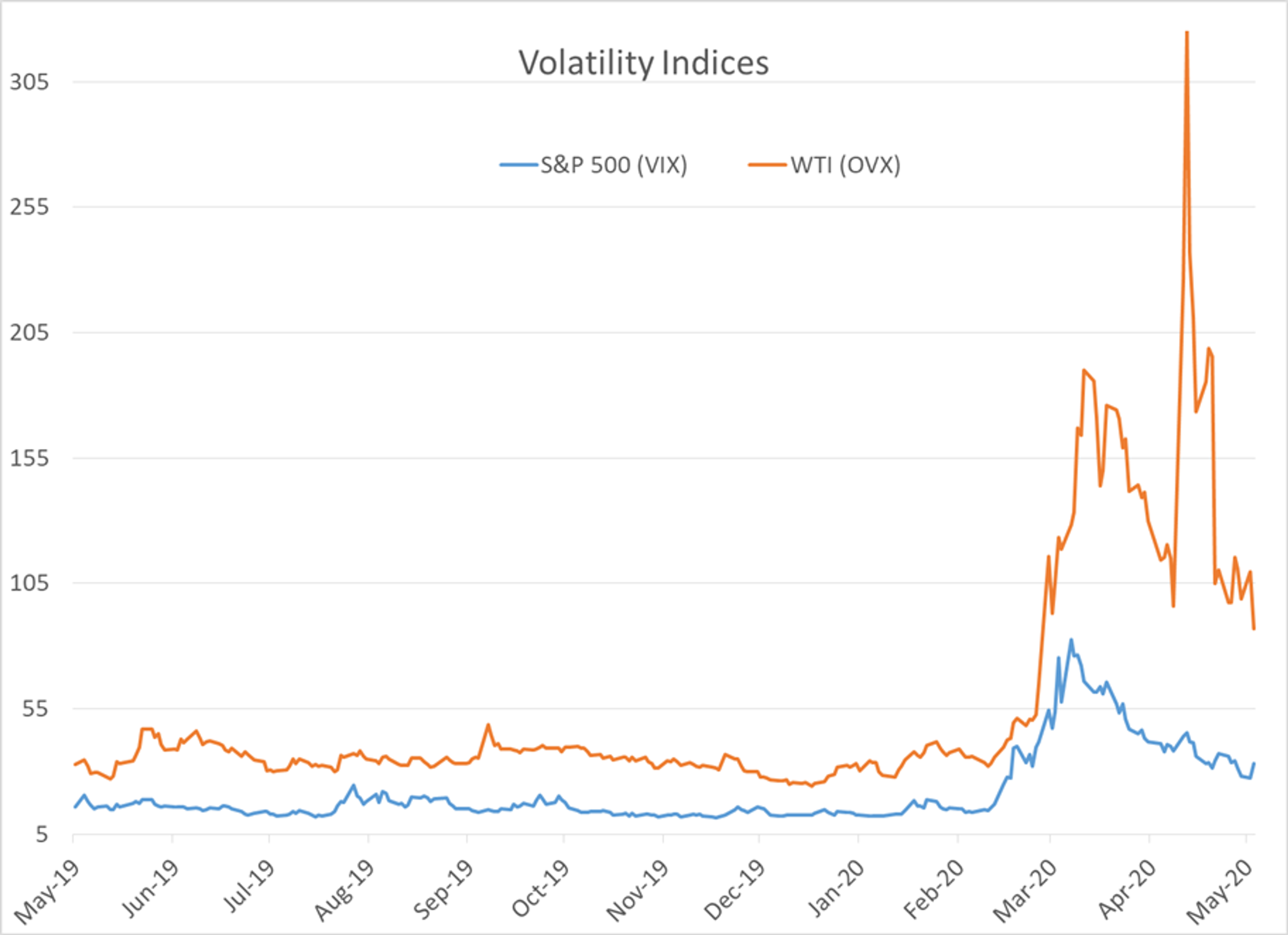
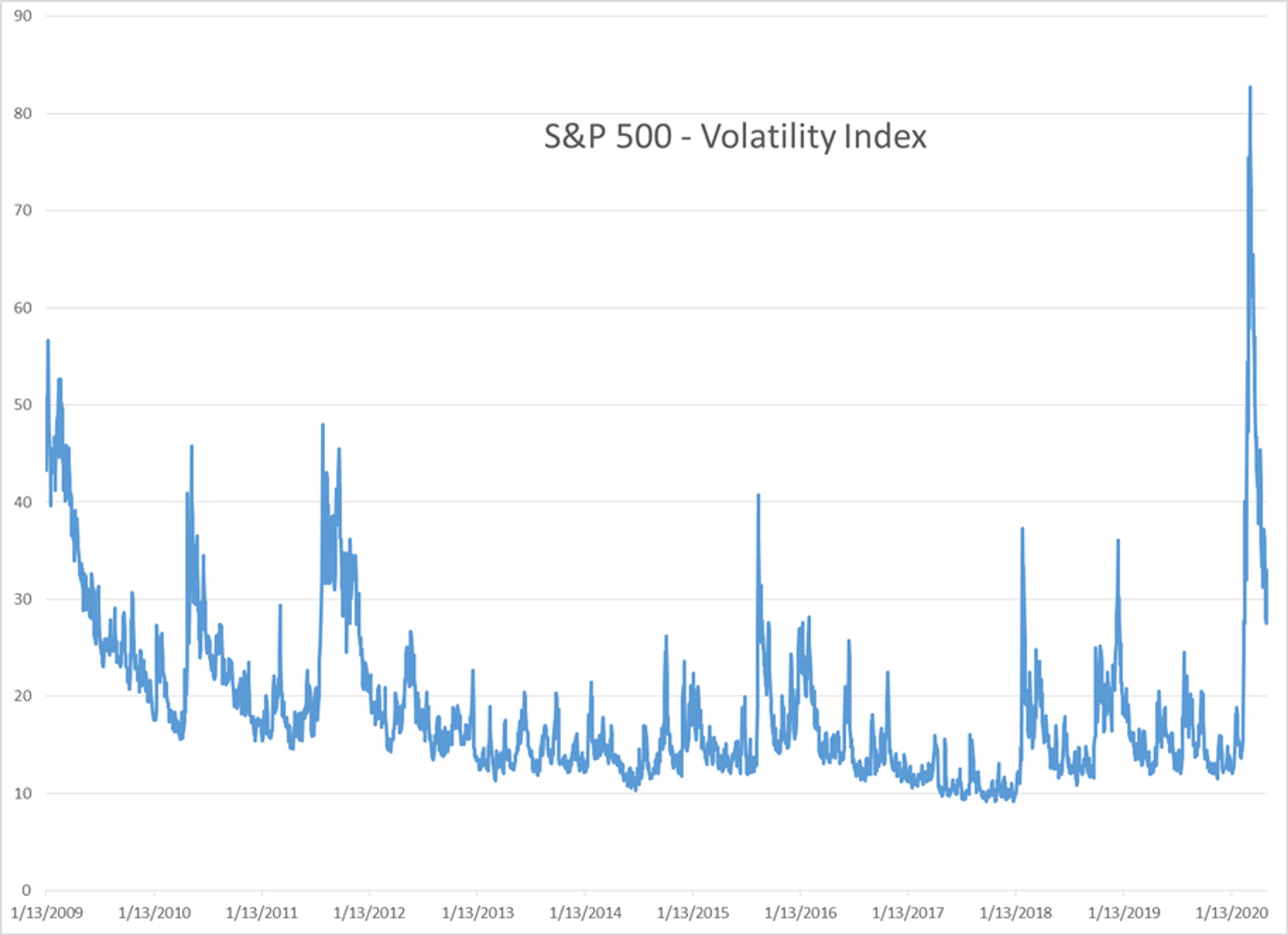
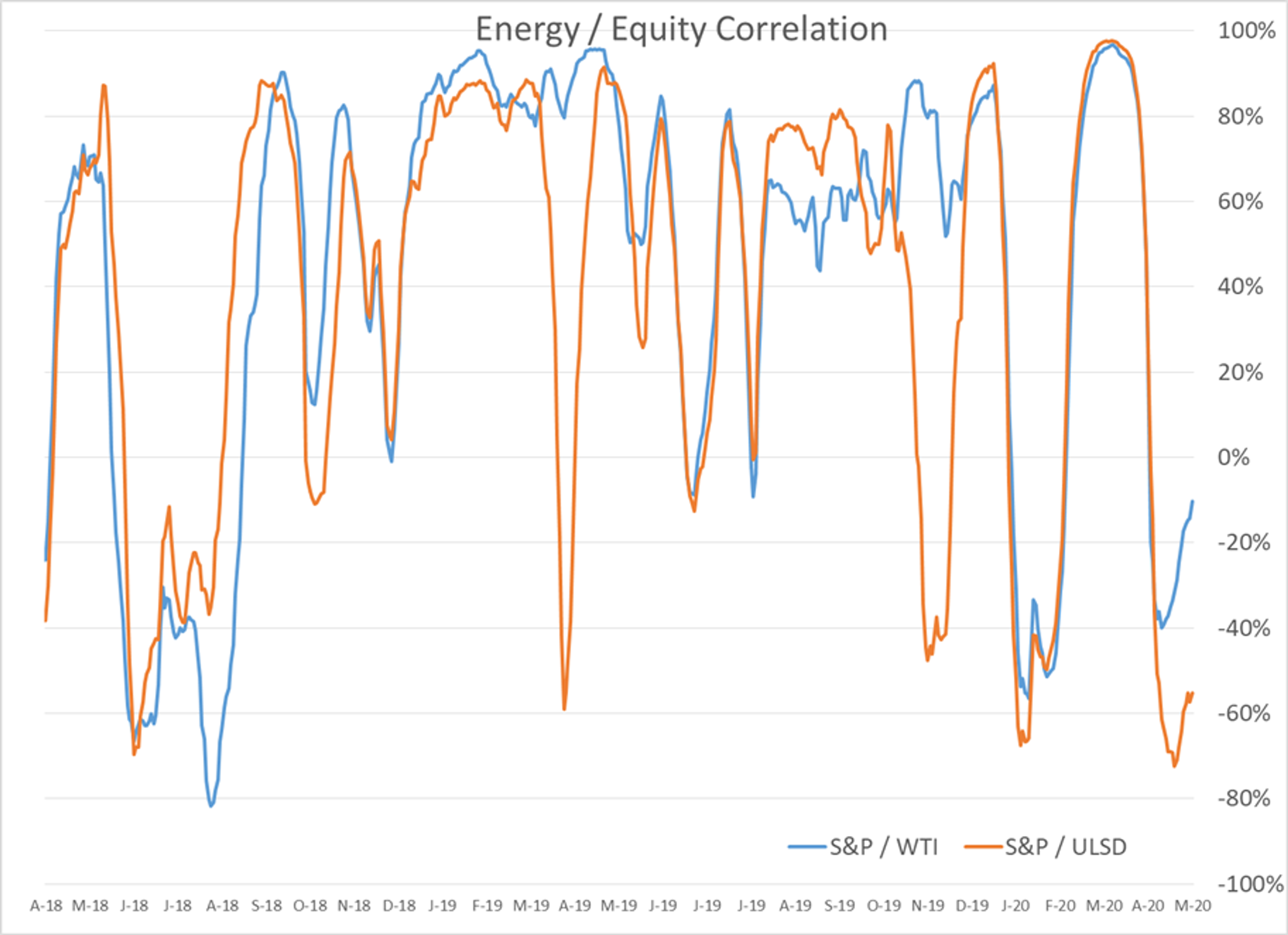
Equity markets had a strong recovery rally Thursday, only to point lower again this morning as new fears of a trade war continue to curb the enthusiasm of investors. The correlation between equity and energy prices remains in negative territory after being attached at the hip during the early stages of the COVID-19 crisis. Both asset classes are experiencing the lowest levels of volatility in two months, which is no doubt a relief for many, while many others wonder how long it will last.
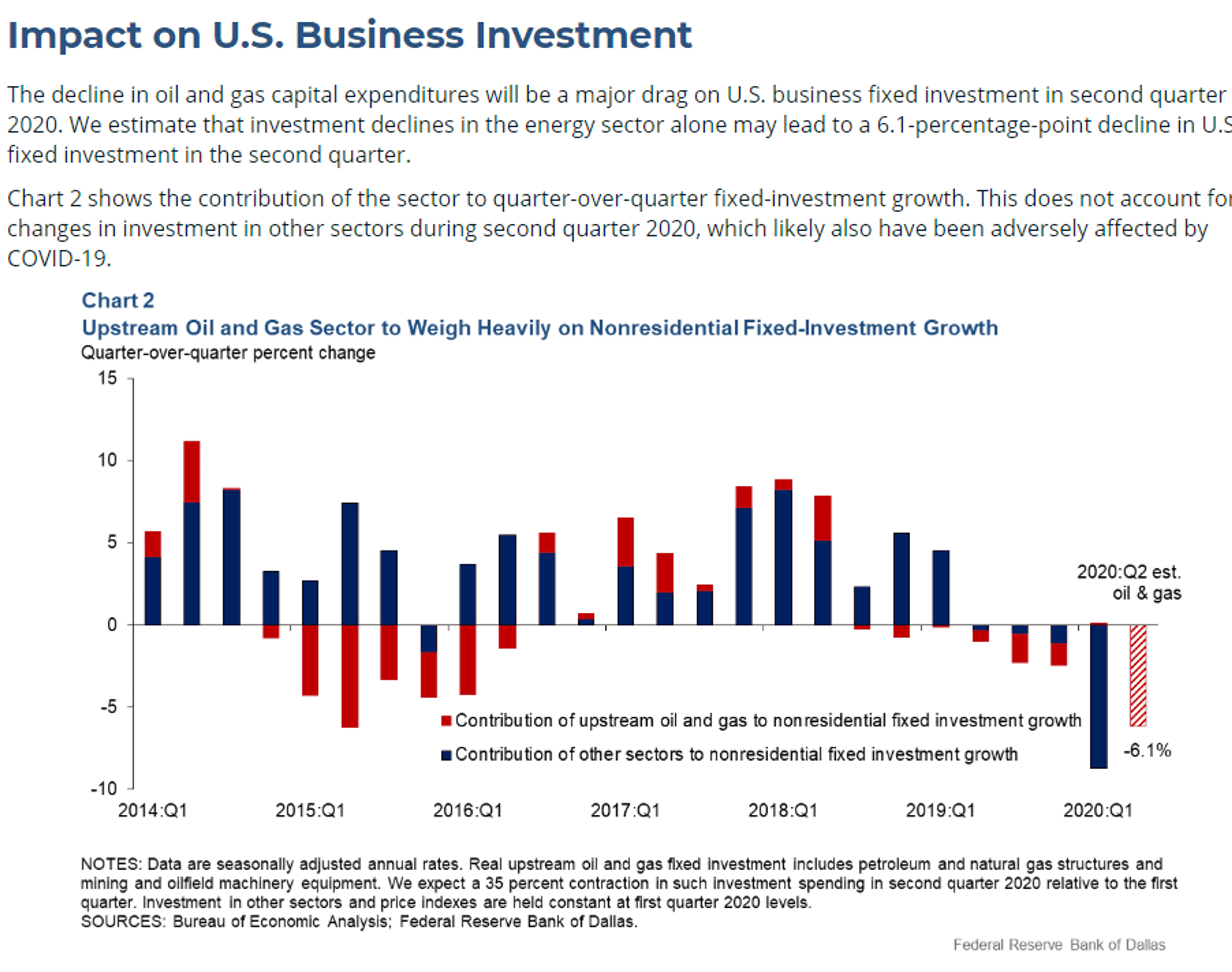
The Dallas FED released on outlook at the heavy impact falling energy prices and lack of storage space will have on total U.S. business investment. The report predicts a 35 percent drop in investment in the industry between Q1 and Q2, which is dragging down total U.S. non-residential investment by more than six percent.
Click here to download a PDF of today's TACenergy Market Talk.
Latest Posts
Governors Take Action As Energy Markets Navigate Volatility
Refinery Outages And Global Conflicts Keep Distillates In The Driver's Seat
Storms, Drones And A Walked-Back Export Ban: Why This Week's Selloff Might Not Last
Diesel Rally Resumes Amid Growing Debate Over US Export Limits
Week 38 - US DOE Inventory Recap
Refinery Economics Clash With Calls For A Diesel Export Ban
Social Media
News & Views
View All
Governors Take Action As Energy Markets Navigate Volatility
Refinery Outages And Global Conflicts Keep Distillates In The Driver's Seat