The Growing Disconnect Between Diplomatic Headlines And Energy Reality

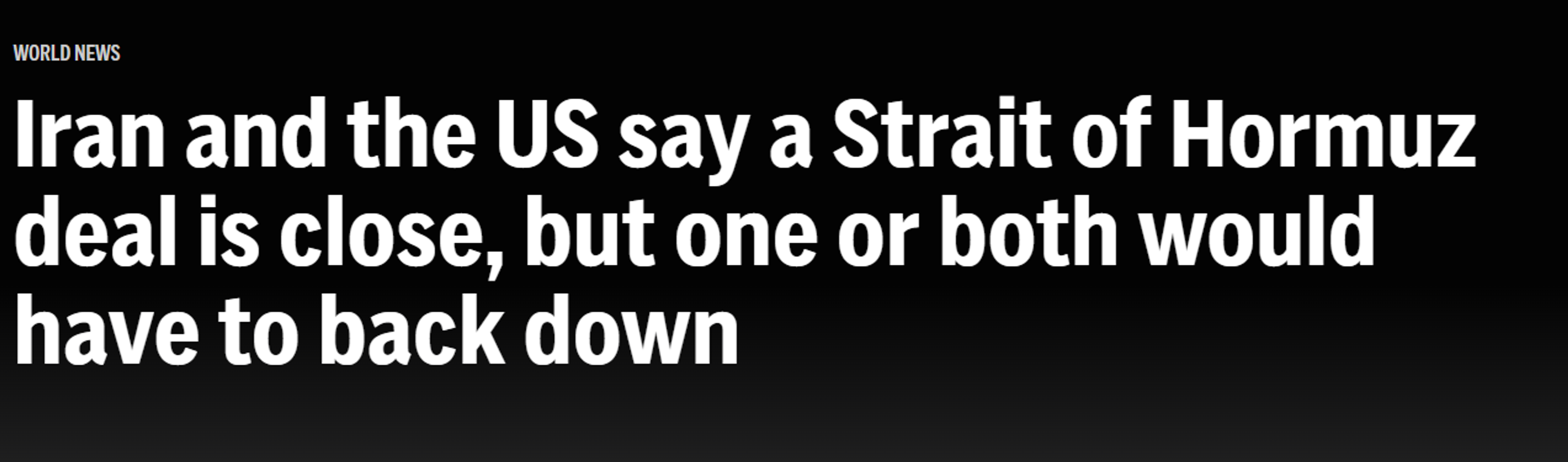
“Iran and the U.S. say a Strait of Hormuz deal is close, but one or both would have to back down”
In other words, a real deal to reopen the strait without restrictions is probably not close at all.
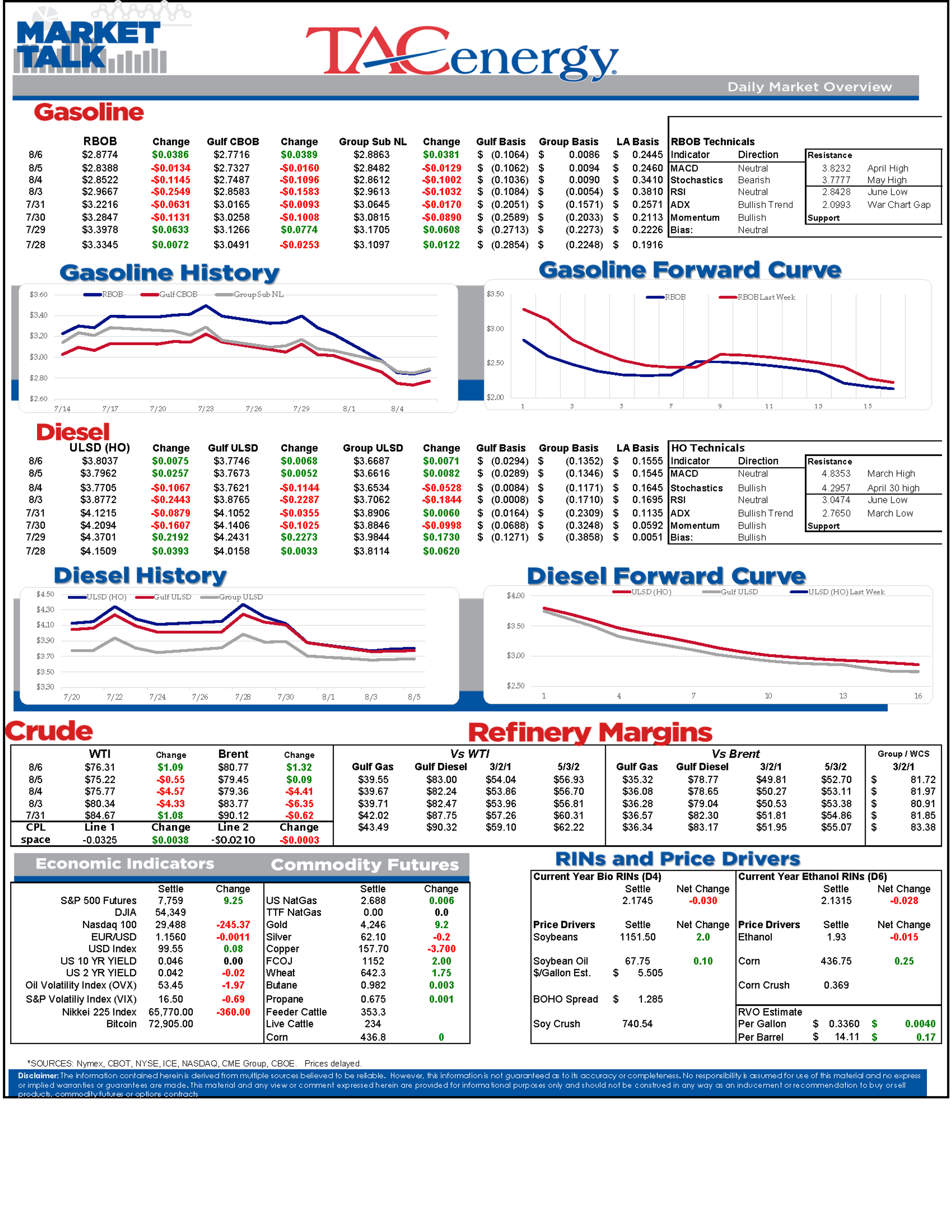
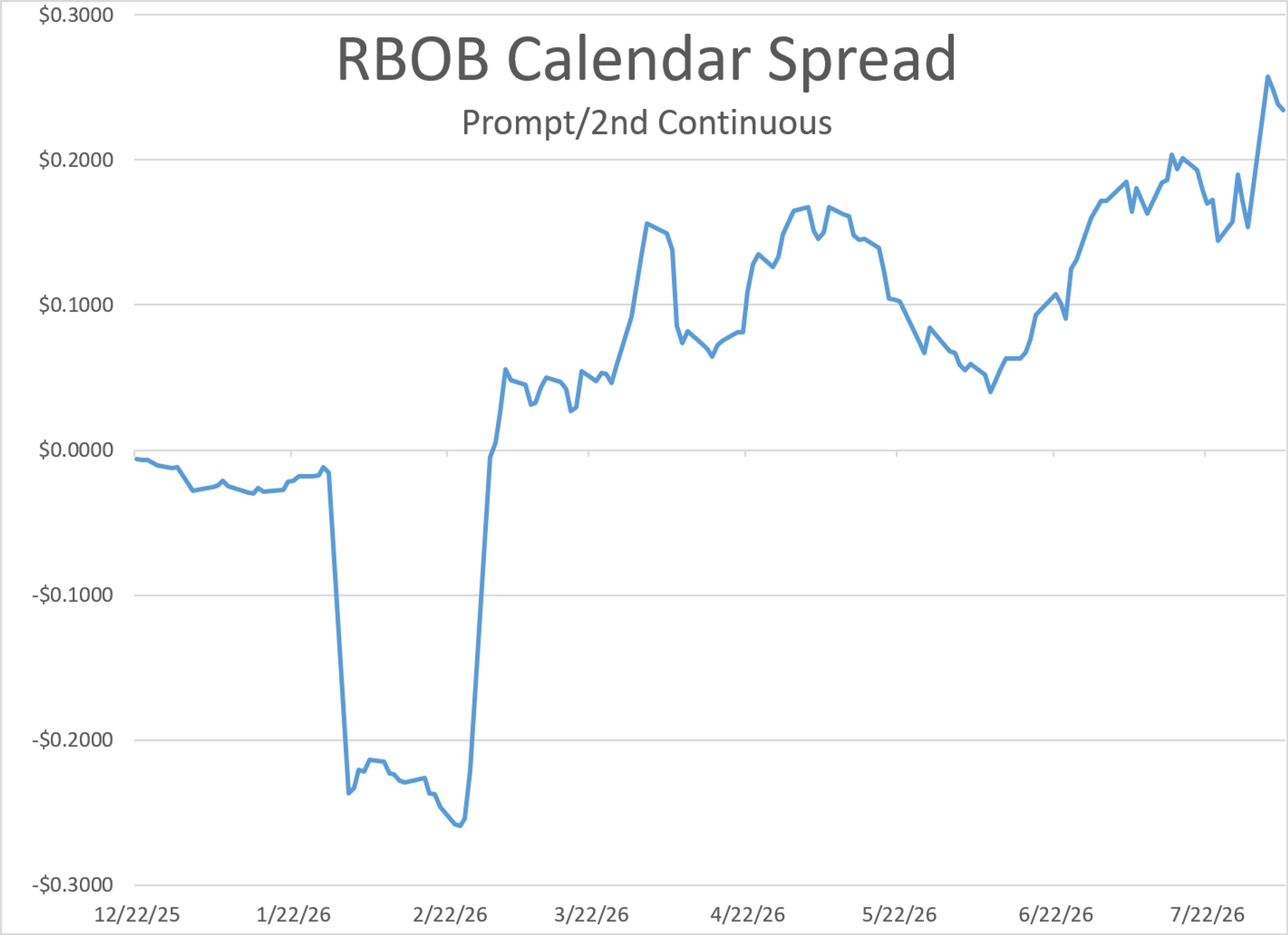
RBOB gasoline futures are leading the energy complex in a modest recovery bounce as each day that passes without the promised “deal” sheds more light on how far we really are from a meaningful return to normal shipping operations. That said, as long as both sides are still talking more than shooting, the market is giving the benefit of the doubt that supply will start moving more soon.
Meanwhile, the Houthis aren’t waiting around to find out what comes next with a deal, striking Saudi-backed Yemeni government forces overnight, with early estimates suggesting more than 30 troops were killed in the attacks. While those attacks don’t directly impact energy shipments, they do suggest that any Saudi attempts at diplomacy to try and avoid more disruptions to their exports may be failing.
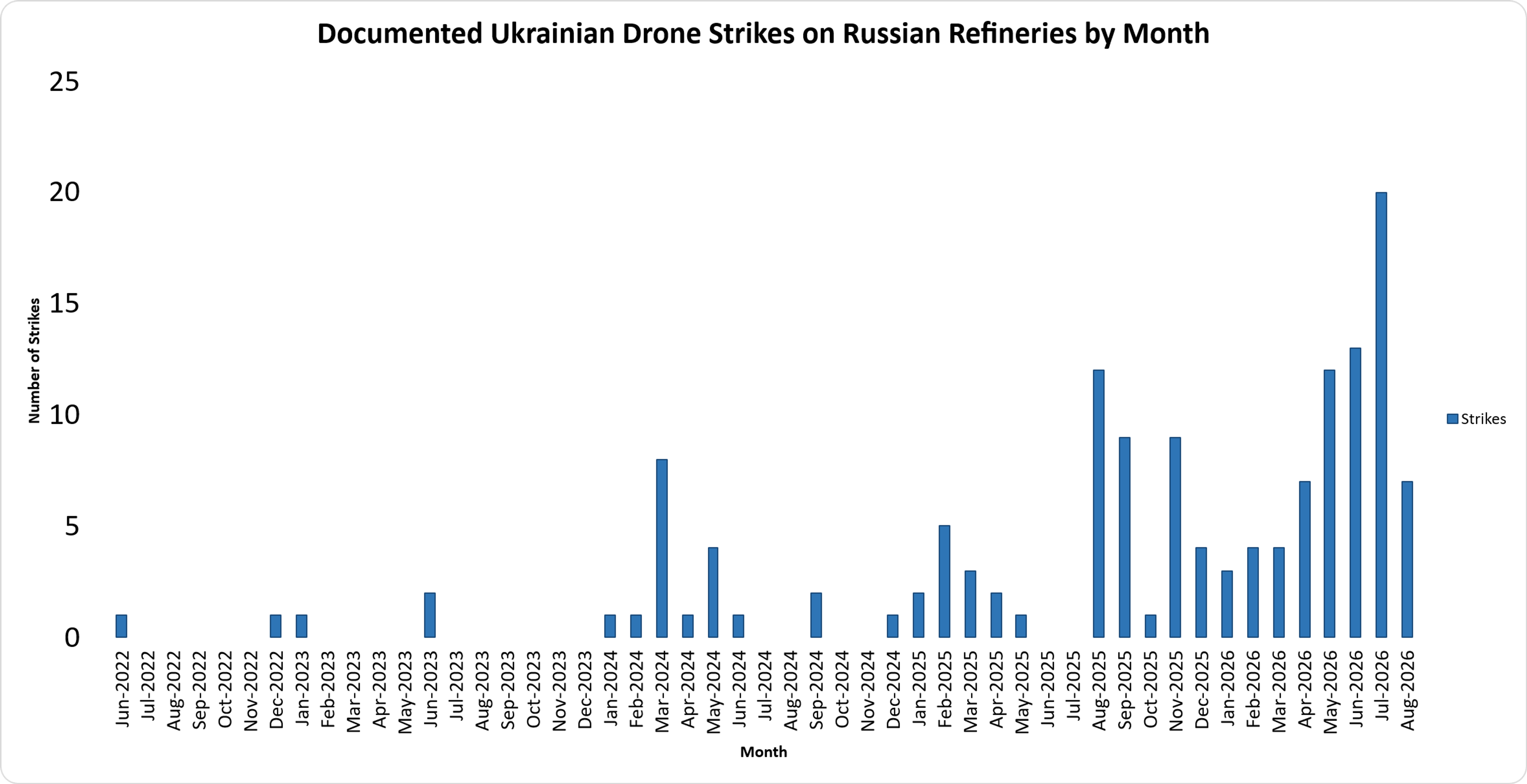
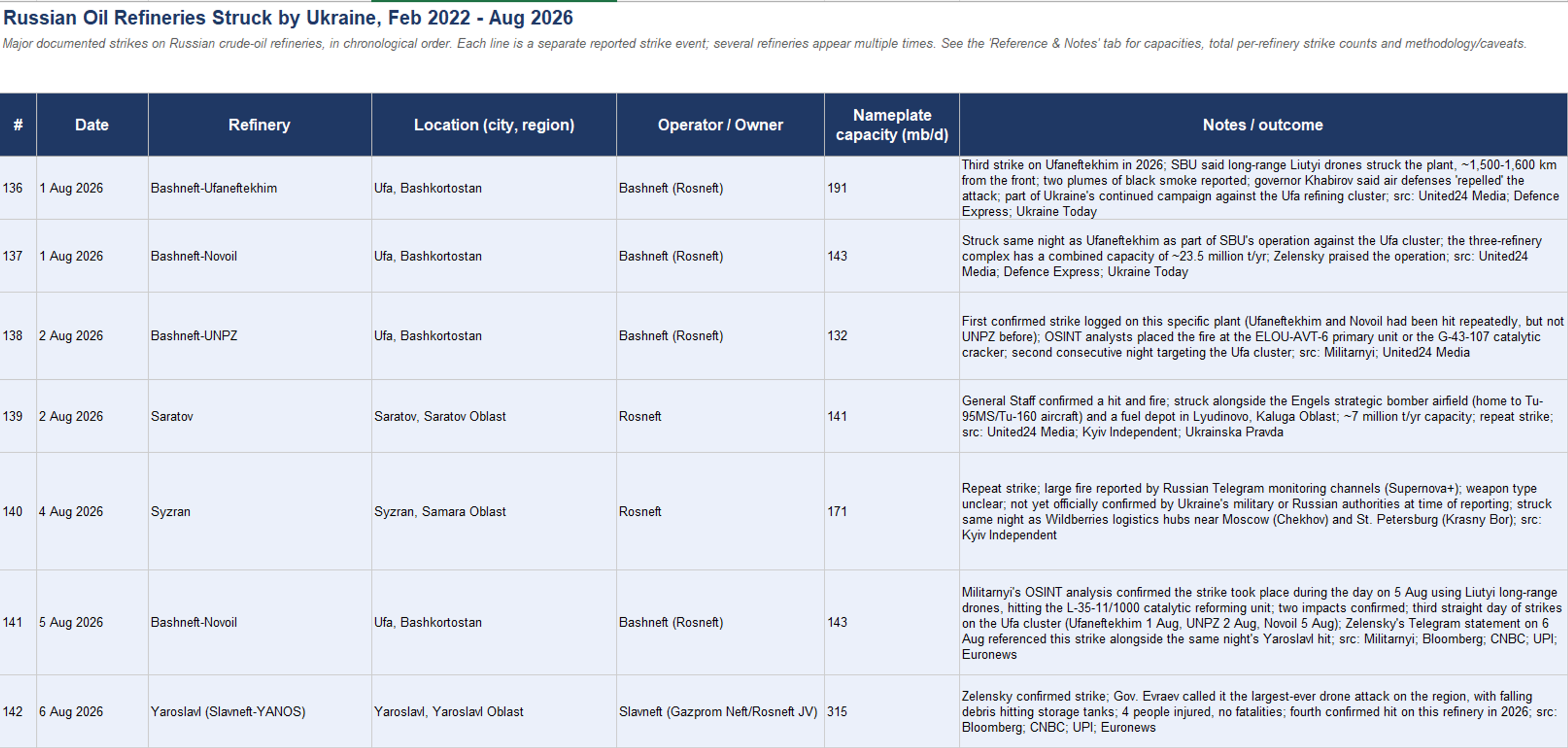
Ukraine has made 7 confirmed strikes on Russian refineries in the first 6 days of August, continuing the record setting pace of its long-range drone attacks. Yesterday’s attack on one of the UFA area refineries was confirmed later in the day, and then the 315mb/day Yaroslavl refinery was struck for the 4th time this year overnight. A Bloomberg report Monday estimated that Russian refinery runs reached a 24 year low during July, which was the record setting month for attacks with 20 in 31 days.
During yesterday’s earnings call, a P66 EVP confirmed what has been discussed for several months now, that the next 2 years will be heavier than normal for refinery maintenance since so many facilities are delaying work this year to capture record crack spreads.
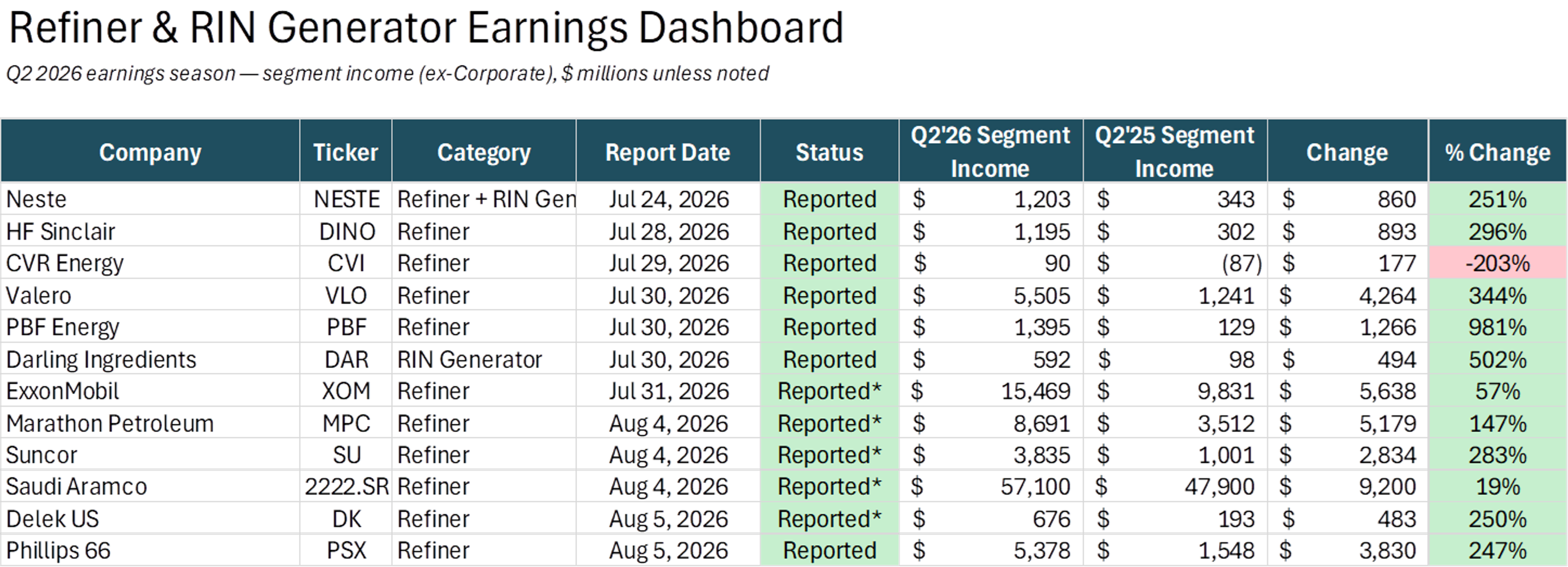
Delek was the latest refiner to announce a blow-out quarter as its earnings increased 250% from a year ago and they recognized a benefit of $148 million from the EPA’s small refinery waivers granted to several of its facilities. Awkward timing: The company reported that its Big Spring refinery was operating well following maintenance earlier in the year in the latest filing, only to report an upset at the plant later in the day caused by pump failures that forced the facility to adjust run rates.
Marathon reported multiple upsets at its 133mb/day El Paso TX refinery this week forcing an FCC and adjacent units offline. Neighbors of the refinery reported strong odors during the upset, adding to the community pushback against that facility, which was already facing challenges from government officials against renewing its air permits.
Human analysis of the DOE’s weekly report below. See charts and AI analysis of the report attached
Barrels continue to be released from the SPR, netting a draw for total U.S. crude this week despite the build in commercial stocks. Increased imports and reduced throughput aided the stock increase. Production is holding steady at record seasonal levels but much of that is still being exported. The increased inventories moved commercial crude to an 8-year seasonal low, but the draws on the SPR leave the total balance at a level not seen since 1984.
Refinery runs slowed in PADDs 1-3 with increases in PADDs 4 & 5 for a net reduction of 183 mb/day. PADD 1 slipped back to just below average while PADD 4 hit a 7th straight week of seasonal highs. PADD 5’s increase leaves run rates below the 5-year range but more in line with where the year began. PADD 2 had partial shutdowns at P66 Wood River and Citgo Lemont due to power outages and Motiva Port Arthur had to shut for unit repairs in PADD 3, expected to attempt restart this week.
Diesel stocks drew on increased demand and exports moving to an all-time high of 1,883 mb/day. PADD 1 added 3 million barrels but still sits below its 5-year range. PADD 2 continues to run below average and every other PADD dropped below their 5-year ranges, particularly in PADD 3 where the move came off a 3-week push to above average the week prior. With the heavy declines across most of the country, total U.S. diesel slipped back below the 5-year range last week. May renewable diesel stats released showing a slight drop in PADD 5 but increases/no change elsewhere for an overall build to a fresh seasonal high in total.
Gasoline stocks sunk to a 2026 low, a seasonal level not seen since 2012, with lowered imports and production slowing. PADD 5 had the lone increase on the week to hold below average but within the 5-year range, along with PADDs 1 & 4. PADDs 2 & 3 have been running under their 5-year ranges for 7 and 16 consecutive weeks, respectively.
Jet stocks declined on the coasts but increased in the middle of the country netting a small build. Exports increased in back-to-back weeks to move within 10 mb/day of the all-time high set back in May of this year, but sharp drops in demand over that period have held inventories steady.
Latest Posts
Diesel Strength Offsets Gasoline Weakness As Supply Concerns Mount
Diesel Under Pressure As Traders Discount Supply Disruptions
Week 37 - US DOE Inventory Recap
Oil Pulls Back After Rally While Distillates Extend Gains
Refinery Disruptions And Strait Closures Fuel Diesel Rally
Oil And Diesel Rally On Escalating Infrastructure Attacks
Social Media
News & Views
View All
Diesel Strength Offsets Gasoline Weakness As Supply Concerns Mount
Diesel Under Pressure As Traders Discount Supply Disruptions