Energy Markets Navigate War Risks, Hurricane Threats, And Supply Disruption

It’s been another busy overnight session for energy markets as traders try to determine what might come next from the expanding wars.
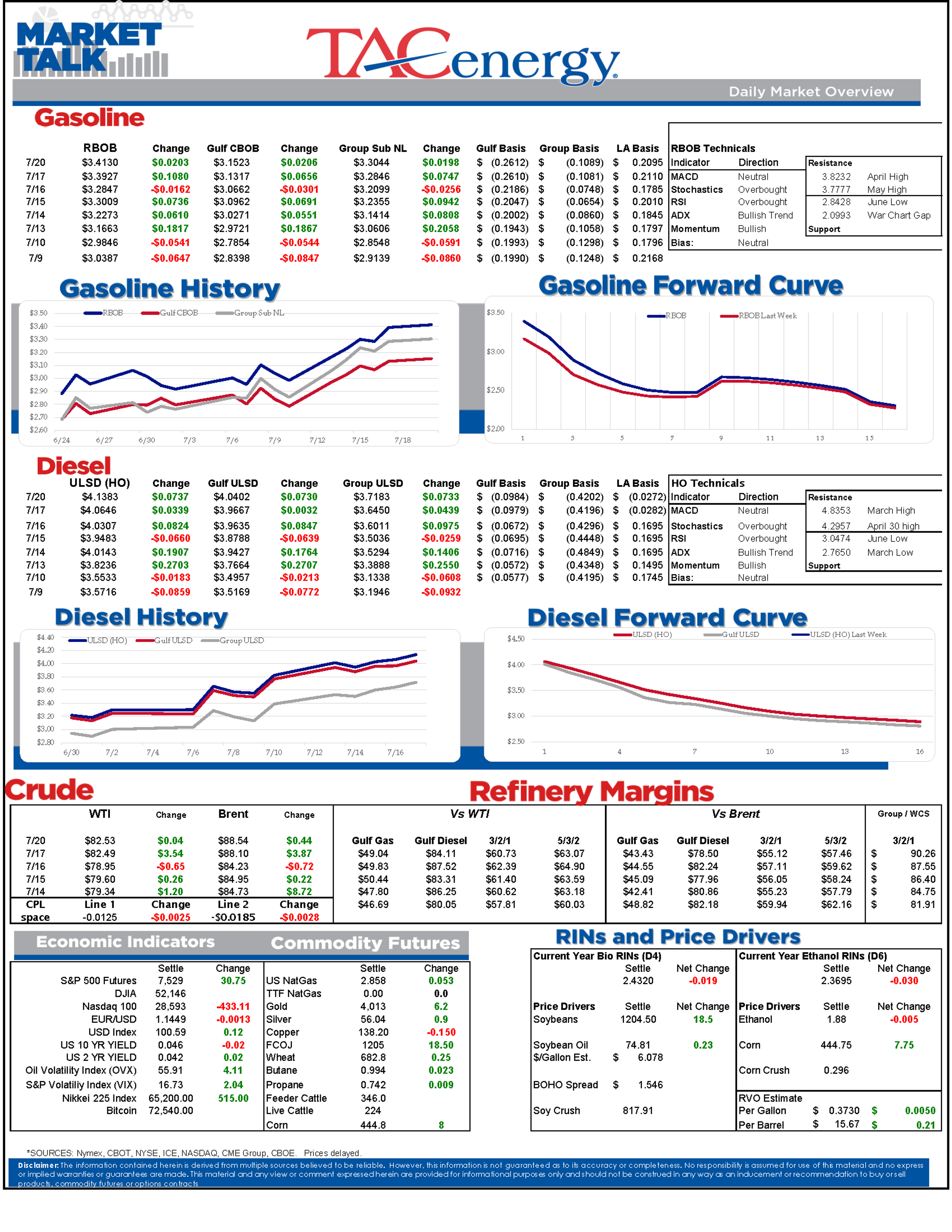
Prices started out with more strong gains when trading resumed Sunday night, with Brent crude trading north of $90/barrel for the first time in 6 weeks as the fighting between the U.S. and Iran ramped up over the weekend. The gains have eased this morning however, following reports that Iran is stating that mediation efforts to try and end the violence are ongoing despite the recent rash of attacks, while others have noted that Iran appears to be intentionally avoiding targets, most notably in Israel, as a sign that they’re hoping to avoid a wider war.
Diesel futures were up nearly 14 cents/gallon at their overnight high, and down nearly 6 cents at their low, and are currently trading up by about 8 cents on the day, marking roughly an 83 cent increase for the August ULSD contract since the fighting resumed. RBOB gasoline futures continue to be less volatile than their diesel counterparts most days, vacillating between nickel gains and losses overnight, and holding onto 2 cent gains at the moment, some 43 cents above where they were when the fighting restarted 10 days ago.
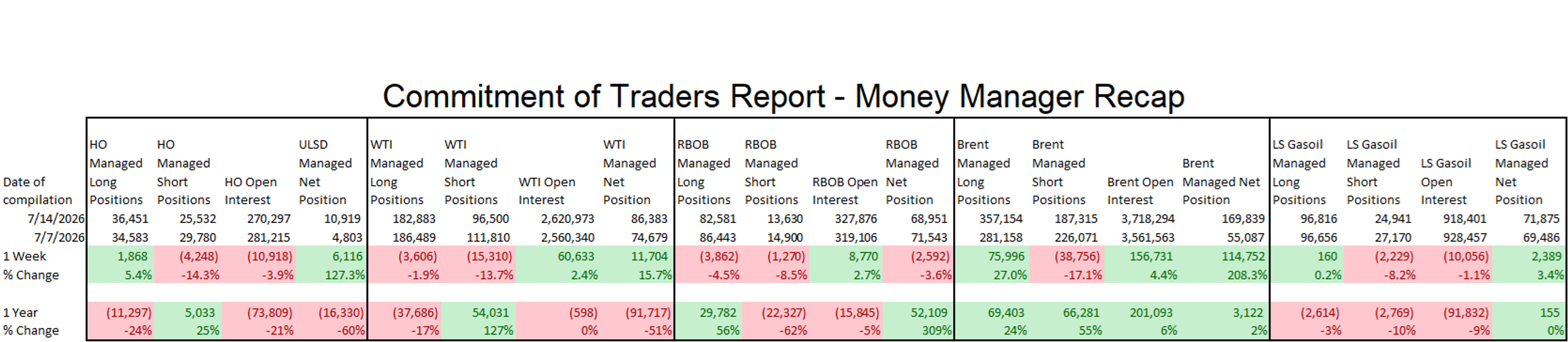
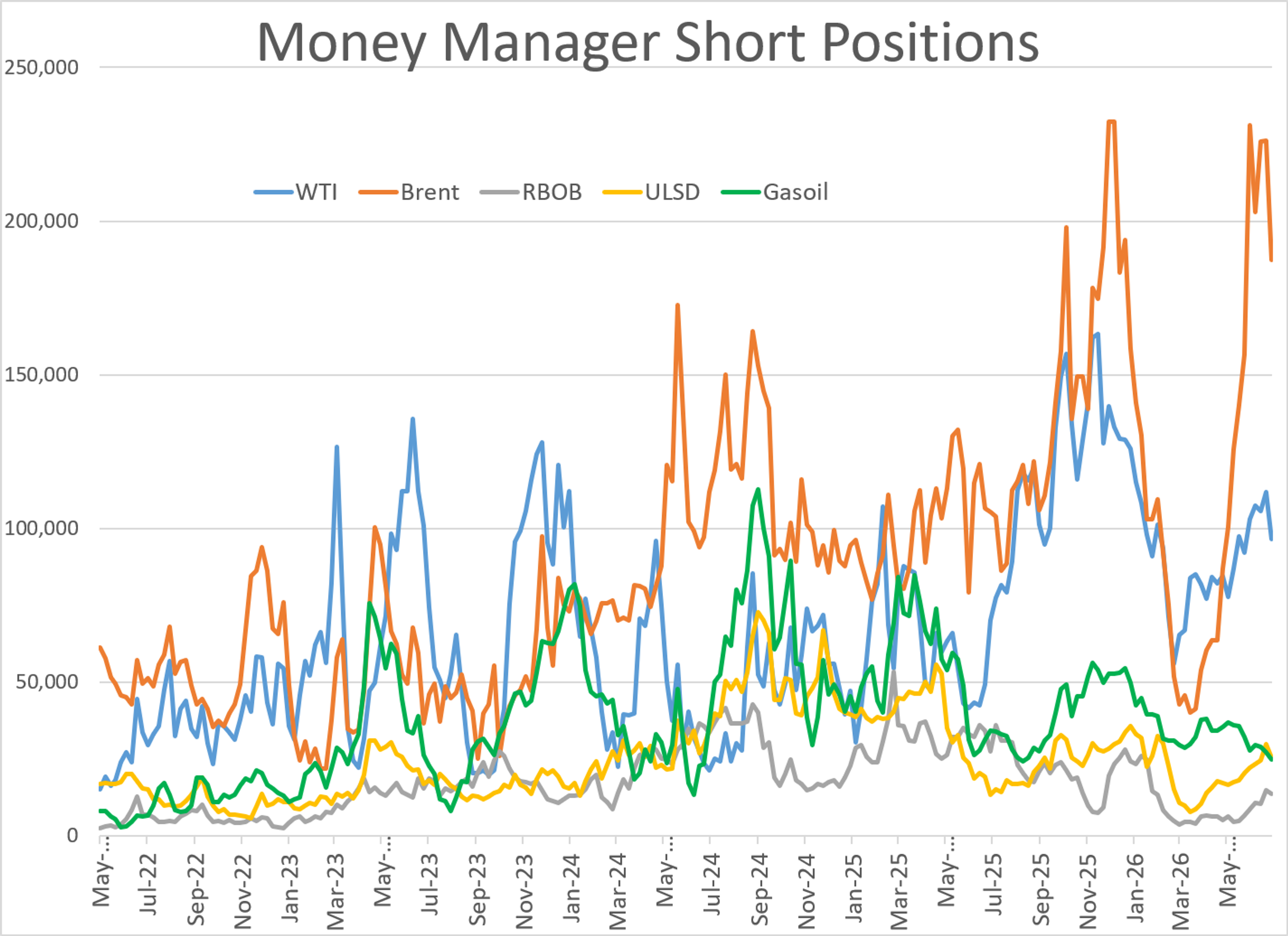
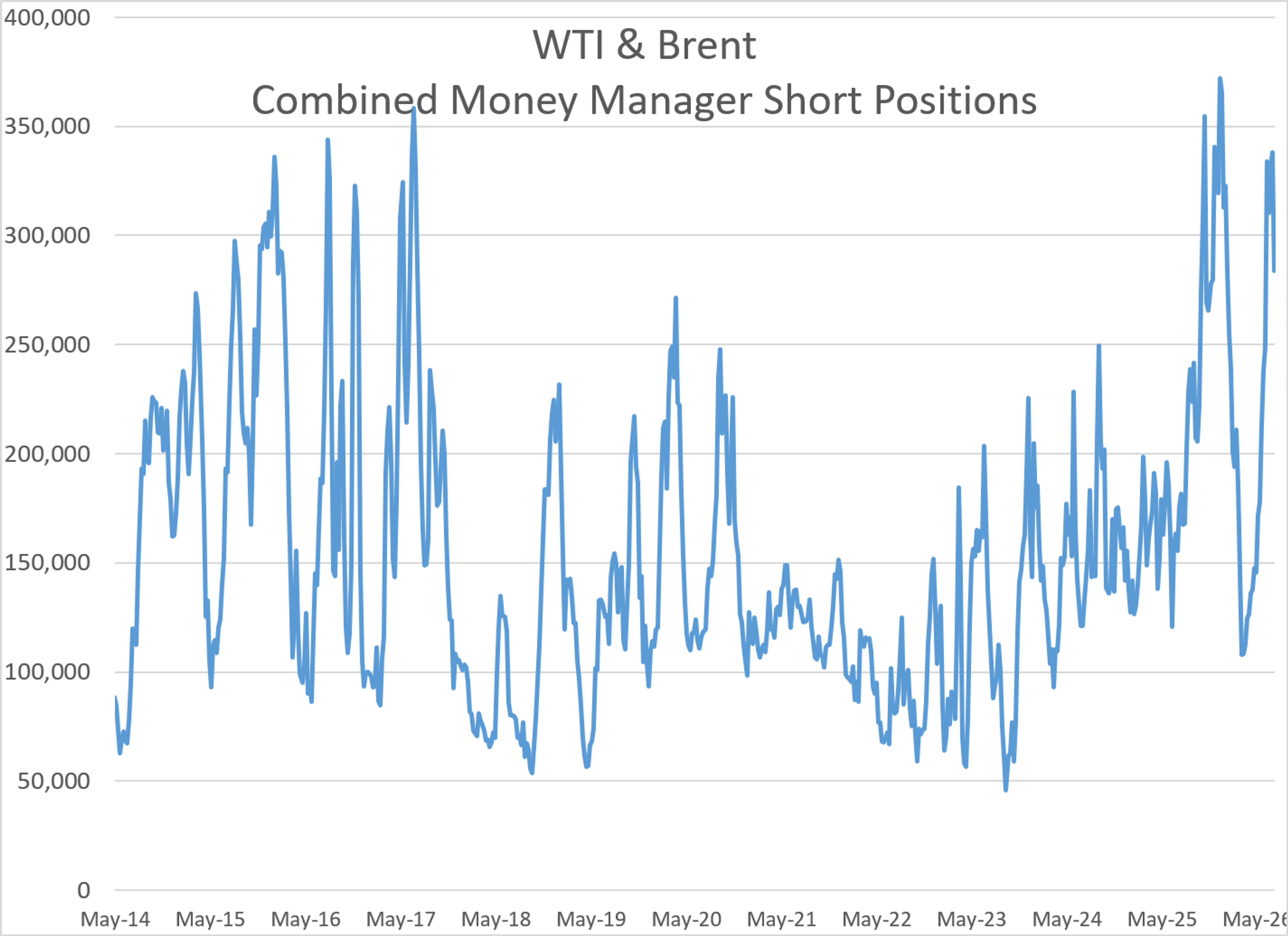
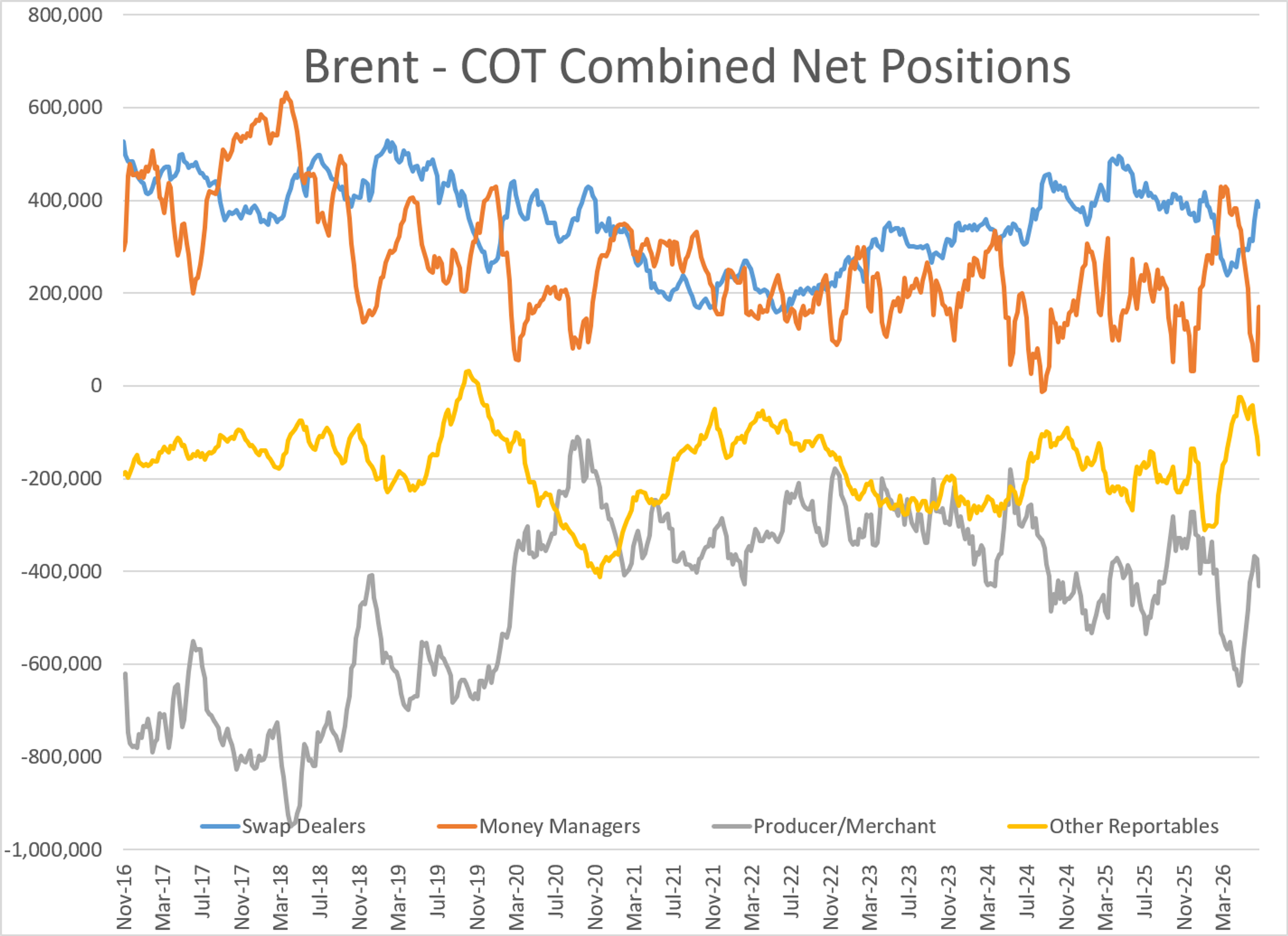
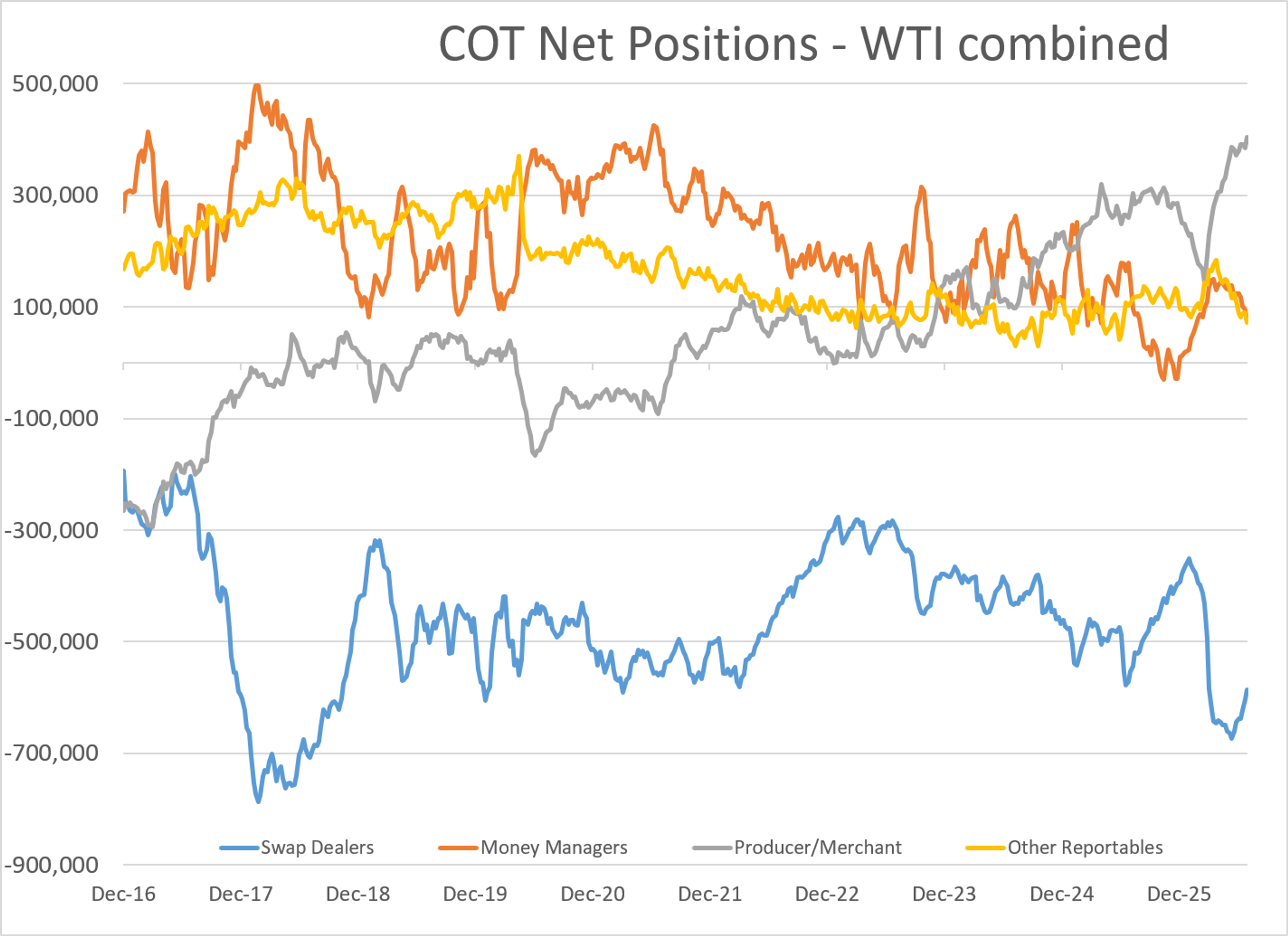
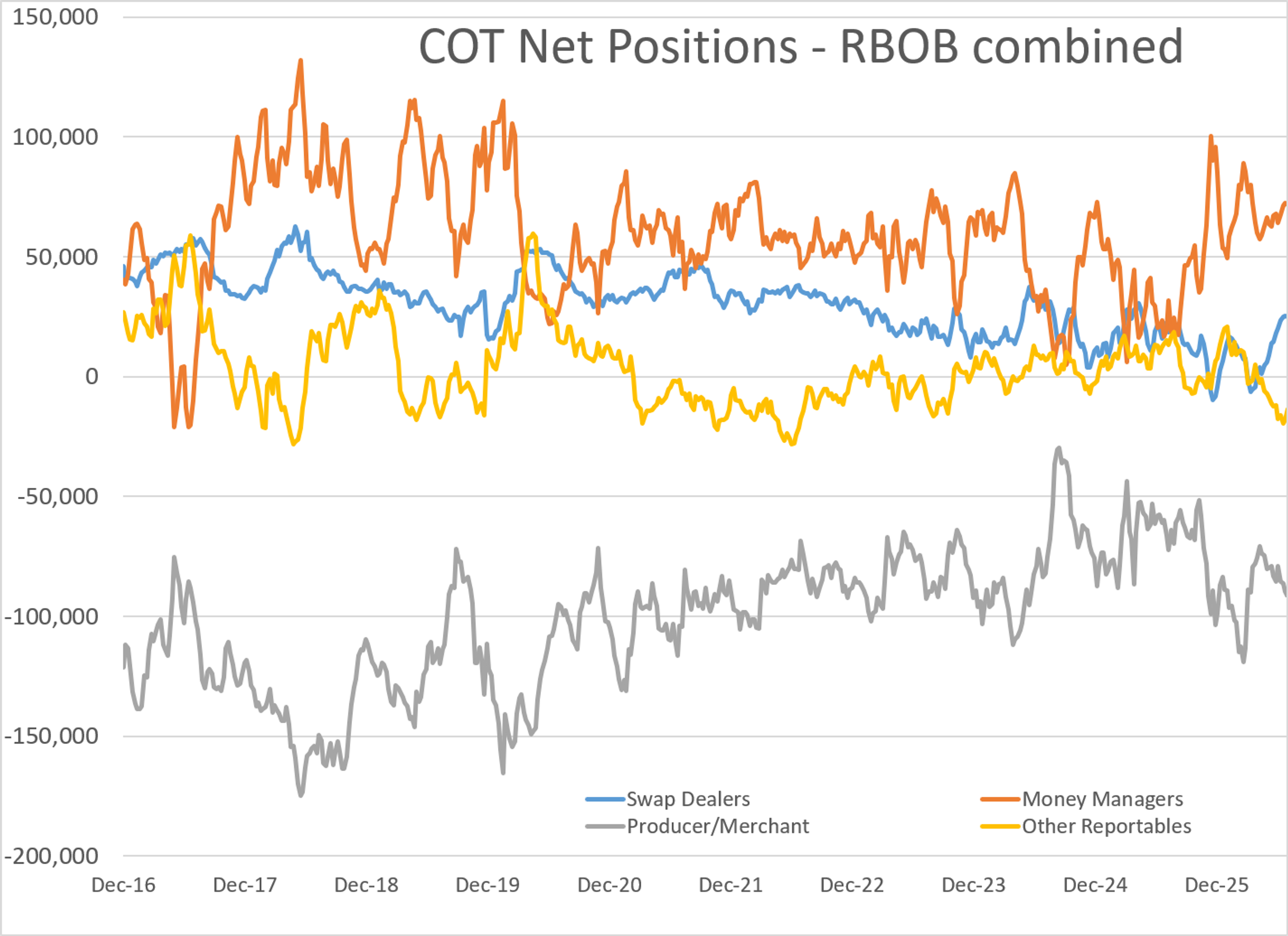
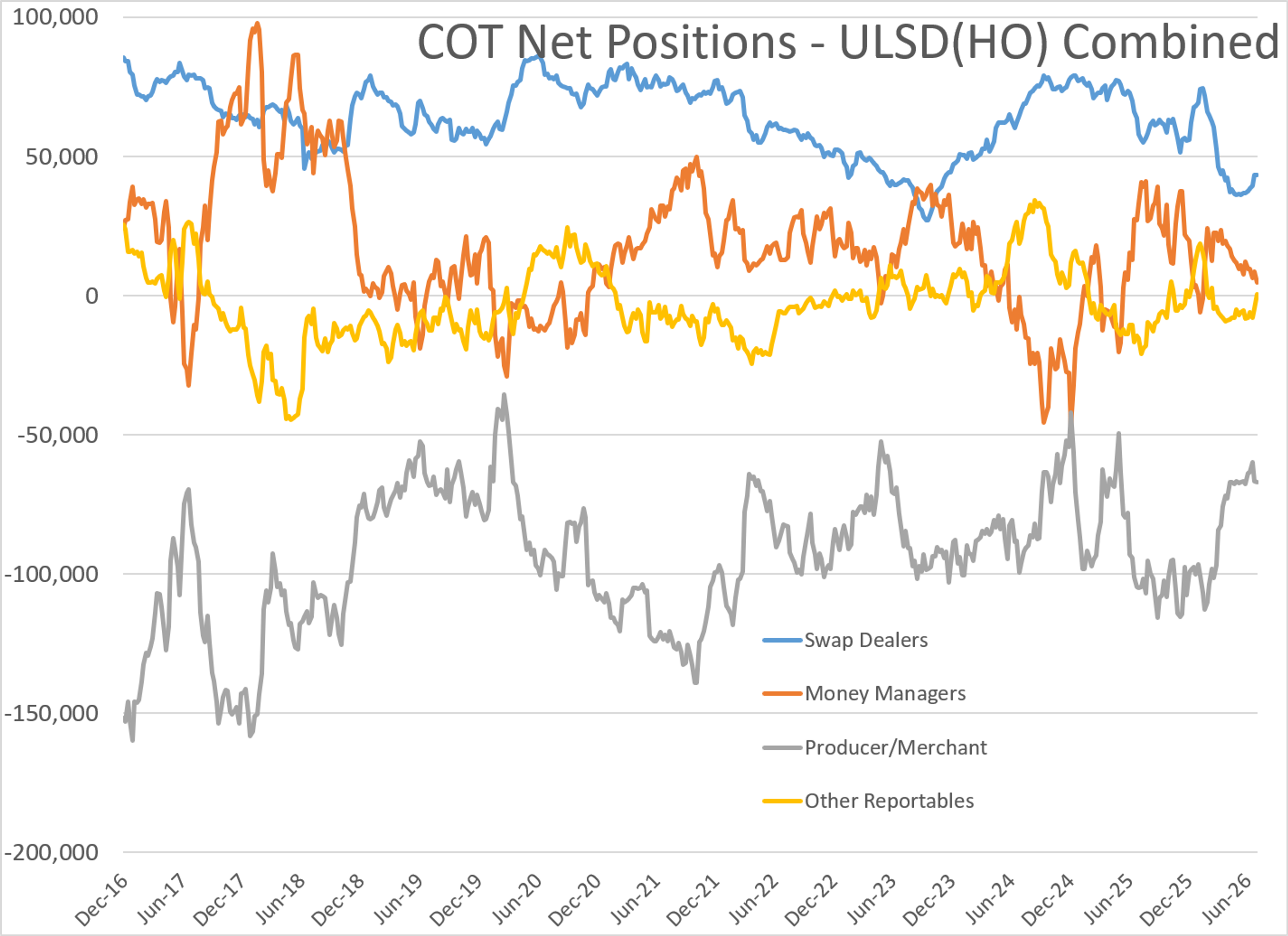
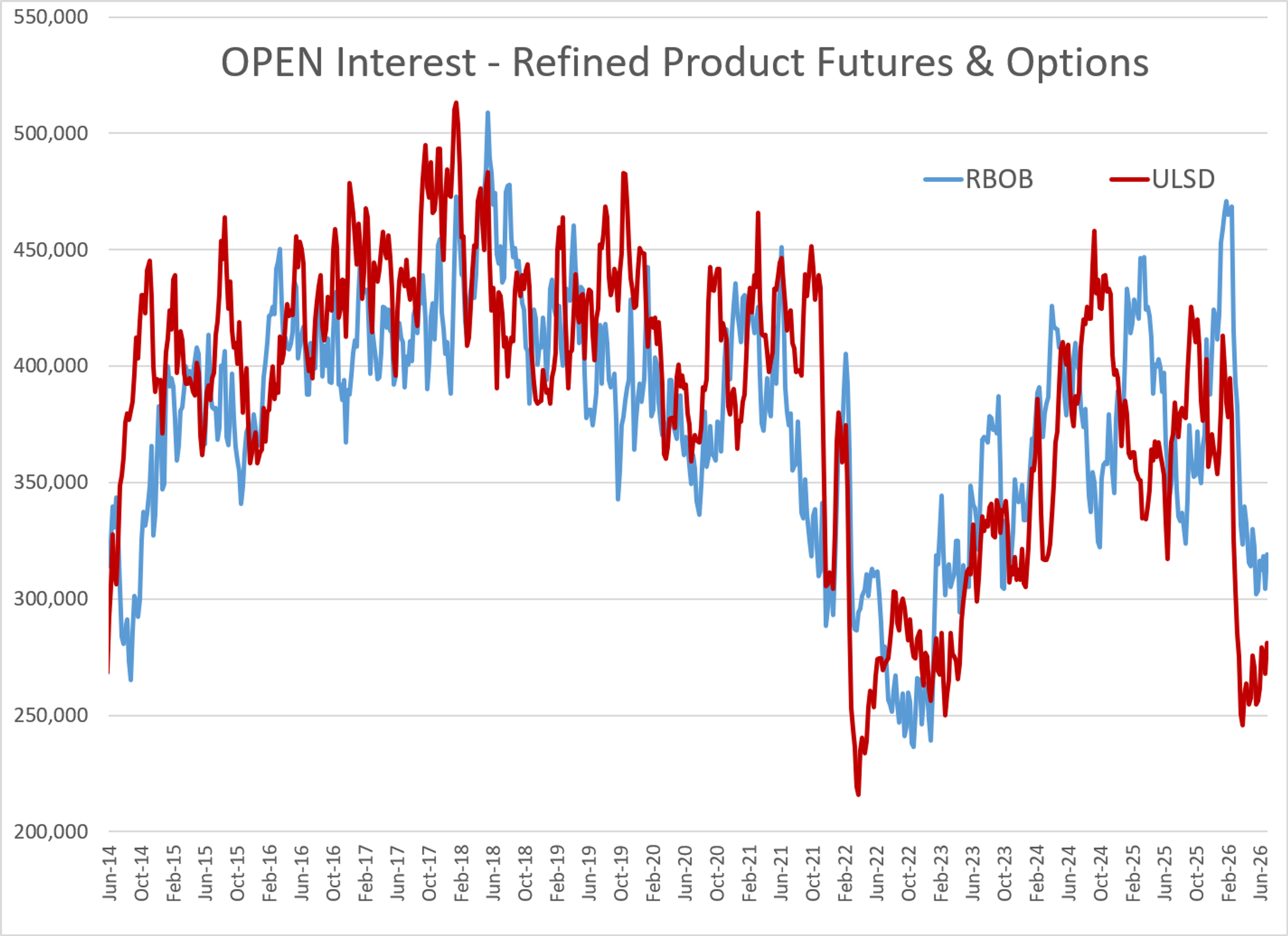
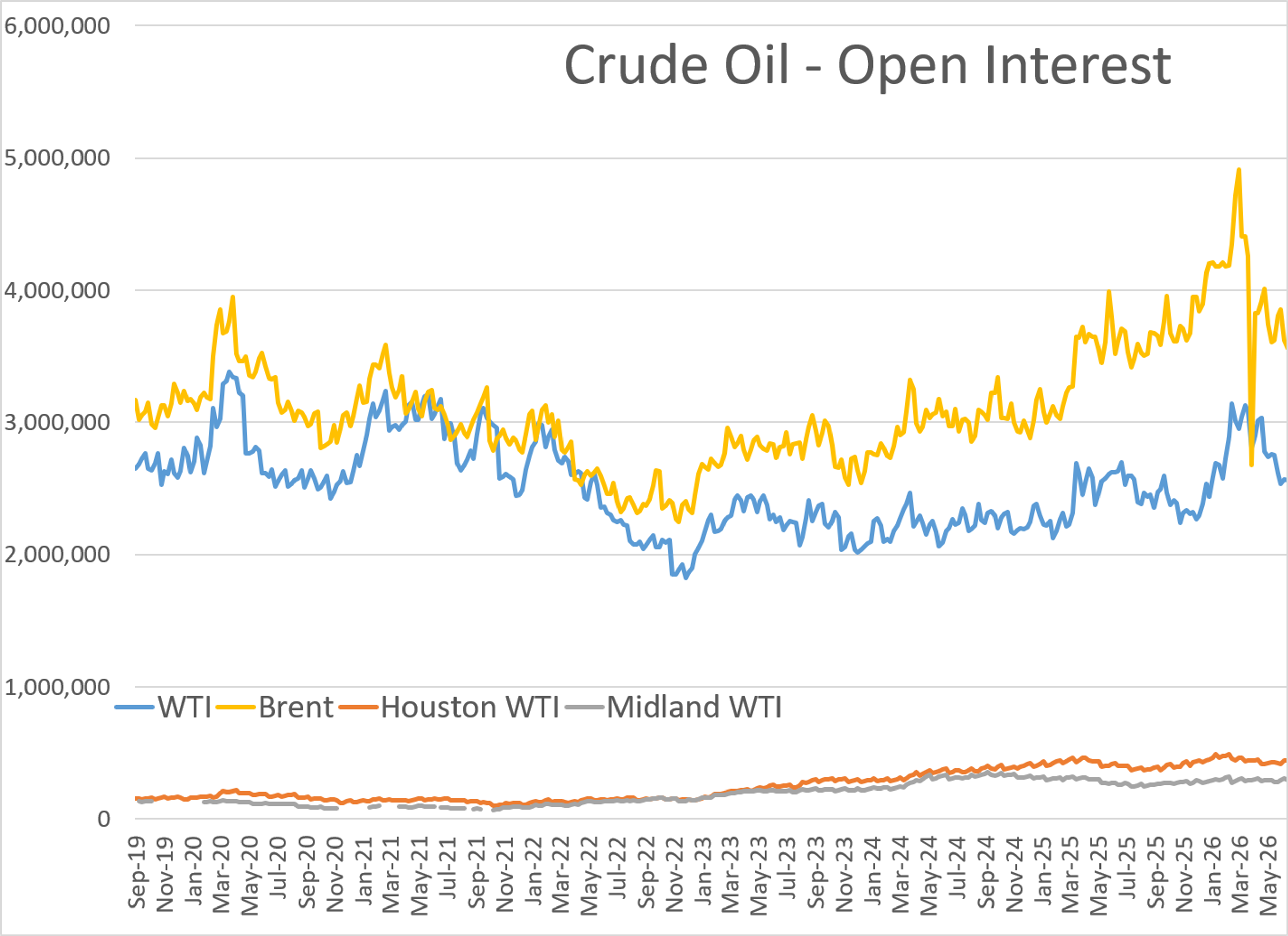
Can we have a do over? Money managers were getting squeezed out of short positions last week as the resumption of fighting appears to have caught the large speculative class of trader flat footed as they built another huge short position betting on lower oil prices, even after they’d dropped back to the $70 range. More than 54,000 short positions held by money managers were liquidated last week between Brent and WTI, and nearly 76,000 new long positions were added in the Brent crude contract alone as prices surged. Open interest across the energy sector remains low as many traders seem content to sit on the sidelines rather than take on the elevated risks and increased margin costs of trading.
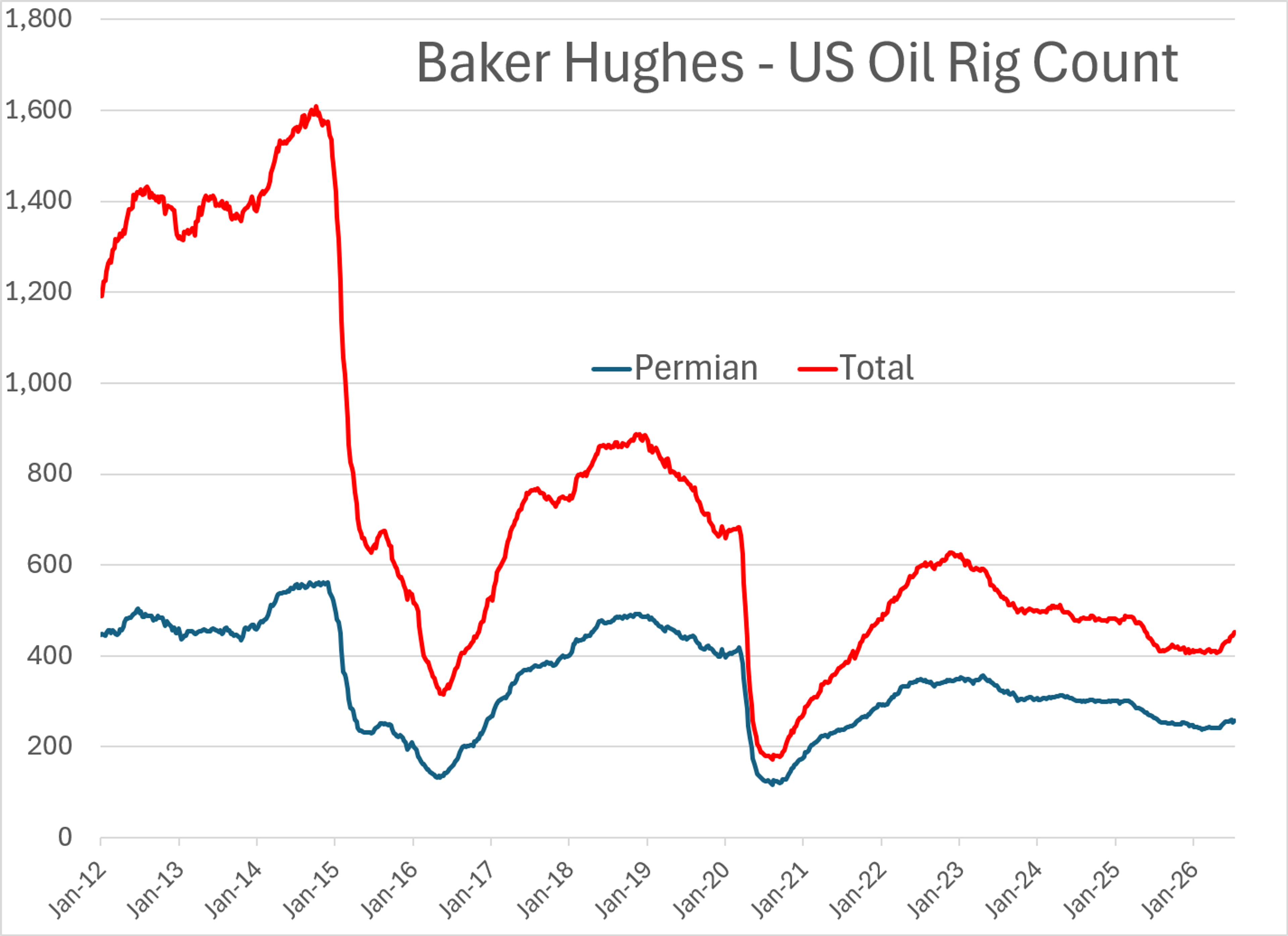
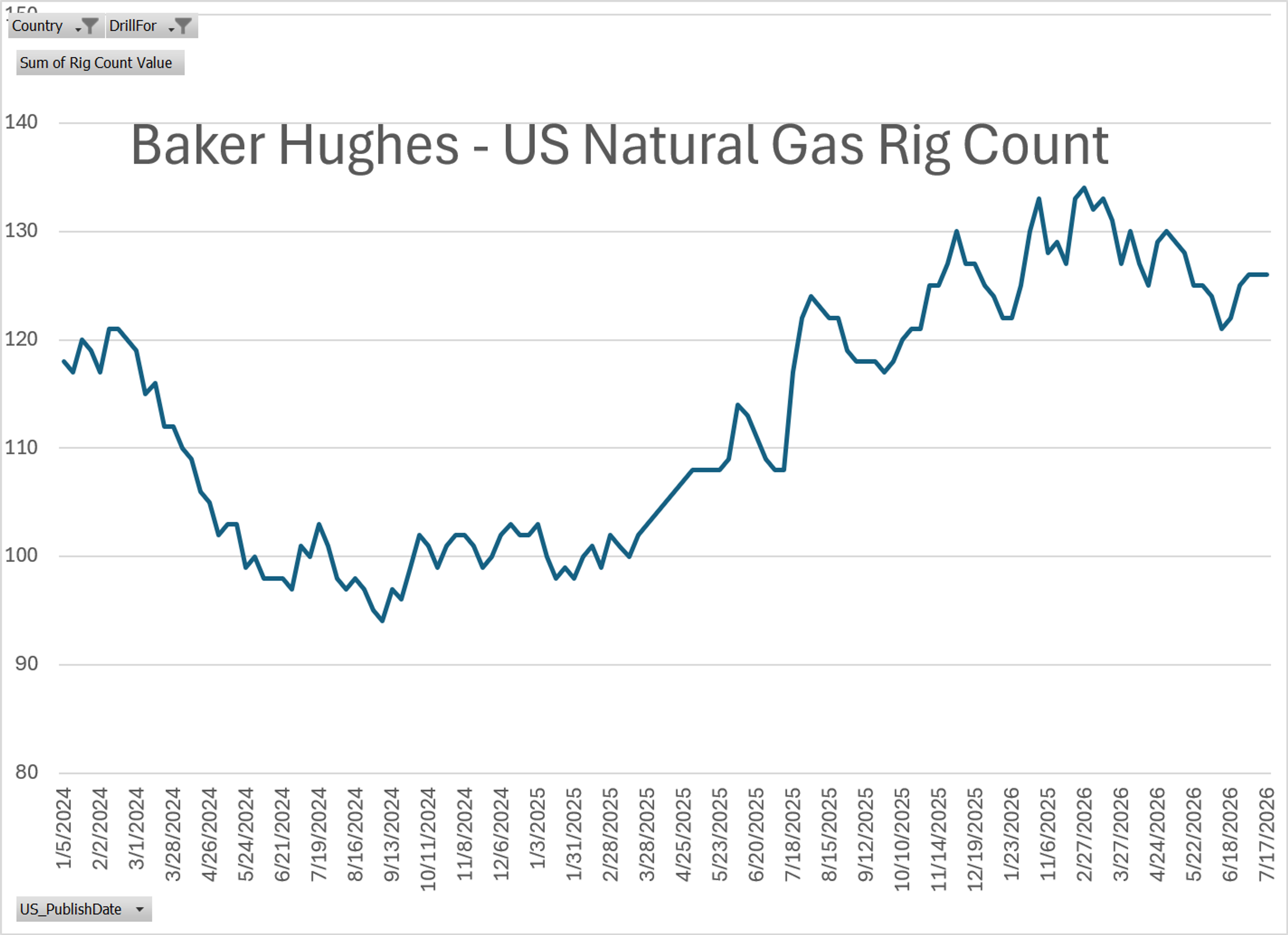
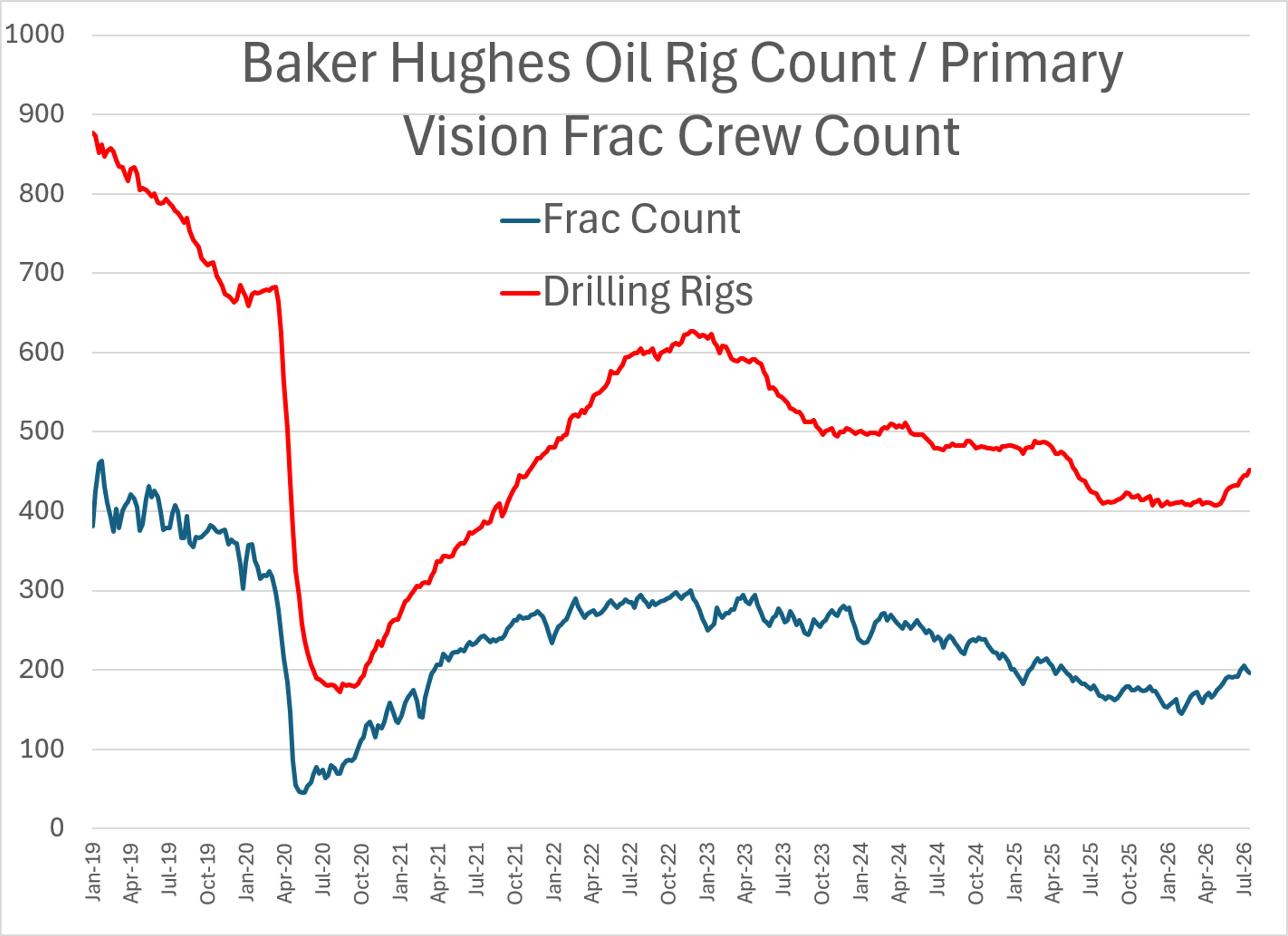
Baker Hughes reported a net increase of 7 oil rigs drilling in the U.S. last week, resuming the recent upward trend after holding steady the week prior. The total U.S. oil rig count now stands at 452 rigs, the highest count since May of 2025. The natural gas rig count held steady for a 2nd straight week at 126.
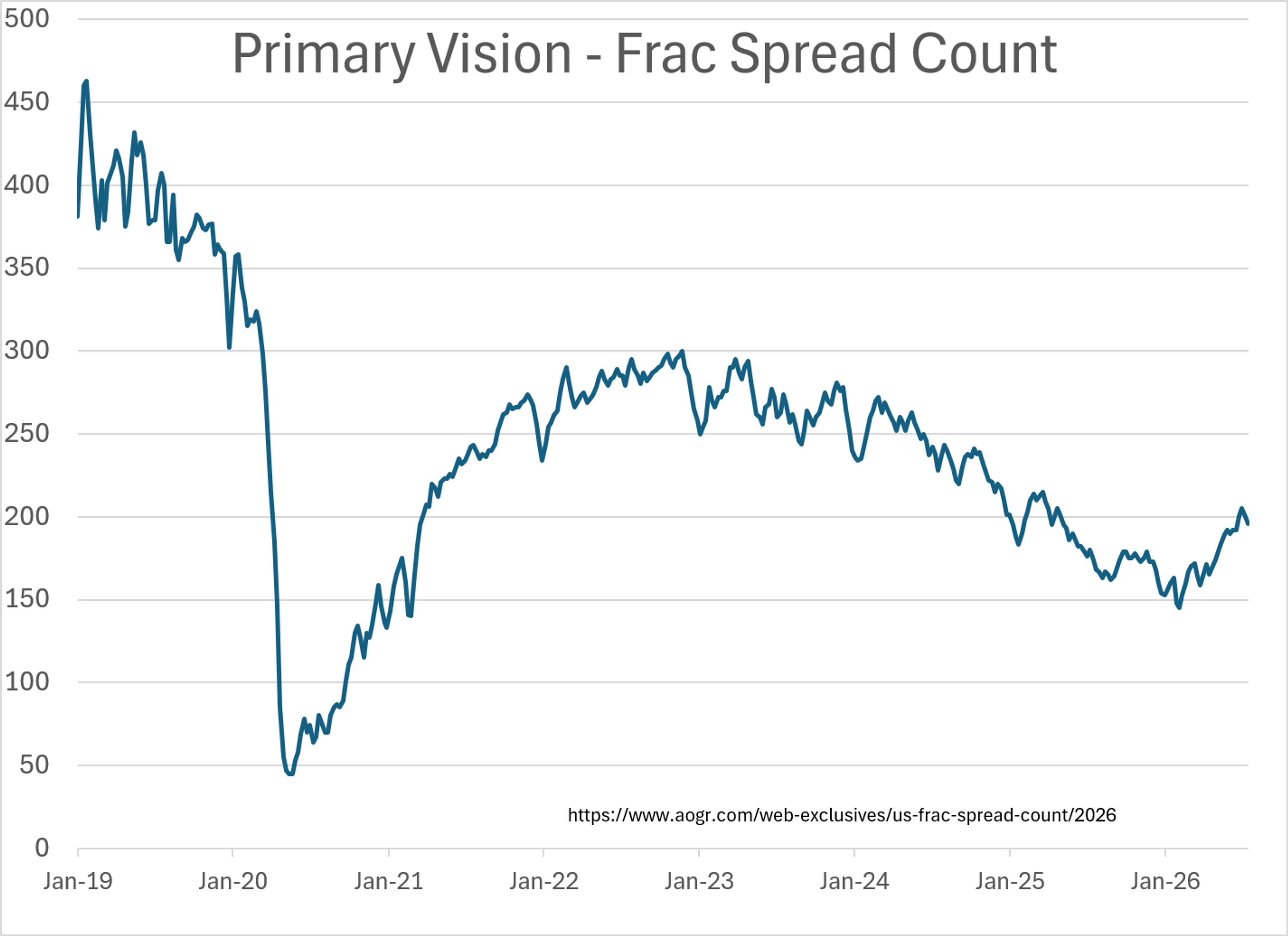
The Primary Vision count of fracking crews active in the U.S. decreased by 4 last week and stands at 196.
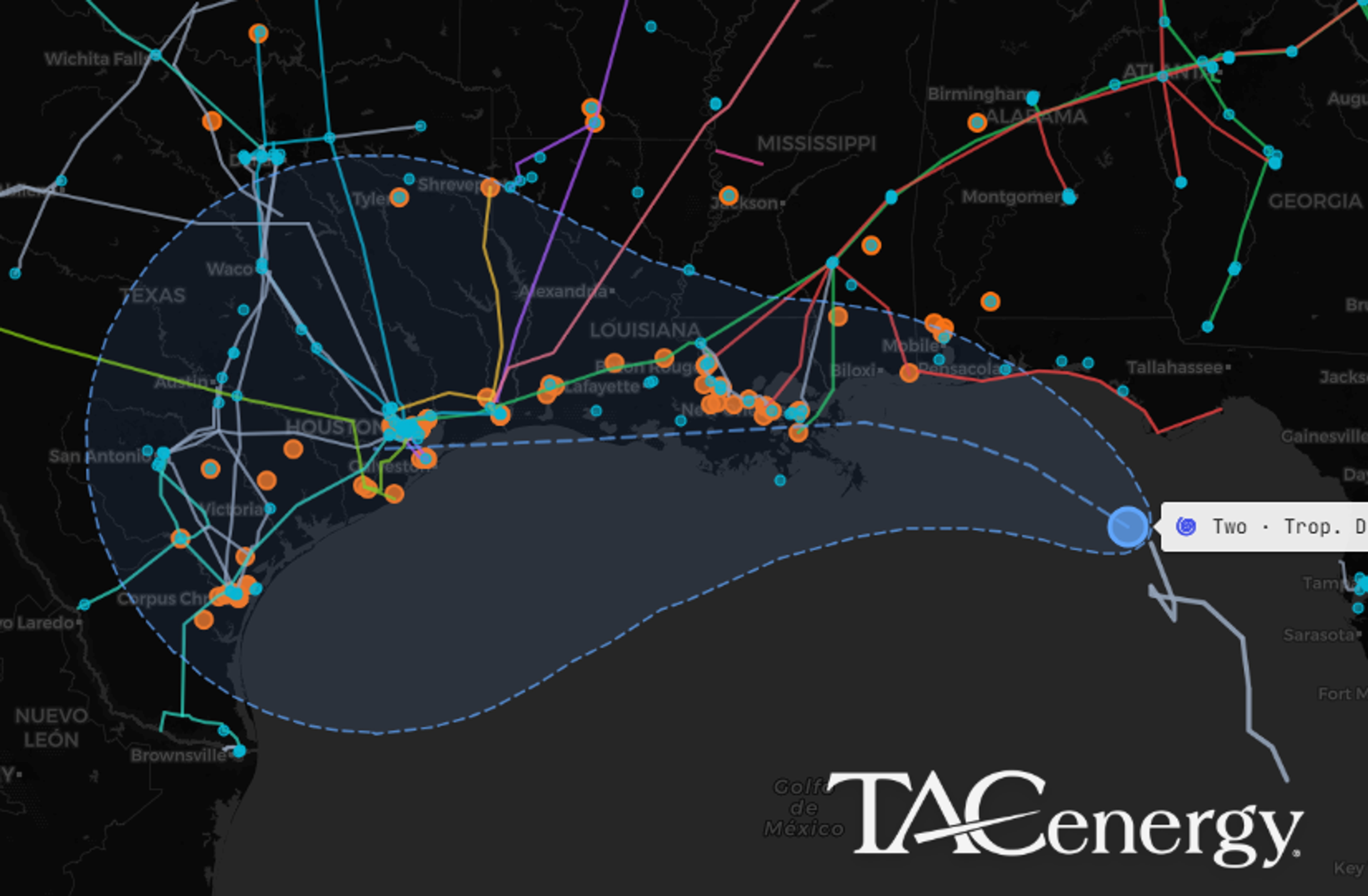
The National Hurricane center expects a tropical storm to be named later today or tomorrow as a storm system moved off the west coast of Florida over the weekend. This system is expected to bring heavy rain to most of the Gulf Coast, but will stay close to shore as it moves over refinery row, so it should not have a chance to develop further and pose a major threat. Localized flooding and power loss will still be a concern as it makes its way west towards the heart of the U.S. fuel industry mid-week.
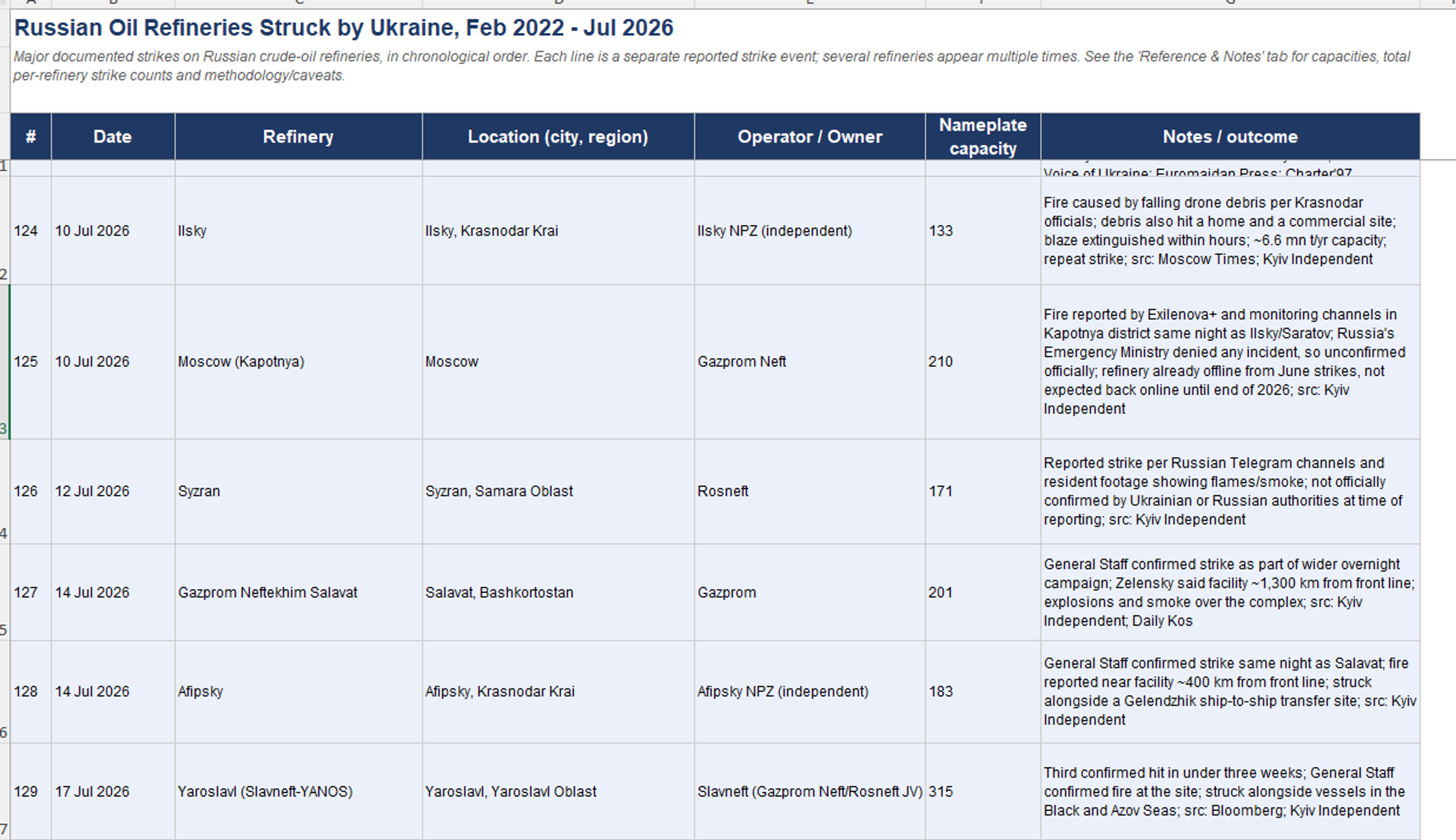
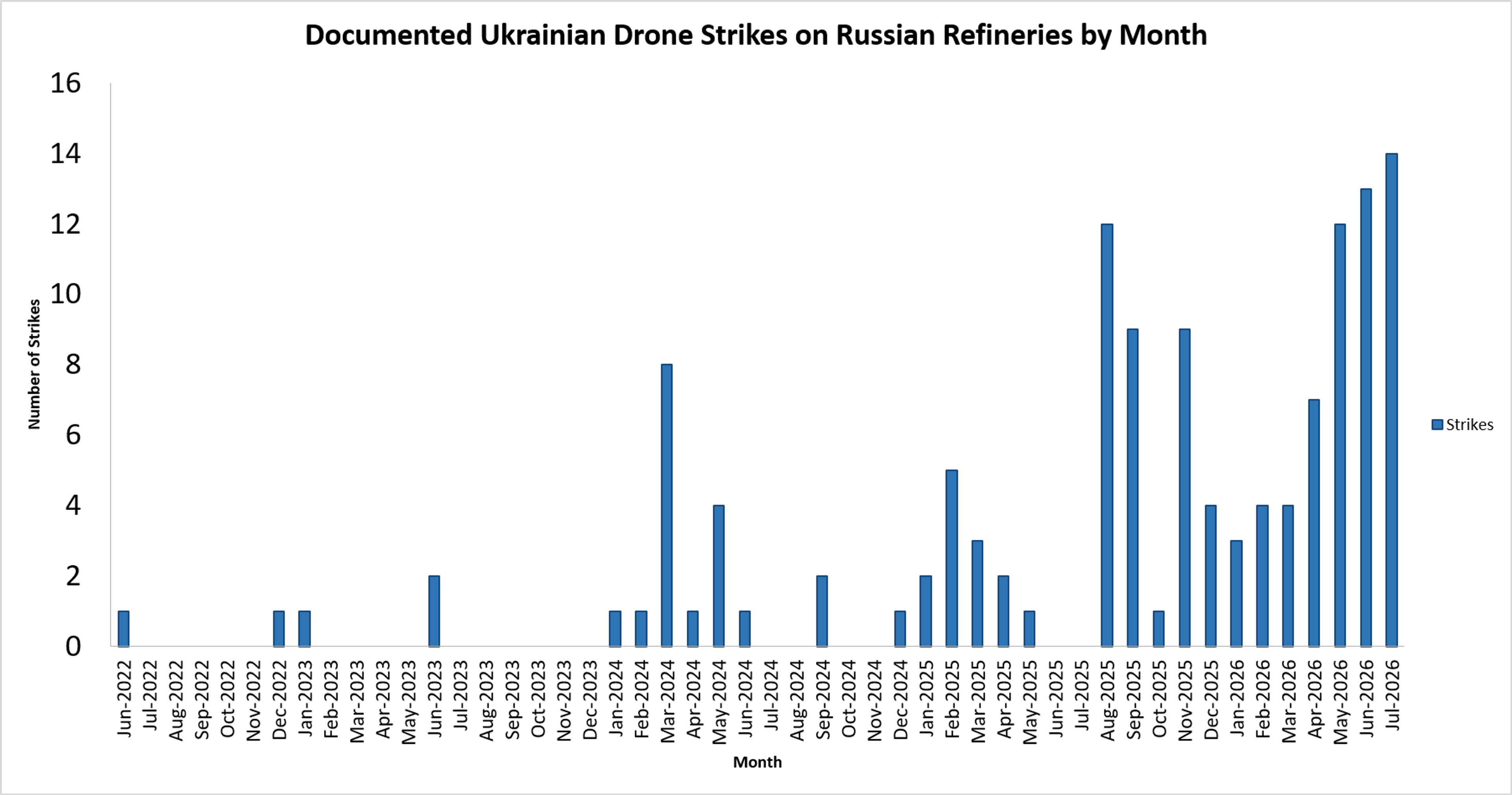
Ukraine’s drones have already hit at least 14 different refineries in July, marking the highest number of strikes in a month since their campaign began more than 2 years ago and there are still 11 days left to go. The last strike reported was Friday, so it seems they’re due for more soon if the trend continues.
Latest Posts
Bullish Diesel Fundamentals Overshadow Weakness In Gasoline Markets
Week 41 - US DOE Inventory Recap
Energy Markets Juggle Supply Risks, Inflation Pressures, And Geopolitical Conflict
Crude Climbs For A Fifth Day While Global Fuel Supplies Remain Under Pressure
Refining Margins, Tanker Attacks, And OPEC Growth Shape Energy Outlook
Oil Rises As Political Chaos And Supply Risks Shake Markets
Social Media
News & Views
View All
Bullish Diesel Fundamentals Overshadow Weakness In Gasoline Markets
Week 41 - US DOE Inventory Recap