Diesel Prices Swing Wildly Amid Tanker Attacks And Supply Concerns

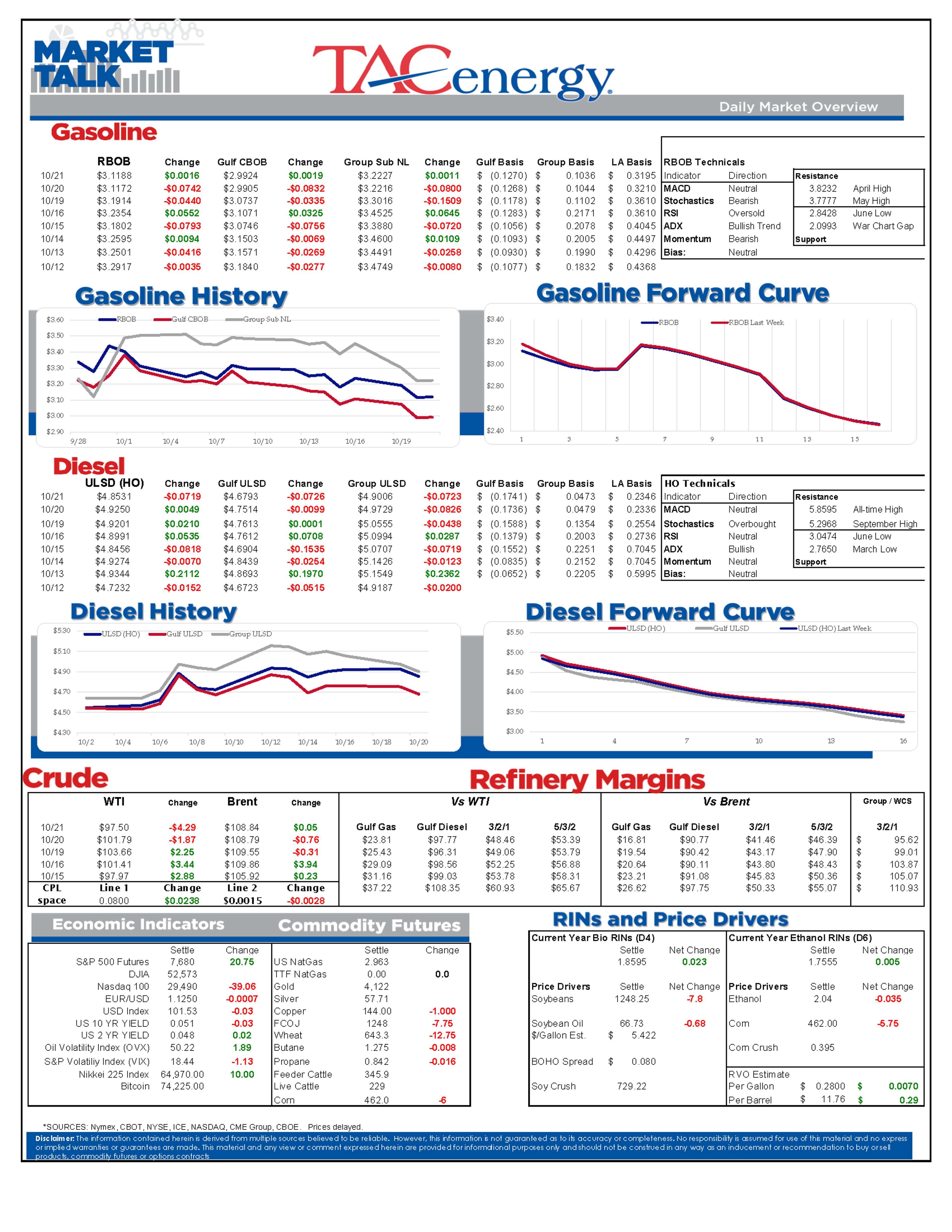
The choppy action in energy markets continues this morning with diesel prices riding the rollercoaster once again after a another wild session Tuesday. Refined products were trading higher overnight, with ULSD leading the move, trading up more than 10 cents and making another foray north of the $5 mark, only to see those gains turn to losses shortly after 7am central. Yesterday saw at least 3 cent swings throughout the session with the barrage of headlines regarding multiple simultaneous wars continuing to confound the market.
The UKMTO reported 2 more tanker attacks Tuesday, in addition to the advisory issued earlier in the day due to a ship apparently striking a sea mine. A tanker was attacked by a projectile near the Strait of Hormuz east of Oman, while in the far north west portion of the Persian Gulf a ship was attacked by “military forces” off the Iraqi coast.
Ukraine did not strike any Russian energy assets Tuesday as talks with a U.S. Envoy and other European leaders took place in Norway, but at the end of the meeting Ukraine announced the U.S. was once again providing early warning details on Russian missile attacks.
Saudi Arabia and its allies intercepted multiple drones overnight, with reports suggesting that no more energy facilities have been damaged since Monday in that war.
The API reported inventory draws across the board in its weekly estimate. Diesel stocks were said to decline by 2.6 million barrels, gasoline stocks dropped 2 million barrels and crude oil stocks declined 4.9 million barrels with another 300,000 barrels removed from the SPR on the week. The DOE’s weekly status report is due out at its normal time this morning.
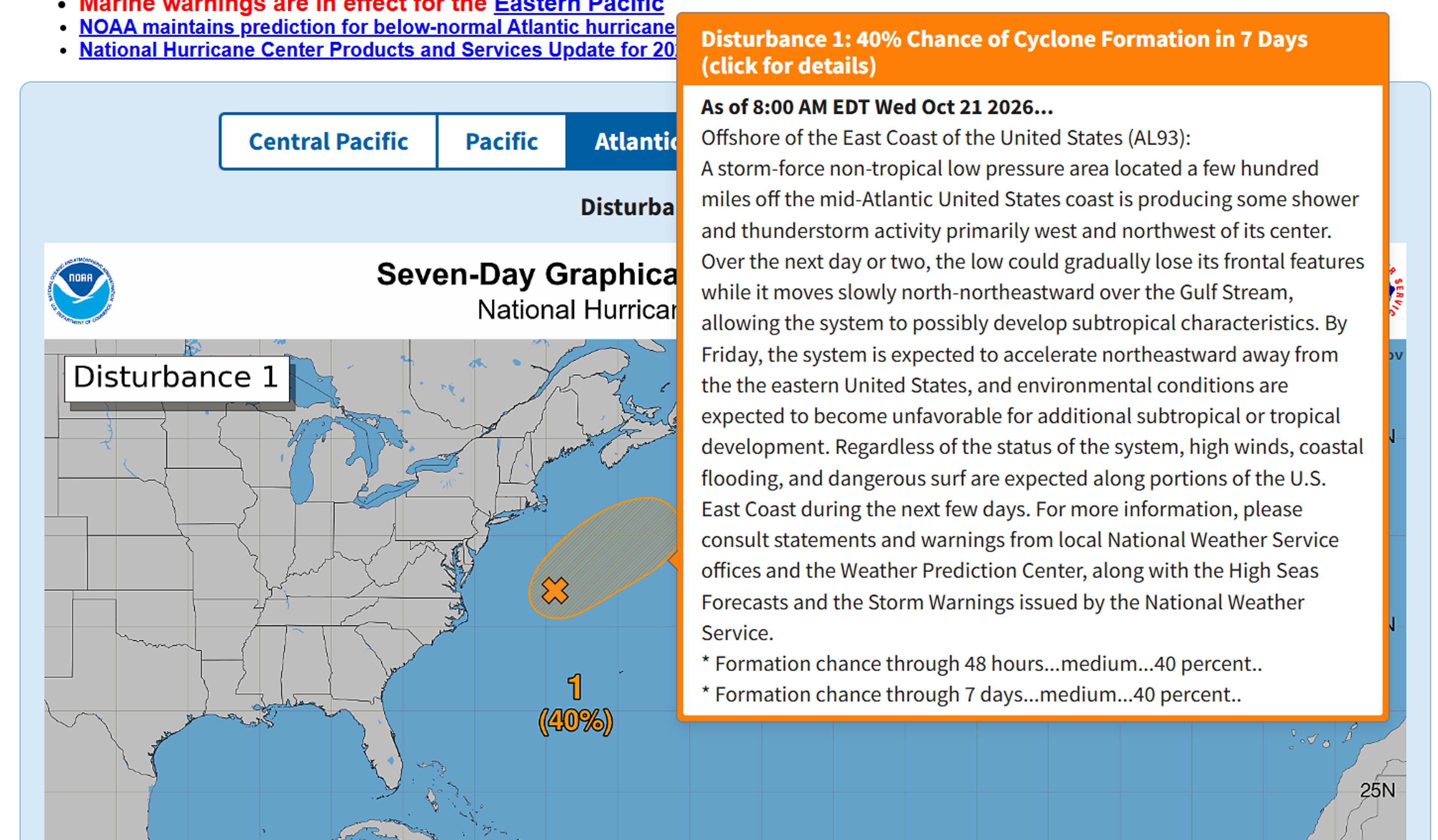
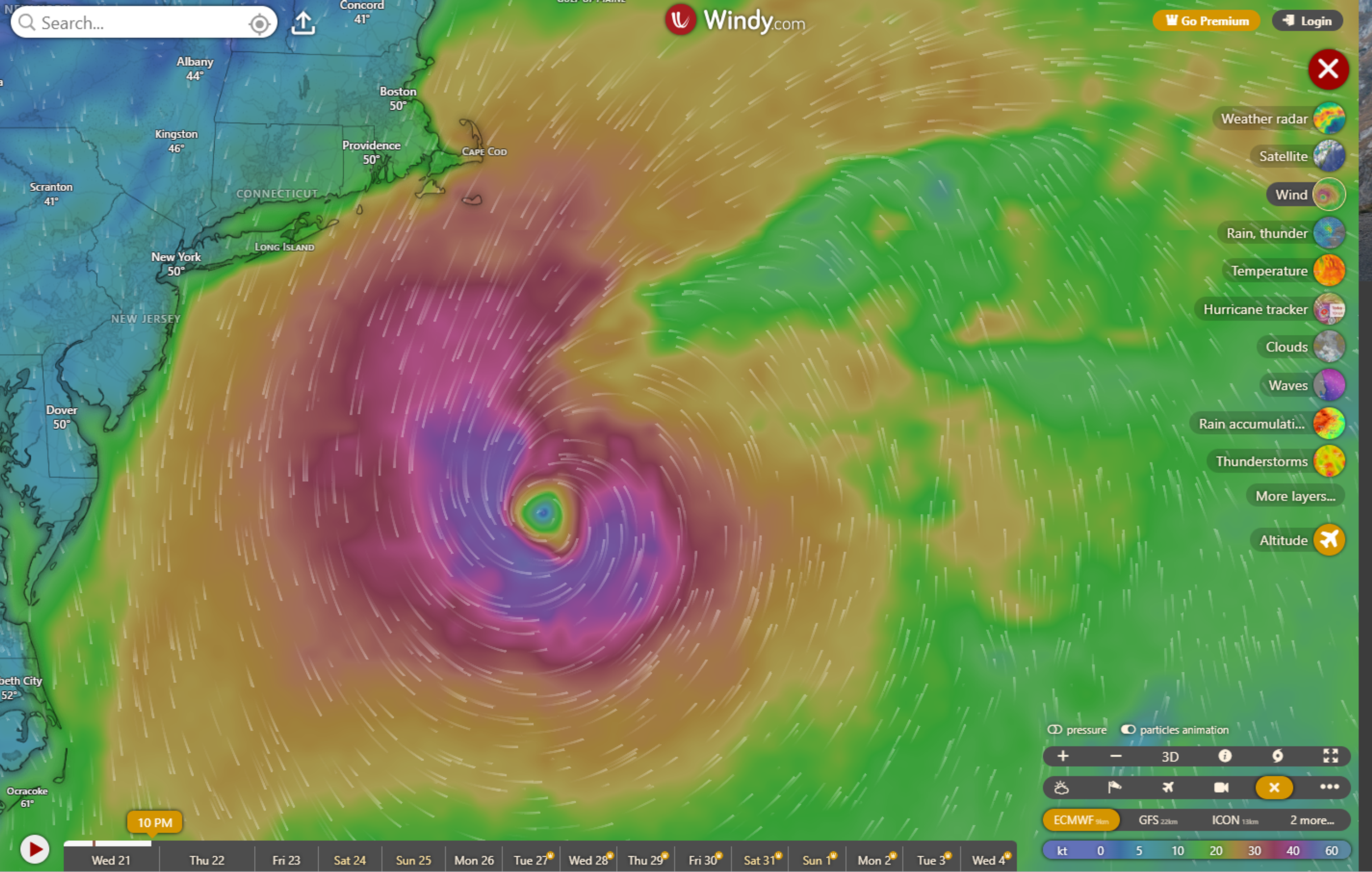
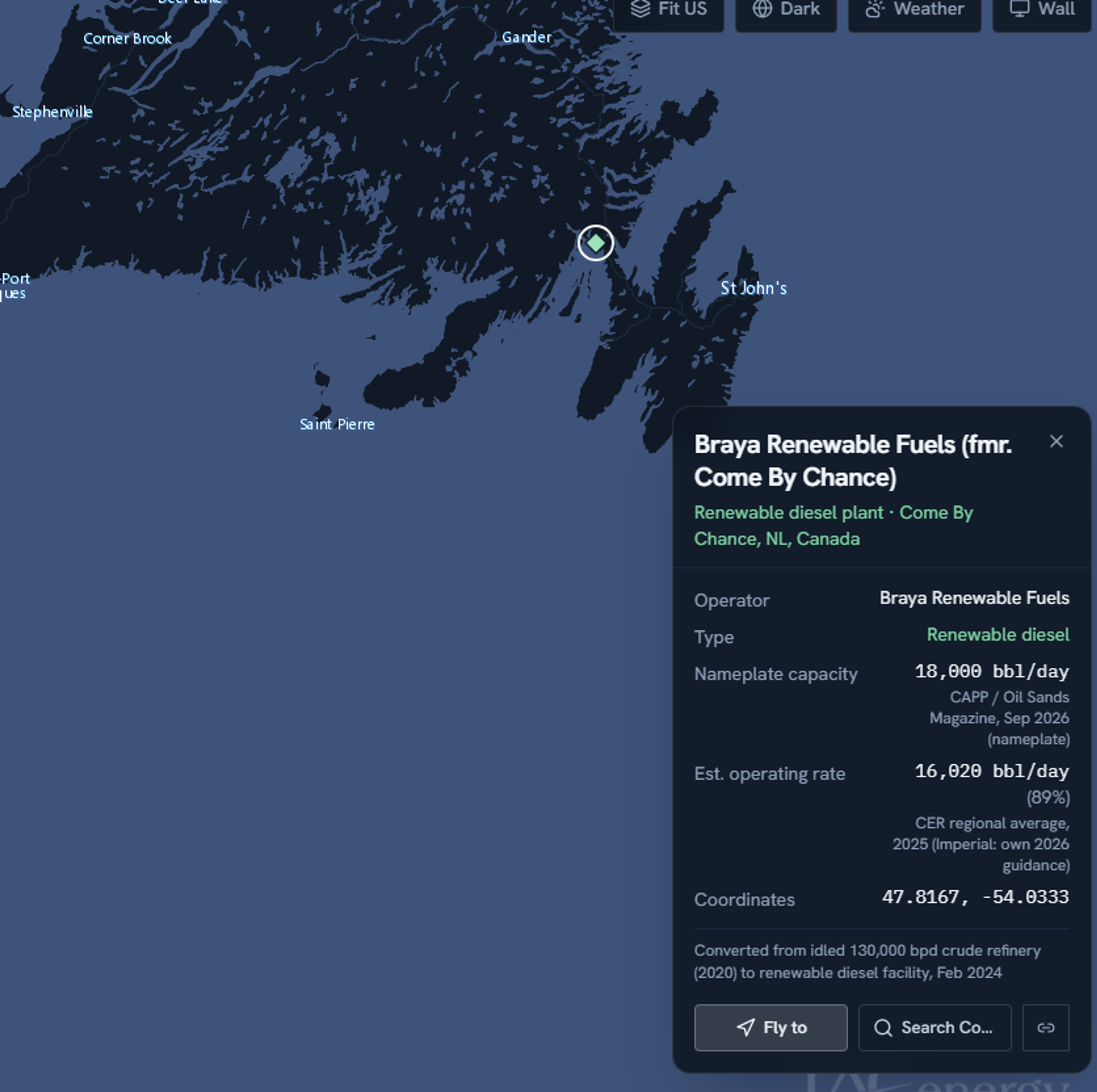
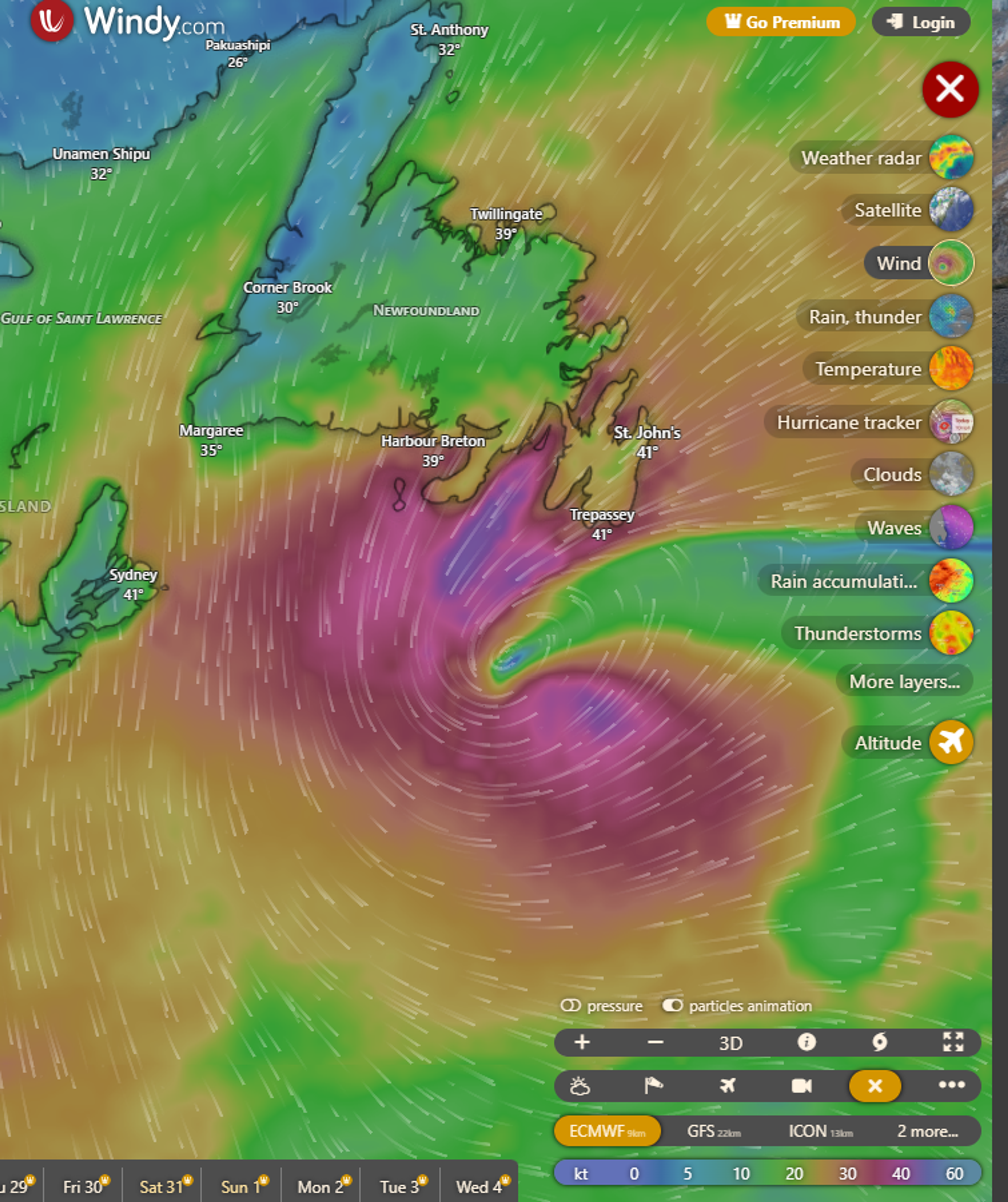
The NHC is still giving 40% odds that the Nor’easter churning off the east coast of the U.S. this week will get a name, but the latest forecasts have shifted the path slightly east from earlier in the week, which is good news for those still recovering from the late September storm. While high winds and seas may still cause some vessel traffic delays in and around New York Harbor and the waterborne terminals throughout New England, it looks like this storm should not cause as many problems as we saw a month ago. Meanwhile, the Braya RD refinery in Come By Chance Newfoundland which rose from the dead again this year thanks to high RIN values and some good old fashioned government assistance, could get hit by the storm Friday night.
If you can’t lower fuel prices, try printing money instead. The USDA announced an $8 billion “Harvest Fuel Relief Program” Monday night – which coincided with another Ag State campaign stop by the President - which will make “…one-time payments to American farmers this harvest season to provide relief during temporary market disruptions and increased input costs.” Those payments are set to be released in November, with the methodology on how they’ll be applied to be announced “at a later date”. The plan notes that payment rates will be applied based on the crop the farmers are using diesel fuel to harvest, with “Title I” commodities getting the first cut, while specialty crop farmers and fisherman can submit their data related to higher fuel costs for later consideration.
You may note that the $8 billion figure is roughly the amount that’s been pledged to buy Citgo’s assets through the never-ending court proceedings, which are still on hold as the Treasury decides what it wants to do. Based on how easily the FEDs can write a check for that amount, my personal theory is that there’s a decent chance the U.S. Government is holding Citgo as a bargaining chip to give Venezuela as long as the new regime cooperates, and then they can just issue a check to the creditors waiting impatiently to get paid. Meanwhile, an article in Fortune from a few weeks ago shares a similar theory and offers some detail on how it could actually work.
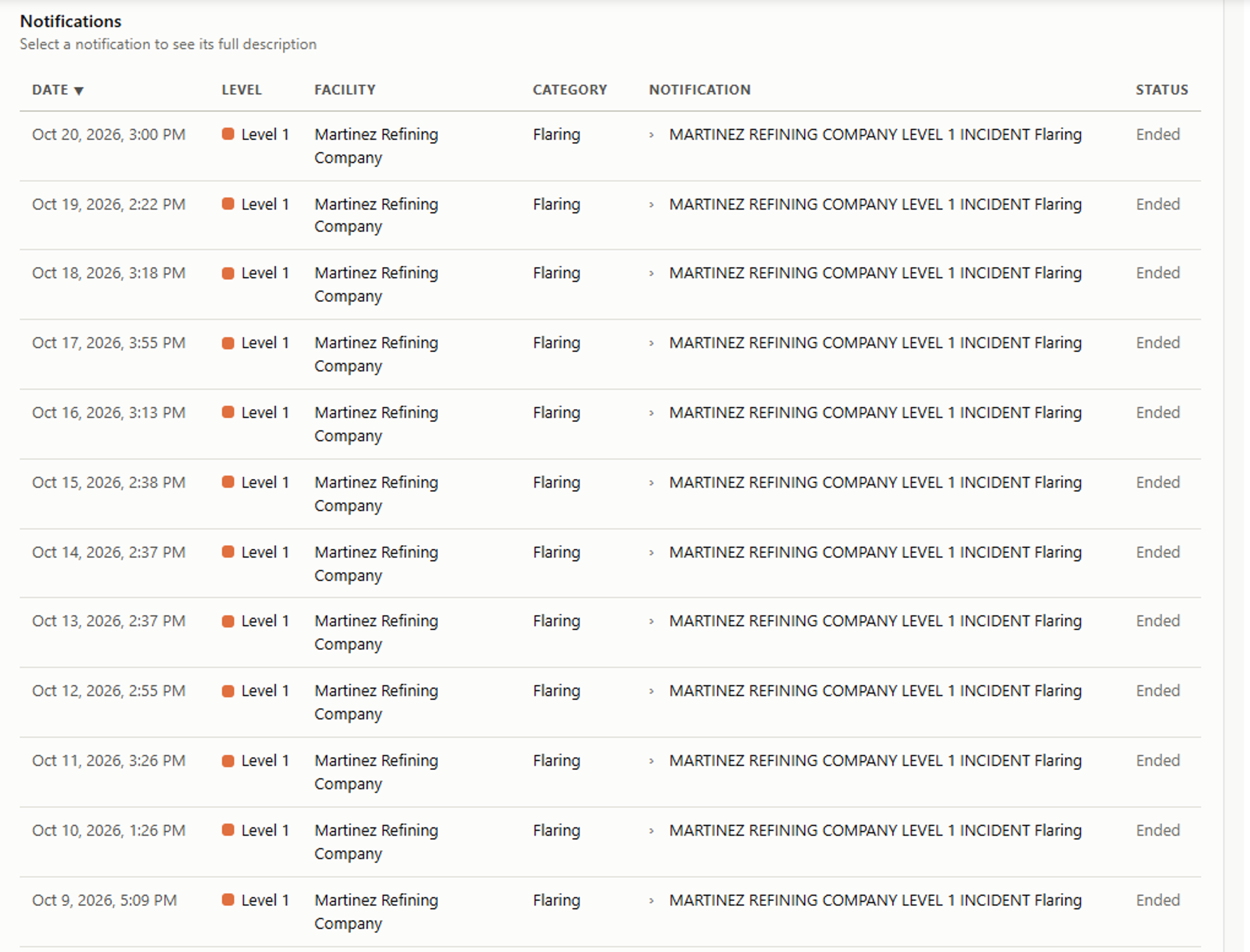
When does it stop becoming news? PBF’s Martinez refinery has reported Level 1 flaring to Contra Costa county officials at its facility every day for the past 12 days. The reports do not give any detail on if the upsets are part of planned maintenance or unplanned repairs, but elevated basis differentials in the SF spot market suggest the region is having challenges with supply, which you might expect considering they went from 5 active oil refineries to 2 in the past 5 years, and 1 of those is apparently having issues.
Latest Posts
Week 42 - US DOE Inventory Recap
Diesel's Breakout Signals Renewed Pressure Across Energy Markets
Oil Opens Soft Despite Escalating Supply Threats
Bullish Diesel Fundamentals Overshadow Weakness In Gasoline Markets
Week 41 - US DOE Inventory Recap
Energy Markets Juggle Supply Risks, Inflation Pressures, And Geopolitical Conflict
Social Media
News & Views
View All
Week 42 - US DOE Inventory Recap
Diesel's Breakout Signals Renewed Pressure Across Energy Markets